
Why Rwanda is Africa’s Ecotourism Leader
December 11, 2025
How to Spot Rare Birds on Your Uganda Safari
December 11, 2025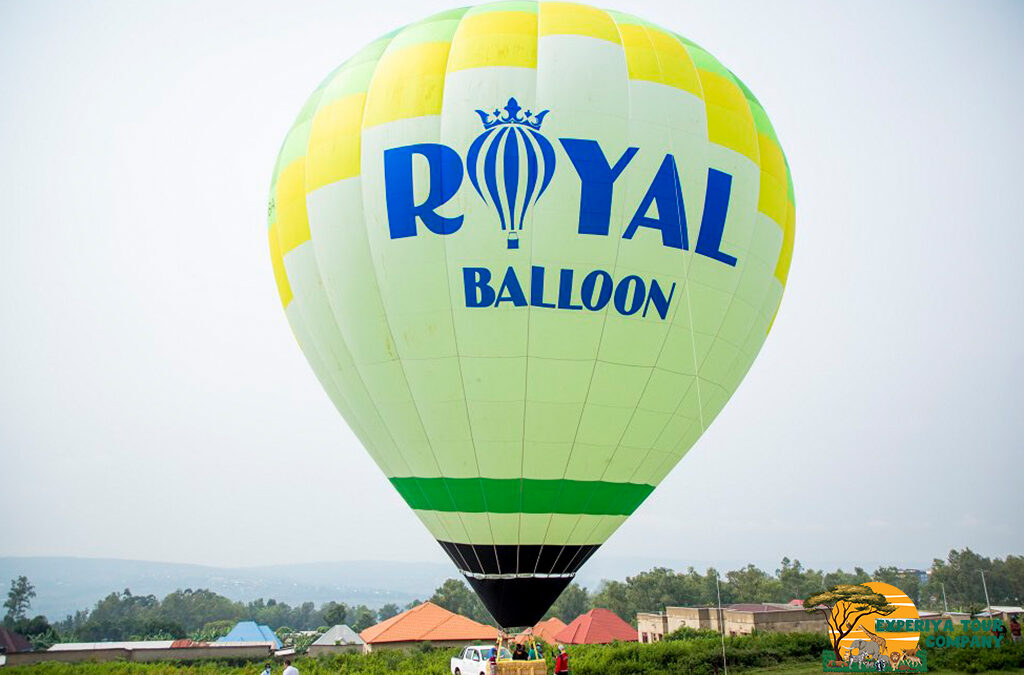
When people think of Rwanda, the first images that often come to mind are misty mountains, lush rainforests, and the once-in-a-lifetime chance to trek with mountain gorillas. While these experiences remain the country’s crown jewels, Rwanda has been quietly expanding its safari offerings in the savannah. One of the most memorable and increasingly popular adventures is taking to the skies on a hot air balloon safari over Akagera National Park.
So, can you really enjoy a hot air balloon ride in Rwanda?
Yes, you can. Hot air balloon safaris are now available in Rwanda and they offer an entirely new perspective of the country’s only savannah park. Floating above the plains at sunrise, with wildlife moving silently below and golden light washing over the landscape, is an experience that stays with you long after you land. This guide walks you through everything you need to know from where to fly and what to expect, to safety, timing, and why this is one of Rwanda’s most magical safari activities.
Where Can You Experience a Hot Air Balloon Safari in Rwanda?
At the moment, hot air balloon safaris operate exclusively in Akagera National Park in eastern Rwanda, near the border with Tanzania. Akagera stretches across more than 1,100 square kilometers of rolling grasslands, acacia woodlands, lakes, and swamps. This setting makes it the ideal landscape for ballooning, offering broad open spaces, abundant wildlife, and breathtaking scenery from above.
What Makes a Hot Air Balloon Safari So Unique?
If you’ve never taken a hot air balloon safari before, you may wonder how it differs from a traditional game drive. The magic lies in the quiet, the height, and the uninterrupted views. From the air, you see the landscape in ways that aren’t possible from the ground. You float gently above animal paths, rivers, grazing herds, and hidden areas that would normally remain out of sight.
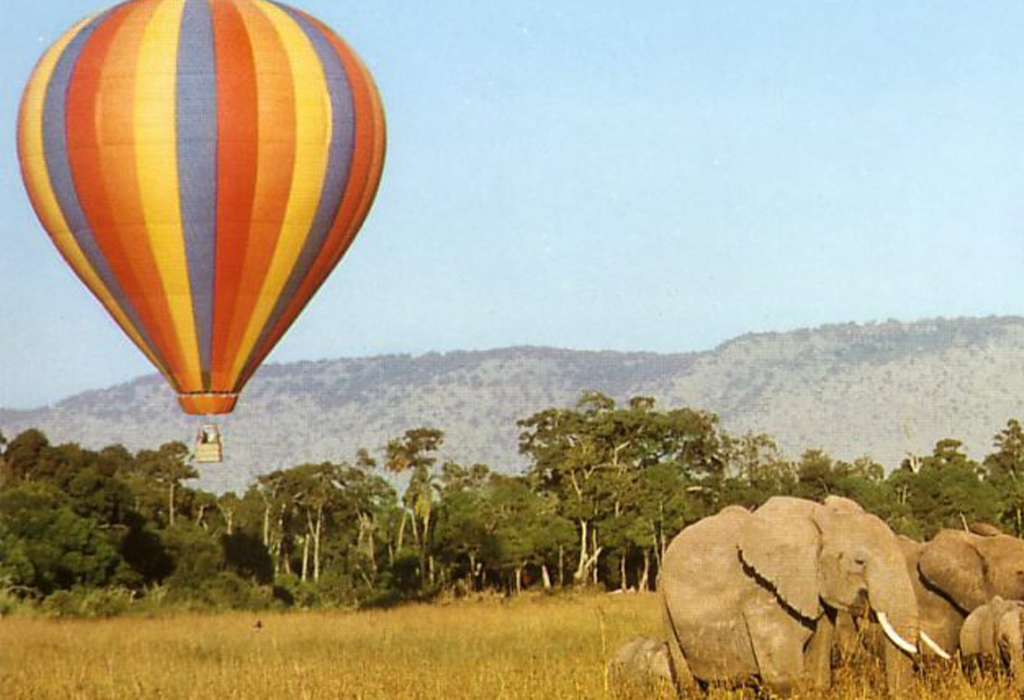
Because the balloon moves silently, wildlife remains calm and undisturbed. Herds of buffalo, zebra, giraffes, and antelopes continue their natural rhythms beneath you. Elephants often appear from wooded areas in the early morning, and with some luck, you may even spot lions or hyenas moving across the plains. For photographers, the soft sunrise light creates a dreamlike atmosphere that’s nearly impossible to capture any other way.
What Is the Experience Like?
A hot air balloon safari in Akagera feels like a luxury adventure from start to finish. Your day begins before dawn, usually with a pick-up from your lodge around 4:30 or 5:00 a.m. This early start ensures you reach the launch site as the sky begins to lighten.
When you arrive, the ground crew prepares the balloon for takeoff. While the envelope slowly inflates and rises, you enjoy a warm drink as morning birds begin to call. After a safety briefing, you climb into the basket and lift off gently with the first golden rays of sunrise.
The flight lasts about one hour, depending on wind conditions. During this time, you glide over lakes, plains, and woodlands, watching wildlife from a peaceful aerial point of view. Hippos surface in the water, crocodiles warm themselves along the shores, and antelope herds scatter across the grasslands like moving patterns.
As your flight ends, you touch down smoothly in an open clearing. It’s tradition to celebrate with a champagne toast and a light outdoor breakfast. The morning air is crisp, the scenery serene, and the sense of being part of something timeless is undeniable. After breakfast, you return to your lodge by mid-morning, free to relax or continue exploring Akagera.
Who Can Join a Hot Air Balloon Safari?
Most travelers can enjoy this experience, including children aged six and above. However, because passengers must stand for about an hour and climb into the basket without much assistance, those with severe mobility challenges may find it difficult. Pregnant women are generally not permitted for safety reasons, and anyone with significant medical concerns should consult a doctor before booking.
Is It Safe?
Hot air ballooning in Rwanda follows strict international standards. Pilots are licensed professionals and the equipment is inspected regularly. Flights only take place when weather and wind conditions are considered safe. Although weather-related delays can happen—especially during the rainy season—these precautions ensure your safety remains the first priority.
Best Time to Go Hot Air Ballooning in Rwanda
While flights are offered year-round, the best times are during Rwanda’s dry seasons, typically from June to September and December to February. During these periods, the skies are clearer, the winds calmer, and the chances of cancellation much lower. Early mornings are ideal throughout the year, not only for weather but also because animals are far more active at dawn.
What Should You Bring?
To make the most of your experience, dress warmly in layers for the early morning chill. Comfortable shoes, sunglasses, and a hat will also help. Many guests bring a camera with a zoom lens or a pair of binoculars to capture distant wildlife and sweeping landscapes. You can store small personal items in the basket during the flight.
Why Choose a Hot Air Balloon Safari in Akagera?
Several destinations in Africa offer hot air balloon experiences, yet Akagera provides something distinctly special. The park remains less crowded than other major safari regions, giving your flight a more intimate and exclusive feel. The diverse combination of lakes, savannah, forests, and wetlands below creates an ever-changing tapestry of views. Its convenient location—just a 2.5-hour drive from Kigali—makes it easy to include in your itinerary without long travel times.
Above all, Akagera stands as one of Africa’s greatest conservation success stories. By choosing experiences like balloon safaris, you help support the continued protection and restoration of this remarkable park.
A Bucket-List Experience in Rwanda
So, can you do a hot air balloon safari in Rwanda? Absolutely—and it may become the highlight of your entire trip.
Drifting above Akagera at sunrise brings together adventure, serenity, wildlife, and awe-inspiring beauty in a way few experiences can match. Whether you’re celebrating a milestone, planning a romantic escape, or simply looking to see Africa from a new perspective, a hot air balloon safari offers a moment of pure magic.
Rwanda’s commitment to exceptional and sustainable tourism continues to grow, and this sky-high journey adds yet another reason to fall in love with the Land of a Thousand Hills.