

What are the best sunset spots on the coast?
November 19, 2025
Can I climb Mount Kenya?
November 19, 2025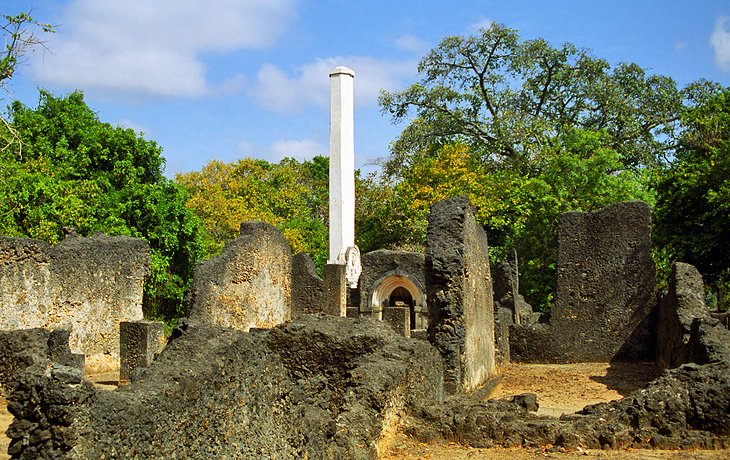
Can I Visit Historical Ruins on the Kenyan Coast?
Kenya’s coastline is not only a place of turquoise waters, palm-fringed beaches, and vibrant Swahili culture—it is also one of the richest historical landscapes in East Africa. Stretching from Lamu in the north to Shimoni in the south, the Kenyan coast is dotted with ancient ruins, abandoned towns, mosques, palaces, and settlements that date back hundreds of years. These sites tell the story of the Swahili civilization, a maritime culture shaped by African, Arab, Persian, and Indian influences.
Many travelers ask: Can I visit historical ruins on the Kenyan coast?
The answer is yes—absolutely. Kenya’s coast is home to several well-preserved ruins, each offering a window into the region’s past. These ruins reveal an era of bustling trade ports, coral-built towns, powerful sultanates, and deep-rooted cultural traditions. Whether you are a history enthusiast, a curious traveler, or someone seeking quiet, mysterious places to explore, the coastal ruins of Kenya offer unforgettable experiences.
This detailed guide will walk you through the most significant ruins, what makes them special, their historical background, and why visiting them is an essential part of any coastal adventure.
The Story Behind Kenya’s Coastal Ruins
The ruins along the Kenyan coast belong primarily to the ancient Swahili civilization—a sophisticated urban society that emerged between the 9th and 16th centuries. The Swahili people built towns using coral stone, traded across the Indian Ocean, developed unique architectural styles, and created rich cultural traditions in art, religion, and writing.
Many of these towns were abandoned due to shifting trade routes, Portuguese invasions, environmental changes, or conflicts. Today, they stand as preserved archaeological sites under the protection of the National Museums of Kenya.
Visiting them is like stepping back in time—walking through streets, archways, and courtyards that once bustled with merchants, sailors, scholars, and sultans.
1. Gede (Gedi) Ruins – Watamu’s Ancient Swahili City
The Gede Ruins near Watamu are the most famous and best-preserved historical ruins on the Kenyan coast. Hidden within a forest sanctuary, Gede feels mysterious, peaceful, and atmospheric.
What You Will See
The ruins include:
• a palace complex
• several mosques
• ancient stone houses
• a court and meeting hall
• wells and water reservoirs
• walls fortified to protect the town
Why Gede Is Special
Gede was a thriving city between the 12th and 17th centuries, inhabited by wealthy Swahili elites who traded with Arabia, China, Persia, and India. Archaeologists found Chinese porcelain, glass beads, and Persian lamps—evidence of expansive trade networks.
The site is surrounded by dense forest, home to monkeys, butterflies, and birds, giving Gede an enchanted atmosphere. The silence, broken only by nature, makes wandering these ruins a deeply immersive experience.
2. Takwa Ruins – Lamu’s Hidden Coastal Ghost Town
Located on Manda Island across from Shela Village in Lamu, Takwa Ruins are among the most atmospheric archaeological sites in Kenya.
What You Will See
The ruins include:
• a great mosque with a preserved mihrab
• coral stone homes
• tombs and burial sites
• remnants of narrow streets
Why Takwa Is Memorable
Takwa was abandoned in the 17th century, possibly due to conflict or water scarcity. Today, it is beautifully preserved, surrounded by sand dunes and mangroves. The journey by dhow from Lamu or Shela adds an element of adventure.
The site is peaceful, untouched, and perfect for travelers seeking solitude and mystery. It offers incredible photography opportunities during sunset and low tide.
3. Jumba la Mtwana Ruins – Mtwapa’s Coral Stone Coastal Settlement
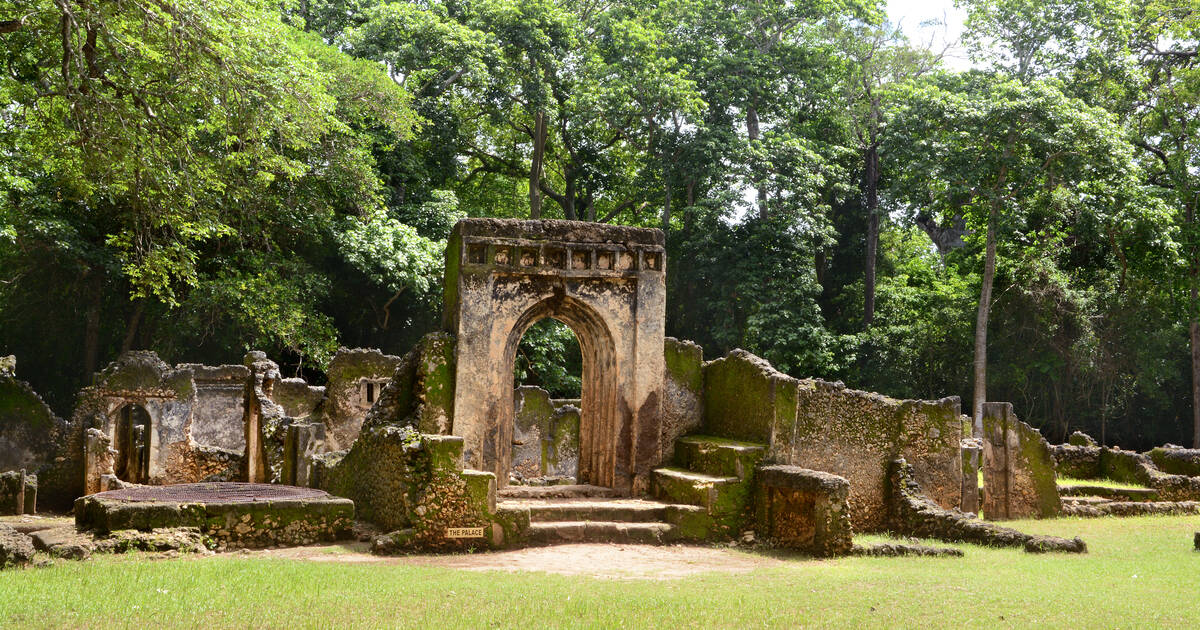
Near Mombasa, set in a quiet forest overlooking the ocean, lies Jumba la Mtwana—a name meaning “the large house of the slave.” Although the town’s exact history is debated, it is believed to have been a Swahili trading outpost.
What You Will See
The site includes:
• several mosques
• multiple coral stone houses
• a kitchen and well
• oceanfront ruins
 Why Jumba Stands Out
The beach beside the ruins adds breathtaking beauty to the site. Many visitors explore the ruins, then enjoy a quiet walk down the shore or relax under the shade of palm trees.
The atmosphere is serene and ideal for travelers seeking less-touristy cultural sites.
4. Shimoni Slave Caves – Dark History and Deep Reflection
In the far south near Wasini Island, the Shimoni Slave Caves offer a stark reminder of East Africa’s role in the Indian Ocean slave trade. These caves were allegedly used as holding areas for enslaved people before they were shipped to the Middle East or Asia.
What You Will See
Visitors can explore:
• interconnected limestone caves
• coral formations
• small shrines and historical markers
Why Shimoni Is Historically Important
The caves hold emotional weight. Guided tours explain the region’s history, the experiences of enslaved Africans, and how the caves were used by various groups over centuries.
A visit here is sobering but enriching, offering deep historical insight.
5. Fort Jesus – Mombasa’s UNESCO World Heritage Fortress
Fort Jesus is not a ruin in the traditional sense, but it is one of the most significant historical structures on the Kenyan coast.
What You Will See
This massive 16th-century Portuguese fort includes:
• battlements and bastions
• a museum with artifacts
• secret passageways
• old barracks
• cannons overlooking the sea
Why Fort Jesus Is Essential
The fort played a crucial role in battles between the Omani Arabs and the Portuguese. It shaped coastal politics, trade, and culture for centuries.
Exploring its walls, chambers, and exhibitions provides a deep understanding of Kenya’s coastal heritage.
6. Kongo Mosque – One of East Africa’s Oldest Mosques
Located at the mouth of the Kongo River in Diani, this ancient mosque remains an active place of worship. Its coral-stone structure and quiet riverside setting make it deeply atmospheric.
Why Visit
The mosque dates back to the 14th century and reflects early Swahili architecture. It is also surrounded by ancient graves, tall baobabs, and gentle river views.
The peaceful ambiance makes it ideal for cultural reflection and photography.
7. Kaya Forests – Sacred Mijikenda Heritage Sites
Although not ruins in the traditional sense, the Kaya forests are sacred historical sites of the Mijikenda people. These forested areas contain ancient settlement sites and spiritual shrines.
Why They Matter
The Kaya forests are UNESCO-listed and represent centuries-old traditions, community identity, and spiritual connection to the land.
Visits must be guided, respectful, and mindful of cultural practices.
Why You Should Visit Coastal Ruins
Exploring Kenya’s coastal ruins offers:
• deep cultural immersion
• insight into Swahili history
• opportunities for photography
• quiet and atmospheric walking trails
• a blend of nature, architecture, and archaeology
• educational experiences for children and adults
These sites remind travelers that Kenya’s story is far more than wildlife and beaches—it is also a tale of ancient civilizations, maritime trade, and enduring cultural heritage.
Tips for Visiting Historical Ruins on the Coast
• Hire a local guide—stories bring the ruins to life.
• Visit early morning or late afternoon for better light and cooler temperatures.
• Carry water, sunscreen, and comfortable shoes.
• Respect the sites—avoid touching delicate coral structures.
• Combine ruin visits with nearby attractions like beaches, dhow cruises, or marine parks.
A guided visit is always more meaningful and informative.
Can I Visit Historical Ruins on the Kenyan Coast?
Yes—you can visit numerous historical ruins along the Kenyan coastline, each offering timeless stories, architectural beauty, and rich cultural significance. From the Gede Ruins hidden in a lush forest to the hauntingly beautiful Takwa ruins in Lamu, Kenya’s coast is a treasure trove of archaeological wonders. These sites bridge the past and present, allowing travelers to step into the world of ancient Swahili societies, maritime trade routes, and historical transitions that shaped East Africa’s identity.
Exploring these ruins is not just a tour—it is a journey through centuries of culture, architecture, and human connection.
For travelers wishing to explore Kenya’s coastal ruins with expert guidance, comfortable transport, and well-curated itineraries, consider booking your adventure with Experiya Tour Company. Their professional team ensures you experience the history, beauty, and cultural richness of the Kenyan coast in the most informative and enjoyable way.