
Comparing Mountain Gorillas and Golden Monkeys in the Virunga Conservation Area
February 2, 2026
Top Things to Do During Your Safari in Rwanda with Experiya Tour Company
February 3, 2026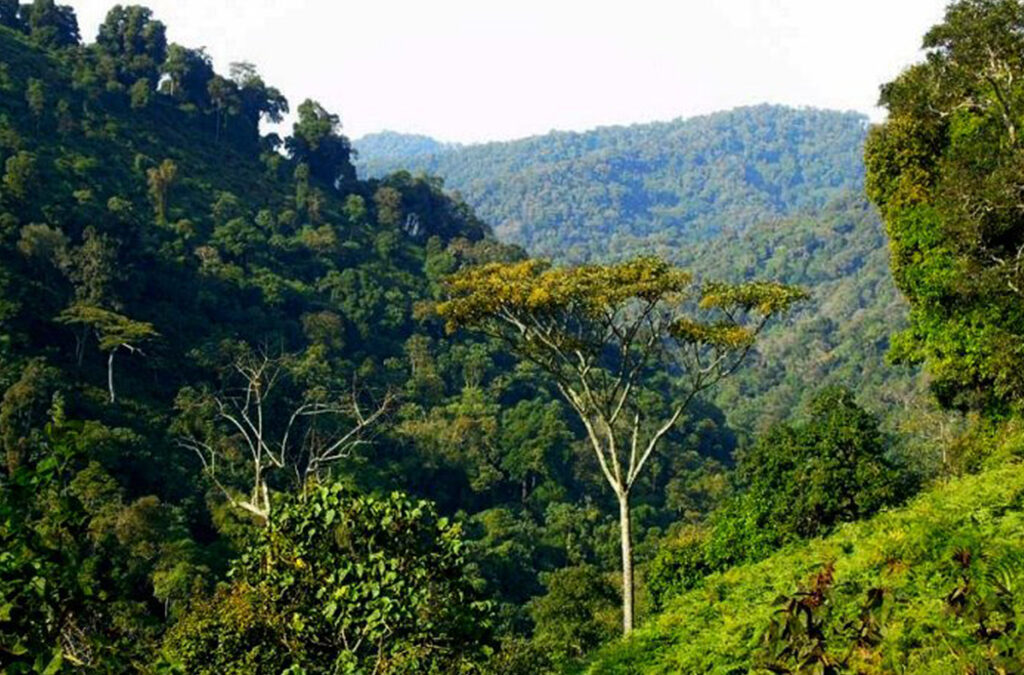
Nestled in southwestern Uganda, Bwindi Impenetrable National Park is world-famous for mountain gorilla trekking. Yet beyond the iconic primates lies a rich world of biodiversity, culture, and serene wilderness experiences. If you want to explore Bwindi at a slower pace or simply wish to discover more than gorillas you’ll find countless rewarding adventures waiting beneath the forest canopy.
Let’s step beyond the trekking trails and uncover the many other treasures that make Bwindi unforgettable.
A True Birding Paradise
First and foremost, Bwindi is a dream destination for bird lovers. The park hosts over 350 bird species, including 23 Albertine Rift endemics that birders travel across the globe to see. Because Bwindi sits at the intersection of lowland and montane forest ecosystems, it creates the perfect habitat for rare and colorful species.
As you walk through the forest, you’ll hear a constant orchestra of whistles, trills, and chirps. Look carefully into the foliage and you may spot the African green broadbill, Shelley’s crimsonwing, or the handsome francolin. Early morning birding walks offer the best sightings, when the forest awakens with energy and movement.
Even if you’re not a serious birder, the sheer variety of birdlife adds magic to every nature walk.
Scenic Nature Walks Through Ancient Forest
Bwindi’s forest feels timeless. Towering trees draped in vines, thick undergrowth, and misty valleys create an atmosphere that feels almost prehistoric. Fortunately, you don’t need to trek gorillas to experience this beauty.
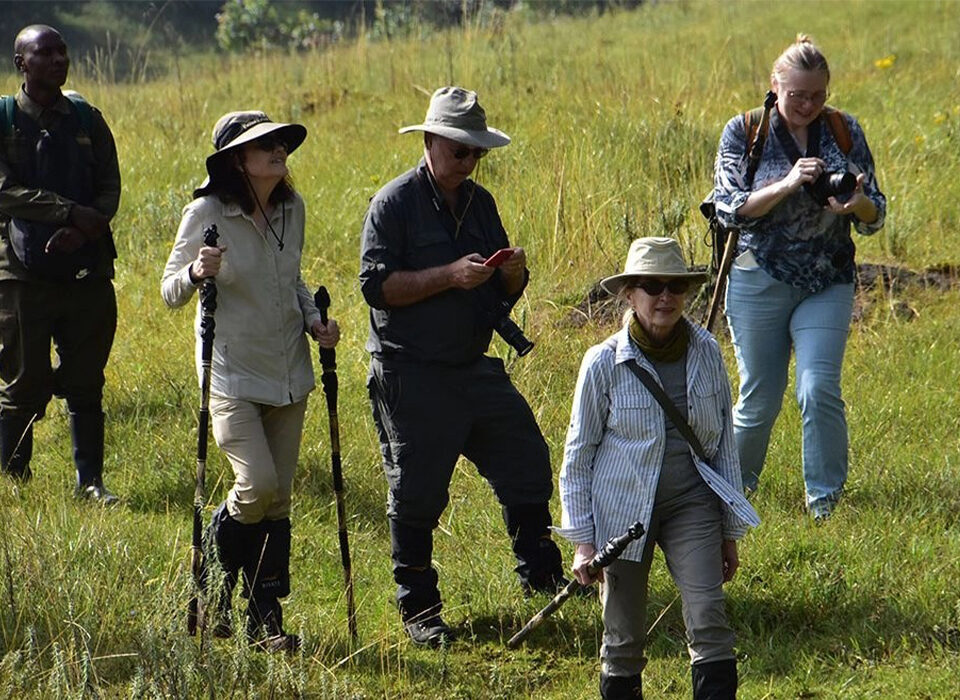
Guided nature walks lead you along well-established trails where you can explore at a relaxed pace. Along the way, guides point out unique plant species, primates like black-and-white colobus monkeys, and forest butterflies fluttering through sunbeams.
Moreover, these walks offer peaceful moments to pause, breathe deeply, and simply listen to the forest. The stillness, broken only by birdsong and rustling leaves, provides a powerful sense of connection to nature.
Chasing Hidden Waterfalls
Beyond the dense greenery, Bwindi hides enchanting waterfalls that reward curious explorers. Hiking toward these falls feels like stepping into a secret world. As you descend through thick vegetation, the sound of rushing water gradually grows louder.
Eventually, you arrive at cool, misty cascades tumbling over moss-covered rocks. Here, you can relax, take photographs, and enjoy the refreshing forest air. Waterfall hikes combine gentle adventure with tranquil scenery, making them perfect for travelers who love both movement and mindfulness.
Meaningful Cultural Encounters
Bwindi’s story isn’t only about wildlife it’s also about people. The surrounding communities bring the forest’s cultural landscape to life.
Visits to local villages allow you to meet members of the Bakiga and Batwa communities. You can tour traditional homesteads, learn about farming practices, and listen to elders share stories passed down through generations. Traditional dance performances add rhythm and color, offering insight into cultural identity and celebration.
These encounters create genuine connections and deepen your understanding of how communities and conservation coexist.
Community Walks and Local Craft Markets
In addition to cultural visits, community walks introduce you to everyday life around Bwindi. You might stroll through tea plantations, banana gardens, or small trading centers where locals gather.
Craft markets provide a wonderful opportunity to support the community directly. Skilled artisans create handmade baskets, woven mats, wood carvings, and colorful fabrics. Purchasing these crafts not only gives you a meaningful souvenir but also contributes to household incomes and local development.
Because of this, your visit becomes more than tourism it becomes a positive exchange.
Discovering Medicinal Plants
Bwindi’s dense vegetation also serves as a natural pharmacy. For generations, local communities have relied on forest plants for traditional medicine.
Guided walks focused on medicinal plants reveal fascinating knowledge about leaves, roots, and bark used to treat common ailments. You’ll learn how certain herbs relieve stomach pain, reduce fevers, or heal wounds. These experiences highlight the deep relationship between people and forest ecosystems.
At the same time, they underscore why conservation matters not just for wildlife, but for cultural heritage and traditional knowledge.
A Photographer’s Dream Setting
Every corner of Bwindi offers a new photographic opportunity. Mist drifting through the trees, shafts of sunlight piercing the canopy, and vibrant green landscapes create dramatic natural scenes.
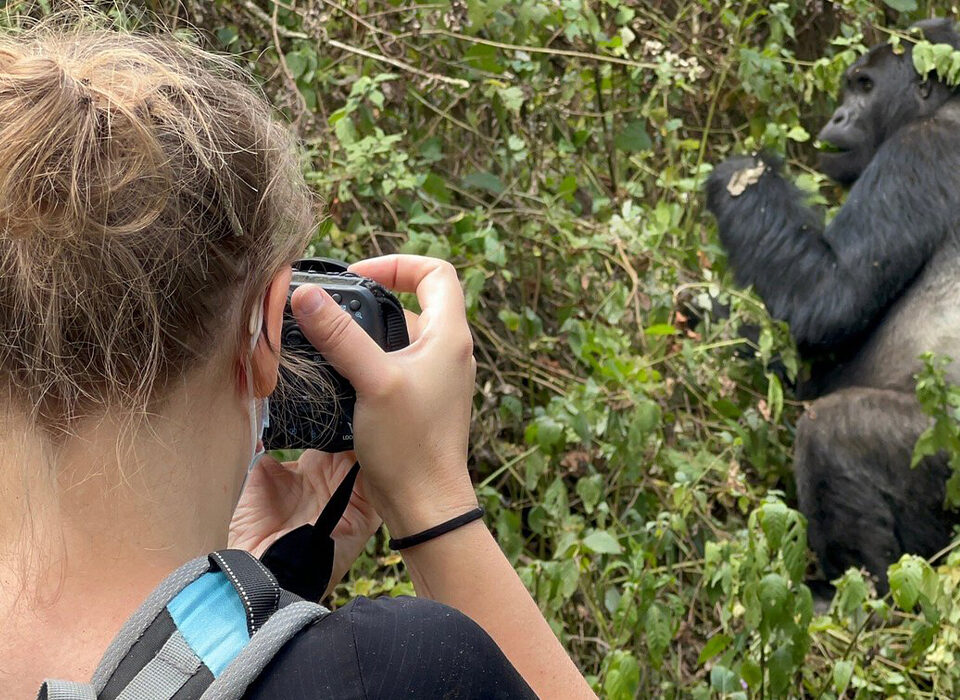
Macro photographers can capture colorful insects, delicate fungi, and dew-covered spider webs. Landscape lovers will appreciate panoramic forest views from higher ridges, especially at sunrise or sunset. Meanwhile, cultural visits provide portraits filled with warmth and authenticity.
Whether you use a professional camera or a smartphone, Bwindi rewards patience and creativity.
The Powerful Batwa Trail Experience
One of the most moving activities near Bwindi is the Batwa Trail experience. Guided by Batwa elders, this walk retraces the footsteps of the forest’s original inhabitants.
During the trail, guides demonstrate traditional hunting techniques, fire-making skills, and the use of forest plants. They also share personal stories about life before and after relocation from the forest. The experience feels both educational and emotional, offering a rare perspective on history, resilience, and identity.
Importantly, participating in the Batwa Trail helps support community initiatives and cultural preservation.
Rest and Rejuvenation in Forest Lodges
After days of exploration, Bwindi’s lodges provide the perfect place to unwind. Many accommodations sit on forested hillsides, offering sweeping views of misty valleys and distant treetops.
You can relax on a private veranda, listen to evening forest sounds, or enjoy a spa treatment inspired by natural ingredients. Cozy fireplaces, warm hospitality, and locally inspired cuisine make evenings just as memorable as daytime adventures.
This balance of comfort and wilderness allows you to recharge while staying close to nature.
Conversations About Conservation
Finally, Bwindi offers opportunities to learn about conservation efforts that protect this unique ecosystem. Local guides, researchers, and community members often share stories about reforestation, wildlife monitoring, and sustainable tourism initiatives.
By engaging in these conversations, you gain a deeper appreciation of how tourism can support both environmental protection and community livelihoods. Understanding these efforts adds meaning to your visit and inspires more responsible travel choices.
Embracing Bwindi’s Full Magic
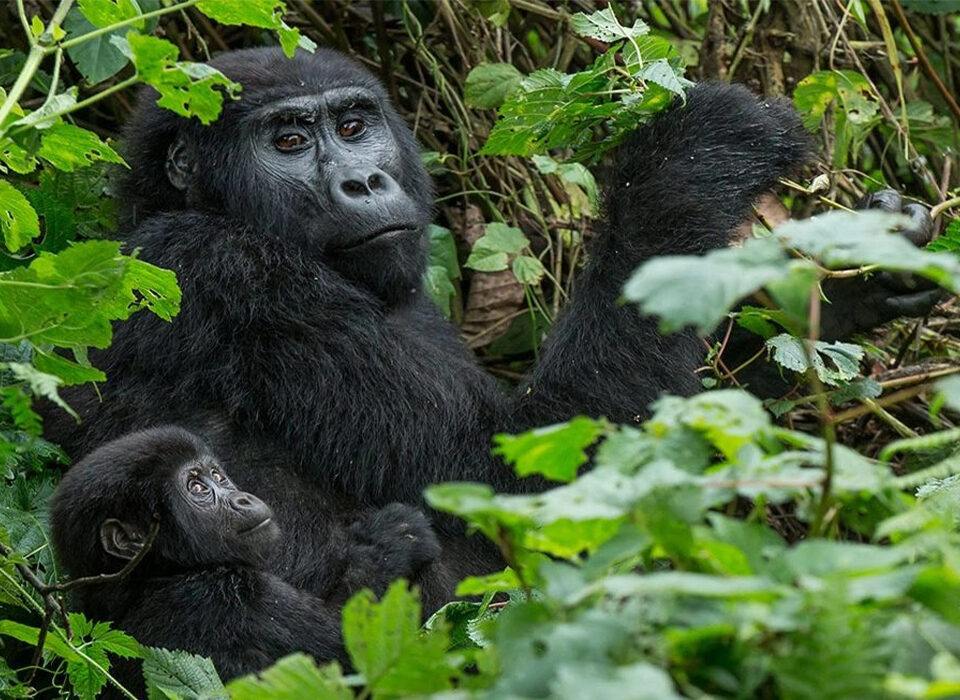
Although mountain gorillas draw global attention, Bwindi’s magic extends far beyond a single species. The park invites you to slow down, explore diverse habitats, connect with local cultures, and discover the quiet wonders hidden within the forest.
Every trail, waterfall, bird call, and community interaction reveals another layer of this extraordinary place. When you explore Bwindi without gorilla trekking, you don’t miss out you simply experience the forest in a different, deeply enriching way.