
All You Need to Know About Umusambi Conservancy Village
December 5, 2025
Frequently Asked Questions About Gorilla Safaris in Uganda
December 5, 2025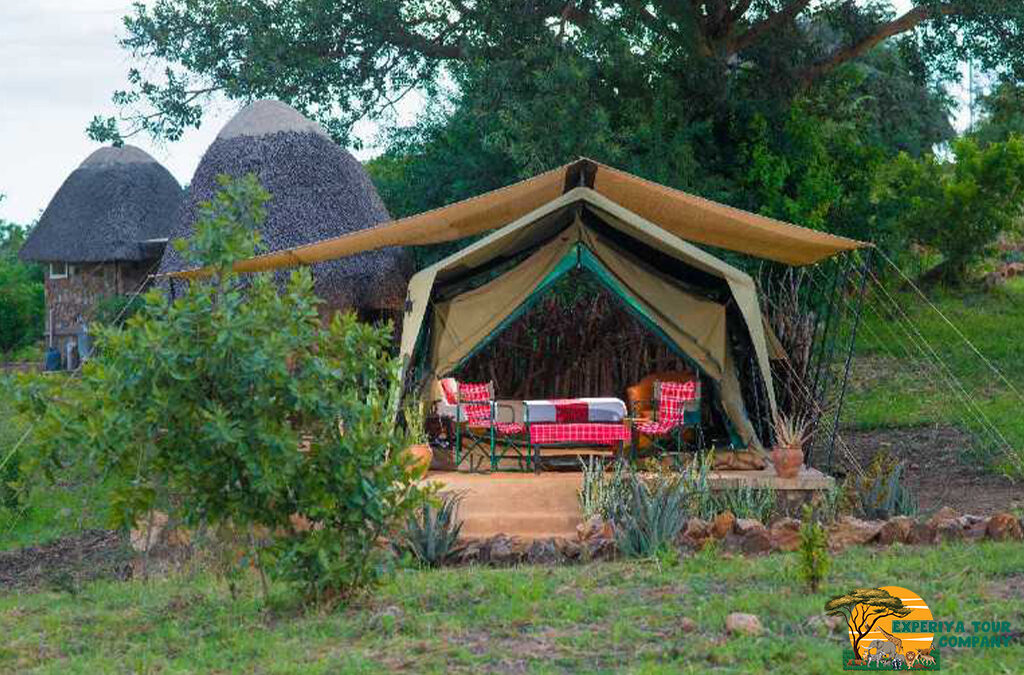
Bush Camping in Uganda’s Savannah Parks
Bush camping in Uganda’s savannah parks is one of the most intimate and adventurous ways to experience the country’s untamed wilderness. It goes far beyond traditional lodge stays and standard game drives, inviting travelers to step directly into Africa’s natural rhythms. From falling asleep beneath wide, star-filled skies to listening to distant lion roars drifting across the plains, bush camping creates a rare and deeply personal connection to Uganda’s landscapes and wildlife.
This detailed guide explains what makes bush camping extraordinary, how it works, where to go, and what to expect.
Understanding Bush Camping in Uganda’s Savannah Parks
Bush camping involves pitching tents in designated wilderness zones inside Uganda’s national parks. These areas remain open, remote, and minimally altered, allowing the environment to retain its rugged authenticity. Instead of staying in built-up public campsites, you sleep within the heart of the savannah, prepare meals in the open, and rely on the surrounding natural world as your living space.
The true essence of bush camping lies in its simplicity. Every morning begins with golden sunrises and crisp air. Antelopes graze quietly nearby, elephants wander through the plains, and hippos feed at dawn. As night falls, the savannah transforms. You hear rustling grasses, playful hyena calls, and the echoing roars of predators in the distance. It is the wilderness in its purest formunfiltered, emotional, and deeply immersive.
Why Bush Camping Delivers a Unique Wilderness Experience
Bush camping stands out because it gives you uninterrupted presence in the wild. With no fences or artificial noises, you become a silent participant in nature’s daily rhythm. You sleep beneath brilliant stars, wake up to wildlife moving only meters away, and witness animals’ day and night behaviors as they unfold naturally.
As a result, the experience becomes more personal and emotionally grounding. You hear more, see more, and feel more. The slow, immersive rhythm of bush camping creates a rare sense of solitude and humility that a typical safari cannot match.
Top Savannah Parks for Bush Camping in Uganda
Uganda’s savannah parks each offer a different bush camping atmosphere. Your choice may depend on scenery, wildlife expectations, and your tolerance for adventure.
Queen Elizabeth National Park
Queen Elizabeth National Park offers a blend of open plains, crater lakes, and acacia woodlands. Camping around areas such as Kasenyi or Ishasha places you within range of elephants, buffaloes, lions, kobs, and hyenas. As night approaches, the faint roars of lions drifting across the landscape heighten the excitement of the experience.
Murchison Falls National Park
Murchison Falls combines dramatic scenery with abundant wildlife. Setting up camp near the riverine zones gives you views of giraffes, hartebeests, and birdlife at first light. Meanwhile, the deep thunder of Murchison Falls rumbling in the distance creates a calming yet powerful backdrop.
Kidepo Valley National Park
Kidepo remains Uganda’s most untouched wilderness—a remote expanse of sweeping plains, rugged mountains, and far-reaching valleys. This park is ideal for seasoned adventurers seeking complete isolation. The Narus and Kidepo Valleys hold lions, cheetahs, ostriches, zebras, and enormous buffalo herds. Here, silence stretches endlessly, offering an overwhelming sense of raw wilderness.
Lake Mburo National Park
Lake Mburo suits travelers who want a gentler introduction to bush camping. With no lions in the park, the atmosphere feels calmer yet still authentically wild. Zebras, impalas, elands, and vibrant birdlife move freely around the plains. It is an accessible and rewarding option for beginners.
Essential Gear and Preparation for Bush Camping
Proper preparation ensures a comfortable and safe bush camping experience. Depending on your safari operator, equipment may be provided or arranged independently.
A reliable tent, ground sheet, and sleeping gear form the foundation of your setup. You also need water containers, purification tablets, cooking utensils, food supplies, headlamps, extra batteries, a compact first-aid kit, and warm layers for the chilly mornings. Because bush camps are remote, thoughtful planning for meals, water, and waste disposal becomes vital for both safety and environmental responsibility.
Safety Protocols and Ranger Support
Uganda Wildlife Authority requires an armed ranger to accompany all bush campers. This ranger monitors wildlife movement, offers safety guidance, and ensures that camping activities do not disturb the ecosystem.
To stay safe, you must avoid wandering from camp at night, keep food sealed, limit noise after dark, use a torch when moving around, and follow every instruction given by the ranger. These precautions protect both you and the surrounding wildlife.
The Emotional and Sensory Experience of Bush Camping
Perhaps the most unforgettable aspect of bush camping is the atmosphere itself. The wilderness feels alive in sound, scent, and silence. The sky becomes a sweeping canvas of stars, and the night air holds a stillness broken only by the calls of nocturnal animals.
When dawn arrives, the savannah glows with warm light. Birds begin their morning chorus, elephants feed in the distance, and the landscape awakens gently. These sensory moments—quiet, breathtaking, and deeply grounding often become some of the most cherished memories of a safari.
Activities That Enhance Your Camping Adventure
Bush camping blends naturally with other safari experiences. Early morning and late-evening game drives offer exceptional wildlife viewing, while guided nature walks (where permitted) allow deeper exploration. You can watch birds from your campsite, listen to wildlife at night, photograph golden-hour scenes, or simply stargaze beneath peaceful skies.
Instead of visiting the savannah, you live in it moment by moment.
Permits, Booking, and Practical Considerations
Bush camping in Uganda’s protected areas requires advance arrangements. You must secure a bush camping permit, a ranger escort permit, and park entry fees through the Uganda Wildlife Authority. Because peak tourism seasons run from June to October and December to February, booking early is essential.
You should also consider weather patterns, road conditions, vehicle reliability, and eco-friendly practices when planning your trip.
Conclusion
Bush camping in Uganda’s savannah parks delivers a profound and unforgettable wilderness journey. It mixes serenity with adventure, simplicity with beauty, and measured risk with extraordinary reward. Whether you camp in the remote valleys of Kidepo, the dramatic plains of Murchison Falls, the diverse landscapes of Queen Elizabeth, or the gentle terrain of Lake Mburo, the experience deepens your connection to nature’s rhythms.
Ultimately, bush camping slows time, heightens your senses, and brings you closer to the true heartbeat of Africa. For travelers seeking authentic, soulful, and meaningful immersion in the wild, it is far more than an activity—it is a transformative encounter with the raw spirit of the savannah.