
Solo Female Travel in East Africa
December 18, 2025Is the Democratic Republic of Congo Safe for Tourists?
December 19, 2025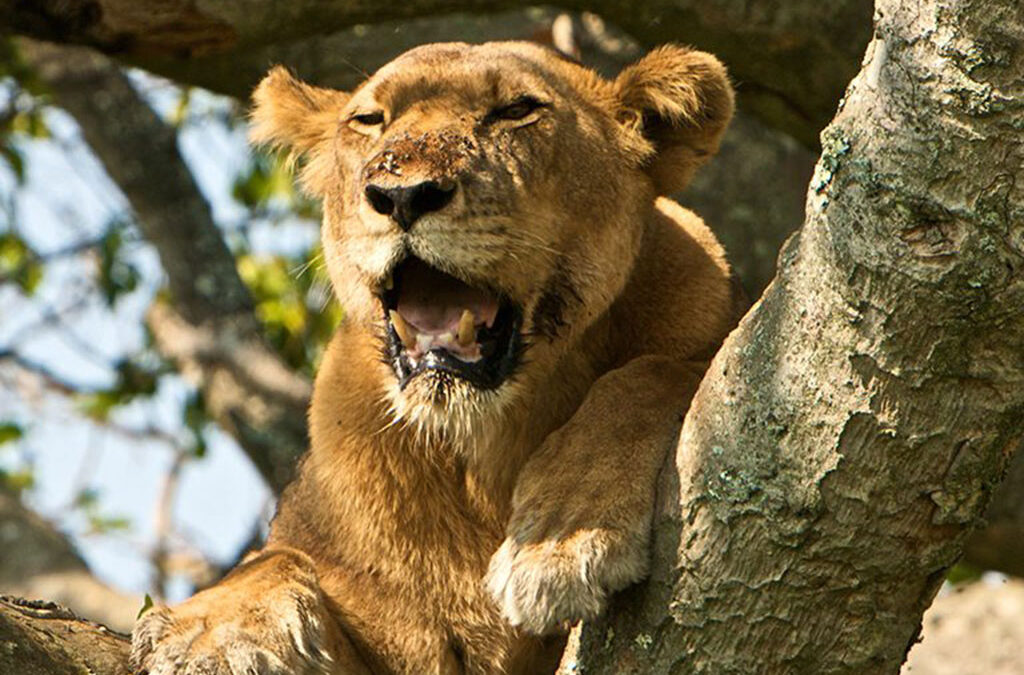
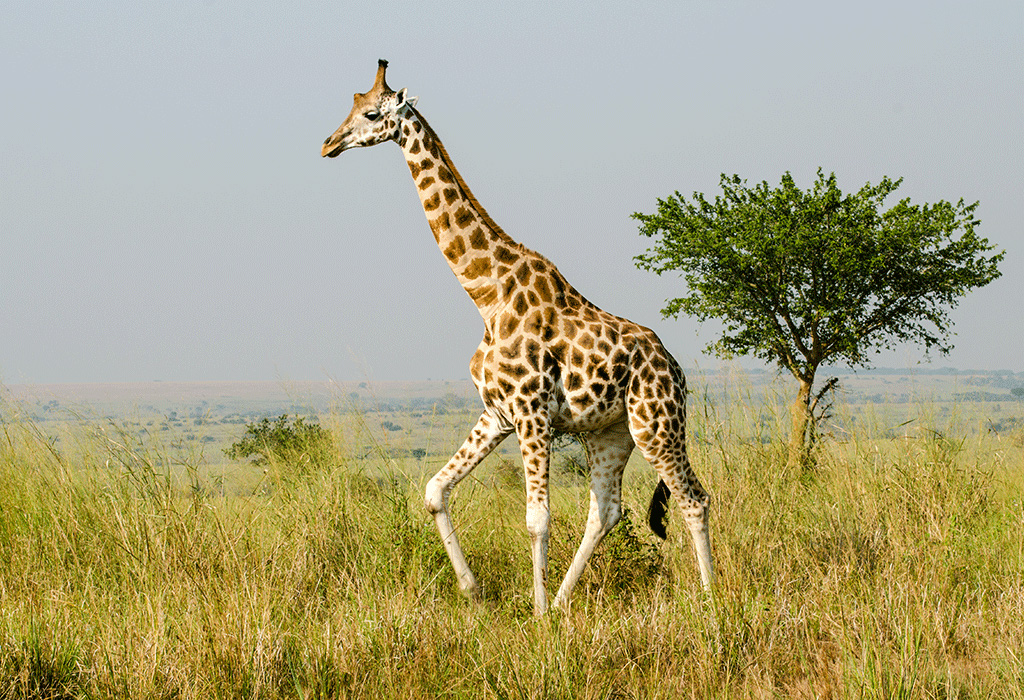
Uganda is one of Africa’s most exciting destinations for big cat photography. While the country is famous for gorilla trekking, it also offers excellent opportunities to photograph lions and leopards in natural and uncrowded environments. Uganda’s national parks are less busy than many other safari destinations, which gives photographers more time, space, and freedom to capture natural animal behavior. Big cat photography safaris in Uganda combine wide savannas, dramatic landscapes, and rich wildlife, making them ideal for both beginner and experienced photographers.
Why Uganda Is Great for Big Cat Photography
Uganda offers a unique mix of open plains, riverbanks, fig tree forests, and rolling savannas. These landscapes create beautiful backgrounds for wildlife photography. The parks are not overcrowded, which allows vehicles to spend more time with animals without pressure. Light conditions are often soft in the mornings and evenings, which is perfect for photography. Big cats in Uganda are also known to behave naturally, giving photographers a chance to capture hunting scenes, resting moments, and interactions within prides.
Queen Elizabeth National Park for Lion Photography
Queen Elizabeth National Park is the best place in Uganda for photographing lions. The park is home to a healthy lion population spread across open plains and woodland areas. The Kasenyi Plains are especially good for early morning photography when lions are active and the grass is still low. The open landscape makes it easier to spot lions and frame clean shots. The park also offers beautiful sunrise and sunset light, which adds depth and color to photos.
Ishasha Sector and Tree Climbing Lions
The Ishasha sector of Queen Elizabeth National Park is world famous for its tree climbing lions. These lions are often seen resting in large fig trees during the day. Photographing lions in trees is rare in Africa, and Ishasha offers one of the best chances to capture this unique behavior. The setting is calm, and the open tracks allow photographers to position their vehicles well for clear angles and strong compositions.
Murchison Falls National Park for Leopards
Murchison Falls National Park is one of the best places in Uganda to photograph leopards. Leopards are shy and often active early in the morning or late in the evening, but Murchison offers good chances to see them along game drive tracks and near riverbanks. The mix of savanna and woodland provides excellent cover for leopards and dramatic lighting for photography. The park is also known for wide skies and strong contrasts, which work well for wildlife images.
Best Time for Big Cat Photography in Uganda
The best time for big cat photography in Uganda is during the dry seasons. These usually run from June to September and from December to February. During these months, grass is shorter, roads are easier to drive, and animals gather near water sources. This makes spotting and photographing big cats easier. Early morning and late afternoon game drives offer the best light and the highest chance of seeing active predators.
Photography Conditions and Light
Uganda’s light conditions are excellent for wildlife photography. Morning light is soft and golden, while evening light adds warmth and shadows that bring images to life. Dust kicked up by animals or vehicles can create dramatic effects in backlit shots. Cloud cover is also common, which helps reduce harsh shadows and gives more balanced exposure for photographers.
Vehicle Positioning and Patience
Successful big cat photography in Uganda often depends on patience. Because parks are less crowded, guides can position vehicles carefully and wait for the right moment. This allows photographers to capture natural behavior instead of rushed shots. Spending time with one animal or pride often leads to better images than moving quickly from sighting to sighting.
Ethical Wildlife Photography
Uganda strongly promotes responsible tourism and ethical wildlife photography. Drivers and guides follow park rules that protect animals and their habitats. Big cats are never chased or disturbed for photos. This ensures that photography safaris are respectful and sustainable. Ethical practices also lead to better images because animals behave naturally when they feel safe.
Combining Big Cat Photography with Other Experiences
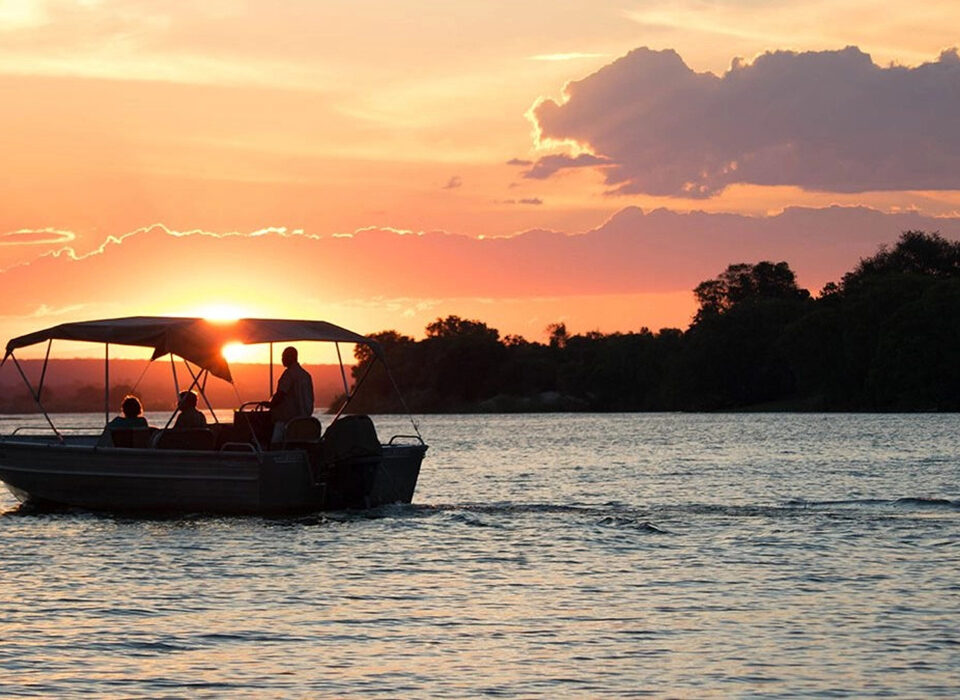
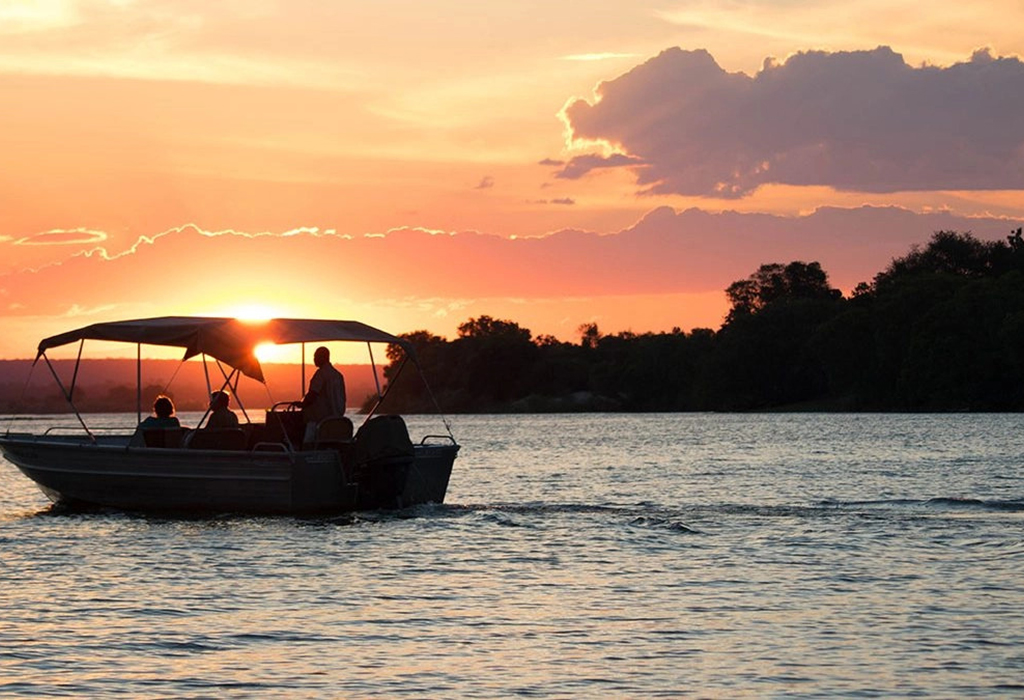
Many travelers combine big cat photography with boat safaris, bird photography, or primate experiences. Boat cruises on the Nile or Kazinga Channel offer chances to photograph animals from water level. Adding different activities makes the trip more balanced and increases photographic variety without taking focus away from big cats.
Who Big Cat Photography Safaris Are For
Big cat photography safaris in Uganda are suitable for beginners, hobby photographers, and professionals. You do not need expensive equipment to enjoy the experience, but having patience and interest in wildlife helps a lot. The calm pace of Uganda’s parks makes learning and improving photography skills easier.
Final Thoughts
Big cat photography safaris in Uganda offer a rewarding and authentic wildlife experience. With open landscapes, unique lion behavior, and strong leopard sightings, Uganda stands out as a photography destination. The relaxed pace, natural animal behavior, and beautiful light make it possible to capture powerful and meaningful images. For photographers who value quality moments over crowded sightings, Uganda is an excellent choice.