
Is Gorilla Trekking in Uganda Worth the High Permit Cost?
January 12, 2026
Is Mgahinga Gorilla National Park good for beginners?
January 12, 2026
Rwanda is one of Africa’s most captivating destinations. This small, landlocked country, bordered by Uganda and Tanzania, offers an incredible mix of natural and cultural wonders. Touch down in Kigali, the vibrant capital, and witness a city that has blossomed from its tragic past into a hub of modern culture. Venture into the lush rainforests to encounter gorillas in the wild, or explore the rolling hills that have earned Rwanda its nickname, the “Land of a Thousand Hills.”
Here’s your complete guide to the best time to visit Rwanda, including climate insights, seasonal highlights, and what to expect during your trip.
When Is the Best Time to Visit Rwanda?
Rwanda is a year-round destination, but the weather can greatly affect your experience. Its subtropical climate keeps temperatures moderate, averaging in the 70s (°F) year-round. The main variation is rainfall, as Rwanda experiences two dry seasons and two rainy seasons.
The best time to visit is during the dry seasons, when outdoor activities are most enjoyable and wildlife sightings are easier.
- Long dry season: June to August. This is the most popular time to visit. Rainfall is minimal, making gorilla trekking, safaris, and lake activities ideal.
- Short dry season: December to February. Rainfall is reduced, particularly in central and eastern Rwanda, making it a great alternative for travelers seeking pleasant weather without the peak-season crowds.
When Is the Worst Time to Visit Rwanda?
While Rwanda’s climate is generally moderate, most travelers prefer to avoid the rainy seasons. These periods can disrupt travel plans, close certain areas in national parks, and make trekking more challenging.
- Long rainy season: March to May, peaking in April. Rain can last several consecutive days, especially in western regions like Nyungwe Forest and Volcanoes National Parks.
- Short rainy season: October to November. Rain returns after the dry months, often with heavy showers and cooler temperatures.
However, if your main goal is chimpanzee trekking or witnessing vibrant landscapes, the rainy seasons offer lush greenery and abundant wildlife.
Visiting Rwanda in Spring
Spring coincides with the long rainy season (March to May), marking the country’s low travel season.
Expect moderate temperatures in the low 70s (°F), but daily rainfall is frequent. Western highlands receive more rain than the east, which may affect visits to parks like Nyungwe and Volcanoes.
Why visit in spring:
- The forests are at their greenest, with abundant food for wildlife.
- Chimpanzee spotting is excellent in Nyungwe Forest.
- Harvest season tours offer a chance to explore Rwanda’s tea farms and agricultural landscapes.
Pack a rain jacket and prepare for muddy trails, but enjoy fewer crowds and spectacular natural scenery.
Visiting Rwanda in Summer
The summer months (June to August) align with the long dry season, making this the most popular travel period.
- Rainfall is minimal, with only a few days of rain per month.
- Temperatures range between 70–80°F, slightly cooler in mountainous regions.
- Outdoor activities, including gorilla and golden monkey trekking, safaris in Akagera, and visits to Lake Kivu, are at their best.
Tips for summer travel:
- Expect larger crowds, especially at Volcanoes National Park, where daily gorilla permits are limited.
- Book accommodations and tours well in advance to secure your spot.
Summer is ideal for a classic Rwandan adventure with reliable weather and excellent wildlife encounters.
Visiting Rwanda in Fall
Fall (September to November) spans two seasons, so weather varies depending on the month.
- September is still relatively dry and is a great time for cultural experiences, including Kwita Izina, the naming ceremony for newborn gorillas.
- October and November mark the short rainy season, bringing sporadic showers and cooler temperatures.
Regional variations matter:
- Nyungwe Forest and Volcanoes National Parks see increased rainfall, perfect for chimpanzee trekking.
- Akagera National Park remains dry enough for classic safari experiences, including spotting the Big Five.
Fall offers fewer crowds and a balance between wildlife viewing and cultural experiences.
Visiting Rwanda in Winter
Rwanda’s short dry season (December to February) provides another excellent window for travel.
- Central and eastern regions enjoy a break from the rain, while western highlands remain slightly wet.
- Temperatures stay moderate in the 70s (°F), though nights can be cooler in the mountains.
- Wildlife spotting, gorilla trekking, and city sightseeing in Kigali are ideal during this period.
Winter is perfect for travelers seeking pleasant weather outside the peak tourist months, with fewer crowds and manageable trails.
Attractions and Things to Do in Rwanda
Rwanda offers a variety of experiences, from wildlife encounters to cultural immersion and historical tours. Some highlights include:
Gorilla Trekking at Volcanoes National Park
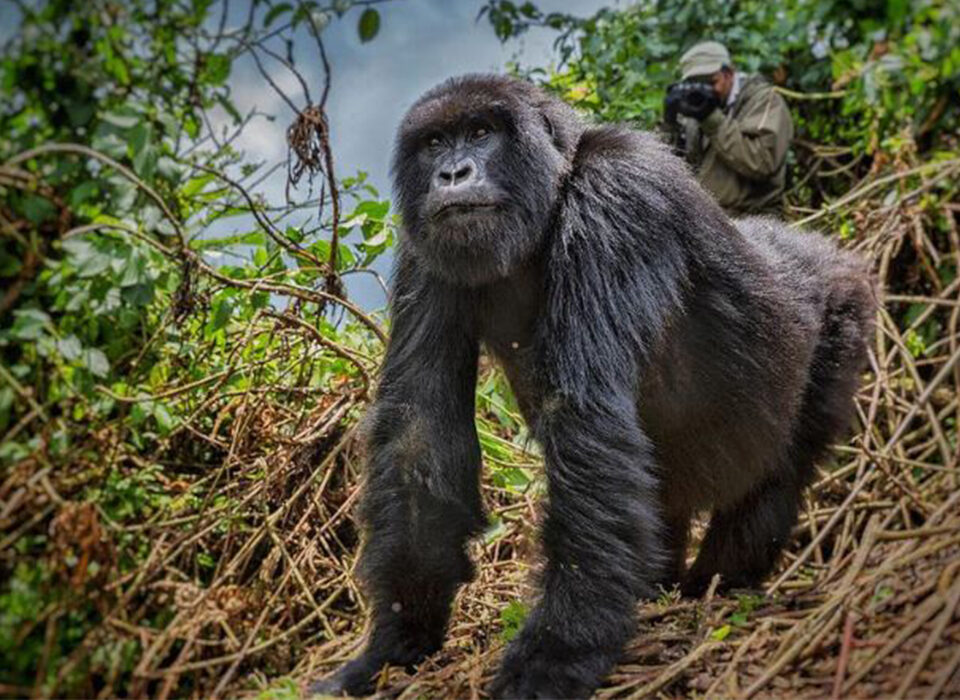
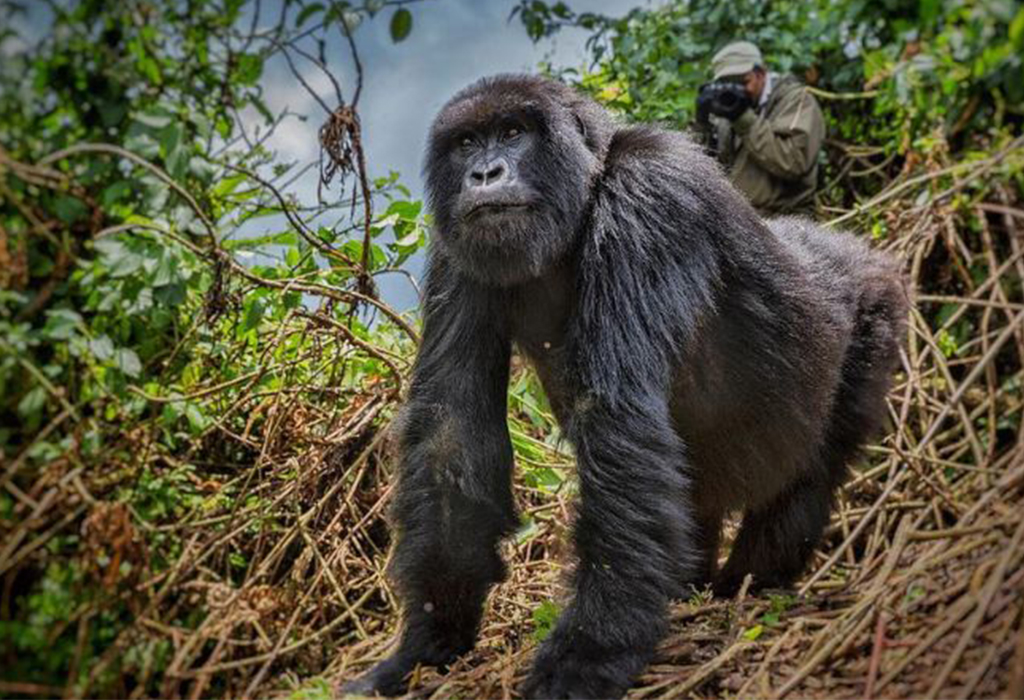
Trek through misty trails to see mountain gorillas up close. These gentle giants are habituated to humans, creating unforgettable encounters.
Chimpanzee Tracking at Nyungwe Forest National Park
Explore dense rainforest canopies to observe playful chimpanzees. The rainy season brings abundant food, increasing your chances of sightings.
Relax at Lake Kivu
One of Africa’s Great Lakes, Lake Kivu is perfect for kayaking, fishing, or simply relaxing along its scenic shores.
Visit the King’s Palace Museum
Step back in time at Nyanza City to see traditional royal residences, Belgian-era architecture, and the famous Inyambo Royal Cows.
Experience Rwandan Culture
Immerse yourself in local traditions through music, dance, and storytelling at cultural villages. Learn about the history, crafts, and daily life of Rwandans.
Bottom Line: Best Time to Visit Rwanda
Rwanda is a year-round destination, but the dry season offers the most reliable weather for outdoor adventures, including gorilla trekking, safaris, and lake visits. The long dry season (June–August) is the most popular, while the short dry season (December–February) provides excellent weather with fewer crowds.
The rainy seasons may be less convenient for travel, but they bring lush landscapes and abundant wildlife, making them ideal for chimpanzee trekking and nature photography.
Plan your trip based on the activities you most want to experience, and Rwanda will reward you with its extraordinary landscapes, wildlife, and culture.
Frequently Asked Questions
What is the rainy season in Rwanda?
Rwanda experiences two rainy seasons: the long rainy season (March–May) and the short rainy season (October–November). Rainfall can range from heavy downpours to short sporadic showers.
How long is the rainy season in Rwanda?
In total, Rwanda has about five to six months of rain, split into the long and short rainy seasons.
Which months should you avoid visiting Rwanda?
For travelers seeking dry weather, it’s best to avoid March to May (long rainy season) and October to November (short rainy season). However, these months can be excellent for wildlife viewing, especially chimpanzees and birds.
When is the best time to see gorillas?
Gorilla trekking is ideal during the dry seasons, June to August and December to February, when trails are less muddy and visibility is better.