Why Visiting Uganda is a Unique Safari
October 3, 2025
Where You Should Stay for Gorilla Trekking in Bwindi
October 6, 2025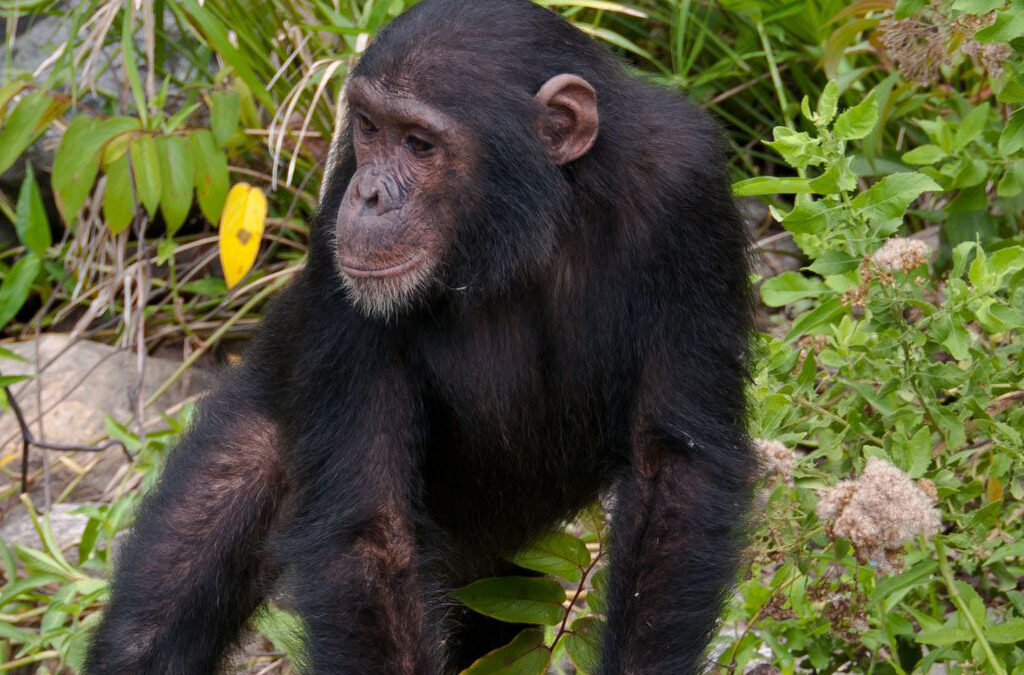
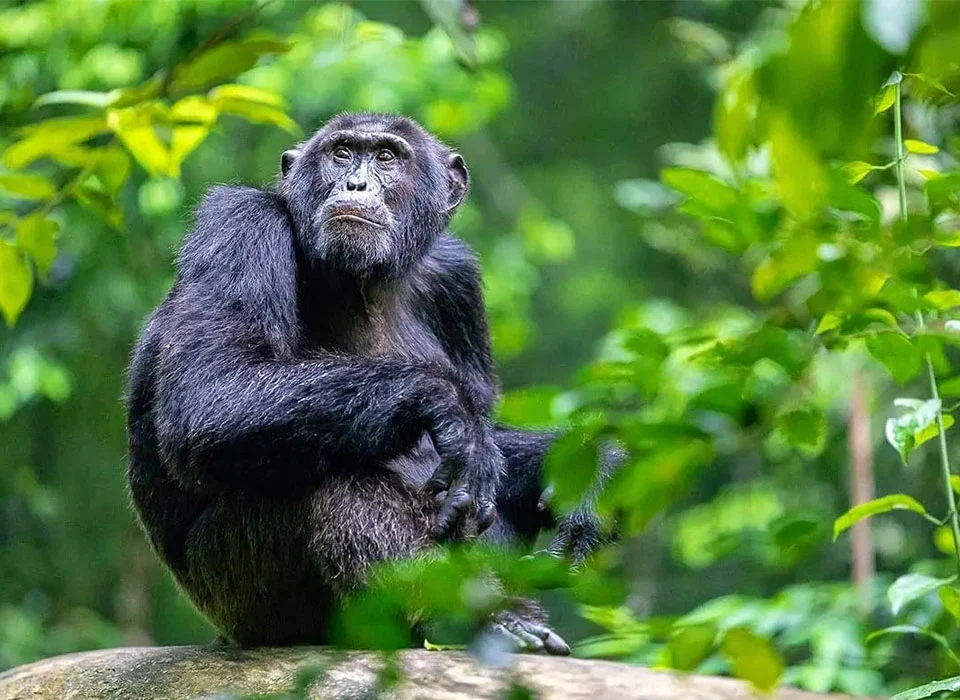
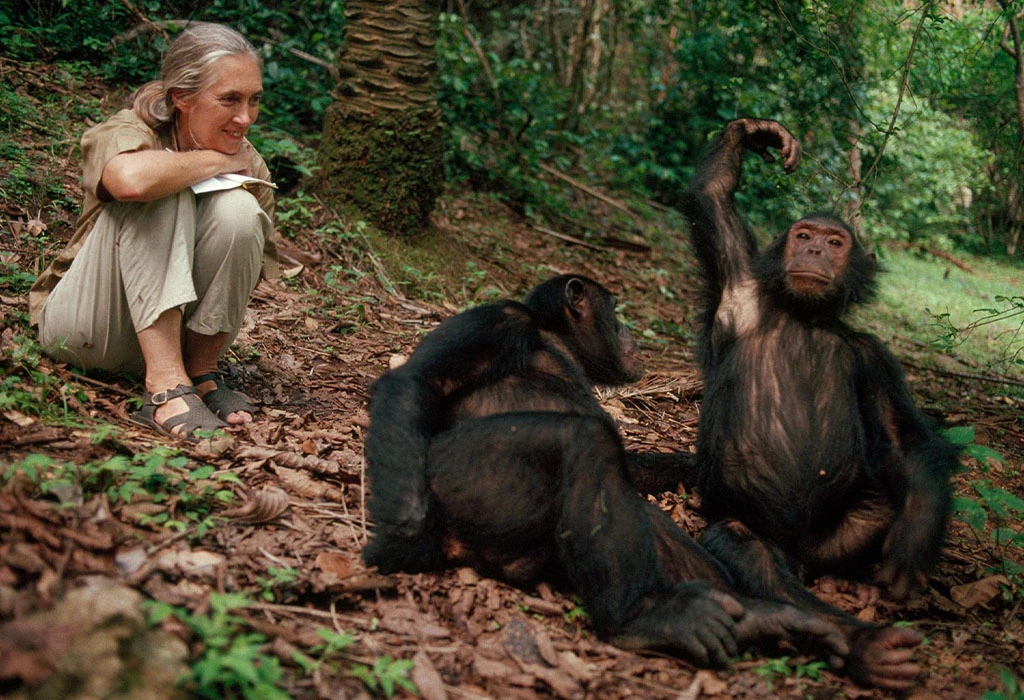
Chimpanzee trekking offers one of the most thrilling wildlife experiences in Africa, allowing visitors to observe our closest living relatives in their natural habitat. These intelligent primates share approximately 98% of their DNA with humans, making encounters with them profoundly moving and memorable.
While chimpanzee trekking is available year-round in various African destinations, timing your visit strategically can significantly enhance your experience. Understanding the seasonal variations, weather patterns, and chimpanzee behavior helps you choose the optimal time for your adventure, ensuring better trail conditions, improved visibility, and more rewarding wildlife sightings.
The Dry Season: The Best Time for Chimpanzee Trekking
The dry season, spanning from June to August and December to February, is widely regarded as the best and most popular time for chimpanzee trekking across most African destinations. It provides comfortable weather, easy hiking conditions, and exceptional viewing opportunities.
Minimal Rainfall and Easier Trails
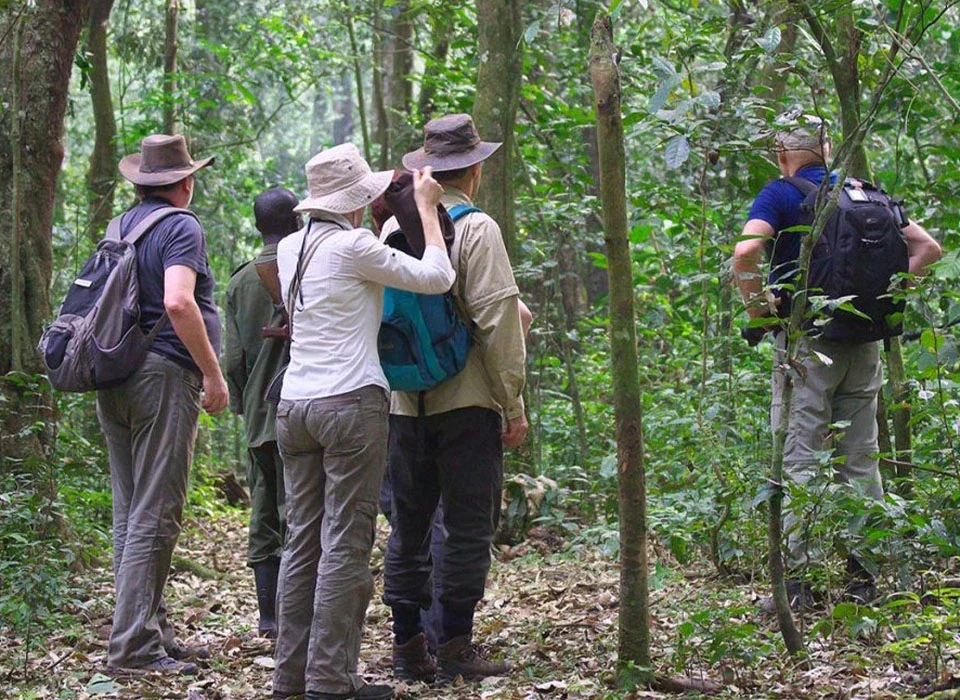
During the dry season, rainfall is minimal, which means drier and more manageable trails. Forest paths that can become muddy and slippery during rainy months remain relatively firm and stable. This makes navigation easier and reduces the physical strain of hiking through challenging terrain. For travelers who may not consider themselves athletic or prefer a less strenuous adventure, the dry season offers ideal trekking conditions.
Improved Forest Visibility
Another major advantage of trekking during the dry season is the improved visibility within the forest. With less rainfall, the vegetation becomes thinner and less dense, creating better sightlines for observing and photographing chimpanzees. The reduced foliage also allows sunlight to penetrate the forest canopy, providing excellent lighting conditions for photography enthusiastseager to capture stunning images of these fascinating primates.
More Predictable Weather
The predictable weather patterns of the dry season make it easier to plan your trek with confidence. Although no season can guarantee perfect conditions, the reduced likelihood of rain means your trek is less likely to be interrupted by sudden downpours. This stability allows you to enjoy your wildlife encounter without worrying about soaked equipment or muddy gear.
Chimpanzee Behavior in the Dry Season
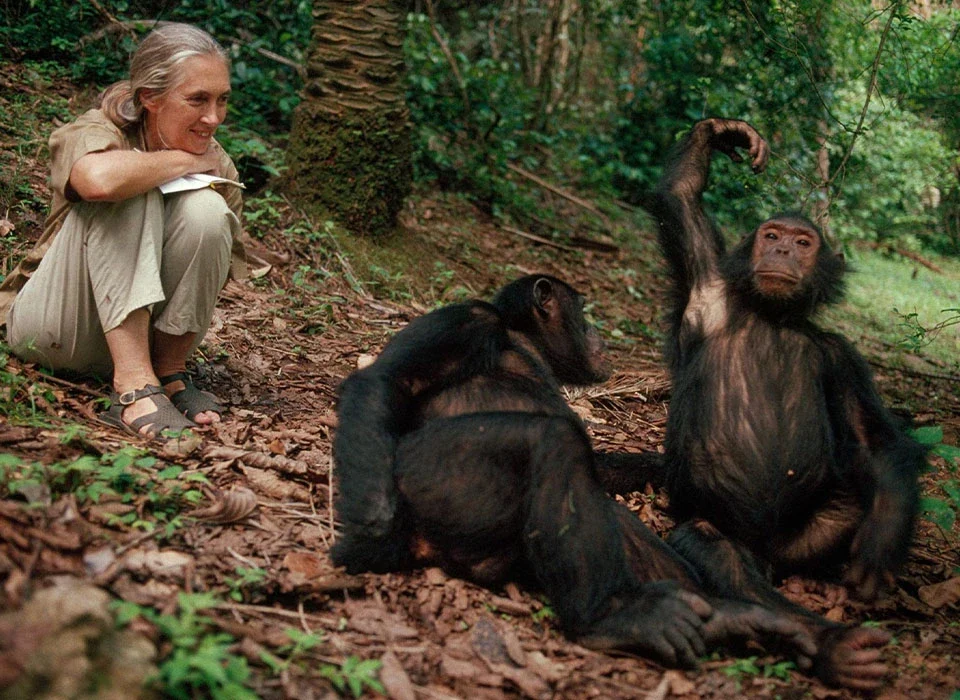
Chimpanzees tend to be more active during the cool morning hours of the dry season. As they emerge from their overnight nests, they begin feeding, grooming, and playing—behaviors that offer trekkers dynamic and engaging observations. Watching juveniles swing through the trees or adults forage for food provides an unforgettable glimpse into their social world.
Drawbacks of the Dry Season
Despite its advantages, the dry season coincides with peak tourist months. Trekking permits and accommodations often sell out quickly, especially in renowned destinations like Kibale Forest National Park or Gombe Stream National Park. Prices also rise significantly due to high demand. Travelers planning to trek during these months should book permits and lodges well in advance, ideally six months to a year before their intended visit.
The Wet Season: A Different but Rewarding Experience
The wet season, occurring from March to May and September to November, offers a completely different chimpanzee trekking experience. While many travelers overlook this period, it presents unique benefits for those seeking flexibility, affordability, and a more tranquil atmosphere.
Shorter and Easier Treks
During the wet season, chimpanzees have abundant food and water within close range of their nesting sites. As a result, they move shorter distances, which often leads to shorter trekking timesfor visitors. This is especially advantageous for those with limited mobility or time constraints.
Greater Permit Availability
With fewer tourists visiting during the wet months, trekking permits become more accessible. Last-minute bookings that are nearly impossible during the dry season are easily available. This flexibility benefits spontaneous travelers or those planning trips on shorter notice.
A Budget-Friendly Option
Budget-conscious travelers will appreciate the lower costs during the wet season. Many lodges and tour operators offer discounts—sometimes reducing prices by up to 30%—to attract visitors despite the rain. This makes chimpanzee trekking more affordable without compromising the experience.
Lush and Vibrant Forest Scenery
The wet season transforms the forest into a lush green paradise. Heavy rainfall rejuvenates the vegetation, creating a vibrant environment filled with colorful flora and diverse wildlife. The forest teems with life, including numerous bird species, butterflies, and smaller mammals, making it a perfect time for nature enthusiasts and photographers seeking more than just chimpanzees.
Challenges of Wet Season Trekking
The main challenges during the wet season include muddy and slippery trails andunpredictable weather. Frequent rain can make hiking more strenuous, even for fit individuals. Waterproof gear becomes essential, and trekkers must stay cautious on steep or uneven paths. Additionally, dense vegetation can reduce visibility, and dim light under the canopy makes photography more difficult.
Regional Variations in Trekking Seasons
Chimpanzee trekking destinations across Africa experience slightly different climatic patterns, so understanding the regional variations is crucial for planning your trip.
- Uganda: The main dry seasons run from June to August and December to February, offering the best trekking conditions. The wet seasons (March–May and September–November) bring heavier rains that can affect accessibility but enhance forest beauty.
- Tanzania: In destinations such as Gombe Stream and Mahale Mountains National Parks, the dry season extends from June to October, providing a longer window of optimal trekking. The wet season lasts from November to May, creating more challenging conditions but rewarding scenery.
Optimal Time of Day for Trekking
No matter the season, the time of day you choose for your trek greatly impacts your experience.
Morning Treks
Morning treks, typically starting around 8:00 a.m., are considered thebest time for chimpanzee encounters. During these hours, chimpanzees are most active—feeding, grooming, and socializing. The cooler temperatures also make trekking more comfortable, and the soft morning light enhances visibility and photography opportunities.
Afternoon Treks
Afternoon treks usually begin around 2:00 p.m. By this time, chimpanzees tend to be less active, often resting or grooming in the shade. While afternoon treks can still yield sightings, the experience is generally more relaxed and less dynamic compared to the morning hours.
Making the Best Decision
Choosing the best time for chimpanzee trekking ultimately depends on your priorities, budget, and flexibility.
- If you value comfortable trail conditions, predictable weather, and excellent photography opportunities, the dry season is your best option just be sure to book early.
- If you prefer lower costs, fewer crowds, and a chance to experience the forest at its most lush and biodiverse, the wet season can be an equally rewarding alternative.
Whether you trek under bright blue skies or through the misty embrace of the rainforest, chimpanzee trekking promises an unforgettable journey one that connects you deeply with nature and reminds you of the remarkable kinship between humans and these incredible primates.