

Golden Monkey Tracking in Rwanda
December 10, 2025
Tips for Women Travellers in Uganda 2026
December 10, 2025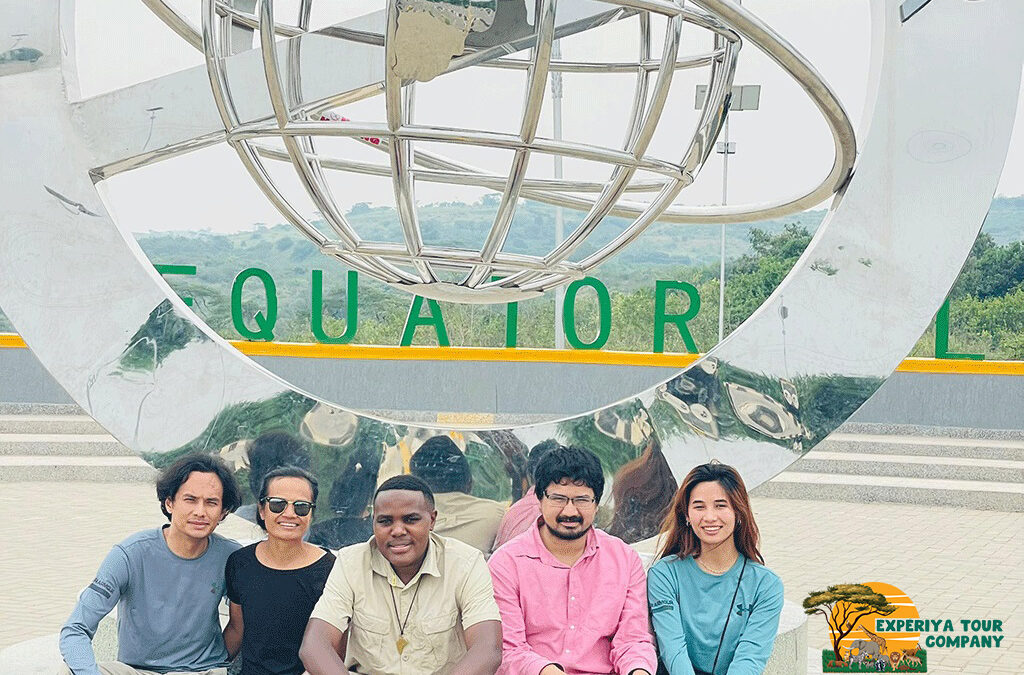
Best Stopovers on Safari in Uganda
Uganda’s safari routes rank among the most scenic and rewarding in East Africa. Whether you travel from Kampala toward the western safari circuit or explore the northern parks, the journey itself becomes an unforgettable part of the adventure. Along the way, several remarkable stopovers offer cultural insights, panoramic views, delicious food, and refreshing rest points. These stops allow you to stretch, connect with local communities, and appreciate the beauty of Uganda’s heartland.
Below are the best stopovers to include on your safari in Uganda—each one adding depth, value, and delight to your experience.
1. The Uganda Equator – Kayabwe
The Uganda Equator at Kayabwe is one of the country’s most iconic and educational stopovers, conveniently located along the Kampala–Masaka highway. It is the perfect break for travelers heading toward Lake Mburo, Queen Elizabeth, Bwindi Impenetrable, and Mgahinga Gorilla National Parks. Here, you can stand in both the Northern and Southern Hemispheres, take memorable photographs beside the famous Equator signpost, watch fascinating Coriolis-effect demonstrations, and browse craft shops with handmade souvenirs. With several cafés and rest areas, this stopover adds cultural enrichment and refreshment to your journey.
2. Mpambire Drum Makers Village
Mpambire Village, located along the southwestern route, is known for its centuries-old tradition of royal drum making. Baganda artisans bend wood, stretch hides, and carve intricate patterns to create beautiful, culturally significant drums. Visiting Mpambire gives you a chance to witness authentic craftsmanship, learn the role of drums in ceremonies and celebrations, and support local artisans dedicated to preserving this heritage. It’s a meaningful cultural pause that adds depth to your safari experience.
3. Igongo Cultural Centre – Mbarara
Igongo Cultural Centre, situated just outside Mbarara, celebrates the heritage of the Ankole region. Many travelers heading toward Uganda’s western national parks stop here to explore the well-curated museum featuring traditional homesteads, tools, and royal regalia. You can also enjoy delicious regional dishes, including Eshabwe and Karo, and relax in the well-maintained gardens and modern facilities. Igongo offers the perfect blend of culture, comfort, and cuisine.
4. Great Lakes Museum – Kikorongo
The Great Lakes Museum in Kikorongo is a fascinating stopover as you approach Queen Elizabeth National Park. It provides an enriching look into the cultures of tribes such as the Banyoro, Batooro, and Basongora. Visitors can explore traditional huts, study exhibits about communities around the Rwenzori Mountains, and enjoy sweeping views of the savannah and Lake George. It is an ideal spot to pause, learn, and take in the breathtaking landscapes before entering the park.
5. Rwenzori Mountain Viewpoints
Travelers heading toward Kasese, Fort Portal, or Rwenzori Mountains National Park often pause at scenic viewpoints that dot the foothills. These elevated stops offer clear views of the snowcapped Rwenzori peaks, sweeping panoramas of rivers and valleys, and magical moments when the mist lifts to reveal dramatic landscapes. Stopping here helps you appreciate the beauty of the Albertine Rift before continuing your journey.
6. Fort Portal Tourism City
Fort Portal, Uganda’s Tourism City, blends comfort, culture, and stunning scenery. Nestled in the crater-lake region, it offers easy access to Kibale National Park, Semuliki Wildlife Reserve, and the Rwenzori Mountains. The city features excellent restaurants, lively markets, calm walkable streets, and easy detours to attractions such as the Amabere Caves, Tooro Botanical Gardens, and crater viewpoints. Fort Portal is ideal for relaxation and exploration between safari destinations.
7. Mahoma Falls & Crater Lakes – Fort Portal Outskirts
Just outside Fort Portal, a chain of crater lakes and hidden waterfalls create peaceful, scenic stopovers. Travelers can walk along quiet nature trails, capture photographs of volcanic landscapes, enjoy cool mountain air, and interact with welcoming local communities. These areas offer perfect picnic spots and memorable nature retreats.
8. Mityana–Mubende Route
The Mityana–Mubende road, often used by travelers heading toward Kibale or Fort Portal, offers several tranquil stopover points. The route passes through lush tea plantations, colorful roadside fruit markets, and bird-rich wetlands such as Katogo. It is a quieter, more serene alternative to the busier Masaka highway, making the journey feel more nature-filled and refreshing.
9. Ziwa Rhino Sanctuary
For travelers heading to Murchison Falls or Kidepo Valley National Parks, Ziwa Rhino Sanctuary is one of the most rewarding stopovers. It is the only place in Uganda where you can track wild rhinos on foot. A stop here offers an unforgettable rhino-tracking experience, the opportunity to complete the Big Five, birding trails, nature walks, and peaceful picnic areas. Ziwa adds conservation value and unique wildlife encounters to your safari.
10. Stopovers on the Way to Eastern Uganda
Eastern Uganda offers several memorable stopovers for travelers heading toward Mount Elgon, Sipi Falls, or Pian Upe Wildlife Reserve. These include Mabira Forest, ideal for forest walks, birding, and zip-lining; Lugazi Tea Estates, which provide spectacular photography opportunities; Jinja City, Africa’s adventure capital with rafting, bungee jumping, and Nile cruises; and the scenic Sipi Falls viewpoints, where dramatic waterfalls and sweeping plains welcome you before you even reach the hiking trails.
Why Stopovers Matter on a Ugandan Safari
Safari routes in Uganda stretch across diverse landscapes—from rolling hills and dense forests to vast savannahs and glittering lakes. Carefully chosen stopovers enhance your journey by offering cultural interaction, historical knowledge, scenic appreciation, and a smoother travel rhythm. When planned well, these short breaks make your safari more meaningful, more comfortable, and far more memorable. They allow you to experience Uganda beyond its parks—one captivating stop at a time.
