


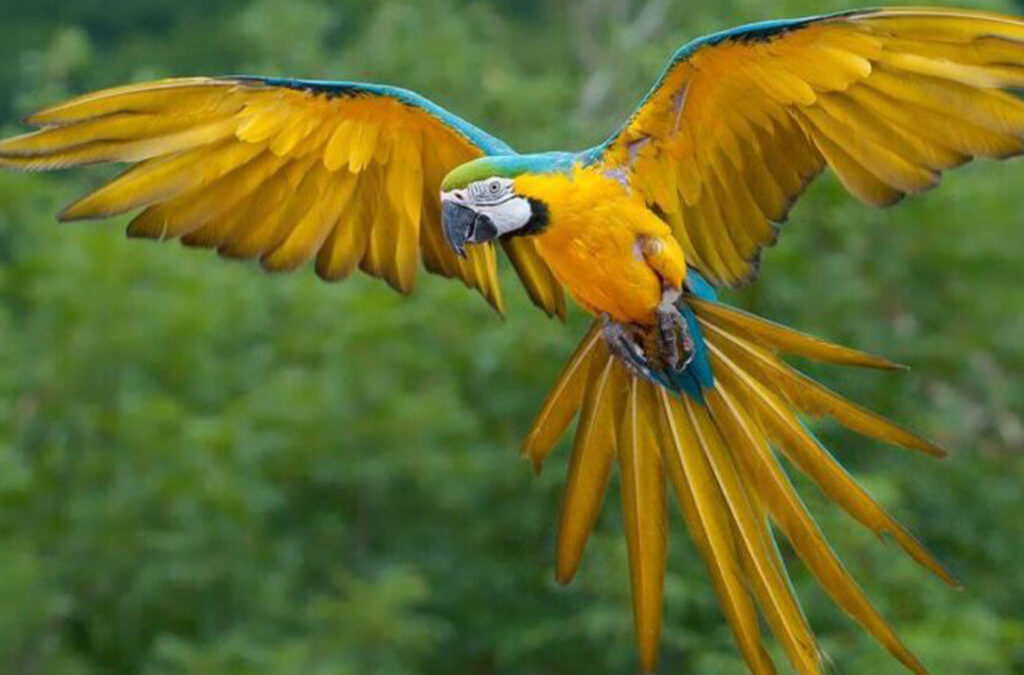
Rwanda is one of Africa’s most rewarding birding destinations. With over 700 recorded bird species, including 29 Albertine Rift endemics, the country delivers an unforgettable birdwatching experience across diverse and breathtaking landscapes. From the ancient rainforests of Nyungwe to the open savannah plains of Akagera, Rwanda packs exceptional biodiversity into a small, easy-to-explore country.
Whether you are a seasoned birder or just discovering the joy of birdwatching, Rwanda promises rare species, close encounters, and stunning scenery at every turn.
Why Birding in Rwanda Is So Special
Rwanda’s location within the Albertine Rift, one of Africa’s most important biodiversity hotspots, makes it a prime destination for birdwatchers. Here, you can spot a remarkable variety of species, many of which are endemic and found nowhere else on Earth.
Rwanda’s strong commitment to conservation and eco-tourism also plays a big role in the quality of birding experiences. Protected habitats mean healthier ecosystems, thriving bird populations, and more reliable sightings.
Birding in Rwanda is about more than ticking species off a list. As you explore mist-covered mountains, peaceful wetlands, and rolling green hills, the scenery becomes just as memorable as the birds. Even better, Rwanda’s compact size and good road network make it easy to travel between key birding hotspots.
Nyungwe Forest National Park – A Birdwatcher’s Paradise
Nyungwe Forest National Park is Rwanda’s premier birding destination. This ancient montane rainforest shelters more than 300 bird species, including 27 Albertine Rift endemics.
One of the biggest highlights is the Great Blue Turaco, famous for its dazzling blue and green plumage as it glides through the forest canopy. Other sought-after species in Nyungwe include the Rwenzori Turaco, Red-collared Babbler, and Grauer’s Swamp Warbler.
Well-maintained trails and experienced local guides make birding here both productive and enjoyable. The canopy walkway offers a unique perspective, allowing birders to observe species at eye level high above the forest floor.
Beyond birding, Nyungwe also offers chimpanzee trekking and scenic forest hikes, making it a well-rounded nature destination.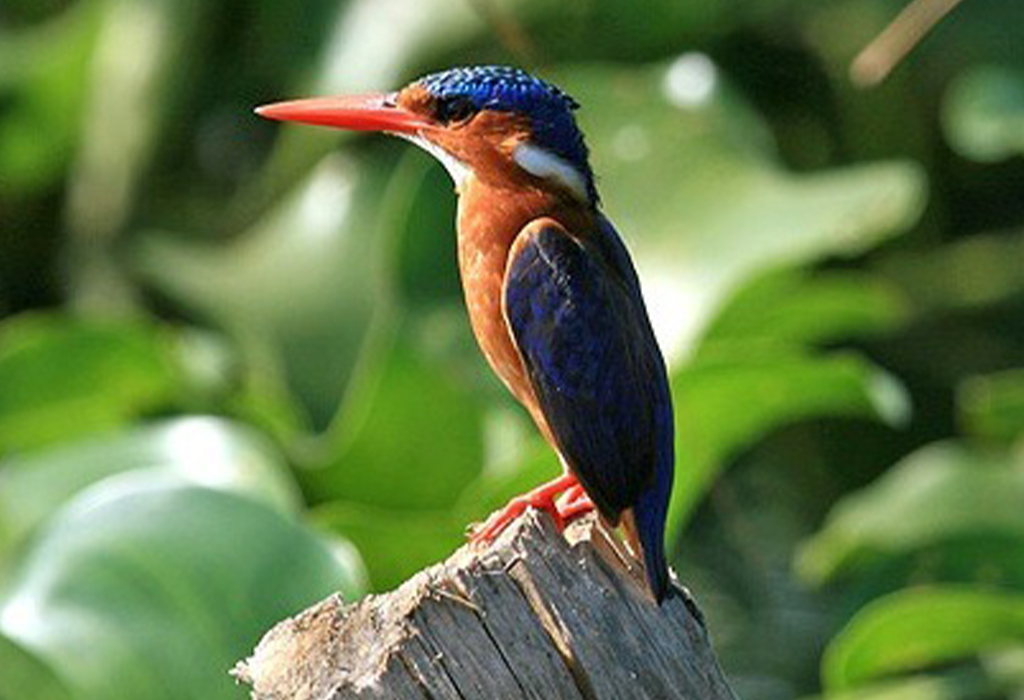
Akagera National Park – Savannah and Wetland Birding
In contrast to Nyungwe’s dense forests, Akagera National Park offers classic savannah and wetland habitats. The park boasts more than 480 bird species, making it one of East Africa’s most diverse birding areas.
Akagera is especially famous for the rare and prehistoric-looking Shoebill Stork, often seen in the park’s papyrus swamps. Birders can also look out for the African Fish Eagle, Papyrus Gonolek, Red-faced Barbet, and a wide variety of herons, kingfishers, and egrets.
Because Akagera is also home to the Big Five, birding here often takes place alongside game drives, giving visitors the chance to see lions, elephants, buffaloes, giraffes, and more in the same day.
Volcanoes National Park – Home of Albertine Rift Endemics
Best known for mountain gorilla trekking, Volcanoes National Park is also an excellent high-altitude birding destination. Its bamboo forests and montane vegetation host several Albertine Rift endemics.
Notable species include the Rwenzori Turaco, Handsome Francolin, Rwenzori Double-collared Sunbird, and Red-throated Alethe. Birding here is often combined with gorilla trekking, creating a truly unforgettable wildlife experience in Rwanda’s dramatic volcanic landscapes.
Gishwati-Mukura National Park – A Hidden Forest Gem
As one of Rwanda’s newest national parks, Gishwati-Mukura remains a hidden treasure for birders. Its recovering montane forests provide habitat for rare and localized species that are harder to find elsewhere.
Birders may encounter Grauer’s Swamp Warbler, Mountain Yellow Warbler, Rwenzori Batis, and Purple-breasted Sunbird. Because visitor numbers are still low, birding in Gishwati-Mukura feels peaceful, intimate, and highly rewarding.
Rugezi Marsh – A Wetland Bird Haven
Rugezi Marsh, a designated Ramsar Site, is one of Rwanda’s most important wetland ecosystems. This area is especially rewarding for birders who enjoy waterbirds and papyrus specialists.
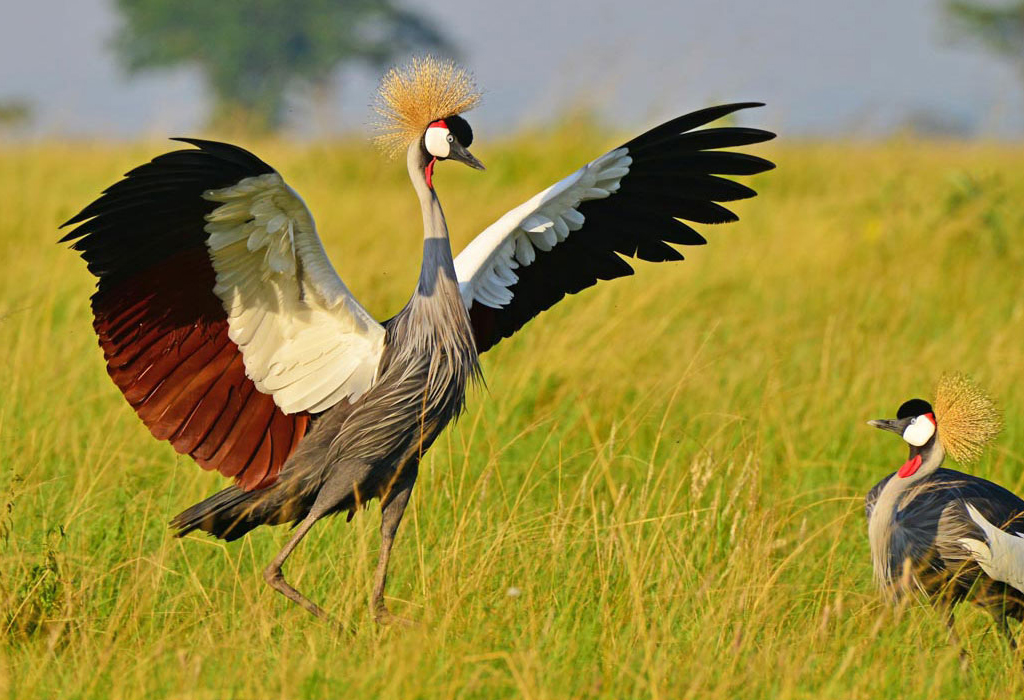
Key species include the Grey Crowned Crane, Papyrus Gonolek, White-winged Swamp Warbler, and African Marsh Harrier. The mix of open water, reed beds, and papyrus swamps supports an impressive diversity of birdlife in a scenic highland setting.
Bugesera Wetlands – A Migratory Bird Sanctuary
The Bugesera Wetlands in southern Rwanda provide critical habitat for both resident and migratory birds. During migration season, the area becomes even more vibrant and species-rich.
Birders frequently spot African Fish Eagles, Papyrus Gonoleks, White-winged Swamp Warblers, and numerous herons and egrets. Boat rides and guided nature walks make birding here relaxed, scenic, and highly productive.
How to Get to Rwanda’s Birding Sites
Most travelers arrive through Kigali International Airport. From there, Rwanda’s excellent road network makes travel between birding destinations straightforward and comfortable.
The drive from Kigali to Nyungwe takes about five hours, while Akagera National Park is roughly two and a half hours away. Volcanoes National Park can also be reached in about two and a half hours.
For faster and more scenic transfers, helicopter services operate to major parks, offering breathtaking aerial views of Rwanda’s hills and forests. Experiya Tour Company arranges private transfers and guided birding tours to ensure a smooth and stress-free journey.
Best Time for Birding in Rwanda
Birding in Rwanda is excellent year-round. The dry seasons from June to September and December to February offer easier hiking conditions and better visibility along forest trails.
The wet seasons from March to May and October to November bring lush green landscapes and are especially good for spotting migratory species. Between November and April, birders can see many migratory birds that are not present at other times of the year.
How Long to Spend Birding in Each Park
Most birding excursions in Rwanda last from half a day to a full day, with early mornings and late afternoons being the most productive times.
In Nyungwe, half-day forest birding walks are common along specialized trails. In Akagera, a full-day game drive combined with birding offers the best results. In Volcanoes National Park, half-day highland forest birding trips are popular, especially when combined with other activities.
Longer stays always increase your chances of spotting rare and elusive species.
Is Birding in Rwanda Safe?
Yes, Rwanda is widely considered one of Africa’s safest travel destinations. National parks are well managed, guides are professional and trained, and tourism infrastructure is reliable.
As with any wildlife experience, visitors should always follow park rules and listen to their guide’s instructions to ensure a safe and responsible birding adventure.
Where to Stay During Your Birding Trip
Rwanda offers accommodation options for every budget and travel style, from luxury lodges to comfortable midrange hotels and budget-friendly guesthouses.
High-end travelers can enjoy exclusive stays at places like One&Only Nyungwe House, Bisate Lodge near Volcanoes National Park, and Magashi Camp in Akagera. Midrange options include Five Volcanoes Boutique Hotel and Emeraude Kivu Resort, while budget travelers can choose welcoming spots like Red Rocks Hostel and Inzu Lodge.
What to Expect While Birding in Rwanda
Travelers can expect warm hospitality, clean and organized towns, and well-structured tourism services. English and French are widely spoken, making communication easy for international visitors.
The climate is generally mild throughout the year, especially in the highlands, though rain showers are common during the wet seasons.
Essential Tips for Birding in Rwanda
Hiring an experienced local birding guide greatly improves your chances of spotting rare species and correctly identifying birds. Bringing good binoculars and a camera with a zoom lens will enhance your experience, especially in forest environments.
Comfortable hiking shoes are essential for forest trails, and wearing neutral-colored clothing helps you blend into the environment. Moving quietly and being patient are key to successful birdwatching. It is also important to stay hydrated, use sun protection, and always respect wildlife and local communities.
Plan Your Birding Trip with Experiya Tour Company
Ready to explore Rwanda’s incredible birdlife? Experiya Tour Company specializes in tailor-made birding safaris led by knowledgeable local guides. From forest endemics in Nyungwe to wetland rarities in Akagera and Rugezi, Experiya ensures you experience the very best of Rwanda’s birdwatching.
Contact Experiya Tour Company today to start planning your unforgettable birding adventure in Rwanda.
