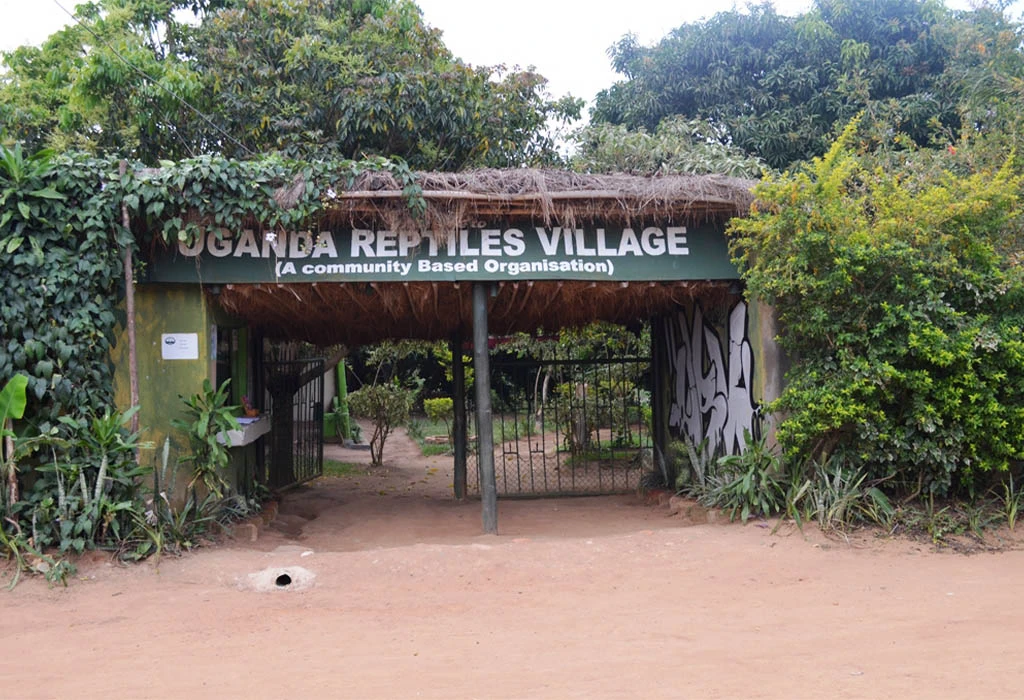
Uganda Reptiles Village Tour with Experiya Tour Company
May 8, 2026
Reasons Why You Should Visit Queen Elizabeth National Park
May 8, 2026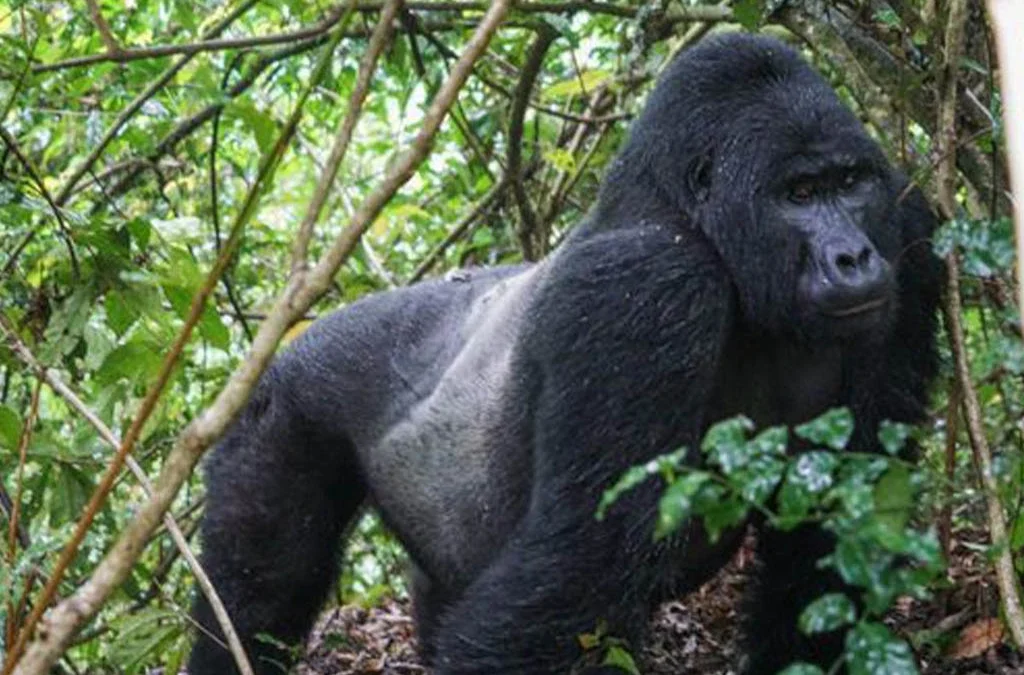
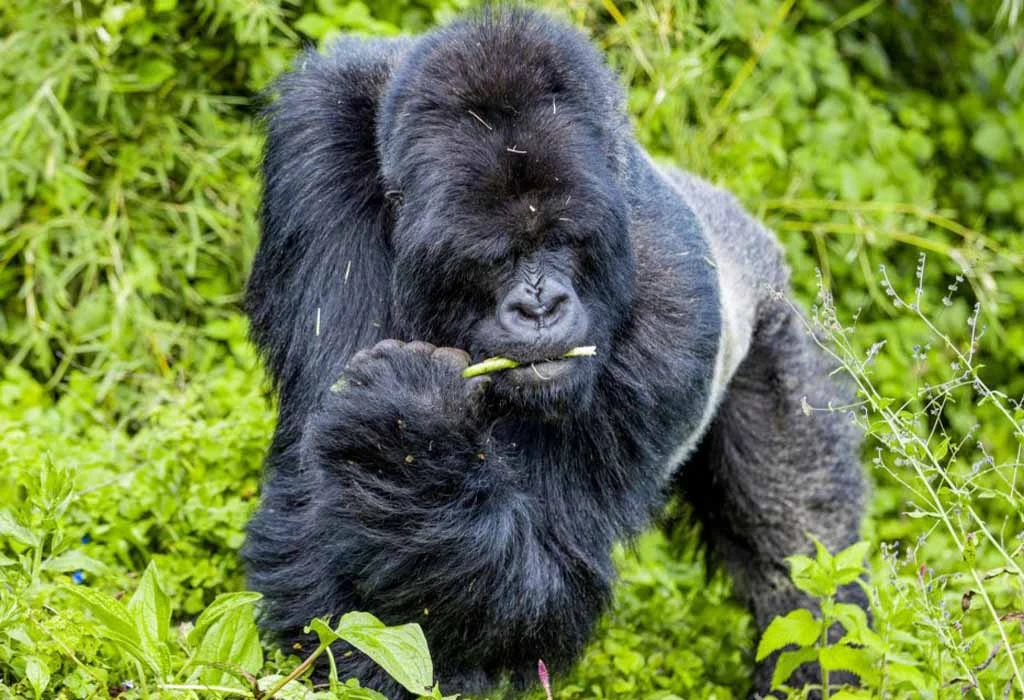
Silverback gorillas are the mature, dominant males that lead mountain gorilla families, and seeing one in the wild is one of Africa’s most powerful wildlife encounters. In 2026, Uganda, Rwanda, and the Democratic Republic of Congo (DR Congo) remain the only destinations where you can track these magnificent primates in their natural habitat. Each country offers a unique experience, yet Uganda’s Bwindi Impenetrable National Park continues to stand out as the most rewarding and accessible choice.
With Experiya Tour Company, travelers can enjoy carefully curated gorilla trekking experiences that combine adventure, conservation, and authentic connection with nature.
What Is a Silverback Gorilla?
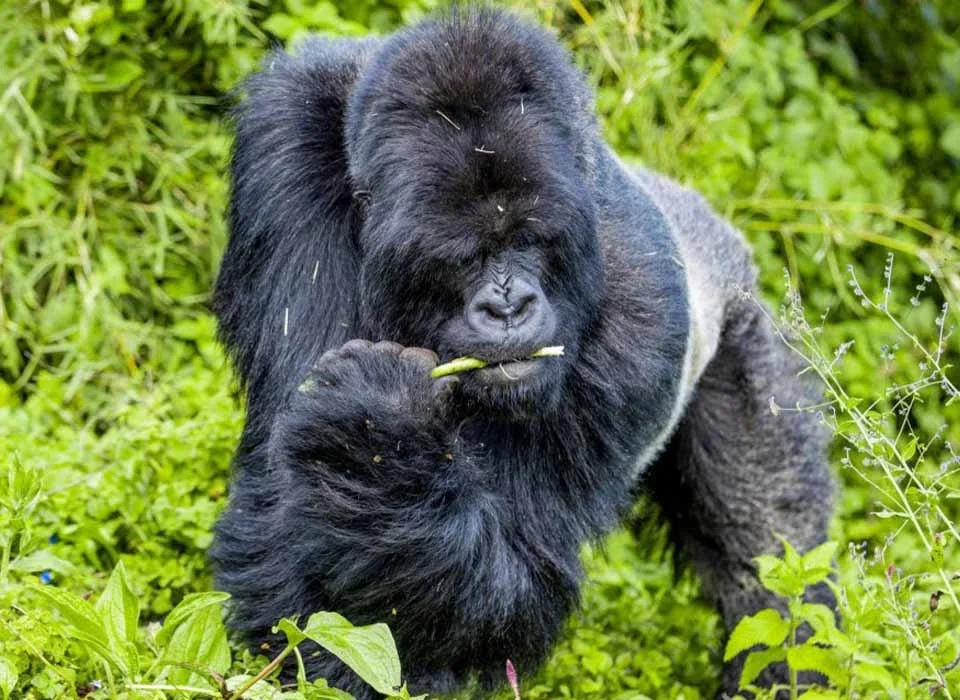
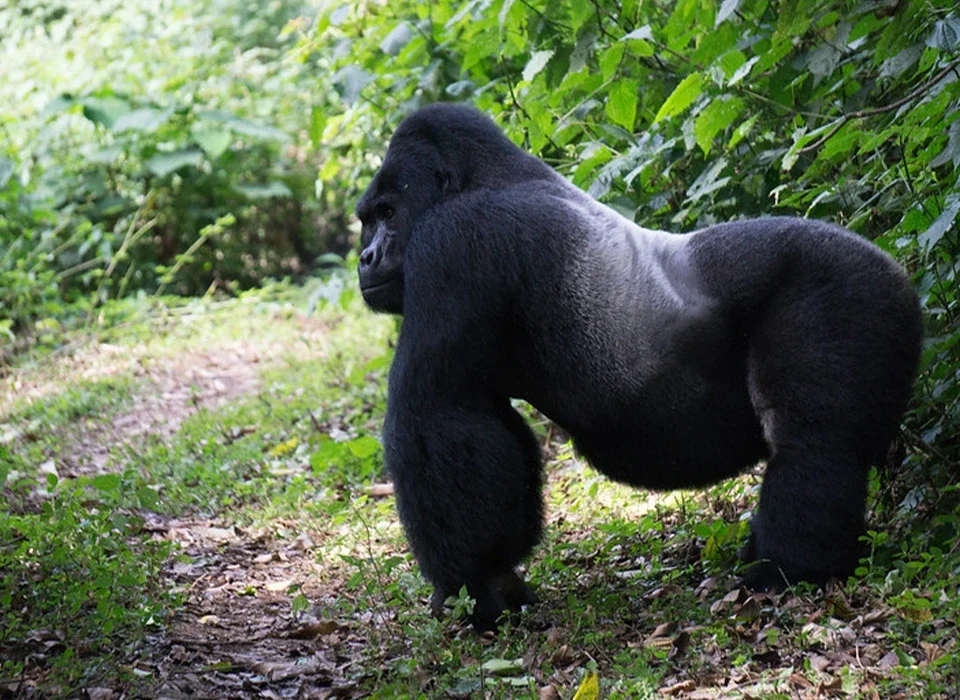
A silverback gorilla is an adult male mountain gorilla, typically over 12 years of age. It earns its name from the distinctive silvery-gray hair that develops across its back, hips, and thighs as it matures. These powerful primates can weigh up to 200 kilograms and stand nearly 1.8 meters tall when upright, making them the largest living primates on Earth.
Beyond their physical strength, silverbacks play a vital leadership role within their families. A typical gorilla troop consists of 5 to 30 members, including females, juveniles, and infants. The silverback acts as the protector, decision-maker, and mediator. It defends the group from threats, guides daily movements in search of food, and maintains harmony within the troop.
Moreover, the survival of the group often depends on the strength and stability of the silverback. Without a dominant leader, families may become vulnerable to rival males, which can lead to conflict and even the loss of young gorillas. Observing a silverback in the wild offers a rare glimpse into a complex social structure and highlights the importance of ongoing conservation efforts.
Bwindi Impenetrable National Park – Uganda’s Top Choice
Bwindi Impenetrable National Park, located in southwestern Uganda, is widely regarded as the best place in the world to see silverback gorillas. This UNESCO World Heritage Site shelters nearly half of the global mountain gorilla population, with more than 500 individuals thriving in its dense rainforest.
What makes Bwindi exceptional is its diversity of habituated gorilla families. Currently, over 20 groups are open for trekking, each led by a dominant silverback. As a result, the chances of encountering gorillas exceed 95 percent, making it one of the most reliable wildlife experiences in Africa.
Trekking in Bwindi varies in difficulty, which adds to its appeal. Some gorilla families are easier to reach and require moderate hikes of two to four hours, while others demand longer, more challenging journeys through steep and thick vegetation. Regardless of the route, the reward remains the same: a life-changing hour spent in the presence of a silverback and its family.
In addition, Uganda offers relatively affordable gorilla permits, priced at around $800 for foreign non-residents. This makes Bwindi a more accessible option compared to Rwanda, without compromising the quality of the experience. Travelers typically arrive through Entebbe International Airport and continue by road or domestic flight to nearby airstrips.
Accommodation options in and around Bwindi cater to all budgets, ranging from comfortable lodges to high-end eco-luxury retreats. With Experiya Tour Company, visitors can also combine gorilla trekking with birdwatching, cultural encounters, and guided nature walks, creating a well-rounded safari experience.
Volcanoes National Park – Rwanda’s Luxury Experience
Volcanoes National Park in northwestern Rwanda offers a more refined and convenient gorilla trekking experience. Although it hosts fewer habituated families around 12 the park emphasizes conservation and high-end tourism.
One of the main advantages of trekking in Rwanda is accessibility. The park lies just a few hours’ drive from Kigali, making it ideal for travelers with limited time. Furthermore, the terrain tends to be less demanding, and treks often last between one and three hours, which suits those looking for a shorter yet rewarding adventure.
Rwanda positions itself as a premium destination, and this reflects in the cost of permits, which stand at $1,500 per person. However, the experience includes excellent guiding services, well-maintained trails, and luxurious accommodation options.
Travelers who choose Volcanoes National Park often pair gorilla trekking with visits to Kigali’s cultural sites or the legacy of Dian Fossey, whose conservation work helped protect these endangered primates. With Experiya Tour Company, guests can enjoy a seamless, high-end journey that blends comfort with conservation.
Virunga National Park – DR Congo’s Adventurous Frontier
For those seeking a more adventurous and less crowded experience, Virunga National Park in eastern DR Congo offers a compelling alternative. This park is Africa’s oldest national park and is home to several habituated gorilla families.
Gorilla permits in Virunga are significantly more affordable, costing around $400. This makes it an attractive option for budget-conscious travelers who still want a close encounter with silverback gorillas.
However, trekking in Virunga requires a spirit of adventure. The terrain is rugged, and the experience feels more raw and untouched compared to Uganda and Rwanda. While park authorities and rangers prioritize visitor safety, travelers must stay informed about the region’s security situation before planning a trip.
Despite these considerations, Virunga rewards visitors with intimate encounters and breathtaking scenery. When organized through Experiya Tour Company, the journey becomes more structured, ensuring safety and proper guidance throughout the experience.
Best Time to See Silverback Gorillas
Timing plays a crucial role in planning a successful gorilla trekking experience. The best months to see silverback gorillas fall within the dry seasons, which run from June to September and December to February.
During these periods, trails remain less slippery, vegetation is thinner, and visibility improves significantly. As a result, trekking becomes easier and more enjoyable. June to August is particularly popular due to favorable weather conditions, while December to February attracts holiday travelers.
On the other hand, the rainy seasons from March to May and October to November present more challenging conditions. Trails become muddy and steep, which can make trekking physically demanding. However, these months also come with fewer crowds and, in some cases, discounted permits in Uganda and DR Congo.
Choosing the right time ultimately depends on your travel preferences, but with proper preparation, gorilla trekking remains possible throughout the year.
What to Expect During a Gorilla Trek
A typical gorilla trekking day begins early in the morning with a briefing at the park headquarters. During this session, rangers explain the rules, safety guidelines, and expectations for the trek. They then assign visitors to specific gorilla families based on fitness levels and preferences.
Afterward, the trek begins. Guided by experienced rangers, you will hike through dense forest, following signs such as broken branches, nests, and footprints. The duration of the trek varies widely, ranging from two to seven hours depending on the gorillas’ location.
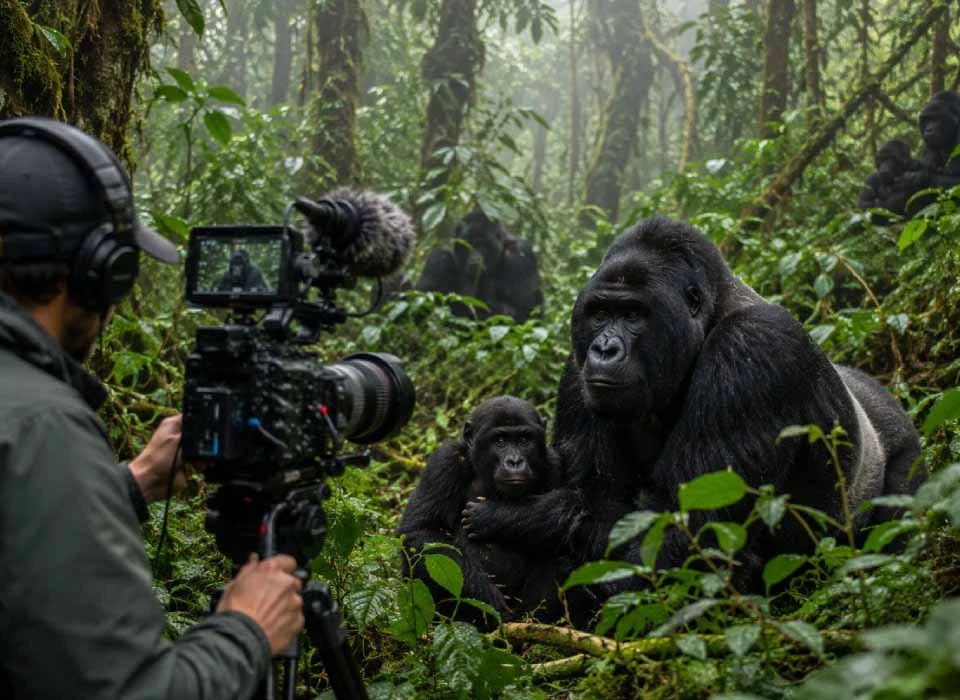
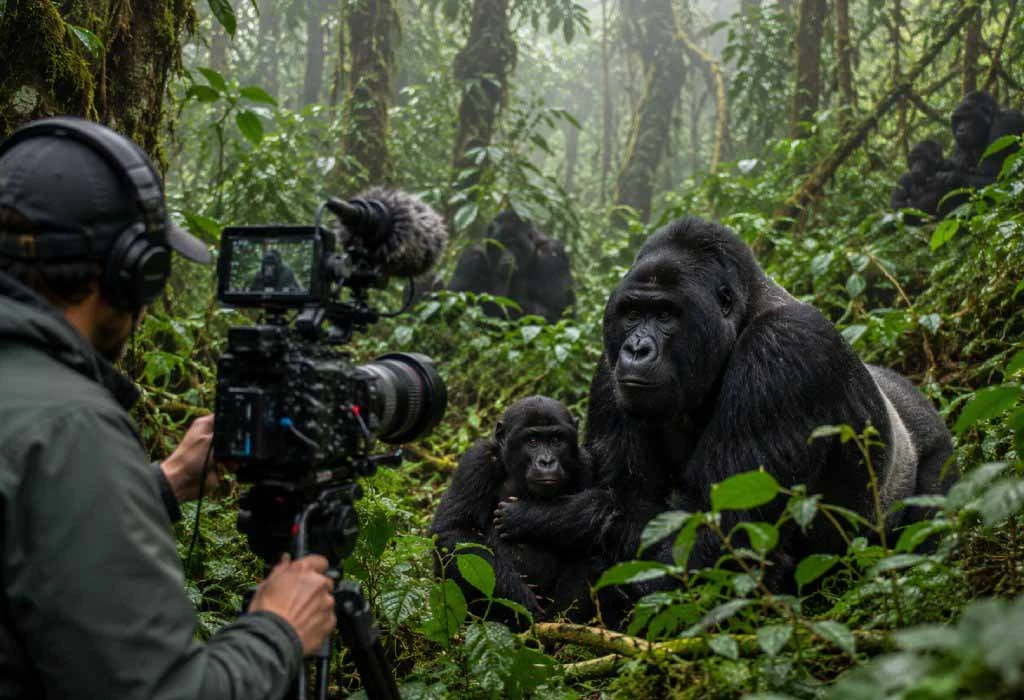
Once you locate the family, you are allowed to spend one hour observing them. This moment is often described as unforgettable. You may watch the silverback feeding, resting, or interacting with other members of the group. Despite their immense size, these gorillas display calm and gentle behavior, creating a deeply moving experience.
Photography is allowed, but you should avoid using flash and maintain a respectful distance. Hiring a porter can also make the trek more manageable, as they assist with carrying gear and navigating difficult terrain.
Gorilla Trekking Rules and Conservation
Strict rules govern gorilla trekking to protect both visitors and the animals. Maintaining a distance of at least seven meters helps reduce the risk of disease transmission. Visitors must also be free from illness, as gorillas are highly susceptible to human infections. The minimum age for trekking is 15 years.
Additionally, visitors should avoid eating, smoking, or making loud noises near the gorillas. These guidelines ensure that the animals remain undisturbed in their natural environment.
Importantly, gorilla tourism plays a vital role in conservation. Revenue from permits directly supports anti-poaching efforts, habitat protection, and community development. Organizations such as the International Gorilla Conservation Programme benefit from this funding, helping mountain gorilla populations recover and grow.
By choosing to trek with Experiya Tour Company, travelers actively contribute to these conservation efforts while experiencing one of the most extraordinary wildlife encounters on Earth.
Final Thoughts
Seeing a silverback gorilla in the wild is more than just a wildlife experience; it is a profound connection with one of our closest relatives. Whether you choose the lush forests of Bwindi, the luxury of Rwanda, or the rugged beauty of Virunga, each destination offers something unique.
However, for the best balance of cost, variety, and success rate, Bwindi Impenetrable National Park remains the top choice in 2026. With expert planning and guidance from Experiya Tour Company, your journey to see silverback gorillas will be seamless, meaningful, and truly unforgettable.