How Chimpanzee Tracking Supports Conservation
December 17, 2025
How Hard Is It to See Golden Monkeys?
December 18, 2025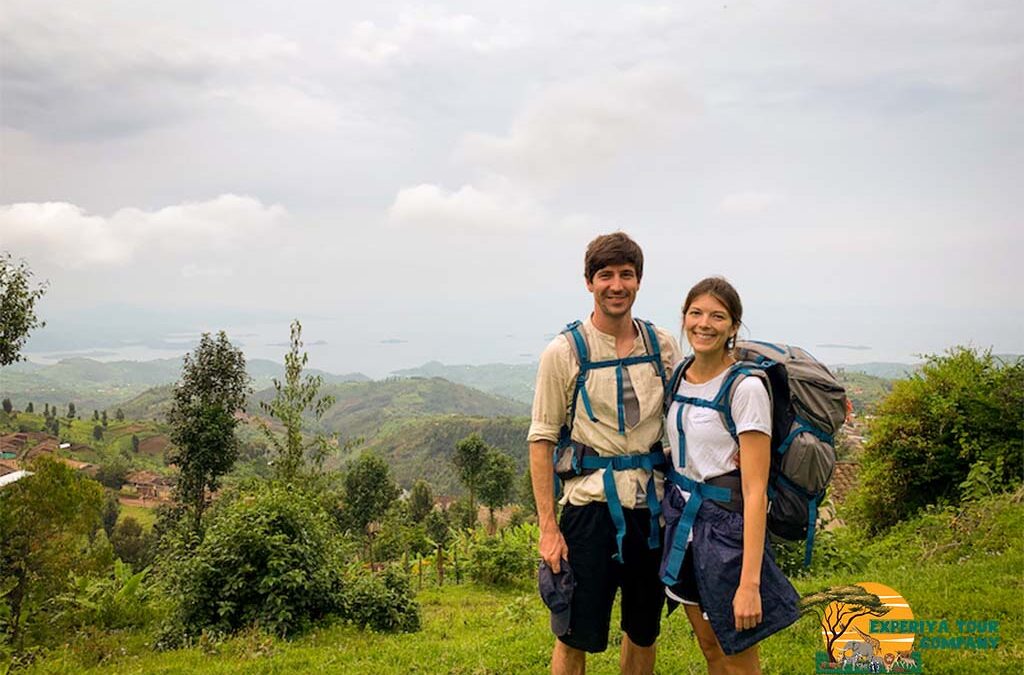
Rwanda, famously known as the “Land of a Thousand Hills,” ranks among Africa’s most captivating hiking destinations. With lush volcanoes, pristine rainforests, crater lakes, and sweeping highland views, the country offers hikers a rare blend of adventure, biodiversity, and scenic beauty. From the volcanic slopes of Volcanoes National Park to the misty canopies of Nyungwe Forest, hiking trails in Rwanda promise unforgettable experiences for both beginners and seasoned trekkers.
This guide explores the 11 best hiking trails in Rwanda while highlighting locations, key features, difficulty levels, and the best time to hike. Overall, it is designed for excellent readability and strong search performance, making it ideal for travelers seeking immersive outdoor adventures in East Africa.
Why Hike in Rwanda?
Rwanda’s dramatic terrain features rolling hills, towering volcanoes, deep valleys, lakes, and dense equatorial forests. Because of the country’s compact size, hikers can access diverse ecosystems within just a few hours of travel.
In addition, wildlife enthusiasts can hike through forests home to chimpanzees, golden monkeys, and over 700 bird species. Meanwhile, adventure seekers can conquer volcanic peaks or explore remote rural communities. As a result, well-maintained trails combined with knowledgeable local guides ensure safe, educational, and deeply rewarding hiking experiences.
Mount Bisoke Crater Hike – Volcanoes National Park
Mount Bisoke, standing at 3,711 meters, remains one of Rwanda’s most iconic hikes. Although challenging, this day hike rewards hikers with a stunning crater lake at the summit. Typically, the round trip takes between six and seven hours.
As you ascend, the trail winds through bamboo forests and afro-alpine vegetation. Along the way, hikers often spot golden monkeys and colorful birdlife. Ultimately, the emerald-green crater lake at the summit makes every step worthwhile.
Best for: Intermediate to advanced hikers seeking high-altitude adventure
Time needed: 1 day
Altitude gain: Approx. 1,200 meters
Mount Karisimbi Trek – Highest Peak in Rwanda
Mount Karisimbi, rising to 4,507 meters, is the tallest volcano in the Virunga Massif. Consequently, this demanding trek takes two days and includes an overnight stay at a high-altitude camp before a sunrise summit attempt.
Because of steep gradients and thin air, this hike suits only well-prepared trekkers. However, on clear days, the summit rewards hikers with breathtaking views stretching across Rwanda, Uganda, and the Democratic Republic of Congo.
Best for: Experienced trekkers and summit seekers
Time needed: 2 days
Altitude gain: Over 2,000 meters
Mount Muhabura Hike – Steep, Scenic, and Rewarding
At 4,127 meters, Mount Muhabura is Rwanda’s second-highest volcano. Notably, it is known for its steep trails, which challenge both endurance and determination.
Nevertheless, the reward is immense. On clear days, hikers enjoy sweeping views across the East African Rift Valley. At the summit, a beautiful crater lake provides a serene and satisfying finale to this intense climb.
Best for: Hikers seeking steep climbs and panoramic views
Time needed: 1 day
Dian Fossey Tomb Trail – History Meets Nature
This moderate trail leads through dense forest to the gravesite of Dian Fossey, the pioneering primatologist who dedicated her life to protecting mountain gorillas.
Generally, the hike takes about two to three hours each way and blends natural beauty with powerful conservation history. Therefore, it appeals to hikers who value both physical activity and meaningful storytelling.
Best for: Cultural explorers and wildlife enthusiasts
Time needed: Half-day
Igishigishigi Trail and Canopy Walk – Nyungwe Forest
The Igishigishigi Trail ranks among the most accessible hikes in Nyungwe Forest National Park. Most notably, it features the famous canopy walkway, a 70-meter-long suspension bridge hanging 50 meters above the forest floor.
Because of its gentle terrain, this trail suits beginners, families, and casual hikers. Along the way, visitors enjoy panoramic forest views and frequent sightings of monkeys and rare birds.
Best for: Families, beginners, and birdwatchers
Time needed: 1–2 hours
Isumo Waterfall Trail – Nyungwe’s Most Scenic Route
The Isumo Waterfall Trail offers one of the most visually rewarding hikes in Nyungwe. The moderately challenging path passes through tea plantations and ancient rainforest before eventually reaching the powerful Isumo Waterfall.
Throughout the hike, visitors may encounter colobus monkeys, orchids, butterflies, and vibrant birdlife. Consequently, this trail strongly appeals to nature lovers and photographers alike.
Best for: Nature lovers and photographers
Time needed: 3–4 hours
Bigugu Trail – High-Altitude Forest Trek
The Bigugu Trail is among Nyungwe’s most demanding hikes. It climbs steadily to the summit of Mount Bigugu at 2,950 meters, offering sweeping views over Lake Kivu and the Congo border.
Along the way, hikers pass through dense forest rich in orchids and endemic bird species. Therefore, this trail is especially popular with experienced hikers and serious birdwatchers.
Best for: Advanced hikers and birding enthusiasts
Time needed: 5–6 hours
Imbaraga Trail – A True Test of Strength
Imbaraga means strength, and indeed, this trail lives up to its name. This challenging 10-kilometer loop includes steep climbs and descents through dense forest terrain.
Although physically demanding, the hike rewards determined adventurers with remarkable biodiversity and peaceful forest surroundings.
Best for: Fit hikers seeking a physical challenge
Time needed: 5–6 hours
Rukuzi Trail – Culture and Nature Combined
The Rukuzi Trail offers a quieter alternative for hikers seeking both nature and cultural interaction. Specifically, this 9-kilometer route winds through primate habitats before ending in a traditional village.
Along the way, local guides share stories about daily life, conservation efforts, and forest traditions. As a result, the hike gains meaningful cultural depth.
Best for: Cultural immersion and eco-travelers
Time needed: 4–5 hours
Muzimu Trail – Peaceful and Moderate
The Muzimu Trail provides a moderate hike with expansive views across forested hills and open grasslands. Because it receives fewer visitors, it offers a particularly tranquil experience.
In addition, this trail allows hikers to observe ecological transitions while enjoying a calm and uncrowded environment.
Best for: Moderate hikers and solitude seekers
Time needed: 3–4 hours
Congo Nile Trail – Rwanda’s Ultimate Hiking Adventure
The Congo Nile Trail stands as Rwanda’s longest and most ambitious hiking route. Stretching over 227 kilometers along Lake Kivu’s eastern shore, it can take up to ten days to complete.
Along the way, hikers pass fishing villages, coffee farms, rolling hills, and misty valleys. While some travelers prefer shorter sections, others choose the full journey for a deeply transformative adventure.
Best for: Long-distance hikers and backpackers
Time needed: 1–10 days
Best Time for Hiking in Rwanda
The ideal time for hiking in Rwanda occurs during the dry seasons, from June to September and December to February. During these months, trails remain drier, and visibility improves, especially on mountain summits.
In contrast, the rainy seasons can make forest trails muddy and slippery. However, the landscapes appear especially lush and vibrant, appealing to photographers and nature lovers.
Essential Tips for Hiking in Rwanda
- Hire a local guide, as many trails require certified guides for safety and interpretation
- Wear proper gear, including sturdy hiking boots, rain jackets, and long sleeves
- Stay hydrated by carrying enough water, snacks, and sun protection
- Check permit requirements, since some hikes require advance permits, particularly in national parks
Final Thoughts
Rwanda continues to emerge as one of Africa’s premier hiking and trekking destinations. Whether you stand at the edge of a volcanic crater above 4,000 meters or walk across a canopy bridge high above a rainforest, the experience feels both intimate and awe-inspiring.
Altogether, these 11 hiking trails in Rwanda showcase the country’s extraordinary landscapes, rich biodiversity, and vibrant culture. For travelers seeking adventure, connection, and natural beauty, Rwanda delivers an unforgettable journey with every step.