Uganda Visa Application – How to Get a Visa for Uganda
February 21, 2026
Discover the Best Places to Visit in Uganda in 2026
February 23, 2026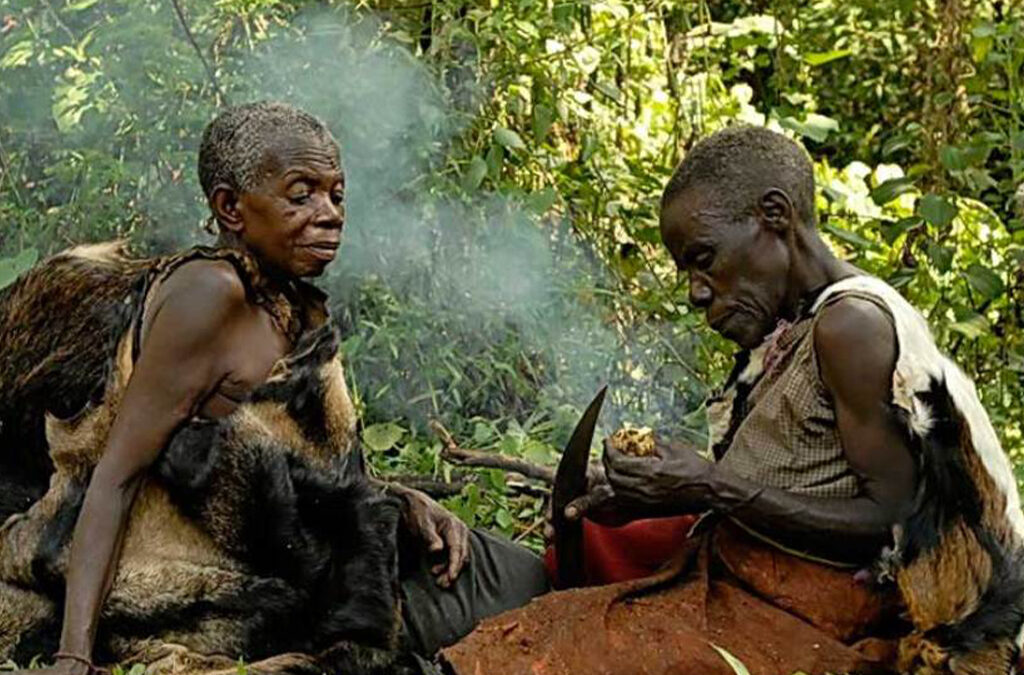
Hidden in the rolling highlands of southwestern Uganda, the Batwa Cultural Experience in Nkuringo invites travelers into one of Africa’s oldest living stories. Here, in the shadow of Bwindi Impenetrable National Park, the Batwa often called the “Keepers of the Forest” share a heritage that once thrived deep within the rainforest.
For generations, the Batwa lived in harmony with Bwindi. They hunted small game with handmade bows and arrows, gathered wild honey, and relied on an intimate knowledge of medicinal plants for survival. The forest was not simply their home; it shaped their identity, spirituality, and way of life.
However, in 1991, when Bwindi was declared a national park and later recognized as a UNESCO World Heritage Site, the Batwa were evicted to protect its wildlife especially the endangered mountain gorillas. This displacement changed their lives forever. Yet, rather than allowing their culture to fade, they chose resilience. Today, through the Batwa Cultural Experience in Nkuringo, they proudly share their traditions, stories, and wisdom with the world.
Who Are the Batwa People?
The Batwa are among Central Africa’s oldest surviving indigenous communities. Traditionally, they lived as nomadic hunter-gatherers across the forests of Uganda, Rwanda, and the Democratic Republic of Congo. Every aspect of their life revolved around the forest.
They hunted with precision, gathered fruits and roots with care, and treated illness using powerful herbal remedies passed down through generations. At the same time, they believed the forest housed ancestral spirits. Consequently, they approached nature with deep reverence and spiritual awareness.
Even though they no longer live inside Bwindi, their bond with the forest remains unbroken. Through music, dance, storytelling, and guided cultural walks, they continue to preserve and pass on their heritage in Nkuringo.
What Happens During the Batwa Cultural Experience in Nkuringo?
The experience unfolds in the Nkuringo sector of Bwindi Impenetrable National Park, an area known for its dramatic mountain scenery and sweeping forest views. When you arrive at the Batwa settlement near Nkuringo village, the community welcomes you with vibrant songs and rhythmic dances. Instantly, you feel the warmth and authenticity of the encounter.
From there, Batwa guides lead you along a recreated forest trail that reflects their ancestral home. As you walk together, they demonstrate how they once survived in the wild. You watch them build temporary leaf shelters and start a fire using dry sticks and traditional techniques. They show you how they hunted with bows and arrows, and they carefully explain the uses of various plants which leaves healed wounds, which roots treated stomach ailments, and which herbs eased fever.
Moreover, the guides reenact rituals once performed to honor forest spirits before hunting or gathering food. These moments reveal the spiritual depth of Batwa life and their profound respect for nature.
Later, elders gather visitors for storytelling. Around a shaded clearing or small fire, they share ancient tales about wildlife, ancestors, and life in the forest. Their voices rise and fall with rhythm and song, transforming stories into living memories. Gradually, visitors find themselves clapping along, joining the drumming, and moving to the beat of traditional dances that echo across Nkuringo’s hills.
Rather than observing from a distance, you participate. And through that participation, the experience becomes deeply personal.
Why the Batwa Cultural Experience Matters
Importantly, this is not staged entertainment. Instead, it represents resilience, identity, and renewal.
After losing access to their ancestral land, many Batwa families faced poverty and marginalization. Cultural tourism became a pathway to dignity and economic independence. By sharing their traditions, they created a sustainable source of income while preserving their heritage.
Today, revenue from the Batwa Cultural Experience supports education, healthcare, housing, and community development projects. As a result, every visit directly contributes to rebuilding lives and restoring pride among younger generations.
Furthermore, the experience offers travelers a broader perspective on conservation. Protecting wildlife matters deeply yet so does honoring the people who once lived in balance with nature. Through this cultural exchange, visitors gain a more complete understanding of Bwindi’s human and ecological story.
Experiya Tour Company thoughtfully integrates the Batwa Cultural Experience into immersive Uganda journeys, ensuring that tourism remains responsible, respectful, and community-centered.
Where Is Nkuringo Located?
Nkuringo sits in the southern sector of Bwindi Impenetrable National Park in Kisoro District, close to Uganda’s border with Rwanda. The region rises high in the mountains, offering breathtaking views of mist-covered rainforest and, on clear days, the distant Virunga Volcanoes.
Because Nkuringo is also home to one of Bwindi’s habituated gorilla families, many travelers combine gorilla trekking with the Batwa Cultural Experience, creating a powerful blend of wildlife and culture.
You can reach Nkuringo by road from Kampala in approximately ten hours, passing scenic hills, tea plantations, and vibrant rural communities. Alternatively, travelers coming from Rwanda can drive from Kigali in about five hours via the Cyanika border. For quicker access, scheduled domestic flights operate from Entebbe International Airport to Kisoro Airstrip, followed by a one-hour scenic drive to Nkuringo.
Best Time to Visit Nkuringo
You can visit Nkuringo throughout the year. However, the dry seasons — from June to September and December to February — offer easier road conditions and more comfortable hiking trails.
On the other hand, the rainy months from March to May and October to November transform the landscape into a lush, emerald paradise. Although trails can become slippery, the misty atmosphere creates extraordinary photography opportunities and enhances Bwindi’s mystical charm.
Regardless of the season, the Batwa Cultural Experience remains meaningful and engaging.
What to Expect
The experience typically lasts three to four hours and involves gentle walking along uneven terrain. Therefore, you should wear comfortable walking shoes and lightweight clothing. Bringing a rain jacket, insect repellent, sunscreen, a refillable water bottle, and a camera will enhance your visit. Additionally, carrying small cash supports the purchase of local crafts and community contributions.
Most importantly, bring curiosity and openness. The experience becomes far richer when you engage, ask questions, and participate.
Community and Conservation Impact
The Batwa Cultural Experience stands as a model for community-based tourism in Uganda. It ensures that tourism revenue flows directly to local families while supporting environmental stewardship.
By creating economic opportunities for the Batwa community, the initiative reduces pressure on natural resources and promotes peaceful coexistence between people and wildlife. In this way, Bwindi demonstrates how conservation and community empowerment can thrive together rather than compete.
Experiya Tour Company continues to champion such responsible travel initiatives, connecting guests with authentic cultural encounters that create lasting positive impact.
Why You Should Visit the Batwa Cultural Experience in Nkuringo
When you visit the Batwa in Nkuringo, you gain more than a cultural tour — you gain perspective. You meet a people who have endured immense change yet continue to celebrate their identity with pride. Their songs carry memory. Their dances express resilience. Their stories remind us that humanity and nature remain deeply intertwined.
Meanwhile, Nkuringo’s sweeping mountain views and misty forest backdrop elevate the experience even further. Whether you seek adventure, cultural insight, photography, or personal reflection, this encounter leaves a lasting impression.
A Story of Resilience and Harmony
Ultimately, the Batwa Cultural Experience in Nkuringo tells a story of strength, adaptation, and hope. It invites travelers to walk alongside Uganda’s first forest inhabitants and to witness how culture can survive and even flourish through change.
Each step along the Batwa trail reveals lessons about balance, community, and respect for nature. And as you listen to their songs beneath the highland sky, you become part of a living narrative one that honors both cultural heritage and environmental preservation.
In 2026 and beyond, the Batwa Cultural Experience continues to inspire travelers from around the world. After all, true travel goes beyond landscapes and wildlife. It connects us to people, to history, and to the enduring stories that make a destination unforgettable.