What to Wear in Rural Uganda | Experiya Tour Company
October 29, 2025
Popular Music and Dance in Uganda | Experiya Tour Company
October 29, 2025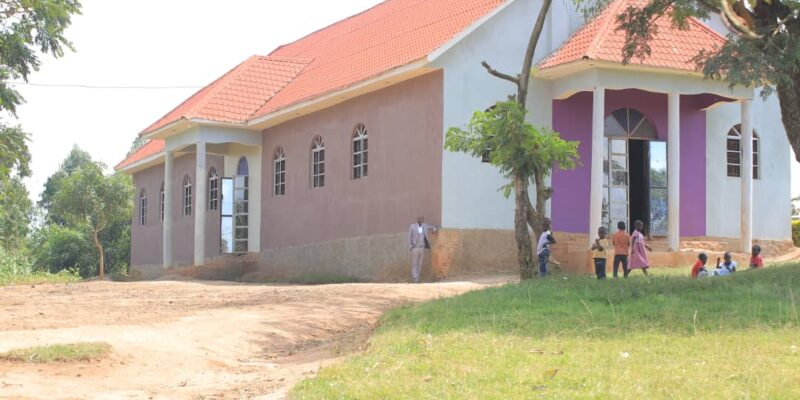
Can I Attend Local Church Services in Uganda?
Uganda, often called the Pearl of Africa, is not only blessed with breathtaking landscapes and wildlife but also with a vibrant and deeply spiritual culture. Religion is an essential part of daily life for most Ugandans. Across towns, villages, and cities, you’ll hear the sounds of church choirs, drums, and joyful singing rising into the air, especially on Sundays. For many travelers, attending a local church service in Uganda is one of the most uplifting and memorable cultural experiences they can have.
If you’ve ever wondered whether you can attend a church service while visiting Uganda, the answer is a resounding yes. Uganda is a country known for its hospitality, and visitors are warmly welcomed in most churches, regardless of their background or faith. In fact, stepping into a local church offers a window into Ugandan life — a mix of music, community, faith, and emotion that captures the nation’s spirit more vividly than any monument or museum ever could.
Let’s explore what attending a church service in Uganda is like, what to expect, how to prepare, and how to make the most of this soulful experience.
Religion in Uganda – The Heart of the Nation
Uganda is one of the most religious countries in Africa, with Christianity and Islam being the dominant faiths. Roughly 84% of the population identifies as Christian, while about 14% are Muslim. The remaining small percentage follow traditional African beliefs or other religions.
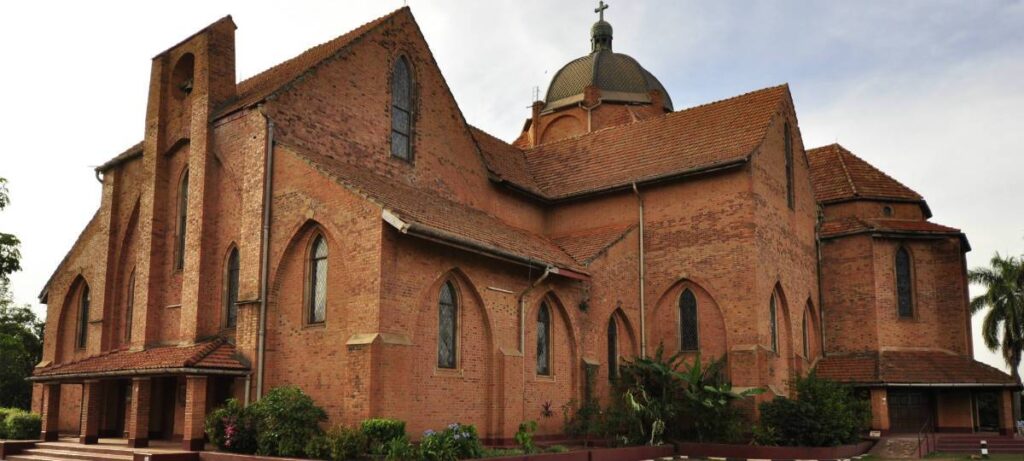
Within Christianity, there are several denominations: Roman Catholic, Anglican (Church of Uganda), Pentecostal (Born Again), Seventh-day Adventist, Baptist, and Orthodox, among others. Churches are everywhere — from grand cathedrals in Kampala to simple mud-brick chapels in rural villages.
For most Ugandans, religion is more than worship; it is community. Churches serve as gathering places, social networks, and support systems. They host weddings, baptisms, choir events, charity programs, and community meetings. Attending a service offers an authentic glimpse into how faith shapes Ugandan culture, values, and daily life.
Can Visitors Attend Church Services in Uganda?
Absolutely. Churches in Uganda welcome visitors with open arms. Whether you are a devout Christian or simply curious about local traditions, you are encouraged to join a service. Ugandans are known for their friendliness, and your presence will often be greeted with smiles, handshakes, and sometimes even introductions during the service.
In most communities, guests are treated as part of the congregation. If you’re visiting a smaller village church, don’t be surprised if the pastor or priest takes a moment to acknowledge you publicly and ask you to introduce yourself. This gesture is not meant to embarrass but to honor you as a guest.
There are no strict dress codes or membership requirements to attend. However, being respectful and observing cultural norms will make your visit even more rewarding.
What to Expect During a Ugandan Church Service
Church in Uganda is not a quiet or reserved affair — it’s a celebration. Whether you attend a Catholic mass, an Anglican service, or a Pentecostal gathering, you’ll find that Ugandan worship is alive with music, movement, and emotion.
Here’s what you can typically expect during your visit:
1. Warm Welcomes and Singing
From the moment you step into a Ugandan church, you’ll likely be greeted with warmth and genuine hospitality. Members of the congregation will shake your hand, offer you a seat, and make you feel at home.
Music is the heartbeat of worship. Services often begin with praise songs accompanied by drums, guitars, and dancing. Choirs dressed in colorful robes lead the congregation in joyful choruses, sometimes in English but often in local languages such as Luganda, Runyankole, or Lusoga.
Even if you don’t understand every word, the rhythm and energy are contagious. You’ll find yourself clapping, smiling, and moving along with the music.
2. Prayers and Testimonies
After the opening songs, the service usually moves into a time of prayer. Ugandans pray with passion and sincerity — sometimes quietly, sometimes aloud, with the whole congregation joining in.
Many churches also have a time for “testimonies,” where individuals stand up to share stories of faith, healing, or gratitude. These moments are heartfelt and deeply moving, offering insight into the challenges and triumphs of everyday life in Uganda.
3. Scripture Reading and Sermon
Next comes the reading of Scripture and the sermon. The message is typically delivered by the pastor or priest and may last between 30 minutes to an hour, depending on the denomination.
In Pentecostal and Born Again churches, the preaching is often energetic, filled with singing, call-and-response interaction, and spontaneous prayer. In Anglican or Catholic churches, the tone is more structured and liturgical but still deeply engaging.
Many sermons are delivered in both English and a local language, ensuring that everyone can follow along.
4. Offerings and Tithes
It’s common for congregations to give offerings as part of worship. Guests are never pressured to contribute, but you’re welcome to join if you wish. Contributions are often made in cash, placed in a basket or envelope during a lively musical segment.
In rural areas, offerings might even include goods such as fruits, vegetables, or homemade crafts — a reflection of how deeply connected the church is to local life.
5. Length of Service
If you’re used to short, one-hour church services, be prepared — in Uganda, worship can last anywhere from two to four hours, especially on Sundays. But don’t worry — the atmosphere is joyful and engaging, and time seems to pass quickly.
In villages, the service may be followed by socializing, shared meals, or even community dances, giving you the chance to interact with locals more personally.
Cultural Etiquette When Attending Church in Uganda
While Ugandan churchgoers are welcoming and forgiving of cultural differences, observing a few basic customs will help you show respect.
1. Dress Modestly
In most Ugandan churches, modest clothing is appreciated. For women, dresses or skirts that cover the knees and tops that cover the shoulders are best. For men, trousers and collared shirts are ideal. Avoid revealing or flashy attire, especially in rural areas.
2. Arrive on Time (or Gracefully Late)
Services usually start around 9:00 a.m. on Sundays, though times vary by denomination. Ugandans are flexible with time, but arriving early allows you to find a seat and settle in comfortably.
3. Respect the Flow of the Service
Follow the lead of the congregation. Stand, sit, or clap when others do. Participation is encouraged, but if you prefer to observe quietly, that’s perfectly fine.
4. Be Open to Interaction
Don’t be surprised if you’re asked to introduce yourself or share a few words of greeting. A simple “Thank you for welcoming me — I’m happy to worship with you today” is enough to bring smiles all around.
5. Photographs
Always ask for permission before taking photos during a service. Some churches are comfortable with photography, especially during musical moments, but others may find it distracting or inappropriate during prayer or preaching.
Why Attending a Church Service in Uganda Is Worth It
Attending a local church service in Uganda is much more than a religious experience — it’s a cultural immersion. It allows you to connect with Ugandans on a deeper level and witness the power of faith in everyday life.
Here’s why it’s an unforgettable experience:
- You’ll experience true Ugandan joy. Music and dance are central to worship, and the joy is infectious.
- You’ll learn about community life. The church is the heartbeat of many rural areas, bringing people together for support, celebration, and shared purpose.
- You’ll feel genuine human connection. Ugandans are some of the most welcoming people in the world, and your presence in their church will be appreciated.
- You’ll see faith in action. Many churches run schools, orphanages, and community programs — visiting gives you insight into how faith drives social impact.
Visiting Churches Across Uganda
No matter where you travel in Uganda, you’ll find churches open to visitors:
- Kampala: Visit the iconic Namirembe Cathedral, the oldest Anglican cathedral in Uganda, or Rubaga Cathedral, the seat of the Roman Catholic Archdiocese.
- Jinja: Attend vibrant services along the Nile River in the town’s lively Pentecostal and Anglican churches.
- Fort Portal and Western Uganda: Experience the spiritual harmony of mountain communities worshiping in traditional and modern styles alike.
- Rural Villages: Join small congregations where services may take place under trees or in simple mud-walled chapels — intimate, humble, and incredibly heartfelt.
Why You Should Travel With Experiya Tour Company
If you want to attend a local church service in Uganda as part of a respectful and enriching experience, Experiya Tour Company is the perfect partner. Experiya specializes in authentic cultural experiences that bring travelers closer to Uganda’s people and traditions.
Their guides can arrange visits to local churches in rural or urban settings, introduce you to community leaders, and ensure that your presence is both welcome and meaningful. You’ll learn about the history of religion in Uganda, participate in uplifting worship, and even join post-service activities like community meals or choir rehearsals.
With Experiya Tour Company, your journey through Uganda becomes more than sightseeing — it becomes a heartfelt connection with the soul of the country. Whether you’re exploring the grandeur of the cathedrals in Kampala or the warmth of a small village congregation, Experiya ensures that every encounter is guided by respect, joy, and authenticity.
Book your Ugandan adventure with Experiya Tour Company and experience the spiritual and cultural heartbeat of Uganda through its churches, its music, and its people.