

Exploring More of Uganda Beyond Gorilla Trekking
December 6, 2025
Tips for an Amazing Adventure at Mount Elgon National Park
December 7, 2025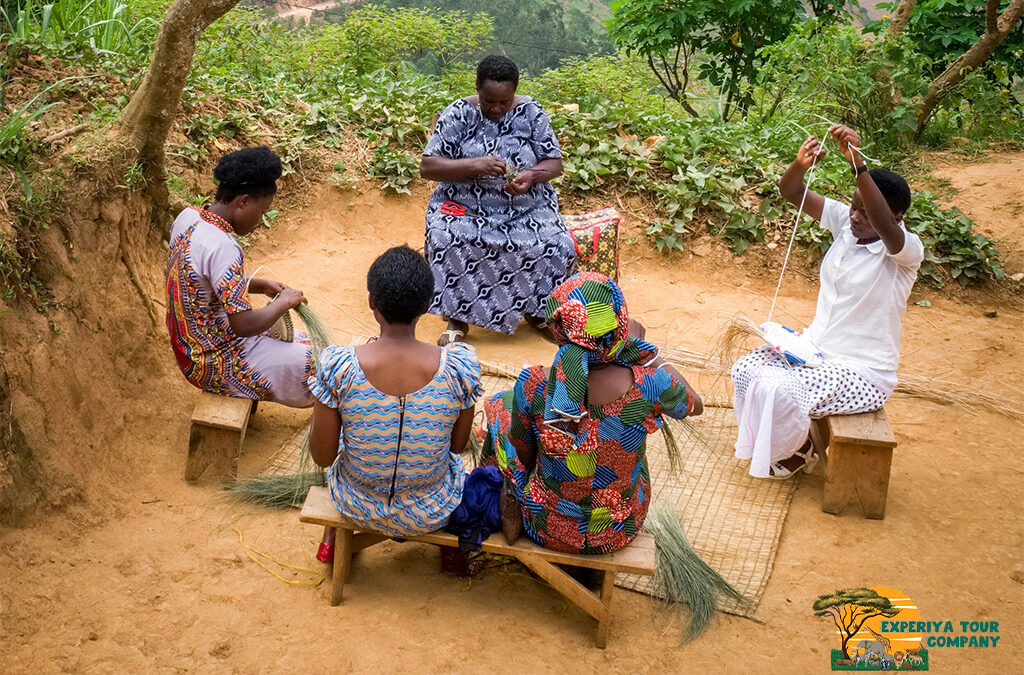
Artisans and Women’s Cooperatives Empowered by Tourism
Across Africa, tourism has grown into far more than sightseeing. Today, it acts as a lifeline that links travelers with local artisans, women’s cooperatives, and entire communities that rely on creativity for survival. Through handmade crafts, cultural encounters, and fair-trade initiatives, women across Uganda, Rwanda, Kenya, Tanzania, and Congo are gaining economic independence and renewed pride in their heritage.
The Link Between Tourism and Women’s Empowerment
Tourism opens doors beyond lodges, national parks, and wildlife safaris. As travelers buy handmade products, participate in cultural workshops, and engage in community projects, they fuel meaningful change. Each visit and each purchase puts money directly into the hands of women artisans, helping them support their families and keep cultural traditions alive.
Women’s cooperatives often reinvest their earnings in education, healthcare, and small-scale farming. Over time, these efforts create powerful ripple effects that uplift entire villages
Craftsmanship That Tells a Story
Across the region, every handcrafted item tells a story—one of identity, resilience, and connection to the land.
Rwanda: The iconic Agaseke peace baskets symbolize unity and resilience. Many are made by genocide survivors whose cooperatives use weaving as both healing and empowerment.
Uganda: Bark-cloth makers and banana-fiber weavers blend ancient traditions with modern designs, creating eco-friendly souvenirs that honor the past while serving the present.
Kenya & Tanzania: Maasai and Taita women craft vibrant beaded jewelry that reflects heritage and community values. Income from these creations often funds girls’ education and women’s financial independence.
Congo: Near Virunga and Kahuzi-Biega, women produce handmade textiles and jewelry, transforming tourism into a pathway for peace and progress.
These crafts become more than souvenirs; they create bridges between cultures through art and storytelling.
Community Markets and Cultural Experiences
Many women’s cooperatives now operate community markets close to major tourist attractions, lodges, and craft centers. Travelers heading to Volcanoes National Park, Bwindi Impenetrable Forest, or the Serengeti often pause at these stalls to browse handmade treasures.
Some lodges collaborate directly with artisans by featuring their crafts in gift shops or inviting them to demonstrate weaving, carving, or beadwork onsite. These interactions create meaningful exchanges, allowing travelers to meet the talented women behind each creation.
Education, Skills, and Financial Freedom
Income from tourism allows women to access training in design, marketing, leadership, and business management. Within cooperatives, members learn how to budget, save, and plan for the future.
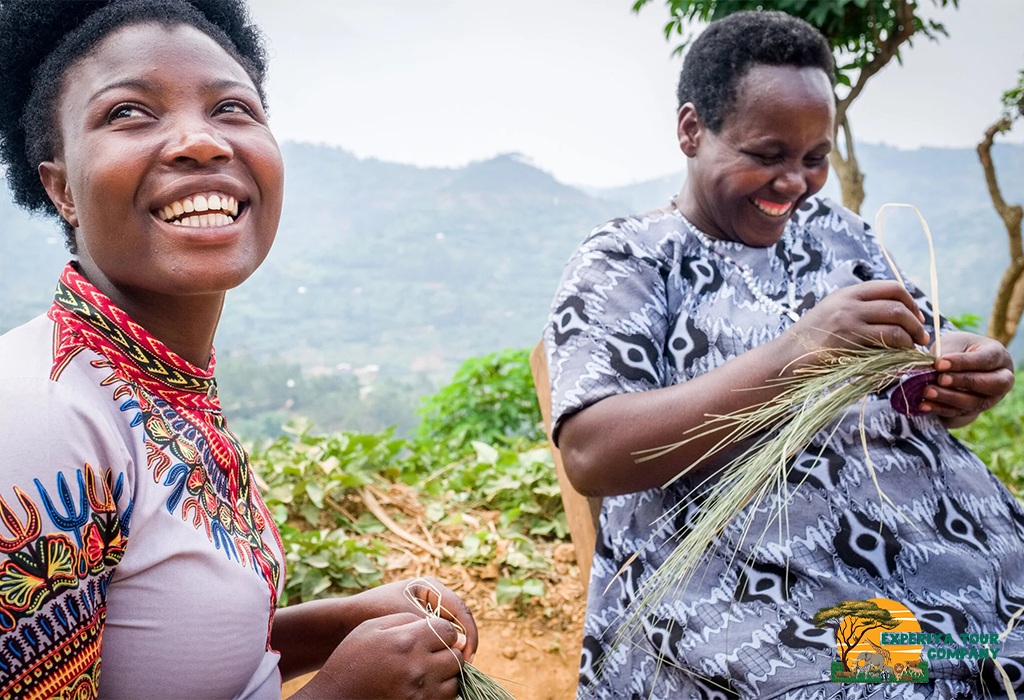
As skills grow, many artisans evolve into entrepreneurs. They open small shops, manage successful cooperatives, or export their crafts internationally. This financial confidence shifts gender dynamics, giving women a stronger voice at home and within their communities.
Sustainability and Cultural Preservation
Supporting locally made crafts promotes sustainable livelihoods rooted in renewable materials and traditional knowledge. Instead of relying on unsustainable practices such as charcoal burning, communities embrace eco-friendly production that preserves both culture and environment.
Every purchased item becomes a symbol of responsible tourism and cultural conservation.
Best Places to Experience Women-Led Craft Tourism
- Rwanda: Azizi Life, Nyamirambo Women’s Center
- Uganda: Ride 4 a Woman (Bwindi), Ruboni Community Crafts
- Kenya: Kazuri Beads, Maasai Women’s Beading Groups
- Tanzania: Shanga Workshop (Arusha), Maasai Women’s Cultural Boma
- Congo: Women’s craft markets in Goma and Bukavu supporting community initiatives near Virunga
These centers welcome travelers for workshops, guided tours, cultural demonstrations, and direct purchases that support the artisans.
Plan Your Safari With Purpose
Every traveler can make an impact. When you purchase a handmade basket, visit a women’s cooperative, or join a cultural class, you help a mother send her child to school and preserve a skill passed down through generations.
As you plan your next African safari, consider weaving meaningful encounters into your itinerary. Explore the wild beauty of East and Central Africa while empowering the remarkable women who shape its cultural heartbeat.
