
Ngamba Island Chimpanzee Sanctuary: Uganda’s Haven of Hope on Lake Victoria
February 13, 2026
3 Days Rwanda Gorilla Trekking Safari
February 13, 2026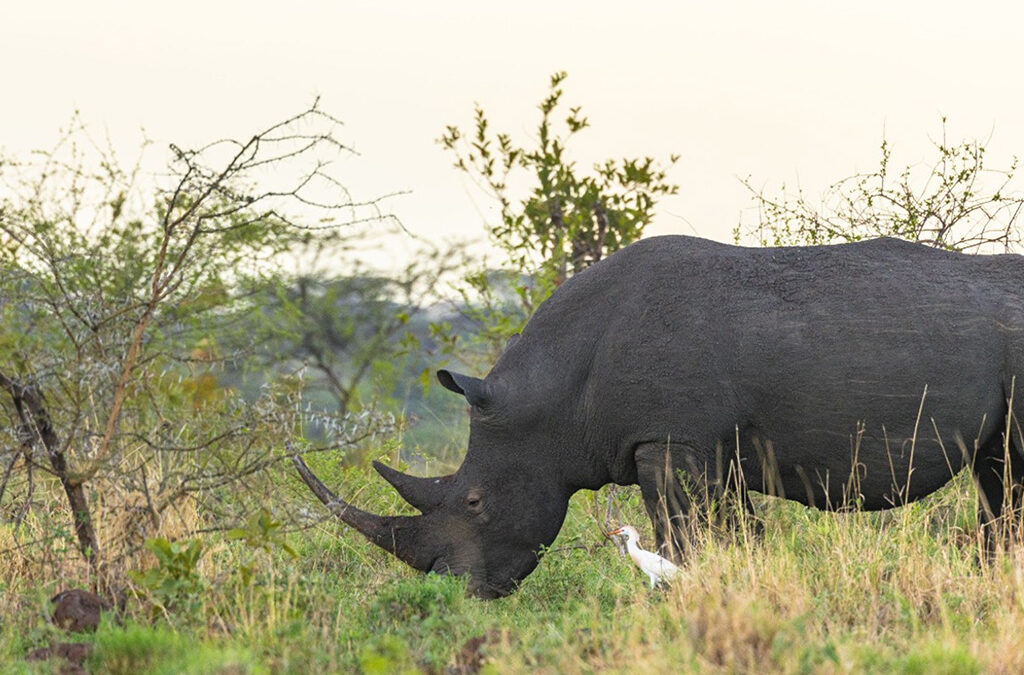
If you’ve ever dreamed of an adventurous African safari, Tanzania is one of the most spectacular places on earth to make that dream come true. But what makes a Tanzanian safari even more thrilling is the possibility of encountering one of the most enigmatic and endangered creatures in the world – the black rhinoceros.
Black rhinos are captivating animals, and seeing one up close is an experience that stays with you for a lifetime. These majestic creatures are not only a symbol of Africa’s wild beauty but also a reminder of the delicate balance between humans and nature.
What Makes Black Rhinos Unique
Black rhinos get their name from their dark gray or black skin tone, which distinguishes them from their white rhino cousins. One of their most noticeable features is their pointed upper lip, which is perfectly adapted for grasping leaves and twigs from trees and shrubs. This specialized lip is a key adaptation that sets black rhinos apart as browsers rather than grazers.
An adult black rhino can weigh between 1,400 and 1,800 kilograms and stand around 1.5 meters tall at the shoulder. Their impressive horns are another defining feature. Unlike their skeletal cousins, these horns are made of keratin the same material found in human hair and nails. Typically, the front horn is longer, averaging around 50 centimeters, while the rear horn is shorter. These horns are vital tools for defense and foraging but have unfortunately made black rhinos a target for poaching.
Where to Find Black Rhinos in Tanzania
Tanzania is a haven for black rhinos thanks to its vast and varied landscapes. Several of the country’s renowned national parks are home to these incredible animals, each offering a unique safari experience:
Serengeti National Park
Famous for the Great Migration, the Serengeti is also home to a thriving population of black rhinos. These rhinos roam the park’s forests and savannahs, and visiting during the dry season increases your chances of spotting them. A black rhino sighting in the Serengeti is a rare and unforgettable moment, as these creatures are notoriously elusive.
Ngorongoro Conservation Area
The Ngorongoro Crater is a stunning volcanic formation with a densely packed ecosystem. Black rhinos are among the many species that inhabit this remarkable area. Its relatively compact size and breathtaking scenery make it one of the best places to see rhinos in a natural setting.
Ruaha National Park
Ruaha National Park, Tanzania’s largest, is a lesser-known gem for black rhino encounters. Its remote and less crowded landscapes provide a more intimate safari experience. For those seeking solitude and adventure, spotting a black rhino here feels like discovering a secret of the wild.
Habitat and Range
Black rhinos are highly adaptable and can live in a variety of habitats. In Tanzania, they are found in savannas, grasslands, and sometimes even in dense forests. Their ability to thrive in both open plains and forested areas makes them remarkably versatile. However, this wide-ranging habitat preference also means they need large, connected areas of land to survive, which can make them vulnerable to human encroachment.
Diet and Feeding Behavior
Black rhinos are herbivores, feeding primarily on leaves, twigs, and branches. Their prehensile upper lip is an evolutionary marvel, allowing them to skillfully strip foliage from trees and shrubs. Unlike white rhinos, which graze on grass, black rhinos are browsers. This dietary specialization allows them to exploit different parts of the ecosystem and reduces competition with other herbivores.
Their feeding habits are crucial for maintaining the ecological balance. By consuming various plants, black rhinos help control vegetation growth and support the habitats of countless other species.
Reproduction and Life Cycle
Female black rhinos usually give birth to a single calf, which they nurture on their own. The gestation period lasts approximately 15 to 16 months, and calves are born weighing between 35 to 40 kilograms. After birth, the young rhino relies heavily on its mother for nourishment and protection.
Black rhinos have one of the slowest reproductive rates among large mammals. A female may give birth only once every two to five years. This slow reproductive cycle makes the species highly vulnerable to threats such as poaching. The combination of low birth rates and human pressures has contributed to their status as one of the world’s most endangered large mammals.
Conservation Status and Threats
Black rhinos are critically endangered, with human activities posing the greatest threat to their survival. Poaching for their horns remains the most severe challenge. Rhino horns are highly valued in some cultures for medicinal purposes and as status symbols, making these animals prime targets for illegal hunters.
Habitat loss and climate change further compound the problem. As forests and savannas are converted for agriculture or development, rhinos lose the space they need to roam and feed. Protecting their natural habitats is essential for their long-term survival.
Success Stories in Conservation
Despite the numerous threats, there have been some remarkable conservation successes. Tanzania has implemented modern, community-based strategies that involve local populations in protecting wildlife. By engaging communities in anti-poaching patrols and habitat restoration projects, Tanzania has not only increased black rhino numbers but also reduced human-wildlife conflicts.
Protected areas, effective law enforcement, and ongoing research have all contributed to these successes. While black rhinos remain rare, these conservation efforts offer hope that the species can recover if humans continue to act as vigilant stewards of their survival.
Why Black Rhinos Are Worth Protecting
Black rhinos are more than just a safari highlight; they are a critical part of the ecosystems they inhabit. Their browsing helps shape vegetation patterns, benefiting many other species. Their presence is a sign of a healthy environment, and their loss would have ripple effects throughout the ecosystem.
Seeing a black rhino in the wild is a humbling experience. It is a reminder of both the fragility and resilience of nature and of the responsibility humans have to protect it. For travelers, encountering a black rhino is not just about adventure it is a chance to witness a living symbol of Africa’s wild heritage.
Final Thoughts
A Tanzanian safari offers the rare chance to see some of Africa’s most iconic wildlife, and black rhinos are among the crown jewels of the continent’s fauna. From their specialized feeding habits and solitary nature to their slow reproduction and critical conservation status, black rhinos are fascinating creatures worthy of our admiration and protection.
By supporting conservation efforts and visiting protected areas responsibly, travelers can contribute to the survival of these magnificent animals. A close encounter with a black rhino is not only an adventure but also a moment of connection with one of the most endangered species on Earth – an experience that will stay with you long after the safari ends.