
Top Things to Do During Your Safari in Rwanda with Experiya Tour Company
February 3, 2026
Why Choose a Cycling Safari in Uganda?
February 3, 2026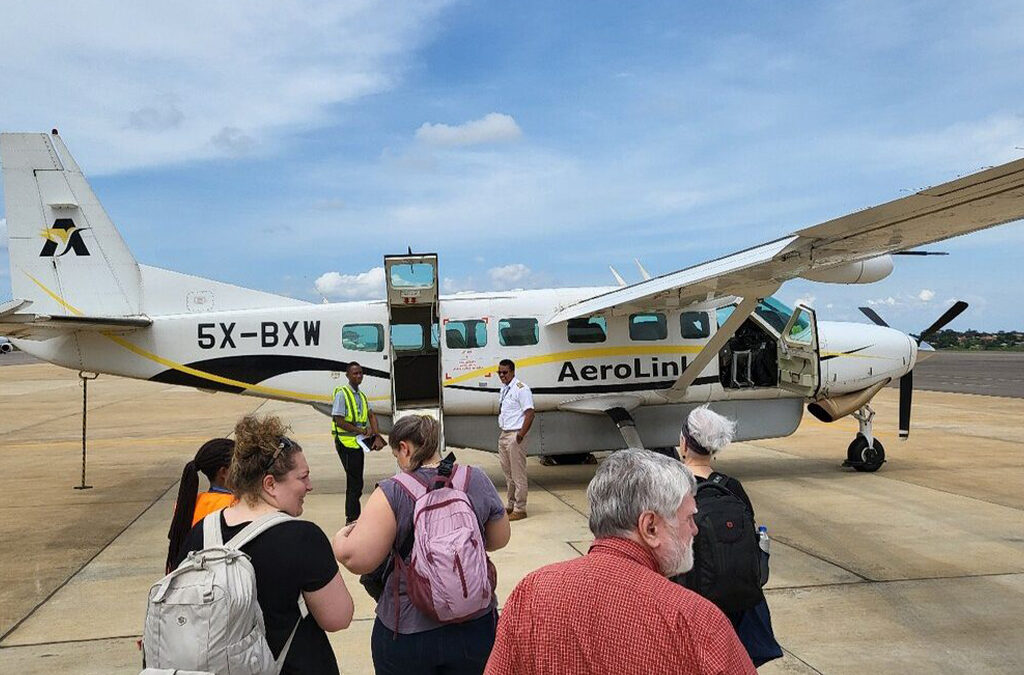
Bwindi Impenetrable Forest National Park, located in southwestern Uganda, is one of Africa’s most remarkable wildlife destinations. This ancient rainforest is globally known as a sanctuary for endangered mountain gorillas and attracts travelers eager to witness these gentle giants in their natural habitat. Because mountain gorillas share over 98% of human DNA, spending time near them is a deeply moving and unforgettable experience.
Beyond gorillas, Bwindi is a biodiversity hotspot filled with birds, mammals, primates, and rich cultural heritage. The park is divided into four main trekking sectors Buhoma, Ruhija, Rushaga, and Nkuringo each offering a unique gorilla trekking experience.
Getting to Bwindi from Entebbe International Airport can be done either by air or by road, depending on your time, budget, and travel style.
By Air: The Fastest Way to Reach Bwindi
For travelers who prefer to save time and enjoy scenic aerial views, flying is the quickest way to access Bwindi. Domestic flights depart from Entebbe International Airport or Kajjansi Airstrip and land at airstrips near the park.
There are two main airstrips serving Bwindi:
- Kihihi Airstrip – Convenient for visitors trekking in Buhoma and Ruhija sectors
- Kisoro Airstrip – Ideal for those visiting Rushaga and Nkuringo sectors
The flight from Entebbe to either airstrip takes approximately 1.5 to 2 hours. From the airstrip, a road transfer to your lodge can take between 1 to 3 hours, depending on the sector and road conditions. Along the way, you’ll pass through rolling hills, local villages, and stunning countryside landscapes.
Air travel is especially recommended for visitors on tight schedules or those seeking a more comfortable journey.
By Road: A Scenic Adventure Through Uganda
Traveling by road to Bwindi is longer but incredibly rewarding. The journey covers about 500 kilometers and takes 9 to 10 hours, depending on traffic, weather, and stopovers.
The route from Entebbe typically passes through:
Kampala → Mpigi → Masaka → Lyantonde → Mbarara → Ntungamo → Rukungiri/Kabale/Kisoro
Your final approach depends on the trekking sector:
- Buhoma & Ruhija (Northern sectors): Branch off via Rukungiri or Kabale
- Rushaga & Nkuringo (Southern sectors): Continue toward Kisoro
Although long, the drive offers beautiful scenery, including rolling hills, cattle farms, tea plantations, and roadside markets. Many travelers enjoy stopovers at the Equator crossing or for lunch in Mbarara town.
What to See in Bwindi Impenetrable Forest National Park
Bwindi is much more than a gorilla destination. It is a living, breathing rainforest filled with wildlife and cultural experiences.
Mountain Gorillas – The Main Attraction
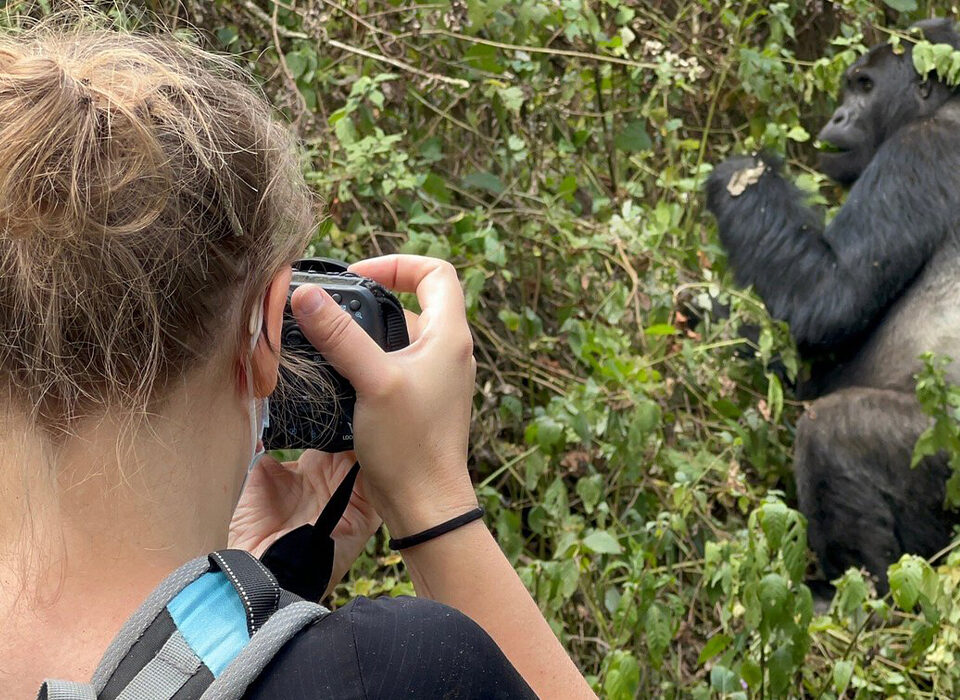
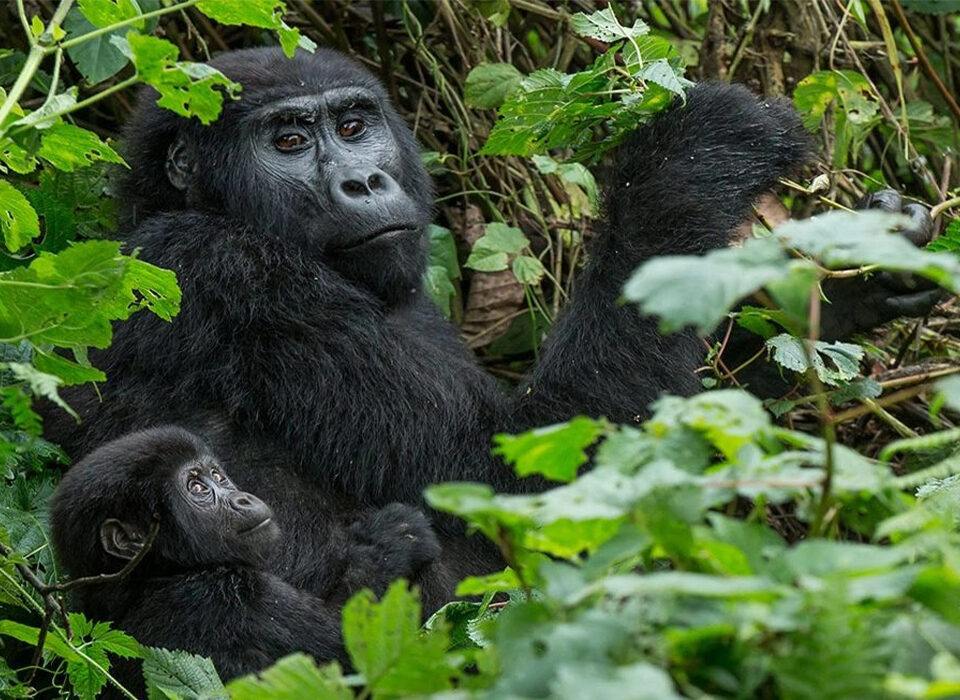
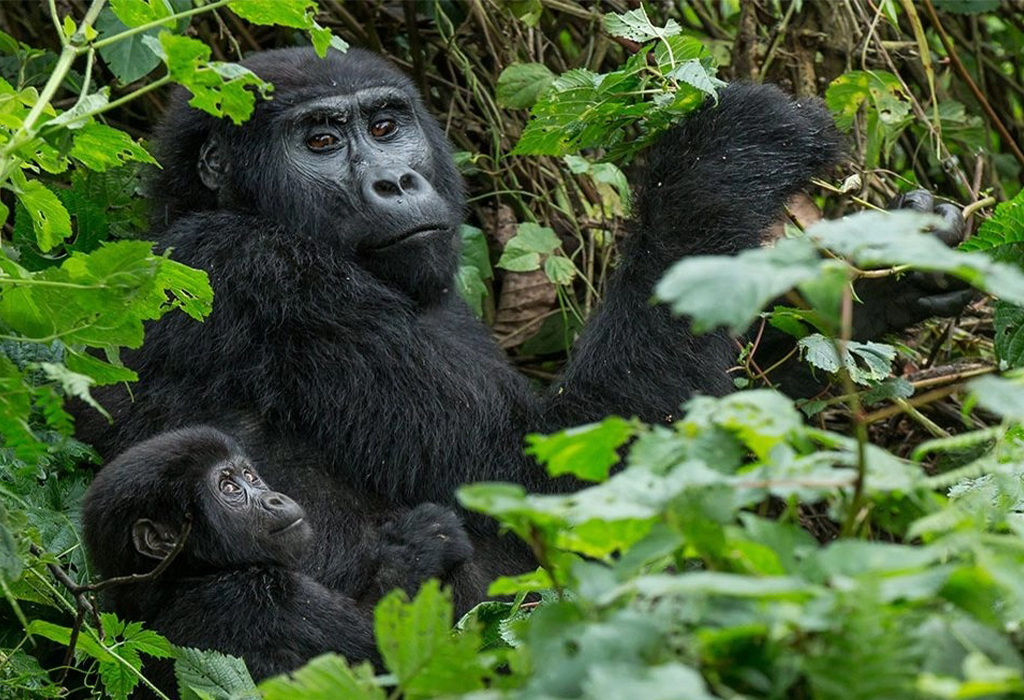
Mountain gorillas are the highlight of any visit to Bwindi. The park holds the largest population of mountain gorillas in the world, with several families habituated for tourism.
Only visitors aged 15 years and above are allowed to trek gorillas, and a valid gorilla permit is required. There are two main options:
- Gorilla Trekking Permit – Includes 1 hour with a fully habituated gorilla family
- Gorilla Habituation Experience – Allows up to 4 hours with a semi-habituated group (available only in Rushaga)
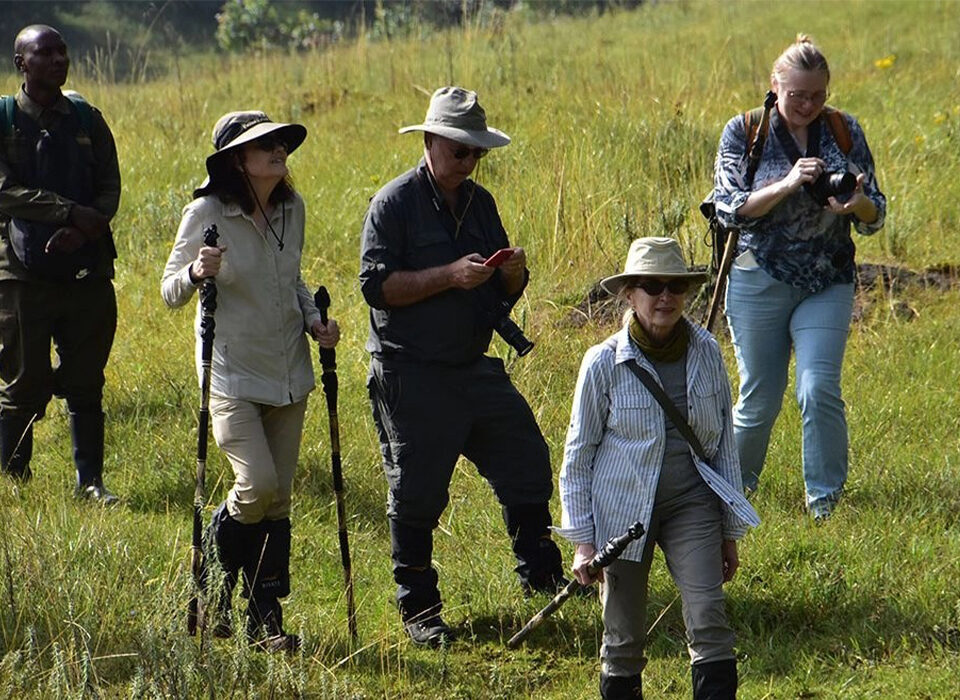
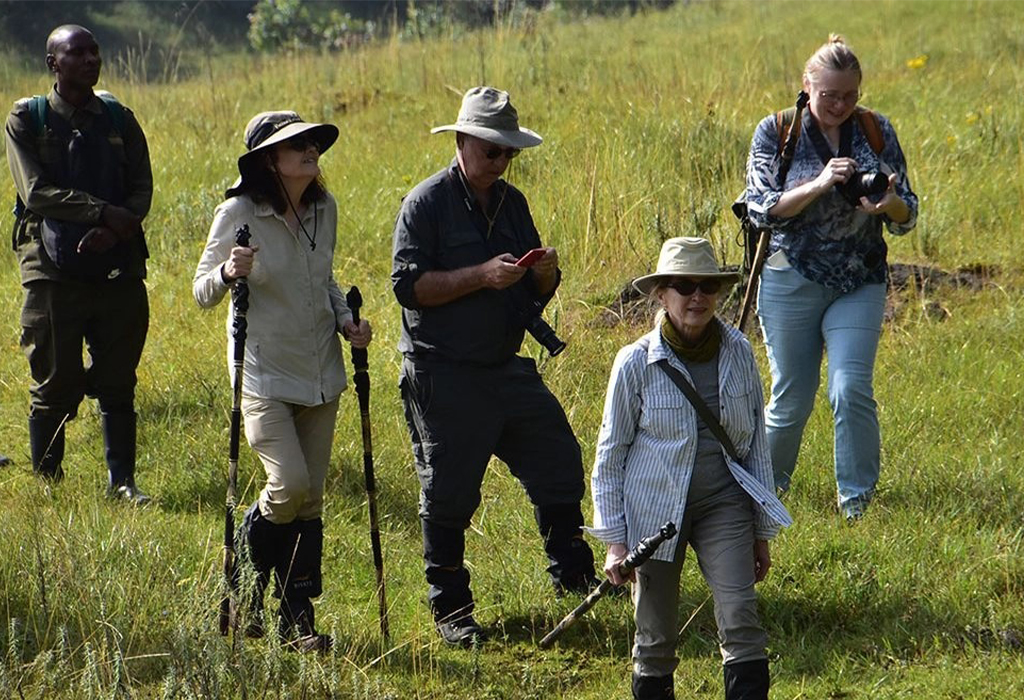
Each trekking day begins with a morning briefing by park rangers. You’ll learn safety guidelines and gorilla etiquette before heading into the forest with experienced ranger guides. The trek can take anywhere from 1 to several hours, depending on the gorillas’ location.
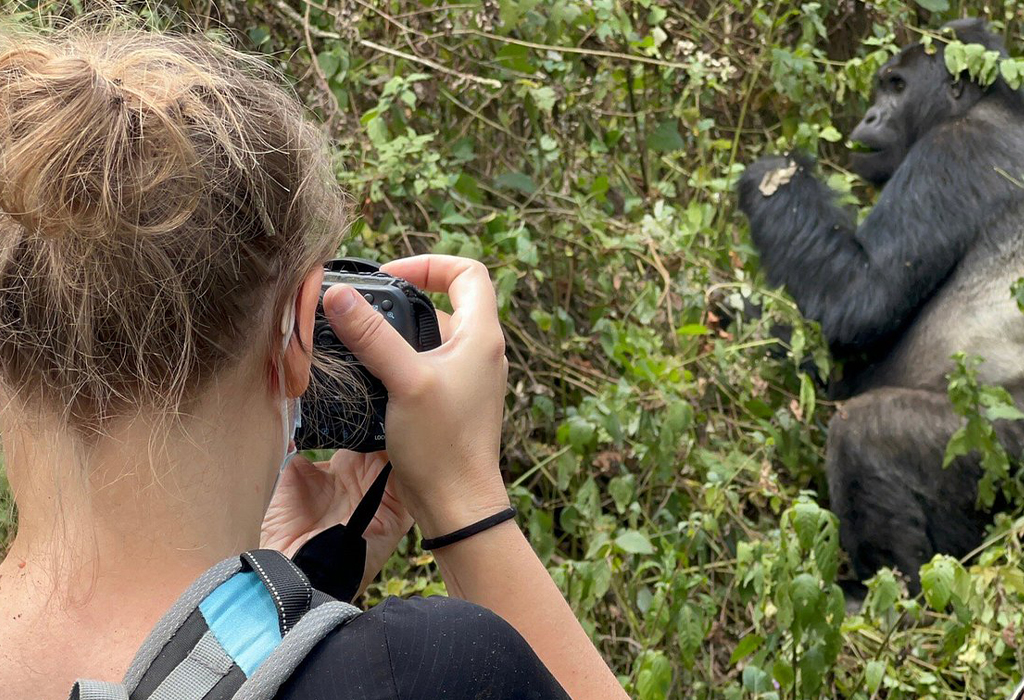
Once you find them, time seems to stand still. Watching gorillas feed, groom, and play in the misty forest is a powerful and emotional wildlife encounter.
Bird Watching in Bwindi
Bwindi is a paradise for bird lovers, with over 360 recorded bird species, including 23 Albertine Rift endemics. The dense forest, swamps, and bamboo zones provide diverse habitats for rare and colorful birds.
Notable species include:
- African Green Broadbill
- Grauer’s Broadbill
- Regal Sunbird
- Shelley’s Crimsonwing
- Black-billed Turaco
Birding is best done with experienced guides who know the calls, trails, and prime spotting areas across the four sectors.
The Batwa Cultural Experience
Before Bwindi became a national park, the forest was home to the Batwa pygmies, one of Africa’s oldest indigenous communities. Today, visitors can take part in a Batwa cultural experience near the park.
During the visit, Batwa elders share stories of their traditional forest life how they hunted, gathered food, and used medicinal plants. Cultural performances, songs, and dances offer a moving insight into their heritage and resilience.
This experience adds a meaningful cultural dimension to your wildlife safari.
Other Mammals and Primates
While trekking or on nature walks, you may also encounter other wildlife species such as:
- Forest elephants
- Giant forest hogs
- Black-and-white colobus monkeys
- L’Hoest’s monkeys
- Red-tailed monkeys
- Olive baboons
Though sightings are not guaranteed due to the thick forest, Bwindi remains one of Uganda’s richest ecosystems.
Best Time to Visit Bwindi
Bwindi can be visited year-round, but some months offer easier trekking conditions.
Dry Seasons (Best Time to Visit)
- June to September
- December to February
During these months, trails are less muddy, vegetation is thinner, and travel conditions are more comfortable.
Rainy Seasons (Challenging but Lush)
- March to May
- October to November
Rain makes trails slippery and trekking more demanding. However, the forest is beautifully green, birding is excellent, and permits may be easier to secure.
Final Thoughts
Whether you choose to fly for convenience or drive for scenery, reaching Bwindi is part of the adventure. Once there, the magical experience of standing face-to-face with mountain gorillas in their natural forest home makes every mile worthwhile.
Bwindi is not just a destination it’s a life-changing journey into the heart of Africa’s wilderness.