Embracing Sustainable Tourism in Rwanda
September 13, 2025
The Ellen DeGeneres Campus for Gorilla Conservation
September 13, 2025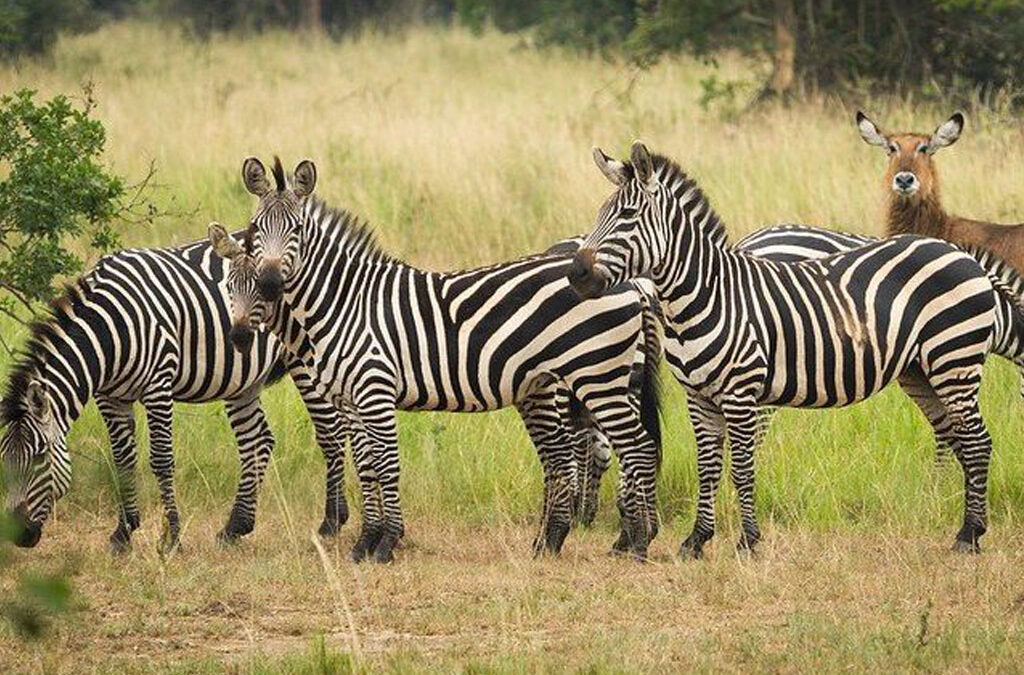
Akagera National Park is one of Rwanda’s most exciting safari destinations. It lies in the eastern part of the country along the border with Tanzania and covers 1,200 square kilometers. The park takes its name from the River Kagera, which feeds several lakes including Lake Gishanju, Lake Ihema, Lake Mihindi, Lake Rwanyakizinga, and Lake Shakani. These water bodies, combined with rolling hills, forests, savannah grasslands, and open plains, create a breathtaking landscape that attracts visitors year after year.
History and Conservation Efforts
Akagera National Park, founded in 1934, went through a turbulent period after the 1994 genocide. Refugees moved into the park, cut down trees for timber, and hunted wildlife for survival. As a result, many animals became extinct, and domestic cattle began replacing wild species.
However, the story of Akagera changed in 2010. The Rwanda government, together with African Parks and international conservation partners, launched a massive restoration program. They reintroduced lions and rhinos, increased security by fencing the park, and used aerial surveillance to fight poaching.
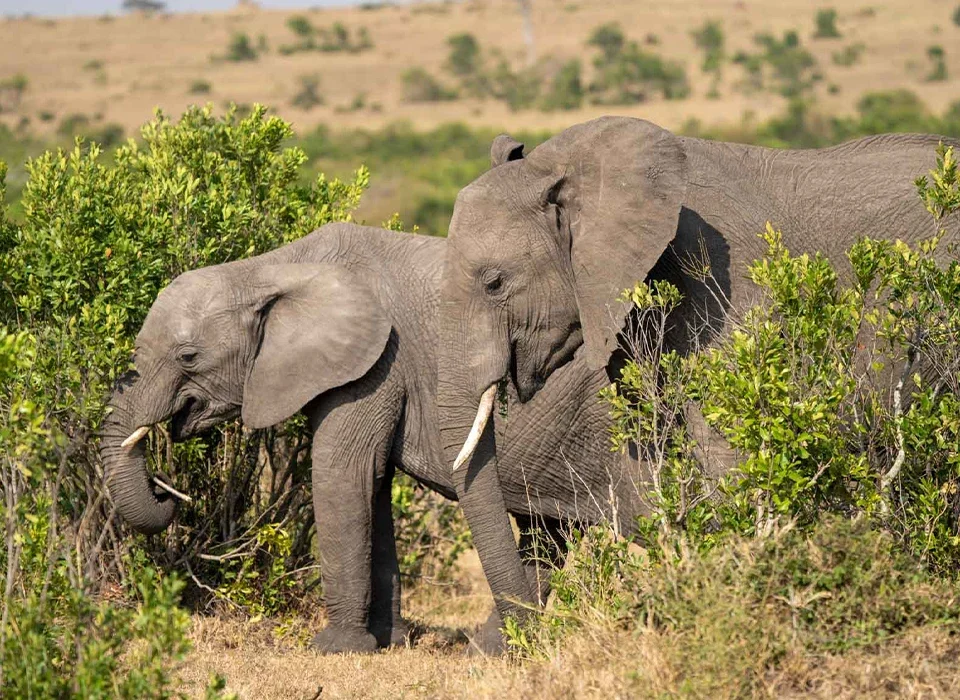
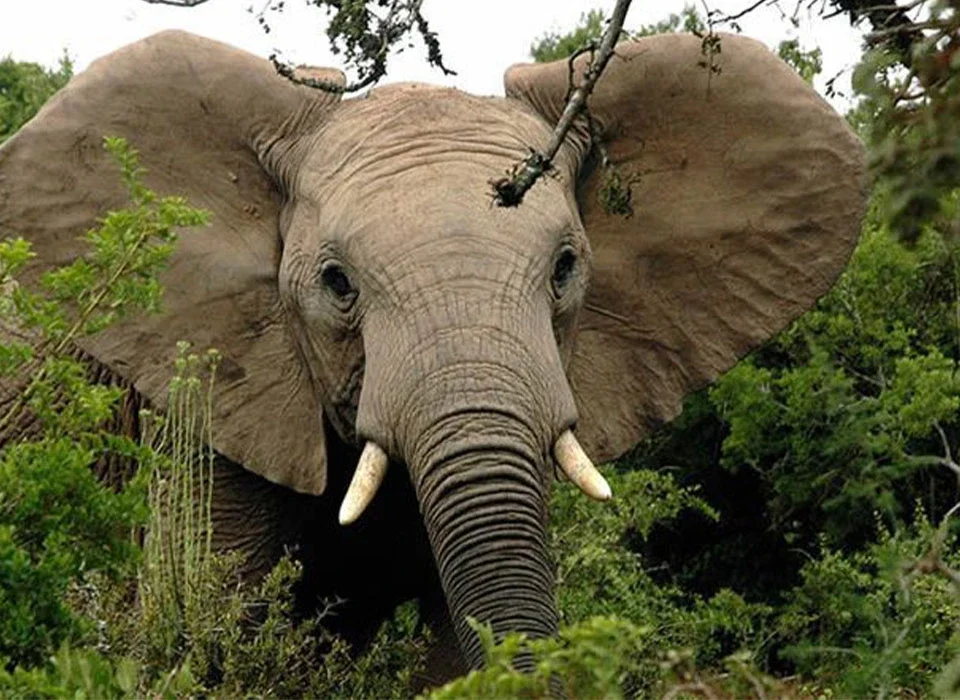
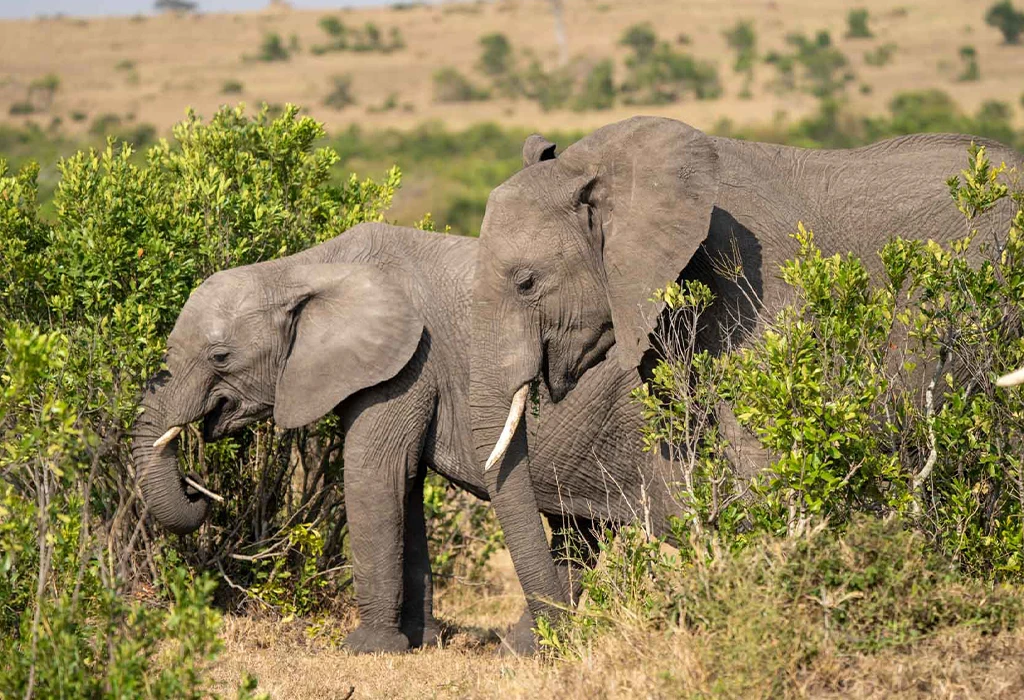
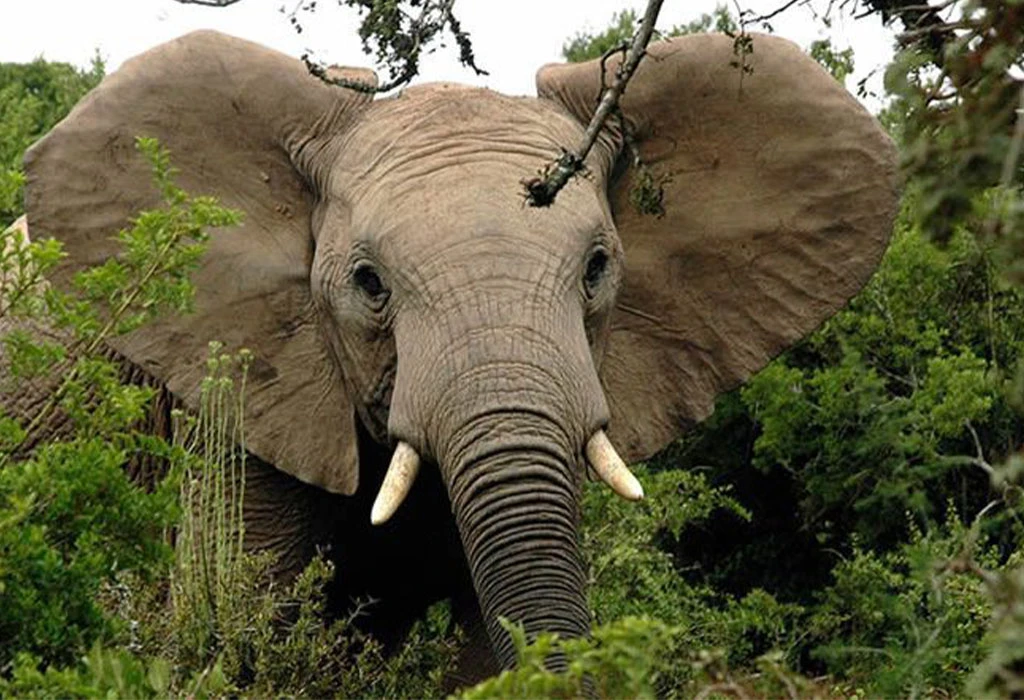
Thanks to these efforts, Akagera now thrives once again. Visitors can now find the Big Five—elephant, buffalo, lion, leopard, and rhinoceros—making the park Rwanda’s only true savannah safari destination.
Wildlife in Akagera National Park
When you go on safari in Akagera, you can expect to see a wide variety of wildlife.
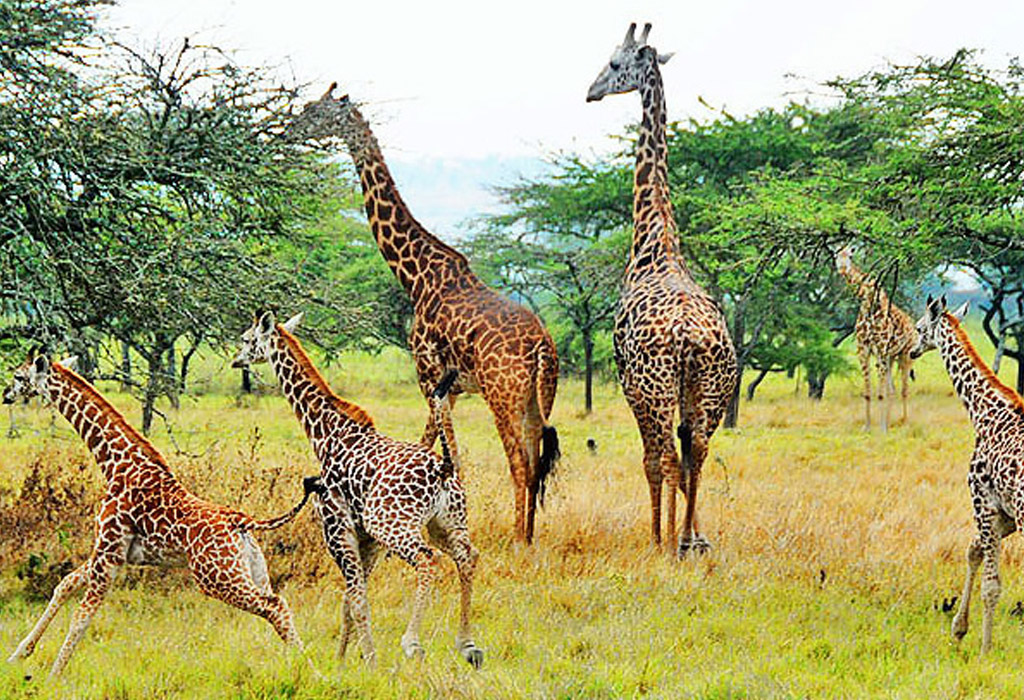
- Savannah animals: giraffes, zebras, eland, impala, topi, roan antelope, waterbuck, bushbuck, klipspringer, duiker, and warthogs.
- Predators: hyenas, side-striped jackals, serval cats, and leopards.
- Primates: olive baboons, vervet monkeys, blue monkeys, and bush babies.
- Water species: hippos and crocodiles thrive in the park’s lakes and swamps.
For birdwatchers, Akagera is truly rewarding. With over 500 bird species, you can spot everything from the colorful lilac-breasted roller to the elusive shoebill stork. You will also find crowned cranes, African fish eagles, turacos, cormorants, and herons.
How to Reach Akagera National Park
Reaching Akagera is easy, and you can choose either road or air transport.
- By Road: You can drive from Kigali to the park in about three hours on well-paved roads. If you start from Rwamagana or Kibungo, the journey takes around one hour. The final 27 km stretch to the park gate is a dirt road, but it remains passable even during the rainy season. Inside the park, you will need a 4×4 vehicle.
- By Air: Charter flights provide a faster option and allow you to enjoy sweeping aerial views of the park.
Most visitors prefer booking through a tour operator, as this ensures smooth arrangements for accommodation, permits, and activities.
Major Activities and Attractions in Akagera
1. Game Drives
Game drives remain the most popular way to explore Akagera. You can set out in the morning, afternoon, or at night. With the help of a knowledgeable park guide, you can quickly find the best spots for spotting elephants, lions, giraffes, and antelope.
At night, the experience becomes even more thrilling. Using spotlights, you can see nocturnal species like leopards, hyenas, bush babies, owls, and genets. Night drives usually last about 2–3 hours and give you a chance to witness wildlife you would rarely encounter during the day.
2. Boat Trips on Lake Ihema
If you love water-based safaris, you will enjoy a boat trip on Lake Ihema. While cruising, you can spot hippos, crocodiles, and elephants along the shore. Birdlife here is spectacular, with sightings of fish eagles, kingfishers, jacanas, and cormorants. Scheduled boat trips are affordable, while private hires allow a more intimate experience.
3. Birdwatching
Birdwatchers will find Akagera irresistible. The park’s diverse habitats host over 450 bird species. You can expect to see species such as the Ross’s turaco, black-headed gonolek, arnot’s chat, red-faced barbet, and the long-tailed cisticola. With some luck, you may also spot the rare shoebill stork.
4. Sport Fishing
At Lake Shakani, visitors can try their hand at sport fishing. You can catch tilapia and catfish while enjoying the views of birds and wildlife along the lakeshore. Fishing permits are affordable, and tournaments are sometimes held, giving you the chance to cook and taste your fresh catch.
5. Nature Walks and Fence Walks
To experience Akagera on foot, you can join a guided nature walk. Rangers lead you through trails that pass lakes, swamps, and forests, giving you a chance to appreciate the park’s biodiversity up close. Alternatively, you can join rangers for a 7 km fence walk. This free activity takes about two hours and showcases how the fence has helped reduce poaching and human-wildlife conflict.
6. Cultural Visits
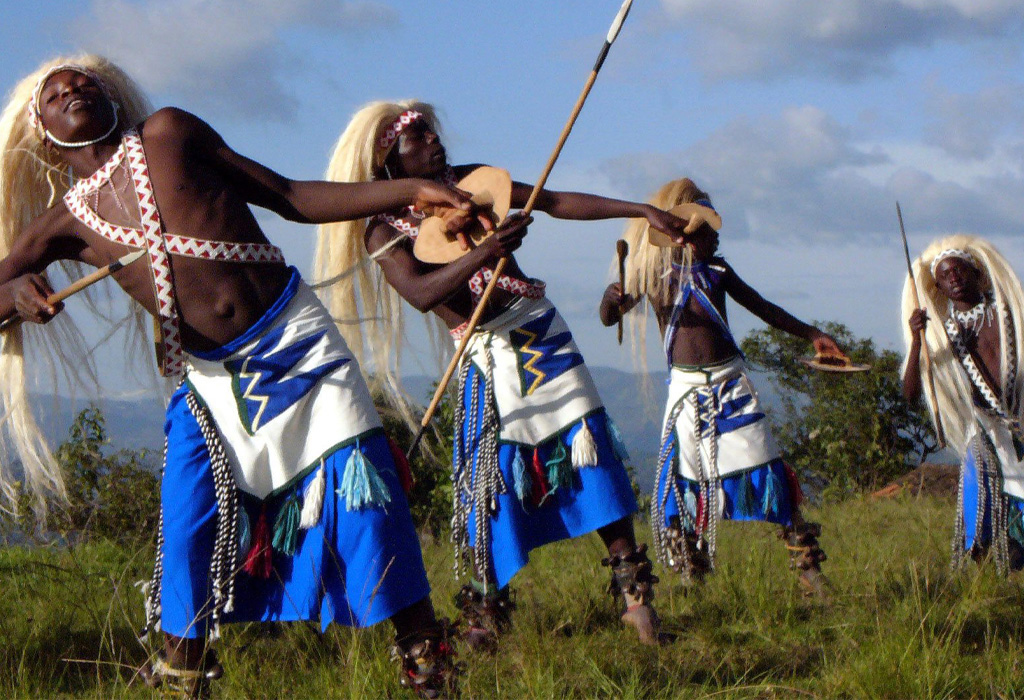
Akagera also offers cultural encounters with nearby communities. Local guides will take you to villages where you can learn about cattle keeping, traditional beer brewing, local food preparation, and traditional dances. These visits provide a deeper connection to Rwanda’s culture and heritage.
Best Time to Visit Akagera National Park
You can visit Akagera at any time of year, but the dry season (December–February and June–September) is the most rewarding. During this time, animals gather around waterholes, making them easier to spot.
On the other hand, the rainy season (March and April) transforms the park into a lush paradise. However, roads may become more challenging to navigate.
Practical Tips for Visitors
- Opening hours: The park opens daily from 6:00 am to 6:00 pm.
- Entry fees: International visitors pay about $40.
- Health tips: Get vaccinated against yellow fever before traveling. Carry malaria tablets, insect repellent, and wear long-sleeved shirts with dull colors to avoid insect bites.
- Transport: Always hire a reliable 4×4 vehicle for a smooth experience inside the park.
Where to Stay in Akagera National Park
Accommodation options in Akagera are steadily growing. You can choose between luxury lodges, mid-range hotels, budget stays, and camping.
- Luxury options:
- Ruzizi Tented Lodge – An eco-friendly lodge with solar-powered tents overlooking Lake Ihema.
- Magashi Lodge – A private, exclusive luxury camp in a remote part of the park.
- Mid-range option:
- Akagera Game Lodge – A large hotel inside the park offering swimming pools, conference rooms, and a range of room types.
- Budget option:
- Dereva Hotel – A comfortable hotel in Rwamagana, just 40 minutes from the park.
- Seasonal camp:
- Karenge Bush Camp – Open only during peak seasons and known for its intimate and eco-friendly setup.
For adventurous travelers, camping is also allowed inside the park. Campsites cost about $20 per person per night and provide firewood, latrines, and basic facilities.
Final Thoughts
Akagera National Park is a true conservation success story. From near extinction to a thriving haven for the Big Five, the park now ranks among East Africa’s top safari destinations. Its mix of wildlife, beautiful landscapes, cultural experiences, and eco-friendly lodges ensures an unforgettable safari. Whether you spend a single day or several nights, Akagera guarantees an authentic taste of the African wilderness.