
What’s the Difference Between Kibale and Budongo Forests? | Uganda Safari Guide
October 24, 2025
Can I Do a Full-Day Chimpanzee Habituation Experience? | Uganda Safari Guide
October 24, 2025
How Much Is a Chimp Tracking Permit?
Chimpanzee tracking is one of the most exhilarating wildlife experiences you can have in Africa. Deep in Uganda’s ancient rainforests, you can follow the calls of the wild and come face-to-face with our closest relatives in their natural habitat. The excitement of watching chimpanzees swing through the trees, groom each other, or play on the forest floor is an unforgettable encounter that connects you to the raw beauty of nature in an intimate and meaningful way.
But before you can embark on this incredible adventure, there’s one key requirement every traveler must consider — the chimpanzee tracking permit. This permit grants you official access to track and observe chimpanzees in Uganda’s protected areas, and it helps support conservation and community development efforts.
So, how much does a chimpanzee tracking permit cost? The answer depends on where you plan to track, what kind of experience you want, and the season in which you’re traveling. Let’s explore the full details of chimpanzee tracking permits in Uganda, what they include, and why they’re absolutely worth it.
What Is a Chimpanzee Tracking Permit?
A chimpanzee tracking permit is an official document issued by the Uganda Wildlife Authority (UWA) or, in some cases, the National Forestry Authority (NFA) that allows visitors to enter designated chimpanzee habitats under the supervision of trained guides and rangers.
These permits are designed to regulate the number of people visiting the forests each day, minimizing human impact on the chimpanzees and their environment. The funds collected from permits go directly toward conservation, habitat protection, ranger training, and community development around the parks.
Each permit grants you access for one tracking session, which typically includes:
- A pre-tracking briefing with expert guides.
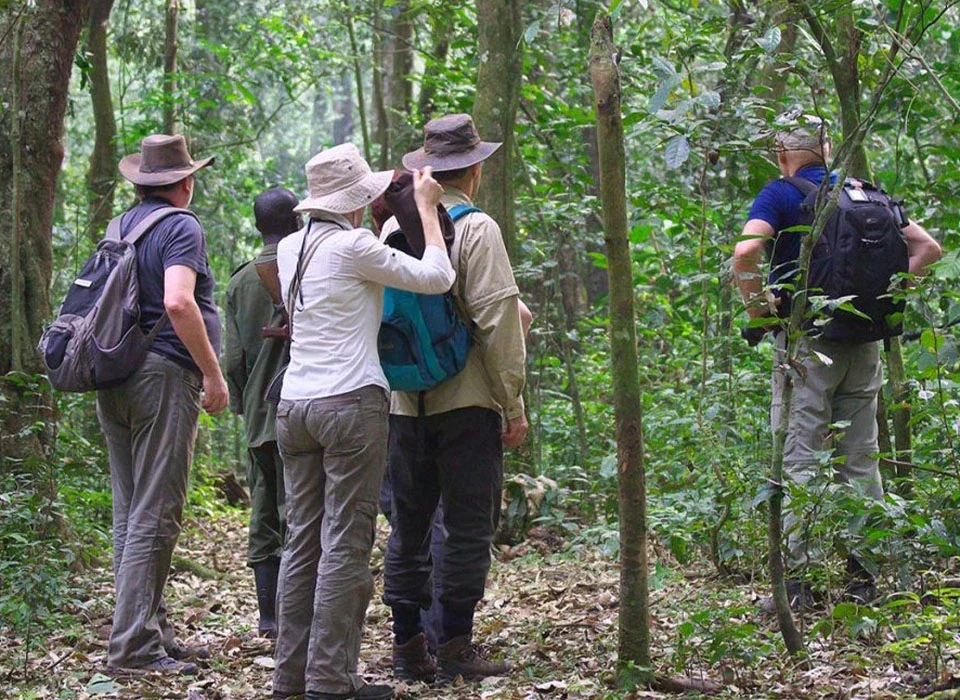
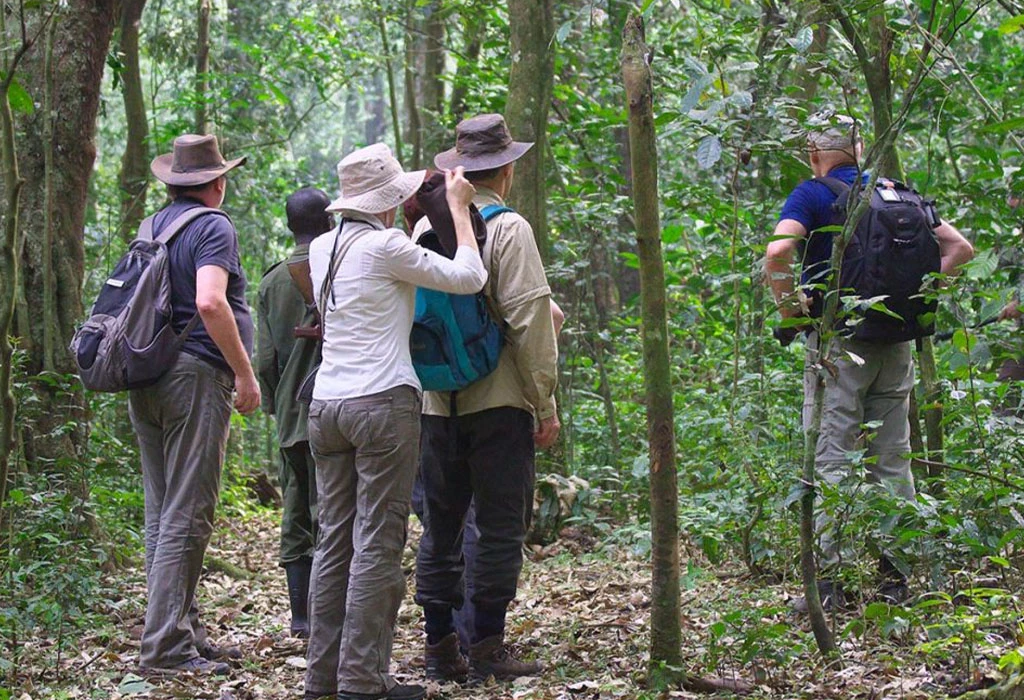
- A guided walk through the forest in search of chimpanzees.
- Up to one hour of observation once the chimpanzees are found.
- Security and safety supervision from professional rangers.
How Much Does a Chimpanzee Tracking Permit Cost in Uganda?
The cost of a chimpanzee tracking permit varies depending on the location. Uganda has several prime destinations for chimpanzee tracking, and each is managed slightly differently. The most popular sites include Kibale National Park, Budongo Forest, Kalinzu Forest Reserve, and Kyambura Gorge in Queen Elizabeth National Park.
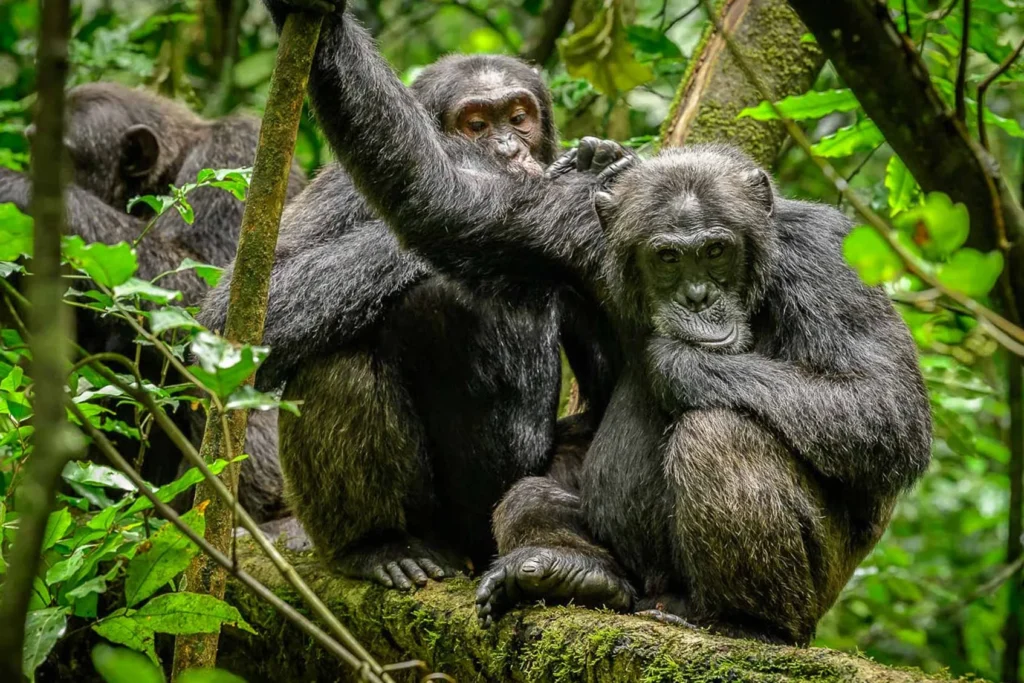
Here is the current breakdown of chimpanzee tracking permit costs in Uganda as of 2025:
1. Kibale National Park
- Foreign Non-Residents: USD 250 per person
- Foreign Residents (with work permit): USD 200 per person
- East African Citizens: UGX 180,000 per person
Kibale National Park is Uganda’s most famous chimpanzee tracking destination, often called the Primate Capital of the World. It offers the highest success rate — around 95% — for finding chimpanzees in the wild.
The price includes the services of expert UWA rangers and guides, conservation fees, and one hour of chimpanzee viewing. Kibale also offers a unique Chimpanzee Habituation Experience (CHEX), which allows you to spend more time — up to four hours — with the chimps at a higher cost:
- Chimpanzee Habituation Experience (CHEX): USD 300 per person (Foreign Non-Residents).
This special experience is available for those who want a deeper, more immersive encounter, observing semi-habituated chimpanzees as they go about their daily lives.
2. Budongo Forest Reserve (Kaniyo Pabidi)
- Foreign Non-Residents: USD 130 per person
- Foreign Residents: USD 110 per person
- East African Citizens: UGX 85,000 per person
Budongo Forest, located near Murchison Falls National Park, offers an excellent alternative to Kibale. The forest is home to around 800 chimpanzees and is famous for its towering mahogany trees and calm, natural atmosphere.
Tracking here is managed by the Jane Goodall Institute and the Uganda Wildlife Authority, ensuring high conservation standards. Visitors enjoy a more peaceful experience, as the forest receives fewer tourists than Kibale.
3. Kalinzu Forest Reserve
- Foreign Non-Residents: USD 50 per person
- Foreign Residents: USD 50 per person
- East African Citizens: UGX 20,000–30,000 per person
Kalinzu Forest is managed by the National Forestry Authority (NFA) and lies just outside Queen Elizabeth National Park. It is a fantastic budget-friendly option for travelers who want to see chimpanzees without spending too much.
The forest is home to about 320 chimpanzees, with roughly 70 habituated for visitors. The experience is wild and authentic, with a very high success rate for sightings.
4. Kyambura Gorge (Queen Elizabeth National Park)
- Foreign Non-Residents: USD 50 per person
- Foreign Residents: USD 50 per person
- East African Citizens: UGX 30,000–40,000 per person
Kyambura Gorge, also known as the Valley of the Apes, offers one of the most scenic chimpanzee tracking experiences in Uganda. This deep forested canyon is surrounded by golden savannah, creating a stunning contrast of landscapes.
While the chimp population here is smaller (about 30 individuals), the dramatic scenery makes the experience worthwhile. The permit price is more affordable, and the activity is run by the Uganda Wildlife Authority.
5. Toro-Semliki Wildlife Reserve
- Foreign Non-Residents: USD 50 per person
- Foreign Residents: USD 50 per person
- East African Citizens: UGX 30,000–40,000 per person
For travelers seeking a remote and less-touristy adventure, Toro-Semliki offers a unique environment where chimpanzees live in drier, open woodland habitats. While sightings are less predictable, the experience feels wild and raw, ideal for adventurers and researchers.
Why Do Chimp Tracking Permit Prices Vary?
Several factors influence the differences in permit prices across Uganda’s forests:
- Conservation Management: Kibale National Park is managed by the Uganda Wildlife Authority, which maintains world-class infrastructure, trained rangers, and conservation programs. Budongo, managed in partnership with the Jane Goodall Institute, also requires significant resources for research and forest protection.
- Chimpanzee Population Density: Parks with higher chimp populations and better tracking success rates, such as Kibale, tend to charge more.
- Tourism Demand: Kibale is a top destination for international tourists, while Kalinzu and Kyambura cater more to budget travelers and domestic visitors.
- Experience Type: Standard tracking gives one hour with the chimps, while the habituation experience allows several hours, thus costing more.
How to Book a Chimpanzee Tracking Permit
You can obtain a chimpanzee tracking permit in two main ways:
- Through the Uganda Wildlife Authority (UWA): You can contact UWA directly in Kampala or Fort Portal to purchase a permit for Kibale, Budongo, or Kyambura. However, slots are limited, and early booking (at least 3–6 months in advance) is strongly advised.
- Through a Licensed Tour Operator: The easiest and most convenient way is to book through a trusted tour company such as Experiya Tour Company. They handle all the logistics — from reserving permits to arranging transportation, accommodation, and guides — saving you the hassle of dealing with multiple offices.
Chimpanzee tracking permits sell out quickly, especially during the peak seasons (June–September and December–February), so booking early guarantees your spot.
What’s Included in a Chimpanzee Tracking Permit
A valid chimpanzee tracking permit includes:
- One chimpanzee tracking session with professional guides and rangers.
- One hour of observation once the chimps are found.
- Entry into the park or reserve for the duration of the activity.
- Safety measures and escort throughout the experience.
What’s not included are transport, meals, accommodation, or tips for guides. These are usually arranged separately or included in safari packages through tour companies.
Why Chimpanzee Tracking Is Worth the Price
While some travelers initially find the permit prices high, it’s important to understand what they support. The money from chimpanzee permits goes directly toward:
- Conservation: Protecting chimpanzees, their habitats, and other wildlife.
- Community Development: Funding schools, health centers, and eco-tourism initiatives for local communities.
- Research and Monitoring: Supporting scientific studies that help us understand and preserve primate behavior.
- Ranger Salaries and Anti-Poaching Units: Ensuring forest protection and safety for both visitors and wildlife.
In essence, every permit purchased contributes to the long-term survival of chimpanzees and the sustainable growth of Uganda’s eco-tourism industry.
When Is the Best Time to Track Chimpanzees?
Chimpanzee tracking can be done year-round, but the dry seasons — from June to September and December to February — are considered the best. Trails are drier, trekking is easier, and the chances of spotting chimps are very high.
During the wet seasons (March–May and October–November), forests are lush and beautiful, though trails can be muddy. The advantage is fewer tourists and better photography conditions, thanks to softer light and vibrant greenery.
How to Prepare for Chimpanzee Tracking
To make the most of your experience:
- Wear long-sleeved shirts and trousers to protect against insects and thorns.
- Bring hiking boots with good grip.
- Carry water, snacks, and insect repellent.
- Bring binoculars and a camera (without flash).
- Follow your guide’s instructions closely for safety and respect for the chimpanzees.
Remember, these are wild animals, and maintaining a safe distance ensures both your safety and their comfort.
Recommended Safari Operator: Experiya Tour Company
For a seamless and unforgettable chimpanzee tracking adventure, travel with Experiya Tour Company — one of Uganda’s leading safari specialists. Experiya offers tailor-made tours that combine chimpanzee tracking with other remarkable experiences, such as gorilla trekking, wildlife safaris, and cultural visits.
Their team of professional guides ensures you have the best chance of seeing chimpanzees in the wild, whether in Kibale, Budongo, or Kalinzu. Experiya also takes care of all permit bookings, park entries, transport, and accommodation, allowing you to focus entirely on the experience.
With Experiya Tour Company, every moment in Uganda’s forests becomes an unforgettable journey — from the first rustle of leaves to the magical moment you lock eyes with a chimpanzee in the wild.