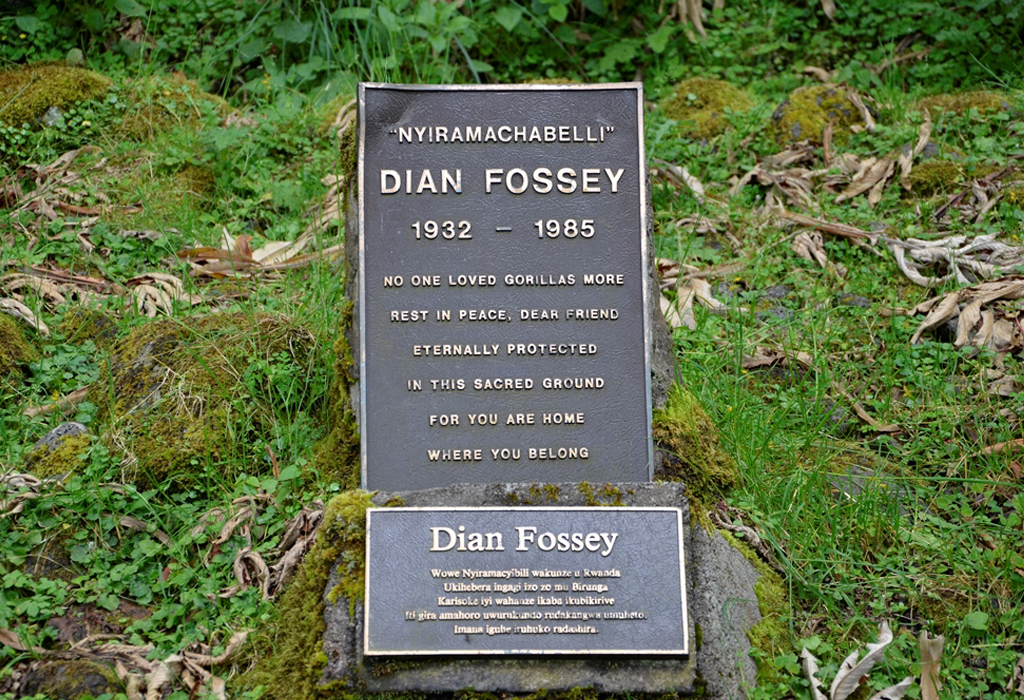
Hike to Dian Fossey Tomb in Volcanoes National Park
August 28, 2025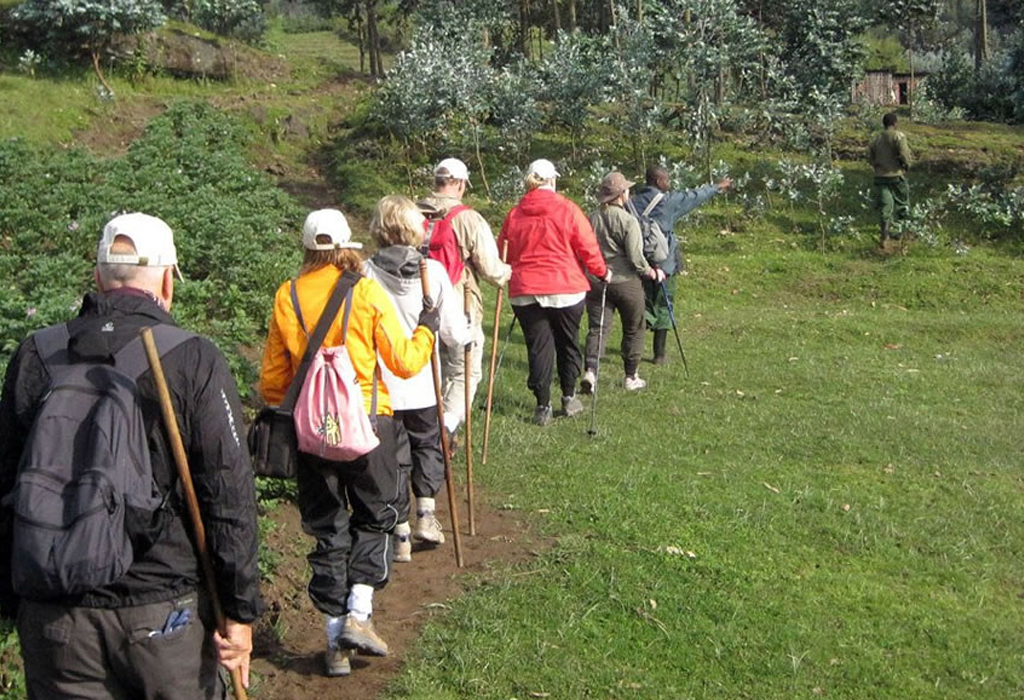
Ngezi Nature Walk, Rwanda
August 28, 2025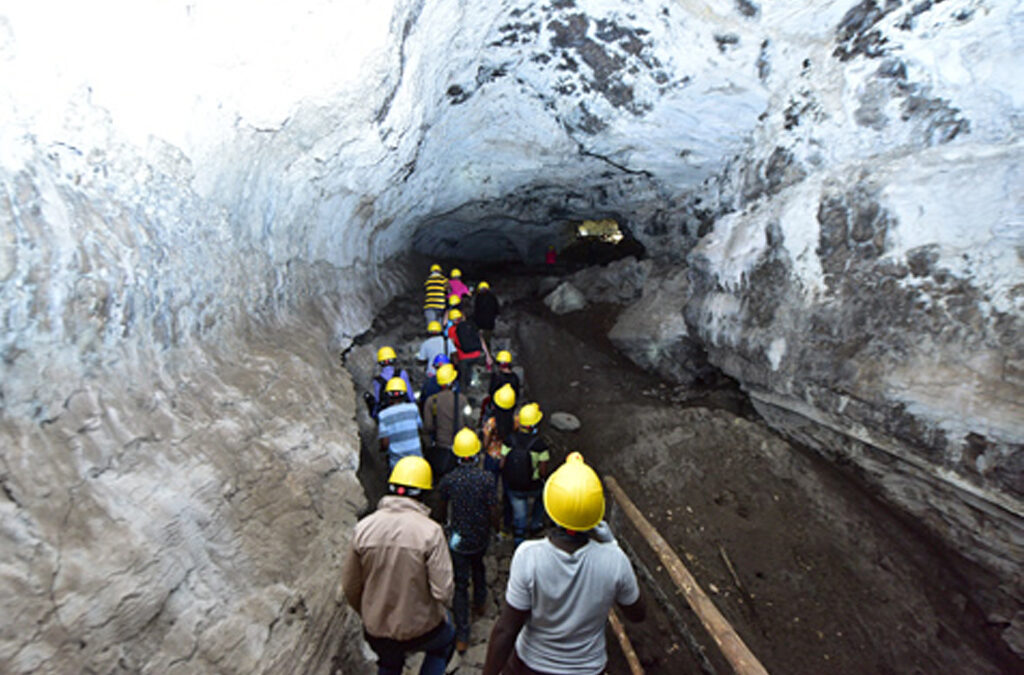
Touring the Musanze Caves offers an enchanting adventure to explore some of Rwanda’s most fascinating geological formations. Nestled on the foothills of Volcanoes National Park (160 km²) in northwestern Rwanda, these ancient caves captivate visitors with their natural beauty, rich history, and sense of mystery.
Exploring the Musanze Caves provides insight into their formation, wildlife—especially bats—and centuries-old history. Stretching approximately 2 kilometers in length, the caves once served as cover and protection for warriors during battles. They also played an important cultural role as sites for crowning new kings.
The Musanze Caves Experience
A guided tour of the Musanze Caves takes around 2 to 2.5 hours. The caves have at least 31 entrance points, and visitors can move comfortably along paved floors and stairways. Inside, the caves are tranquil and mostly dark, with only a few rays of light streaming through the openings. Visitors rely on headlights for clear views and photography. The cool atmosphere, combined with the squeaking and chirping of bats, creates an otherworldly experience that adds to the caves’ allure.
Most tours begin around 7:00 a.m. upon arrival at Musanze. To participate, visitors must be at least 12 years old and hold a valid permit issued by the Rwanda Development Board. The permit fees are as follows:
- Foreign non-resident – US$ 50
- Foreign resident – US$ 30
- East African foreign resident – US$ 30
- Rwandan/East African Community citizen – RWF 4,000
Best Time to Visit
The Musanze Caves are open all year round. However, the dry season is the best time to explore them. With bright sunshine and clear skies, visibility inside the caves is much better. Additionally, the dry ground makes walking easier and safer compared to the rainy season. Rwanda’s dry seasons fall between December and February, and again from June to August.
How to Get There
Travelers can reach the Musanze Caves from Kigali city by road. The distance from Kigali to Musanze is about 96 kilometers northwest, which takes 2 to 2.5 hours by car. This scenic journey can be done using either public or private transport, though private transport offers more convenience and comfort.
For a quicker option, air transport is available. A helicopter flight from Kigali International Airport to Musanze airstrip takes about 30 minutes. From there, visitors can connect easily to the caves with ground transfers.
Other Activities Nearby
Beyond touring the Musanze Caves, Volcanoes National Park offers a wide range of memorable experiences, such as:
- Gorilla trekking – A guided hike through the dense forest to encounter critically endangered mountain gorillas in their natural habitat. Visitors must be at least 15 years old and in good physical condition to take part in this extraordinary adventure.
- Golden monkey trekking – A similar experience to gorilla trekking but focused on locating habituated golden monkeys. This activity is open to visitors aged 12 and above and often includes sightings of birds and other primates.
- Hiking Mount Karisimbi – A challenging trek to Rwanda’s highest peak at 4,507 meters above sea level. This hike rewards adventurers with panoramic views, vibrant birdlife, and unique plant species.
- Cultural encounters – A visit to the communities around Volcanoes National Park, especially the Batwa people, offers deep insights into traditional lifestyles, conservation practices, music, dance, and storytelling.
- Hike to Dian Fossey’s Tomb – A moving experience to honor the renowned primatologist who dedicated nearly two decades to protecting mountain gorillas. The hike also provides fascinating lessons about her groundbreaking work and legacy.
What to Pack for the Musanze Caves Tour
To ensure a safe and enjoyable tour, pack the following essentials:
- Light clothing, preferably long-sleeved shirts and trousers
- A warm sweater
- A light rain jacket
- A helmet to protect against bats and falling debris
- A torch or headlamp
- Comfortable walking shoes with a firm grip
- Insect repellent
- Sunscreen
- Garden gloves for hand protection on slippery surfaces
- A camera with extra batteries
- A basic first aid kit including personal medication
- A daypack
- Safety glasses
- Extra cash for tipping and souvenirs
- Travel documents