
Where to See Wildlife Near Kigali?
October 19, 2026
Does Rwanda Have Beach Resorts?
October 19, 2026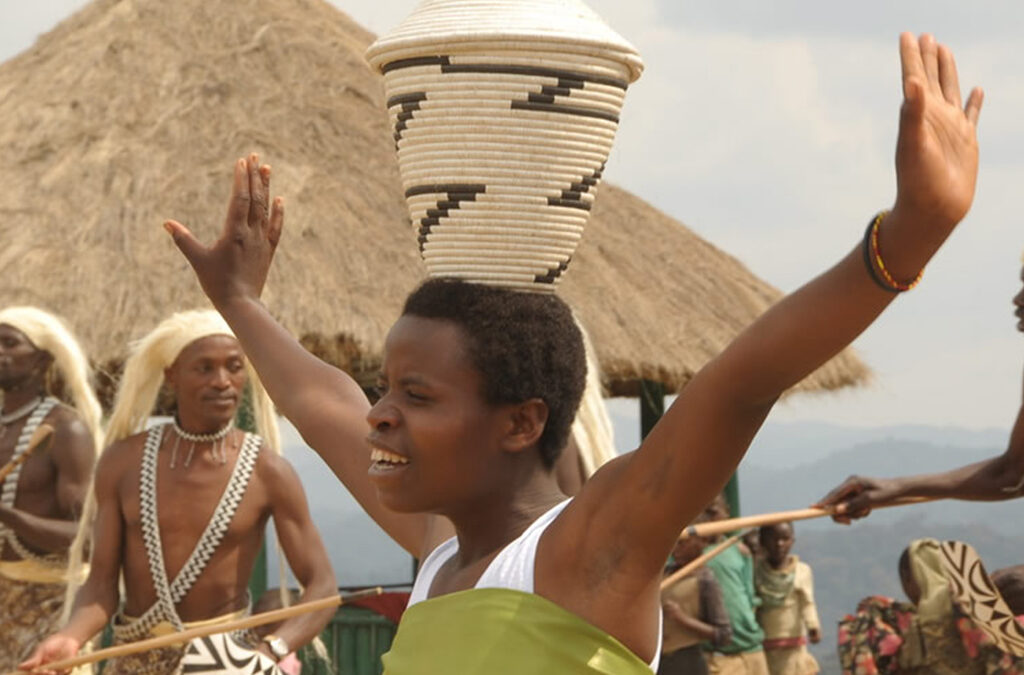
Why Visit Rwanda’s Cultural Villages?
Rwanda, widely known as the “Land of a Thousand Hills,” attracts visitors with its breathtaking landscapes, remarkable wildlife, and rich cultural heritage. However, beyond its natural beauty, the country offers travelers an opportunity to discover its traditions, customs, arts, music, and way of life through its cultural villages. These destinations provide an authentic glimpse into Rwanda’s history while allowing visitors to interact with local communities and appreciate the traditions that continue to shape Rwandan society.
Whether you enjoy history, traditional performances, local cuisine, or community-based tourism, Rwanda’s cultural villages offer memorable experiences that connect you with the heart of the country. Here are some compelling reasons to include these cultural destinations in your Rwandan travel itinerary.
1. Discover Rwanda’s Rich Cultural Heritage
Rwanda has a fascinating cultural history shaped by centuries of tradition, craftsmanship, storytelling, and community life. Cultural destinations such as Iby’Iwacu Cultural Village, also known as the Gorilla Guardians Village, help visitors explore this heritage through interactive experiences and demonstrations.
As you visit these destinations, you can learn how Rwandans traditionally constructed their homes, prepared food, practiced their customs, and organized their communities. In addition, local guides and cultural performers share stories about the values, beliefs, and historical experiences that have influenced Rwandan society.
Rather than simply reading about the country’s past, you can experience its cultural traditions firsthand. Consequently, visiting these villages provides a deeper understanding of Rwanda’s identity and the importance of preserving its heritage for future generations.
2. Experience Traditional Rwandan Dance and Music
Traditional music and dance form an essential part of Rwanda’s cultural identity. Therefore, attending a cultural performance offers one of the most exciting ways to experience the country’s artistic traditions.
Among the most celebrated performances is the Intore dance, a traditional dance historically associated with Rwanda’s royal court. Dancers demonstrate impressive coordination, energetic movements, and disciplined choreography while wearing distinctive traditional costumes.
Furthermore, musicians introduce visitors to traditional instruments such as the inanga, a stringed instrument, and the umuduri, a musical bow. Through their performances, they communicate stories, celebrate important occasions, and preserve musical traditions passed down through generations.
In many cultural settings, visitors can also participate in dancing, drumming, and other activities alongside local performers. As a result, you do more than watch a performance; you become part of an engaging cultural experience that brings Rwanda’s traditions to life.
3. Explore Traditional Crafts and Artistic Skills
In addition to music and dance, Rwanda’s cultural villages showcase the creativity and craftsmanship of local artisans. Across these cultural destinations, visitors can discover traditional techniques used to produce pottery, woven baskets, beadwork, and other handmade items.
For example, Rwandan basket weaving demonstrates remarkable patience, precision, and artistic skill. Traditional baskets, including the well-known agaseke, often carry cultural significance and serve practical purposes in homes and communities.
Moreover, artisans may explain how they select materials, develop patterns, and pass their skills from one generation to another. Some cultural experiences also allow visitors to participate in craft-making activities under the guidance of local experts.
Consequently, you gain a greater appreciation for the effort behind each handmade item while learning how traditional craftsmanship continues to support livelihoods and preserve cultural knowledge. You may even purchase locally made crafts as meaningful souvenirs of your visit.
4. Connect with Local Communities
One of the greatest advantages of visiting Rwanda’s cultural villages is the opportunity to interact directly with local people. These encounters allow travelers to move beyond conventional sightseeing and develop a more personal understanding of everyday life in Rwanda.
During your visit, community members may share stories about their families, traditions, occupations, and community values. Depending on the destination and activities offered, you might also participate in traditional cooking demonstrations, learn about household practices, or observe cultural activities.
Furthermore, these interactions encourage meaningful cultural exchange. While local people introduce you to their customs and perspectives, you also have an opportunity to ask questions and learn about the experiences that shape their daily lives.
By engaging respectfully with community members, you can develop a deeper appreciation of Rwanda’s hospitality and cultural diversity. At the same time, choosing community-based tourism experiences can help generate income for local households and cultural practitioners.
5. Discover the Flavors of Traditional Rwandan Cuisine
Food provides another wonderful way to understand Rwanda’s cultural heritage. Traditional dishes reflect local agricultural practices, available ingredients, family traditions, and the importance of sharing meals within communities.
During your visit to a cultural village, you may have an opportunity to sample or learn about several popular Rwandan dishes, including:
- Isombe: A dish prepared with cassava leaves, often cooked with groundnuts and other ingredients.
- Ugali: A firm staple made from maize flour and water, commonly served with vegetables, beans, or meat.
- Ibihaza: A traditional dish combining pumpkin and beans.
- Brochettes: Grilled meat skewers commonly served in restaurants and local eateries.
In addition to tasting these dishes, some cultural experiences introduce visitors to traditional food preparation methods. You may learn how families select ingredients, prepare meals, and serve food during everyday gatherings or special occasions.
Consequently, exploring Rwandan cuisine becomes more than a culinary adventure. It provides insight into local customs, agricultural traditions, and the role food plays in bringing people together.
6. Understand Rwanda’s Journey Toward Unity and Reconciliation
Rwanda’s cultural heritage also reflects the country’s painful history and its ongoing efforts to build a peaceful and united society. The 1994 Genocide against the Tutsi remains a defining tragedy in the nation’s history, and understanding its impact is important when exploring Rwanda’s modern identity.
Although cultural villages do not all focus on this historical period, some community-based experiences provide opportunities to learn about social change, resilience, and the preservation of shared cultural traditions.
Through appropriate historical and educational experiences, visitors can gain insight into Rwanda’s efforts to promote unity, reconciliation, and community rebuilding. However, travelers should approach these subjects with sensitivity and recognize that different communities and individuals may have their own experiences and perspectives.
For a more comprehensive understanding of the genocide and its historical context, visitors can complement cultural village visits with a visit to the Kigali Genocide Memorial or another appropriate memorial and educational institution.
Ultimately, learning about Rwanda’s history alongside its cultural achievements helps visitors appreciate the resilience of its people and the importance of peace, remembrance, and mutual understanding.
7. Support Sustainable and Community-Based Tourism
Rwanda continues to develop tourism experiences that connect environmental conservation with community development. Cultural villages can contribute to these efforts by creating opportunities for local people to earn income while sharing their traditions with visitors.
For instance, travelers may support local communities by purchasing handmade crafts, paying for cultural performances, hiring local guides, or participating in community-led activities. These contributions can help artisans, performers, and other cultural practitioners sustain their livelihoods.
Moreover, responsible cultural tourism encourages visitors to respect local customs, protect cultural sites, and recognize the importance of preserving traditional knowledge.
However, the benefits depend on how each destination operates and distributes tourism income. Therefore, travelers should choose reputable community-based initiatives and ask how their visits support local residents.
By making thoughtful travel choices, you can enjoy an enriching cultural experience while helping communities preserve their heritage and create economic opportunities for future generations.
8. Enjoy a Meaningful and Memorable Travel Experience
Visiting Rwanda’s cultural villages offers more than an opportunity to take photographs or purchase souvenirs. Instead, these experiences allow you to connect with the people, stories, and traditions that give the country its distinctive character.
Whether you watch an energetic Intore performance, learn traditional basket-weaving techniques, sample local dishes, or listen to community stories, each activity offers a different perspective on Rwandan life.
Furthermore, cultural experiences complement Rwanda’s famous wildlife attractions. If you plan to track mountain gorillas in Volcanoes National Park, for example, you can combine your adventure with a visit to a nearby cultural destination to gain a broader understanding of the region and its communities.
As a result, your trip becomes more balanced, combining wildlife encounters with opportunities to learn about local traditions, history, and contemporary life.
Conclusion: Experience the Heart of Rwanda Through Its Cultural Villages
Rwanda’s cultural villages offer travelers an engaging way to explore the country’s heritage, artistic traditions, cuisine, and community life. Through traditional music and dance, local crafts, culinary experiences, and conversations with community members, visitors can discover aspects of Rwanda that extend far beyond its spectacular landscapes and wildlife.
Moreover, responsible cultural tourism can create opportunities for local communities to share their knowledge, preserve traditional skills, and benefit economically from tourism.
Whether you are a history enthusiast, a cultural explorer, a food lover, or a traveler seeking meaningful experiences, consider adding a cultural village to your Rwanda itinerary. By approaching these experiences with curiosity and respect, you will gain a deeper appreciation of the country’s heritage and the people who continue to keep its traditions alive.
Ultimately, visiting Rwanda’s cultural villages is an opportunity to experience the country through its people, understand its past, celebrate its creativity, and appreciate the traditions that continue to shape its future.