
Why You Should Avoid Shining Colours During Your Gorilla Trekking Safari
November 13, 2026
Coffee Tourism in Kisoro and Around Bwindi Forest
November 13, 2026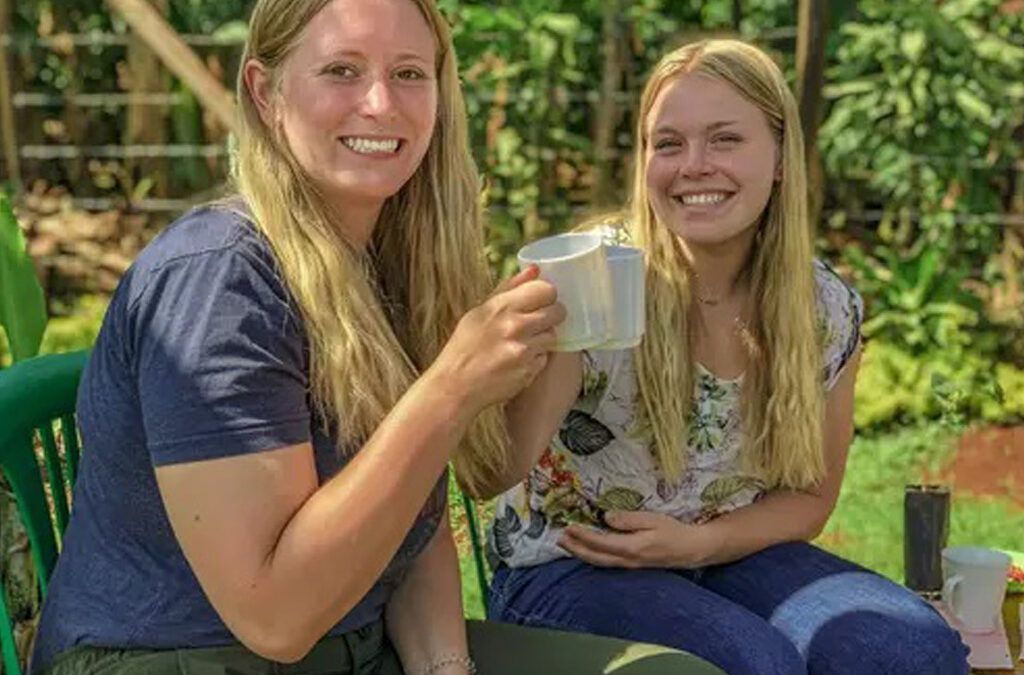
Coffee tours around Sipi Falls offer travellers an opportunity to explore Uganda’s coffee-growing heritage while enjoying the beautiful landscapes of Mount Elgon. Beyond the famous waterfalls, this part of eastern Uganda is home to smallholder coffee farmers who cultivate high-quality Arabica coffee on the mountain slopes. A guided Sipi Falls coffee tour takes you into local farms, where you can meet farmers, learn traditional coffee-growing methods, participate in harvesting and processing, and enjoy a freshly brewed cup of locally produced coffee. With Experiya Tour Company, you can experience the journey of Ugandan coffee from the farm to your cup while discovering the communities and traditions that make this destination special.
1. Understanding Uganda’s Coffee Industry
Coffee plays an important role in Uganda’s economy and supports millions of people involved in farming, processing, transportation and trade. It is one of the country’s leading agricultural export products, providing income for rural households and contributing significantly to national export earnings.
According to the Uganda Coffee Development Authority (UCDA), coffee farming is an important livelihood activity across the country. Uganda mainly produces two varieties: Arabica and Robusta. While Robusta grows predominantly in lower-altitude areas, Arabica thrives in cooler mountainous regions, including the slopes of Mount Elgon and the Rwenzori Mountains.
Ugandan coffee farmers often cultivate their crops alongside bananas, beans, groundnuts and other food plants. This farming system allows households to earn income from coffee while producing food for their families.
When you visit Sipi Falls, you will discover how coffee production connects agriculture, culture and community livelihoods. A coffee farm visit also provides an opportunity to understand the effort that goes into producing the coffee enjoyed by consumers around the world.
2. Why Visit Coffee Farms Around Sipi Falls?
Sipi Falls lies on the northern slopes of Mount Elgon in eastern Uganda, within the Kapchorwa region. The surrounding highlands provide favourable conditions for growing Arabica coffee, thanks to their cool temperatures, fertile soils and suitable rainfall.
Unlike a conventional coffee-tasting experience, a Sipi Falls coffee tour introduces you to the people and activities behind coffee production. You visit smallholder farms, walk among coffee trees and learn directly from farmers who depend on this crop for their livelihoods.
One of the most rewarding aspects of the experience is the opportunity to participate in traditional coffee preparation. Rather than simply purchasing a cup of coffee, you can follow the different stages of production and appreciate the skill involved.
During your visit, you can:
- Explore smallholder Arabica coffee farms on Mount Elgon.
- Meet local Bagisu and Sabiny coffee-growing communities.
- Learn how farmers plant, maintain and harvest coffee trees.
- Discover traditional coffee-drying and processing techniques.
- Participate in roasting and grinding coffee beans.
- Prepare and taste freshly brewed Ugandan Arabica coffee.
- Purchase locally produced coffee to support farming households.
These activities make coffee tours around Sipi Falls an excellent addition to a waterfall hike or a wider Mount Elgon holiday.
3. Discover Arabica Coffee Grown on Mount Elgon
Arabica is the principal coffee variety cultivated around Sipi Falls. It grows well in the cooler high-altitude environment of Mount Elgon, where suitable growing conditions help farmers produce distinctive coffee beans.
The Sipi and wider Mount Elgon coffee-growing areas are particularly associated with Bugisu Arabica coffee. Farmers cultivate coffee on small plots, often integrating it with other crops and shade trees.
Shade trees play an important role in sustainable coffee farming. They help protect coffee plants from excessive sunlight, support soil moisture retention and contribute organic matter through fallen leaves. Farmers also manage their coffee trees through pruning, weeding and other agricultural practices to encourage healthy growth.
During a guided Arabica coffee tour in Sipi Falls, you will learn why farmers choose particular locations for planting and how they maintain their plantations throughout the growing season.
You will also discover that coffee production requires patience. From establishing seedlings to harvesting mature cherries, farmers invest considerable time and effort before their coffee reaches the market.
4. Meet the Local Coffee Farmers and Their Communities
A coffee tour around Sipi Falls is also a cultural experience. The surrounding communities, particularly the Bagisu and Sabiny, have strong connections to agriculture, and coffee remains an important cash crop for many households.
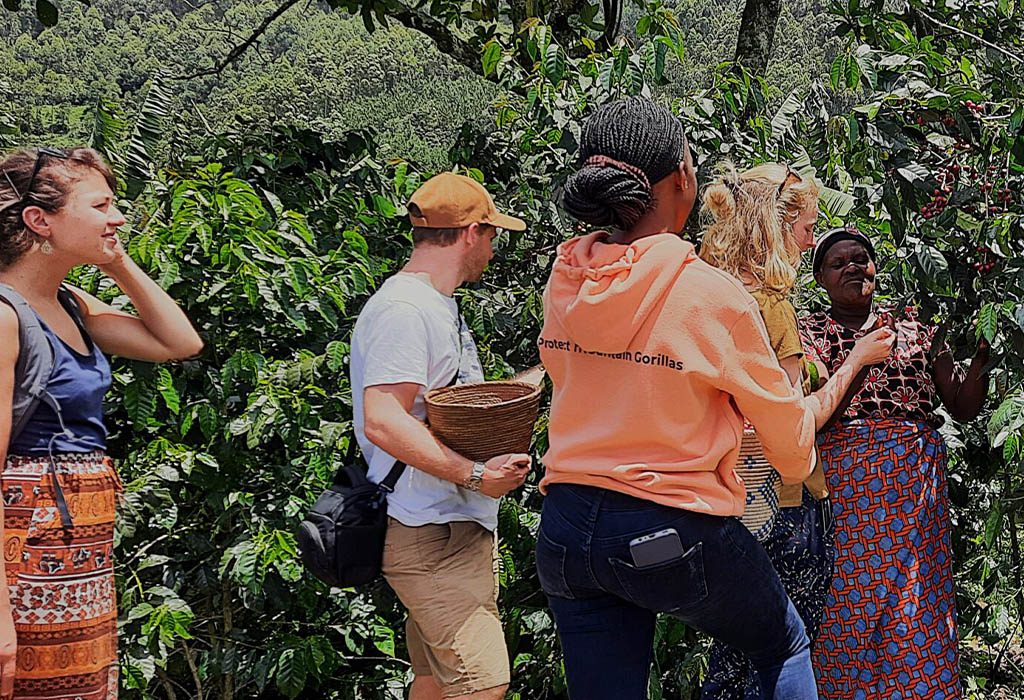
Visiting a family-owned coffee farm allows you to interact with local farmers and understand their daily activities. They can explain how they establish coffee gardens, care for the plants, identify mature cherries and prepare their harvest for processing.
These conversations provide a more personal understanding of rural life around Mount Elgon. You may also learn about other crops grown in the area, traditional farming practices and how households combine agriculture with other economic activities.
The experience is particularly rewarding because tourism creates opportunities for local people to share their knowledge and earn additional income. By choosing a locally guided coffee experience, you help support community-based tourism and encourage the continued appreciation of traditional farming skills.
5. What to Expect During a Sipi Falls Coffee Tour
A typical Sipi Falls coffee excursion follows the journey of coffee from cultivation to preparation. The experience is practical and interactive, allowing you to observe and participate in several stages of production.
5.1 Visiting a Local Coffee Plantation
Your experience begins with a guided walk through a nearby coffee garden. A local farmer introduces you to the coffee plants and explains how they grow under the mountain’s climatic conditions.
You will learn how farmers prepare nursery beds, transplant seedlings and maintain mature coffee trees. Depending on the season, you may also see coffee flowers or clusters of developing and ripening cherries.
The farmer will explain the importance of proper spacing, shade management, pruning and soil care in maintaining a productive plantation.
5.2 Learning How Coffee Cherries Are Harvested
After exploring the plantation, you will discover how farmers harvest coffee cherries. Arabica cherries generally turn red when they mature, indicating that they are ready for picking.
Farmers usually select ripe cherries to maintain the quality of their harvest. During the harvesting season, you may have an opportunity to participate in picking, depending on the availability of mature coffee.
This activity helps you understand the work involved in collecting coffee before it moves to the next stage.
5.3 Discovering Coffee Processing and Drying
Once farmers collect the cherries, they process them to remove the outer fruit and prepare the beans for drying. Different processing methods may be used depending on the farm’s facilities and production practices.
You will learn about removing the pulp, handling the beans and drying them to achieve suitable moisture levels before storage or further processing.
Some local farmers use traditional sun-drying methods, spreading the coffee on raised surfaces or clean drying areas. Regular turning helps the beans dry evenly.
This stage is important because proper post-harvest handling influences the quality of the final coffee.
5.4 Roasting Coffee Beans Over an Open Fire
One of the most enjoyable parts of a Sipi Falls coffee farm tour is learning how to roast coffee beans.
After the beans have been prepared, your local guide demonstrates how to roast them using traditional methods. In some households, farmers use a pan over an open fire, carefully stirring the beans until they develop their characteristic brown colour and aroma.
As the beans roast, you will notice the changing smell and appearance. The farmer explains how roasting affects the flavour and strength of the coffee.
You may also participate in the roasting process, making the experience more memorable.
5.5 Grinding and Brewing Your Own Coffee
Once the beans have cooled, the next step is grinding. Traditionally, farmers use simple grinding tools to prepare the roasted beans before brewing.
You will learn how to grind the coffee and prepare it using local techniques. Depending on the household, the preparation method may involve traditional utensils and locally available equipment.
Finally, you get to enjoy a cup of freshly prepared Arabica coffee.
There is something special about drinking coffee after following its journey from the plantation. You gain a deeper appreciation of the farmers’ work and the care involved in producing every cup.
6. The Best Time to Enjoy Coffee Tours Around Sipi Falls
Coffee tours around Sipi Falls are available throughout the year, although particular farming activities depend on the agricultural season.
The timing of flowering, cherry development and harvesting varies with rainfall, altitude and local farming conditions. Therefore, you may encounter different stages of coffee production depending on when you visit.
Generally, the harvesting season in the Mount Elgon region includes periods between August and November, although other harvesting periods can occur depending on local conditions.
If you want to participate in coffee picking, it is advisable to arrange your visit around the harvesting season. However, visits outside the harvest period remain worthwhile because you can still learn about coffee cultivation, farm management, processing and traditional brewing.
The dry seasons are also popular for combining coffee experiences with outdoor activities around Sipi Falls. Nevertheless, the highlands can experience rainfall, so carrying suitable clothing and comfortable walking shoes is advisable.
7. Combining a Coffee Tour with Sipi Falls Hiking
A coffee farm visit combines naturally with a hiking excursion to Sipi Falls. The area is famous for its three waterfalls, scenic viewpoints, green hills and walking trails.
You can begin your day with a guided hike through the surrounding countryside, enjoying views of the waterfalls and Mount Elgon landscapes. Along the way, you may pass local gardens, homesteads and cultivated hillsides.
After the hike, you can visit a nearby coffee farm and spend time learning about Arabica production. This combination provides a balanced experience, bringing together nature, agriculture and local culture.
Other activities you can consider around Sipi Falls include:
- Hiking to the three Sipi waterfalls.
- Photography at scenic viewpoints overlooking the Karamoja plains.
- Visiting local communities and learning about their traditions.
- Exploring Mount Elgon’s natural landscapes.
- Enjoying birdwatching in the surrounding countryside.
- Experiencing local food and traditional hospitality.
Combining these activities makes Sipi Falls an excellent destination for travellers interested in more than conventional wildlife safaris.
8. Supporting Local Communities Through Coffee Tourism
Coffee tourism provides an additional opportunity for local farmers to benefit from visitors exploring the Mount Elgon region.
When you book a guided coffee experience, your visit can generate income for local guides, farming households and other community members involved in tourism activities.
Purchasing locally produced coffee is another practical way to support farmers. You can take home freshly roasted or packaged coffee as a souvenir while contributing directly to the local coffee economy.
Community-based tourism also encourages the preservation of traditional knowledge. Farmers have an opportunity to demonstrate their skills, explain their agricultural practices and introduce visitors to the importance of coffee in their daily lives.
At Experiya Tour Company, we recognise the importance of incorporating authentic community experiences into Uganda holidays. We encourage travellers to engage respectfully with local people and appreciate the work that supports tourism destinations.
9. What to Carry for a Sipi Falls Coffee Tour
Although a coffee farm visit is generally less demanding than a full-day mountain hike, you should prepare for walking through rural gardens and uneven terrain.
We recommend carrying:
- Comfortable walking shoes or hiking boots.
- Lightweight clothing suitable for outdoor activities.
- A light rain jacket, especially during rainy months.
- A camera or smartphone for photography.
- Sunscreen and a hat for sunny conditions.
- Drinking water.
- Some cash for purchasing locally produced coffee and supporting small businesses.
If you plan to combine your coffee excursion with Sipi Falls hiking, bring additional hiking essentials and allow enough time to enjoy both activities.
10. Book Coffee Tours Around Sipi Falls with Experiya Tour Company
Exploring the coffee farms around Sipi Falls provides a wonderful opportunity to discover another side of Uganda. Beyond the waterfalls and mountain scenery, you encounter hardworking farming communities whose knowledge and traditions contribute to the country’s coffee industry.
With Experiya Tour Company, you can include a guided Sipi Falls coffee experience in your eastern Uganda itinerary. Whether you are interested in learning about Arabica cultivation, meeting local farmers, participating in traditional coffee roasting or tasting freshly brewed coffee, we can help arrange an experience that complements your travel plans.
You can also combine your coffee tour with Sipi Falls hiking, Mount Elgon exploration and other attractions in eastern Uganda.
Contact Experiya Tour Company to plan your Sipi Falls coffee tour and discover the journey of Ugandan Arabica coffee from the farm to your cup. Experience local hospitality, learn traditional farming skills and support the communities that make this destination unique.