

Photography Tours in Rwanda
November 13, 2026
Planning School Trips in Uganda and Rwanda
November 13, 2026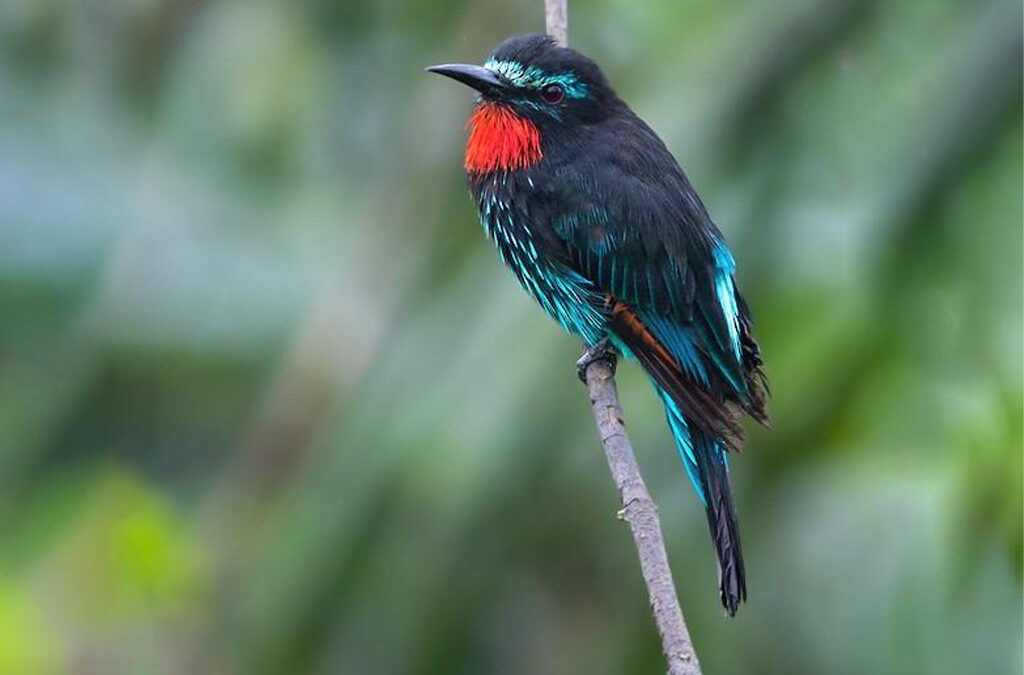
Uganda is one of Africa’s rewarding bird-watching destinations, offering an impressive variety of habitats and bird species. From tropical rainforests and papyrus wetlands to open savannahs and lakeshores, the country provides excellent opportunities for both experienced birders and visitors discovering bird watching for the first time. Among its outstanding birding destinations, Kibale Forest National Park and Bigodi Wetland Sanctuary deserve special attention.
Located in western Uganda, Kibale Forest National Park is famous for its chimpanzee population, diverse primates and beautiful tropical forest. However, beyond its primate encounters, the park also offers exceptional bird-watching opportunities. Its forest canopy, woodland edges and natural clearings provide habitats for numerous resident and migratory bird species.
Just outside the national park lies Bigodi Wetland Sanctuary, a community-managed conservation area that complements the Kibale birding experience. Its swamp vegetation, papyrus channels, boardwalks and viewing platforms attract a remarkable variety of wetland and forest birds.
At Experiya Tour Company, we organise bird watching trips in Kibale Forest for visitors who want to explore Uganda’s natural heritage at a comfortable pace. Whether you are a dedicated bird enthusiast, wildlife photographer or nature lover, combining Kibale Forest with Bigodi Wetland creates a memorable birding experience.
1. Why Choose Kibale Forest for Bird Watching in Uganda?
Kibale Forest National Park is situated in western Uganda, approximately 26 kilometres southeast of Fort Portal City. Established as a national park in 1993, it protects approximately 795 square kilometres of tropical rainforest, woodland, grassland and wetland habitats.
The park is particularly important for bird conservation because its different vegetation zones support a wide range of forest-dwelling and wetland bird species. Current park information records more than 375 bird species, including several species associated with the Albertine Rift region.
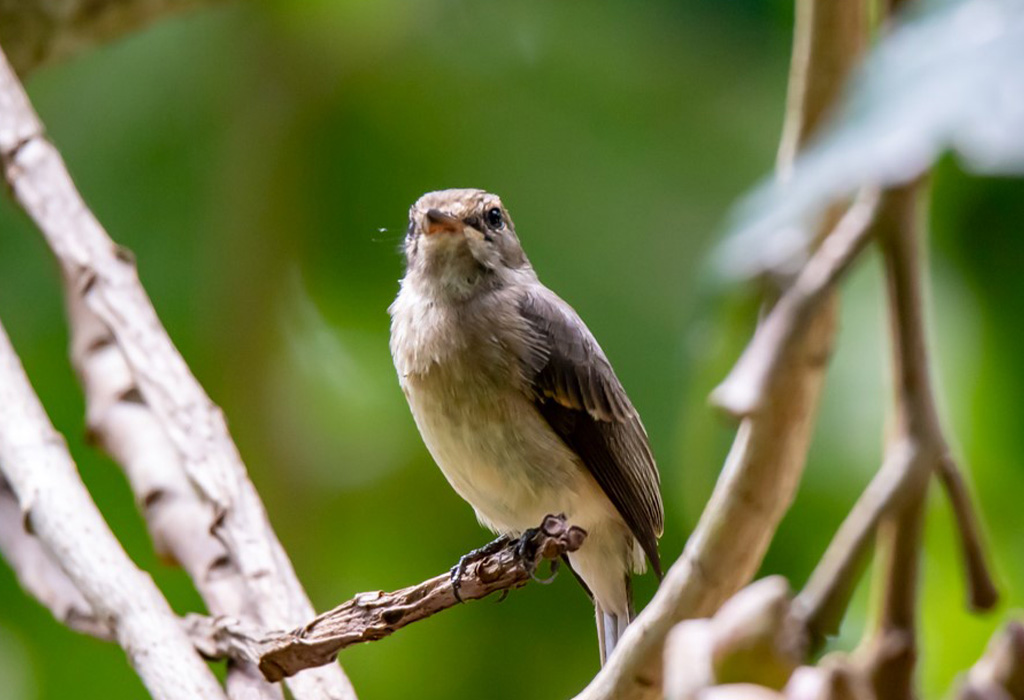
One of the main attractions for birders is the opportunity to encounter rare forest birds that are difficult to find in other parts of Uganda. Some species live high in the forest canopy, while others prefer the lower vegetation, forest edges and swampy clearings. Therefore, walking with an experienced birding guide increases your chances of identifying different species.
Kibale is especially rewarding for visitors interested in:
-
Tropical rainforest bird species.
-
Rare and regionally restricted birds.
-
Colourful turacos, sunbirds and bee-eaters.
-
Forest-dwelling kingfishers and hornbills.
-
Woodland and wetland bird species.
-
Migratory birds that visit Uganda seasonally.
Unlike conventional wildlife game drives, bird watching in Kibale involves exploring the forest on foot. You move quietly along established trails, listening for calls, watching movements in the vegetation and looking for birds perched among branches.
This experience offers a closer connection with nature and allows you to appreciate the smaller details of Uganda’s forest ecosystem.
2. Bird Watching Experience in Kibale Forest National Park
Bird watching trips in Kibale Forest provide opportunities to explore different sections of the park with knowledgeable guides. Most guided forest birding excursions begin at the Kanyanchu Visitor Centre, where visitors can arrange their activities and receive guidance before entering the forest.
Morning excursions are particularly rewarding because many birds become active shortly after sunrise. During this time, you may hear different calls echoing through the forest as birds search for food, communicate and move between feeding areas.
As you follow the forest trails, your guide helps identify birds through their colours, calls, feeding behaviour and physical characteristics. Some species are relatively easy to spot, while others require patience and careful observation.
The Green-breasted Pitta is among the most sought-after birds in Kibale. Birders also look for the African Pitta, Great Blue Turaco, Black Bee-eater and several forest-dwelling sunbirds.
However, successful bird watching does not depend entirely on the number of species you see. Taking time to understand bird behaviour, identify different calls and appreciate the surrounding habitat makes the experience more rewarding.
What makes Kibale special for bird watching?
-
Its extensive tropical rainforest provides excellent bird habitats.
-
The park supports more than 375 recorded bird species.
-
It offers opportunities to search for rare forest specialists.
-
Experienced guides help visitors identify difficult species.
-
Its proximity to Bigodi Wetland allows visitors to explore two different birding environments in one trip.
3. Bigodi Wetland Sanctuary: A Must-Visit Birding Destination
No bird watching safari in Kibale Forest is complete without visiting Bigodi Wetland Sanctuary. Located near the national park, this community-managed conservation area offers a different but equally fascinating birding experience.
The sanctuary lies within Magombe Swamp, where papyrus vegetation, wetland plants, forest patches and seasonal water channels create habitats for numerous bird species. Its network of walking trails, wooden boardwalks and viewing platforms allows visitors to explore the wetland without disturbing its natural environment.
Bigodi is particularly popular among bird enthusiasts because many birds can be observed at relatively close range. Unlike some deep forest species that remain hidden in thick vegetation, wetland birds often feed, perch or move around more openly.
The sanctuary has a commonly published checklist of 138 bird species, although broader inventories report higher totals.
During a guided Bigodi birding walk, you may encounter:
-
Great Blue Turaco.
-
Western Nicator.
-
Yellow-spotted Barbet.
-
Hairy-breasted Barbet.
-
White-spotted Flufftail.
-
Grey-winged Robin-chat.
-
White-tailed Ant-thrush.
-
Black-and-white Shrike-flycatcher.
-
Brown-throated Wattle-eye.
-
Superb Sunbird.
-
Black Bishop.
-
Black-crowned Waxbill.
The Great Blue Turaco is particularly attractive to visitors because of its large size, distinctive crest and colourful plumage. It is one of the memorable birds to look for during a Bigodi Wetland excursion.
Another important aspect of visiting Bigodi is its community conservation approach. The sanctuary is managed through the Kibale Association for Rural and Environmental Development (KAFRED), which uses tourism to support local livelihoods and conservation activities.
Consequently, participating in a guided wetland walk contributes to community development while supporting the protection of an important natural habitat.
4. Notable Bird Species to Look Out for in Kibale Forest and Bigodi Wetland
One of the biggest attractions of bird watching trips in Kibale Forest is the variety of species that visitors can encounter. Some are colourful and relatively easy to identify, while others are rare forest specialists that require patience and the assistance of an experienced guide.
Below are some of the notable species to include on your birding checklist.
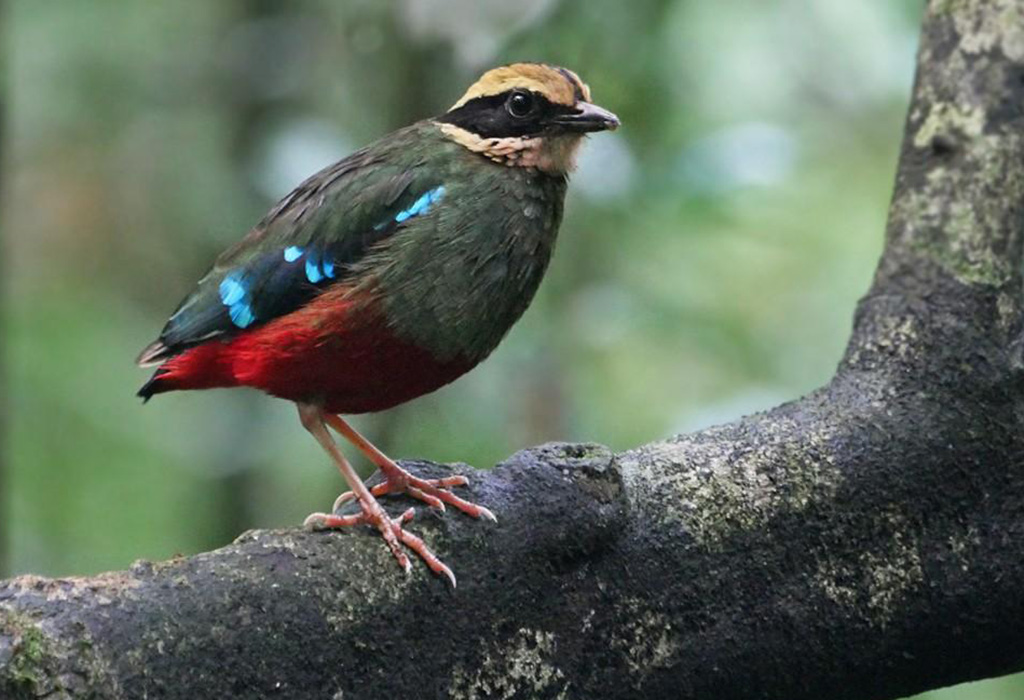
4.1 Green-breasted Pitta
The Green-breasted Pitta is one of the most sought-after birds in Kibale Forest. Its striking plumage makes it a favourite among experienced birders and wildlife photographers.
However, spotting this bird requires patience because it spends much of its time close to the forest floor. Its calls and preferred habitat can help experienced guides locate it.
4.2 African Pitta
The African Pitta is another attractive forest bird that bird enthusiasts may look for during their Kibale birding safari. Its colourful appearance makes it an exciting discovery, particularly for visitors interested in photographing forest birds.
4.3 Great Blue Turaco
The Great Blue Turaco is among the most recognisable birds in the Kibale and Bigodi area. Its impressive size, blue plumage and distinctive appearance make it relatively easy to identify when perched in trees.
Visitors frequently encounter it around forest edges and wetland vegetation.
4.4 Black Bee-eater
The Black Bee-eater is an attractive bird associated with forest environments. It feeds mainly on flying insects and may be seen perching on exposed branches while watching for prey.
4.5 Crowned Eagle
The Crowned Eagle is an impressive forest raptor. Although sightings are not guaranteed, birders may occasionally observe one flying above the forest or perched among tall trees.
4.6 Purple-breasted Sunbird
This beautiful sunbird is among the interesting species that attract bird enthusiasts to the Kibale region. Its feeding habits and colourful appearance make it an exciting addition to a birding checklist.
4.7 Other Interesting Forest Birds
Additional species to look for during bird watching excursions include:
-
Dusky Crimson-wing.
-
Black-capped Apalis.
-
Collared Apalis.
-
Yellow-rumped Tinkerbird.
-
Blue-breasted Kingfisher.
-
Little Greenbul.
-
Brown-chested Alethe.
-
Abyssinian Ground-thrush.
-
Yellow-spotted Nicator.
-
Black Bee-eater.
These birds occupy different forest habitats, meaning that a guided excursion through several sections of Kibale can produce a varied birding list.
5. Other Primate Species to See During Kibale Birding Trips
Although bird watching is the main activity, Kibale Forest also offers excellent opportunities to encounter primates. The park is famous for its remarkable primate diversity, making it an ideal destination for visitors interested in combining birding with wildlife observation.
As you explore the forest, you may come across several monkey species feeding in trees, moving through the canopy or crossing the forest trails.
Commonly recorded primates include:
-
Olive baboons.
-
Bush babies, including Demidoff’s galago.
-
Black-and-white colobus monkeys.
-
Potto.
-
Vervet monkeys.
-
Blue monkeys.
-
Grey-cheeked mangabeys.
-
Ugandan red colobus monkeys.
-
L’Hoest’s monkeys.
-
Red-tailed monkeys.
-
Uganda mangabeys.
-
Chimpanzees.
Chimpanzees are particularly popular in Kibale, and visitors can arrange a separate guided chimpanzee tracking experience. Combining chimpanzee tracking with bird watching and a Bigodi Wetland walk provides a rewarding opportunity to explore the area’s biodiversity.
Nevertheless, primate sightings during birding excursions depend on animal movements and should not be guaranteed.
6. Best Time for Bird Watching Trips in Kibale Forest
Kibale Forest National Park welcomes visitors throughout the year. However, understanding the seasonal weather patterns can help you choose the most suitable period for your bird watching safari.
The region experiences two main rainy seasons and two relatively drier periods. Each season offers different advantages, depending on your birding interests and travel preferences.
6.1 Dry Season: June to September
June to September is generally one of the most favourable periods for bird watching in Kibale Forest. Rainfall is usually lower, making forest trails easier to navigate and allowing visitors to spend more time exploring the park.
During these months, birders can enjoy comfortable walking conditions and better access to different forest habitats. The relatively drier weather also makes it easier to combine bird watching with chimpanzee tracking and other outdoor activities.
September can experience changing weather conditions, so carrying rain protection remains important.
6.2 December to February
December, January and February offer another favourable travel window. These months are generally drier, making them suitable for guided forest walks and bird photography.
Visitors can comfortably combine morning birding excursions with afternoon visits to Bigodi Wetland Sanctuary or other attractions around Fort Portal.
This period is particularly convenient for travellers planning a broader Uganda wildlife safari.
6.3 Rainy Season: March to May
The long rainy season usually occurs between March and May. During this period, Kibale receives considerable rainfall, and some forest trails become muddy and slippery.
However, rainy months can also provide excellent bird-watching opportunities. The forest becomes greener, vegetation flourishes and bird activity can be rewarding.
Bird enthusiasts who do not mind occasional showers may enjoy exploring Kibale during this quieter travel period.
6.4 September to November
The region also experiences another rainy period, particularly between September and November, although rainfall varies.
This season offers lush vegetation and interesting opportunities for observing resident birds. Migratory birds also visit Uganda during part of the November-to-April period, adding variety to seasonal birding experiences.
Seasonal birding summary:
| Period | Conditions | Birding experience |
|---|---|---|
| June–September | Relatively dry | Easier forest walks |
| December–February | Relatively dry | Good for birding and photography |
| March–May | Rainy | Lush forest and rewarding bird activity |
| September–November | Increasing rainfall | Resident birds and seasonal migrants |
Overall, June to September and December to February are practical choices for visitors who prefer easier walking conditions. Nevertheless, Kibale remains a worthwhile birding destination throughout the year.
7. What to Carry for Bird Watching in Kibale Forest
Proper preparation makes a considerable difference when exploring tropical forests and wetlands. Since bird watching involves walking, standing quietly and observing birds for extended periods, you should carry equipment that makes your excursion comfortable.
We recommend packing the following:
-
Binoculars: Essential for observing birds high in the canopy and identifying distant species.
-
Camera: Bring a camera with a suitable telephoto lens for wildlife photography.
-
Bird identification guide: A field guide to East African birds helps you identify unfamiliar species.
-
Comfortable hiking boots: Choose waterproof footwear with good grip for muddy forest trails.
-
Lightweight clothing: Wear comfortable, breathable clothing suitable for walking.
-
Rain jacket: Tropical forest weather can change unexpectedly.
-
Insect repellent: Useful when exploring forest and wetland environments.
-
Drinking water: Carry sufficient water to remain hydrated.
-
Small backpack: Keep your equipment and personal belongings organised.
-
Notebook: Record bird names, sightings and observations during your excursion.
Neutral-coloured clothing is also advisable because it helps you blend into the natural surroundings without unnecessarily disturbing wildlife.
8. Combining Bird Watching with Other Activities Around Kibale
One advantage of choosing Kibale for a birding safari is the variety of other attractions available nearby. You do not have to limit your visit to bird watching alone. Instead, you can combine several activities to create a more complete western Uganda experience.
Chimpanzee tracking: Kibale is one of Uganda’s leading chimpanzee tracking destinations. Join experienced park guides to explore the forest and observe habituated chimpanzees in their natural environment.
Bigodi community nature walk: Beyond bird watching, Bigodi offers opportunities to learn about local traditions, medicinal plants, community livelihoods and wetland conservation.
Primate watching: Look out for different monkey species as you explore the forest and surrounding wetland habitats.
Crater lake excursions: The Fort Portal region is famous for its beautiful volcanic crater lakes, rolling hills and scenic landscapes. You can include a visit to selected crater lakes in your itinerary.
Cultural experiences: Interact with local communities and learn about the traditions and everyday lifestyles of people living around Kibale Forest.
Combining these activities makes your visit more rewarding, particularly if you have two or three days to explore the region.
9. How to Get to Kibale Forest National Park
Kibale Forest National Park is accessible by road from several major destinations in Uganda.
Most visitors travel from Kampala or Entebbe through Fort Portal before continuing to the park. The journey takes several hours, depending on the starting point, road conditions and traffic.
Fort Portal is the main town serving visitors exploring Kibale and its surrounding attractions. From there, you can travel to the Kanyanchu Visitor Centre or Bigodi Wetland Sanctuary.
Travellers visiting other western Uganda destinations can also incorporate Kibale into a longer safari itinerary.
For a comfortable experience, Experiya Tour Company can arrange private transportation in a suitable 4×4 safari vehicle, accommodation and guided activities according to your travel schedule.
10. Book Bird Watching Trips in Kibale Forest with Experiya Tour Company
Exploring Kibale Forest and Bigodi Wetland Sanctuary is an excellent way to discover Uganda’s extraordinary birdlife. From searching for the elusive Green-breasted Pitta in the rainforest to watching the Great Blue Turaco around Bigodi’s wetlands, every excursion offers opportunities to appreciate nature from a different perspective.
At Experiya Tour Company, we organise bird watching trips in Kibale Forest for individuals, couples, families and dedicated birding groups. We help you plan guided forest excursions, Bigodi Wetland visits and additional wildlife activities based on your interests and available time.
Whether you are planning a dedicated birding safari or incorporating Kibale into a longer Uganda wildlife holiday, our team can help organise a rewarding experience.
Contact Experiya Tour Company to plan your Kibale Forest bird watching safari and discover the remarkable birdlife of western Uganda.