
Cultural Attractions in Rwanda
November 3, 2026
What Is Included in Uganda Safari Packages for Gorilla Trekking?
November 3, 2026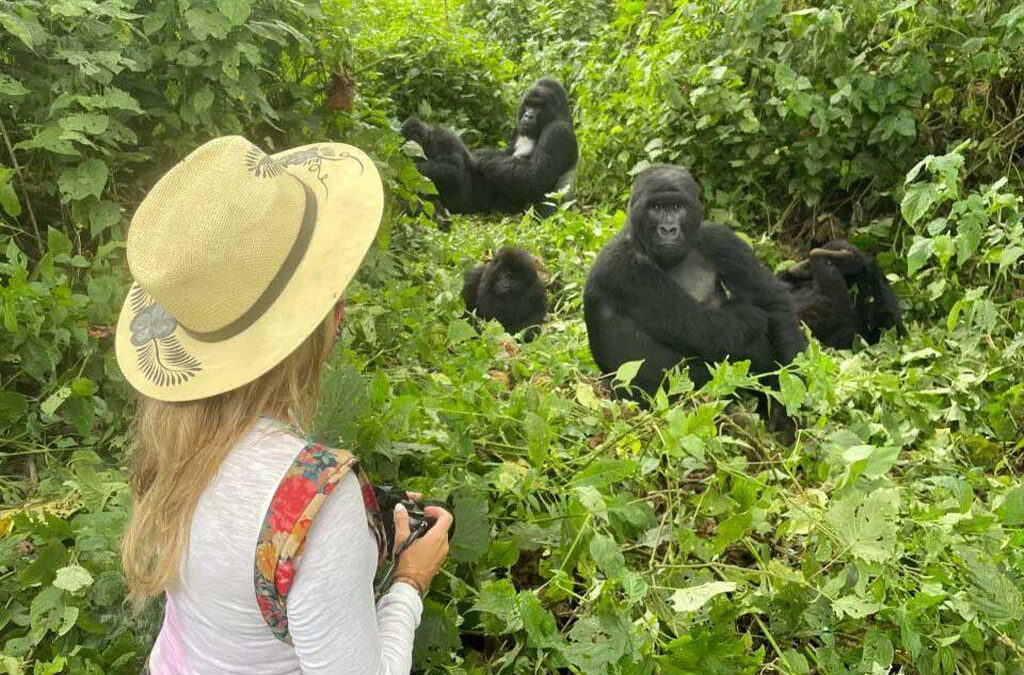
Gorilla trekking is one of Africa’s most remarkable wildlife experiences. Every year, visitors travel to Uganda, Rwanda and the Democratic Republic of Congo to encounter mountain gorillas and eastern lowland gorillas in their natural habitats. Seeing a silverback resting in the forest, watching young gorillas play, or observing a mother caring for her baby creates memories that last a lifetime. However, reaching these magnificent primates usually involves walking through thick vegetation, climbing uneven slopes and navigating sometimes muddy forest trails.
For older travellers, people with disabilities, visitors recovering from injuries, or anyone who struggles with strenuous physical activities, the experience can seem challenging. This often raises an important question: Can you see gorillas without trekking?
The answer is yes, to some extent. Although seeing wild gorillas generally requires entering the forest, several arrangements can make the experience considerably easier. In particular, Uganda and Rwanda offer opportunities for visitors with limited mobility to receive additional assistance. From specialised sedan chairs to porter services and shorter trekking routes, you may still enjoy a gorilla encounter without completing a demanding hike.
In this guide, Experiya Tour Company explains the realistic options, what to expect and how to plan a comfortable gorilla safari.
1. Why Is Traditional Gorilla Trekking Physically Challenging?
Before exploring ways to see gorillas without trekking, it is important to understand what a typical gorilla trekking adventure involves.
Mountain gorillas live in mountainous rainforest environments, where the terrain can change considerably from one location to another. In Uganda’s Bwindi Impenetrable National Park and Rwanda’s Volcanoes National Park, visitors follow experienced trackers and park rangers into the forest to locate a habituated gorilla family.
Depending on where the gorillas spent the previous night, finding them may take an hour or several hours. Some groups remain relatively close to the starting point, while others move deeper into the forest.
Common challenges include:
-
Steep slopes and uneven forest paths.
-
Muddy trails, exposed roots and slippery vegetation.
-
High-altitude conditions and changing weather.
-
Long periods of walking and standing.
-
Thick forest vegetation that requires careful movement.
Consequently, travellers should not assume that every gorilla trek will be short or easy. Even visitors who regularly exercise may find the forest terrain demanding.
2. Use a Gorilla Sedan Chair in Uganda and Rwanda
One of the most practical ways to see gorillas without trekking on foot is to arrange a specialised sedan chair, sometimes called an African helicopter or gorilla stretcher.
This service is particularly useful for elderly travellers, visitors with disabilities and people who cannot comfortably walk long distances. A specially designed chair allows a trained team of porters to carry a visitor through the forest towards the gorilla family.
In Uganda, sedan chair services are available around Bwindi Impenetrable National Park and can be arranged through local safari operators. Similar assistance may be arranged in Rwanda, subject to availability and confirmation with the relevant park authorities and service providers.
The process normally involves:
-
Arranging the sedan chair service before the trekking date.
-
Meeting the porter team at the park headquarters.
-
Receiving the usual gorilla trekking briefing.
-
Being carried along the forest trails by trained porters.
-
Joining the rest of the group when the gorillas are located.
This arrangement significantly reduces the physical effort required from the visitor. However, it still involves a forest expedition, and the porters must navigate the same natural terrain.
How much does a gorilla sedan chair cost?
Prices vary depending on the destination, service provider, number of porters and distance travelled. Therefore, travellers should request an updated quotation before confirming their safari. The gorilla trekking permit is also a separate requirement.
3. Request a Shorter or Easier Gorilla Trekking Route
Another way to see gorillas without strenuous trekking is to request a relatively short route when booking your safari.
In Uganda, gorilla trekking takes place in different sectors of Bwindi Impenetrable National Park, including Buhoma, Ruhija, Rushaga and Nkuringo. These sectors have different terrain characteristics, trail networks and gorilla family locations.
Some gorilla families occasionally stay relatively close to the park headquarters or accessible trailheads. As a result, visitors may encounter them after a shorter walk. However, other families move much deeper into the forest, making the trek longer and more demanding.
Rwanda’s Volcanoes National Park also offers different trekking experiences depending on the location of the assigned gorilla family.
If you have limited hiking ability, communicate your needs to your tour operator before booking. The operator can discuss suitable sectors, available permits and possible arrangements with park authorities.
During the morning briefing, park officials allocate visitors to gorilla families according to operational considerations and available permits. Although they may consider age and physical ability, an easier family assignment is never guaranteed.
A useful tip: Do not book accommodation in a particular sector assuming that it guarantees a short trek. Gorilla movements are unpredictable, and the final trekking distance depends on where the animals are located.
4. Hire Porters to Reduce the Physical Demands
If you can walk but struggle with carrying luggage, climbing steep slopes or maintaining your balance, hiring a local porter can make a considerable difference.
Porters operate around Uganda’s major gorilla trekking starting points and provide practical assistance throughout the experience. They can carry your backpack, offer a helping hand on slippery trails and assist you when climbing or descending steep sections.
Their services are particularly valuable for:
-
Older travellers who need additional support.
-
Visitors with limited stamina.
-
Photographers carrying heavy equipment.
-
Travellers who want to concentrate on the experience rather than their luggage.
Hiring a porter does not eliminate walking, but it reduces the strain and supports local livelihoods. It also provides an opportunity to interact with community members who understand the forest environment.
If you have significant mobility limitations, however, a porter alone may not provide enough assistance. In that situation, discuss a sedan chair and a suitable support team with your tour operator.
5. Is Gorilla Habituation an Easier Alternative?
Uganda offers a special activity known as the Gorilla Habituation Experience in the Rushaga sector of Bwindi Impenetrable National Park.
This experience allows visitors to accompany researchers, trackers and rangers as they observe a gorilla family that is still undergoing habituation. Unlike standard gorilla trekking, which allows a maximum of one hour with the gorillas, habituation permits visitors to spend up to four hours with the family once they find it.
The extended viewing time provides an opportunity to learn more about gorilla behaviour, feeding habits, family relationships and conservation work.
However, it is important to understand that gorilla habituation is not necessarily easier than ordinary trekking. Visitors generally begin early and may spend considerable time walking through the forest while following the research team.
Therefore, it is an excellent option for travellers who want a deeper wildlife experience and can manage the physical demands, but it is not the best alternative for someone who cannot walk comfortably.
6. Can You See Gorillas Without Walking at All?
If you are wondering whether you can see wild gorillas without taking a single step, the realistic answer is that there is no standard vehicle-based gorilla viewing experience in Uganda, Rwanda or the Democratic Republic of Congo.
Gorillas live in protected natural habitats, often far from roads and vehicle-accessible areas. Park authorities therefore organise guided forest encounters rather than allowing visitors to approach gorillas in vehicles.
Nevertheless, sedan chairs provide the closest practical alternative for people who cannot manage the walk. With advance arrangements, a porter team can carry you through the forest, although the availability and suitability of this service depend on the park, terrain and your individual circumstances.
For travellers who cannot participate in a forest excursion, accredited zoos offer another way to observe gorillas without hiking.
7. See Gorillas in Zoos and Accredited Wildlife Facilities
If your main interest is seeing gorillas rather than encountering them in the wild, visiting an accredited zoo or wildlife facility is a convenient alternative.
Several reputable zoological institutions in the United States, United Kingdom, Europe and South Africa care for western lowland gorillas. These facilities provide opportunities to observe gorilla behaviour without hiking through forests or obtaining trekking permits.
Visitors can watch gorillas feeding, interacting, resting and caring for their young from designated viewing areas.
However, there is an important difference. These are captive-care environments, not wild mountain gorilla habitats. Therefore, if your dream is to see endangered mountain gorillas in their natural surroundings, Uganda and Rwanda remain the leading destinations to consider.
8. What About Gorilla Trekking in Congo and Gabon?
The Democratic Republic of Congo offers opportunities to see eastern lowland gorillas, particularly in Kahuzi-Biega National Park. These gorillas, also known as Grauer’s gorillas, are different from the mountain gorillas found in Uganda and Rwanda.
The park has habituated gorilla families that visitors can observe through guided trekking experiences. However, visitors should expect to walk through the forest. The park’s visitor information describes a typical forest walk of approximately one to two hours, depending on the gorillas’ location.
Access also depends on prevailing security conditions, so travellers must confirm the situation and park operations before making arrangements.
Gabon is another country associated with western lowland gorillas. However, visitors should not assume that national parks such as Loango and Lopé offer guaranteed vehicle-based gorilla viewing. Gorilla encounters depend on the location of the animals and the specific wildlife activities available.
In both destinations, it is important to confirm the actual walking requirements rather than booking based on assumptions about vehicle access.
9. Which Country Is Best for Seeing Gorillas With Minimal Walking?
Uganda and Rwanda are generally the most practical choices for travellers who want to see mountain gorillas but need additional physical assistance.
| Destination | Suitable option | Important consideration |
|---|---|---|
| Uganda | Sedan chairs, porters and different trekking sectors | Flexible safari arrangements |
| Rwanda | Porter assistance and possible sedan chair arrangements | Confirm availability beforehand |
| DR Congo | Guided eastern lowland gorilla trekking | Security and forest walking requirements |
| Gabon | Western lowland gorilla experiences | Access and trekking arrangements vary |
Uganda: Bwindi Impenetrable National Park is particularly worth considering because visitors can explore different trekking sectors and arrange specialised porter support. The availability of sedan chairs makes it an important destination for travellers with reduced mobility.
Rwanda: Volcanoes National Park is another excellent option. Its proximity to Musanze and relatively convenient access from Kigali make safari logistics easier. However, visitors should remember that convenient road access does not necessarily mean an easy forest trek.
Ultimately, the best destination depends on your physical ability, preferred gorilla species, budget and the availability of suitable assistance.
10. Practical Tips for Planning an Easy Gorilla Trekking Safari
A little preparation can make a significant difference when organising a gorilla safari with minimal walking. Rather than waiting until you reach the park, discuss your requirements with your tour operator well in advance.
Here are some useful recommendations:
-
Explain your mobility requirements: Tell your operator whether you can walk short distances, manage slopes or need to be carried throughout the forest.
-
Arrange a sedan chair early: Specialised equipment and porter teams should be organised before your trekking date.
-
Choose accommodation carefully: Stay near your designated trekking sector to reduce early-morning road transfers.
-
Request a manageable trekking assignment: Park officials may consider your physical ability, although they cannot guarantee a short route.
-
Hire an experienced porter: Additional support can make uneven terrain easier to navigate.
-
Pack appropriate clothing: Waterproof hiking boots, long trousers, gloves and a rain jacket are useful in tropical forests.
-
Consider the weather: Uganda and Rwanda generally experience drier periods around June to September and December to February. However, rainfall can occur throughout the year, and dry-season trekking is not necessarily shorter.
-
Discuss medical considerations: If you have a condition that affects your mobility or stamina, seek appropriate medical advice before booking.
These arrangements help you prepare realistically and avoid unnecessary physical strain during your safari.
11. How Experiya Tour Company Helps You See Gorillas Without Strenuous Trekking
At Experiya Tour Company, we understand that not every traveller approaches a gorilla safari with the same physical ability. Some visitors are comfortable walking through steep forests, while others need additional assistance to enjoy the experience.
That is why we encourage travellers to discuss their requirements before booking a gorilla trekking holiday in Uganda or Rwanda.
Our team can help with:
-
Identifying suitable gorilla trekking destinations and sectors.
-
Checking permit availability and discussing realistic trekking arrangements.
-
Organising sedan chair services where available.
-
Arranging experienced local porters.
-
Selecting accommodation close to the trekking starting point.
-
Organising private 4×4 safari transportation.
-
Planning additional sightseeing activities around your gorilla encounter.
We also help travellers understand the difference between standard gorilla trekking and the Gorilla Habituation Experience so they can choose an activity that matches their expectations and physical abilities.
Whether you are planning a Uganda gorilla trekking safari in Bwindi or a Rwanda gorilla holiday in Volcanoes National Park, advance planning is essential.
12. Frequently Asked Questions About Seeing Gorillas Without Trekking
Can elderly people see gorillas without hiking?
Yes. Elderly visitors who cannot comfortably walk through the forest may arrange a sedan chair where available. They should discuss their mobility requirements with their tour operator and seek medical advice when appropriate.
Can disabled travellers go gorilla trekking in Uganda?
Yes, some travellers with disabilities can participate with specialised assistance. Uganda’s sedan chair services offer an option for people who cannot walk the entire route. However, individual arrangements depend on the visitor’s needs and the terrain.
Can you see mountain gorillas from a vehicle?
No. There is no standard vehicle-based mountain gorilla viewing activity in Uganda or Rwanda. Visitors must enter the forest, although sedan chairs can reduce or eliminate the need to walk the trekking route themselves.
Is gorilla habituation easier than normal trekking?
Not necessarily. Although it provides up to four hours with the gorillas, it can involve longer forest walks and more time outdoors. It is better suited to travellers who want an extended encounter and can manage the physical demands.
Can you request an easy gorilla family in Bwindi?
You can communicate your preference through your tour operator. Park officials may consider your physical ability when allocating gorilla families, but the final assignment depends on availability and operational decisions.
Which is easier for gorilla trekking, Uganda or Rwanda?
Rwanda generally offers convenient access to Volcanoes National Park, while Uganda provides several trekking sectors and specialised assistance options. Neither destination guarantees an easy trek, so your choice should depend on your individual mobility requirements.
Conclusion: You Can See Gorillas Without Strenuous Trekking
Seeing gorillas in their natural habitat does not necessarily mean completing a difficult forest hike on your own. Although wild gorilla encounters generally require entering the forest, options such as sedan chairs, porter assistance and manageable trekking assignments can make the adventure accessible to more travellers.
Uganda is particularly worth considering for visitors who need specialised assistance, while Rwanda offers convenient travel logistics and excellent mountain gorilla encounters.
The most important thing is to plan ahead, communicate your physical requirements and choose arrangements that suit your abilities. With the right preparation and support from Experiya Tour Company, you can make your dream of seeing gorillas in Africa a reality without putting yourself through unnecessary physical strain.


