
Kilimanjaro Safari Experience on Tanzania Safari Tour
October 29, 2026
Cultural and Community Tours in Uganda
October 29, 2026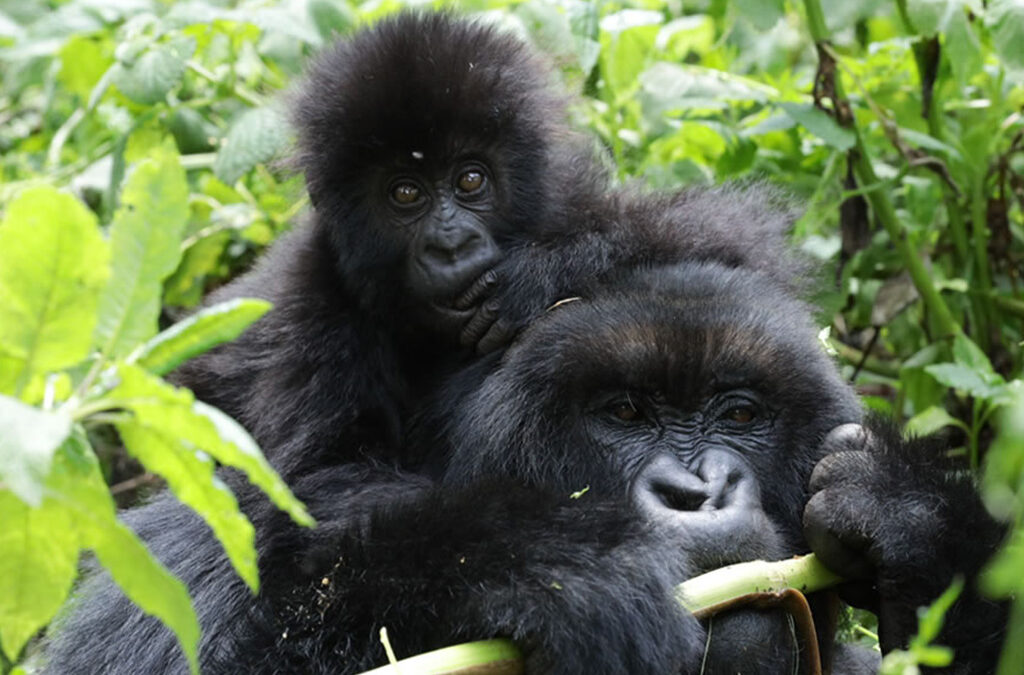
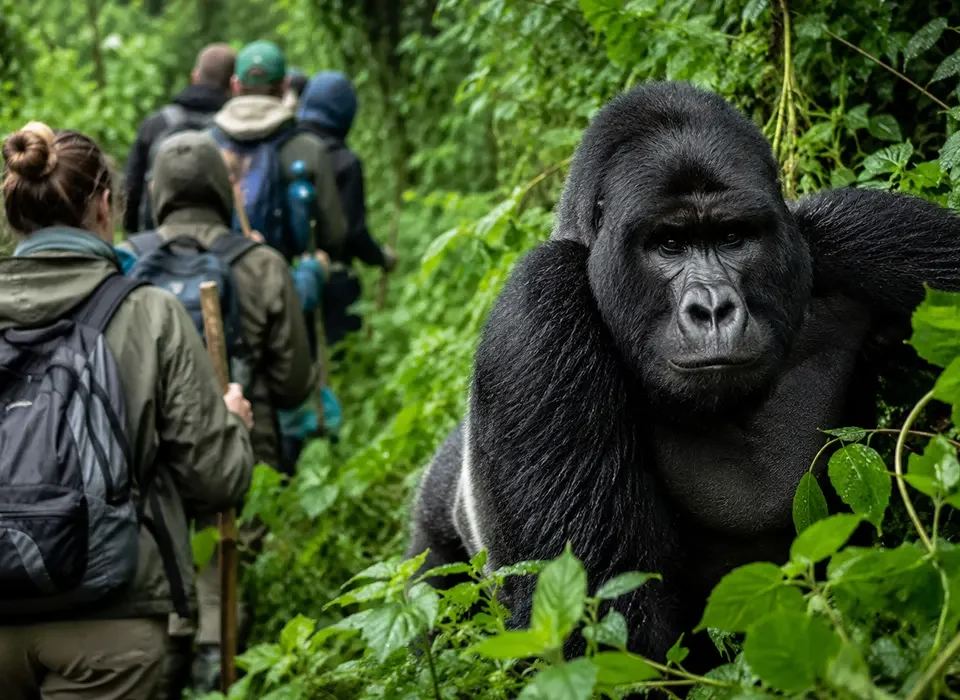
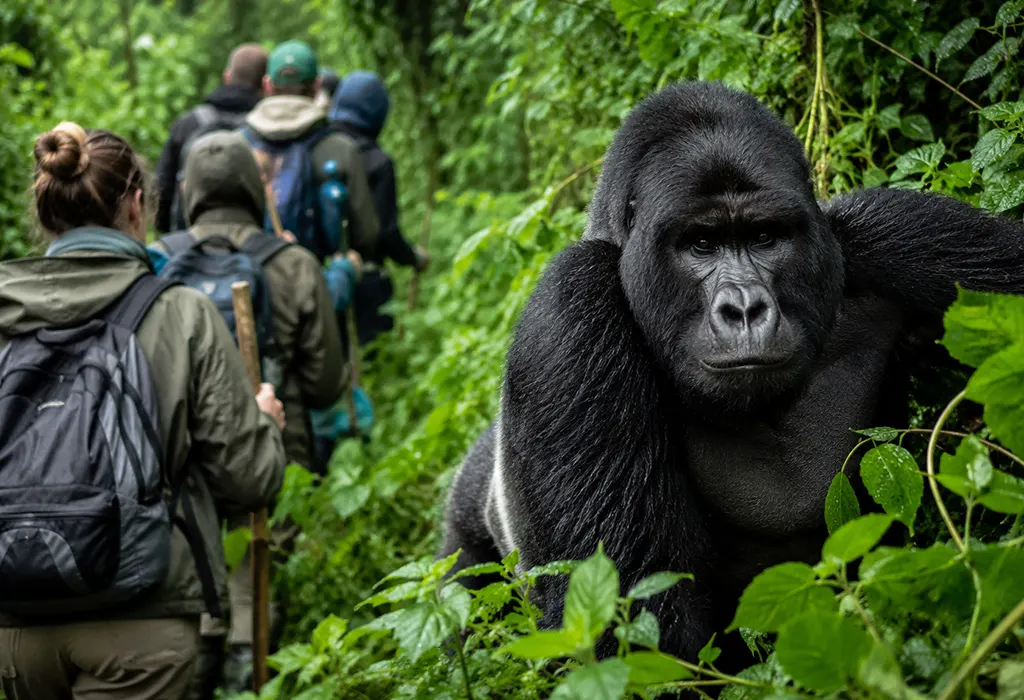
Rwanda offers one of Africa’s most remarkable wildlife encounters: meeting endangered mountain gorillas in their natural habitat. In the mist-covered forests of Volcanoes National Park, visitors can trek through the Virunga Mountains, follow experienced park rangers, and observe gorilla families as they feed, rest, groom, and care for their young. Each encounter offers a rare glimpse into the social lives of these intelligent primates.
For travelers planning a Rwanda gorilla trekking safari, understanding the different gorilla families helps make the experience more meaningful. At Experiya Tour Company, we help visitors plan memorable journeys by arranging gorilla trekking permits, accommodation, transportation, and guided safari experiences.
This guide explores the best-known Rwanda gorilla families in Volcanoes National Park, explains how trekking assignments work, and shares practical advice for planning a responsible mountain gorilla encounter.
Understanding Rwanda Gorilla Families in Volcanoes National Park
Volcanoes National Park lies in northwestern Rwanda, near Musanze, and protects part of the Virunga mountain ecosystem. Its bamboo forests, montane vegetation, and volcanic slopes provide important habitat for endangered mountain gorillas.
Mountain gorillas live in social groups commonly called families. A typical group includes a dominant silverback, adult females, juveniles, infants, and sometimes additional mature males. The silverback often coordinates group movements, protects family members, and plays an important role in maintaining social stability.
However, gorilla families are not permanent, unchanging units. Births, deaths, changing leadership, and the movement of individuals can affect their size and composition. Some groups also divide into smaller families over time.
Several habituated gorilla families are available for tourism in Volcanoes National Park. Habituation is a gradual process through which gorillas become accustomed to the presence of researchers and, eventually, carefully managed groups of visitors.
The main characteristics of these families include:
- Distinct social structures: Each group has its own relationships, age groups, and family dynamics.
- Different ranging areas: Families move through the forest in search of food, shelter, and suitable resting places.
- Varying trekking conditions: Some groups may be easier to reach on a particular day, while others require longer or steeper hikes.
- Conservation importance: Responsible tourism helps finance gorilla protection and supports communities living around the park.
According to Visit Rwanda, park officials assign visitors to gorilla groups on the trekking day, taking factors such as fitness into account. Therefore, travelers should not assume they can choose a particular family in advance. Source: Visit Rwanda.
Notable Rwanda Gorilla Families in Volcanoes National Park
Each habituated gorilla family offers a different opportunity to observe mountain gorillas in the wild. Although individual members and group dynamics change, several families are particularly well known among safari travelers.
1. Susa A Gorilla Family
The Susa A family is among the most historically significant gorilla groups in Rwanda. It gained international recognition through the research conducted by primatologist Dian Fossey in the Virunga Mountains.
The original Susa group became famous for its relatively large size and the presence of twin gorillas. Over time, changes within the group led to the formation of separate families, including the group now known as Karisimbi, or Susa B.
Susa A ranges across mountainous terrain, and reaching it can involve a demanding trek. The duration depends on the gorillas’ location, trail conditions, and the route selected by park trackers.
For travelers who enjoy challenging hikes and want to learn about the history of mountain gorilla research, Susa A offers a particularly interesting connection to Rwanda’s conservation story.
During the encounter, visitors may observe adults feeding on vegetation, young gorillas playing, or mothers caring for their infants. These everyday behaviors reveal the close relationships that hold the family together.
2. Karisimbi Gorilla Family (Susa B)
The Karisimbi family separated from the original Susa group and is associated with the slopes of Mount Karisimbi, one of the Virunga volcanoes.
Its mountainous range can make this group challenging to reach. Consequently, trekkers should prepare for the possibility of a long hike through uneven terrain, dense vegetation, and changing weather conditions.
However, the reward is an opportunity to observe mountain gorillas in a remarkable high-altitude environment. Along the way, visitors may encounter changing vegetation zones and enjoy views of the surrounding volcanic landscape when weather conditions permit.
Karisimbi is worth considering for physically prepared travelers who appreciate hiking as much as wildlife viewing. Nevertheless, the actual difficulty depends on where the gorillas are located on the day of the trek.
3. Amahoro Gorilla Family
Amahoro means “peace” in Kinyarwanda, making the name particularly fitting for this well-known gorilla family.
The group has traditionally been associated with a calm social atmosphere. Its members may be seen resting together, feeding on forest vegetation, grooming one another, or interacting with younger gorillas.
However, visitors should remember that mountain gorillas are wild animals. Their behavior varies naturally, and no family can guarantee a particular type of encounter.
Reaching Amahoro may involve climbing steep slopes, so travelers should not assume that its peaceful reputation means the trek is easy.
For visitors interested in observing gorilla family relationships, Amahoro provides an excellent opportunity to appreciate the social side of mountain gorilla life.
4. Umubano Gorilla Family
The Umubano family developed after a split from Amahoro. Its history illustrates how mountain gorilla groups change as mature males establish leadership and social relationships evolve.
The name Umubano is associated with living together or coexistence. The family is known for its social history and the interactions between its members.
During a trek, visitors may see gorillas moving through the undergrowth, feeding, resting, or maintaining close contact with other family members. Younger gorillas sometimes engage in playful behavior while adults remain nearby.
Umubano is a popular name among travelers researching Rwanda gorilla trekking because its history provides insight into the complex social organization of these primates.
As with every habituated group, however, the experience depends on the family’s location and behavior on the day of the visit.
5. Hirwa Gorilla Family
Hirwa means “the lucky one” in Kinyarwanda. The family became known for bringing together gorillas from different groups, demonstrating how mountain gorilla social structures can change over time.
Its history has included notable developments, including the birth of twins. Such events attract interest because successful reproduction is important to the long-term survival of the mountain gorilla population.
The family’s movements and availability for tourism can change, so travelers should confirm its current status before making plans around a specific group.
When a family is available for trekking, visitors may have opportunities to observe feeding, grooming, mother-and-infant interactions, and other natural behaviors.
6. Kwitonda Gorilla Family
The Kwitonda family has an interesting history because it originated in the Democratic Republic of Congo before settling in Rwanda.
Its name is commonly translated as “the humble one.” The group became well known among visitors exploring Volcanoes National Park and the wider Virunga ecosystem.
Like other mountain gorilla families, Kwitonda relies on forest vegetation for food and moves across its home range according to environmental conditions.
Its history also highlights the importance of protecting connected habitats across national borders. Mountain gorillas do not recognize political boundaries, and conservation organizations must work together to protect their shared ecosystem.
For travelers, learning about Kwitonda adds another dimension to a Rwanda gorilla trekking safari by connecting the wildlife encounter with the broader story of regional conservation.
7. Sabyinyo Gorilla Family
The Sabyinyo family takes its name from Mount Sabyinyo, one of the volcanoes in the Virunga range.
It is a well-known habituated group, and its traditional range has often been associated with areas closer to the park boundary than some high-altitude groups. Nevertheless, its actual accessibility changes with the gorillas’ movements.
The family provides an opportunity to observe the relationships between adult gorillas, younger members, and the dominant silverback.
For visitors who want to understand gorilla behavior, watching how family members respond to one another can be just as rewarding as photographing the silverback.
Although some accounts describe Sabyinyo as relatively accessible, no trekking group is guaranteed to offer a short or easy hike.
8. Agashya Gorilla Family
The Agashya family was formerly known as Group 13, a name connected to the number of members recorded when the group was first identified for habituation.
Its history reflects the way mountain gorilla families can grow and change under suitable conservation conditions.
The group has been associated with the volcanic slopes between Mount Sabyinyo and Mount Bisoke. As with other families, its range and composition can change over time.
Visitors trekking to Agashya may observe adults feeding, juveniles exploring their surroundings, and family members resting close together.
Its story also illustrates an important conservation lesson: protecting habitat and reducing threats can help mountain gorilla populations recover and sustain their social groups.
Other Gorilla Families to Know
Agashya, Amahoro, Hirwa, Karisimbi, Kwitonda, Sabyinyo, Susa A, and Umubano are among the best-known names associated with Rwanda gorilla trekking. Other groups, including Bwenge, Igisha, Isimbi, Muhoza, Noheli, and Ugenda, also appear in conservation and tourism records.
The list of groups available to visitors can change as families split, merge, move across their ranges, or become temporarily difficult to access. For this reason, the Rwanda Development Board and park authorities should be treated as the final source for current trekking arrangements.
How Gorilla Family Assignments Work in Rwanda
Many travelers researching the best gorilla family in Volcanoes National Park want to know whether they can select a group before arrival.
In practice, park officials allocate visitors to families on the trekking day. They consider the groups’ locations, operational conditions, and visitors’ physical abilities when organizing the treks.
The process generally follows these steps:
- Arrive at the park headquarters: Visitors report to the designated briefing point in Kinigi, following the instructions on their booking.
- Attend the briefing: Rangers explain gorilla behavior, trekking procedures, and the rules visitors must follow.
- Receive your group assignment: Park officials allocate trekkers to the available habituated families.
- Travel to the trailhead: Depending on the family’s location, the group may drive to a starting point before entering the forest.
- Follow the ranger: Experienced guides lead the trek and communicate with trackers who monitor the gorillas.
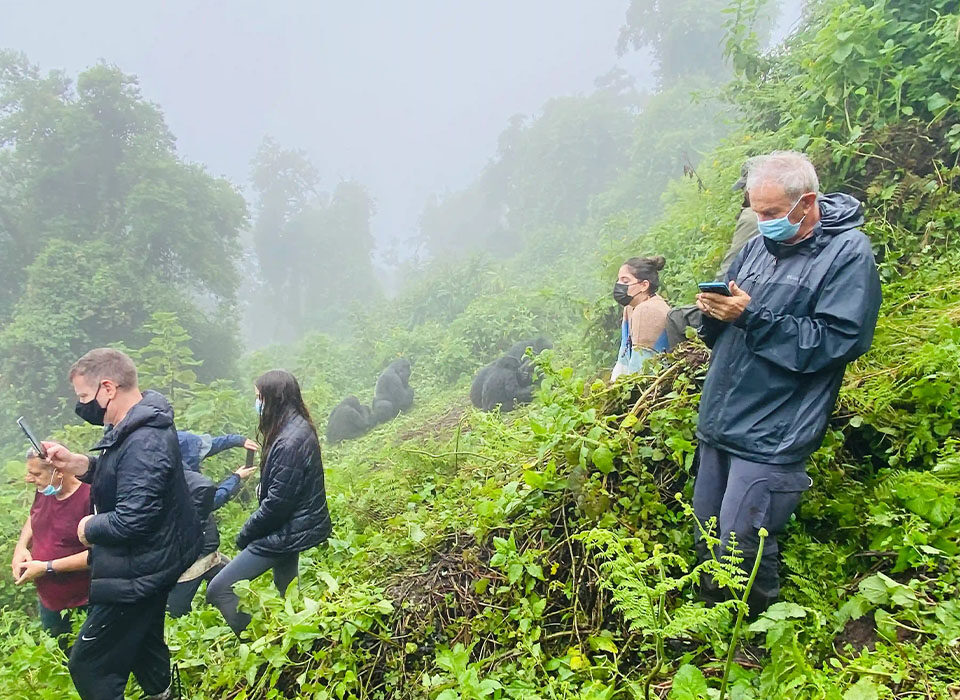
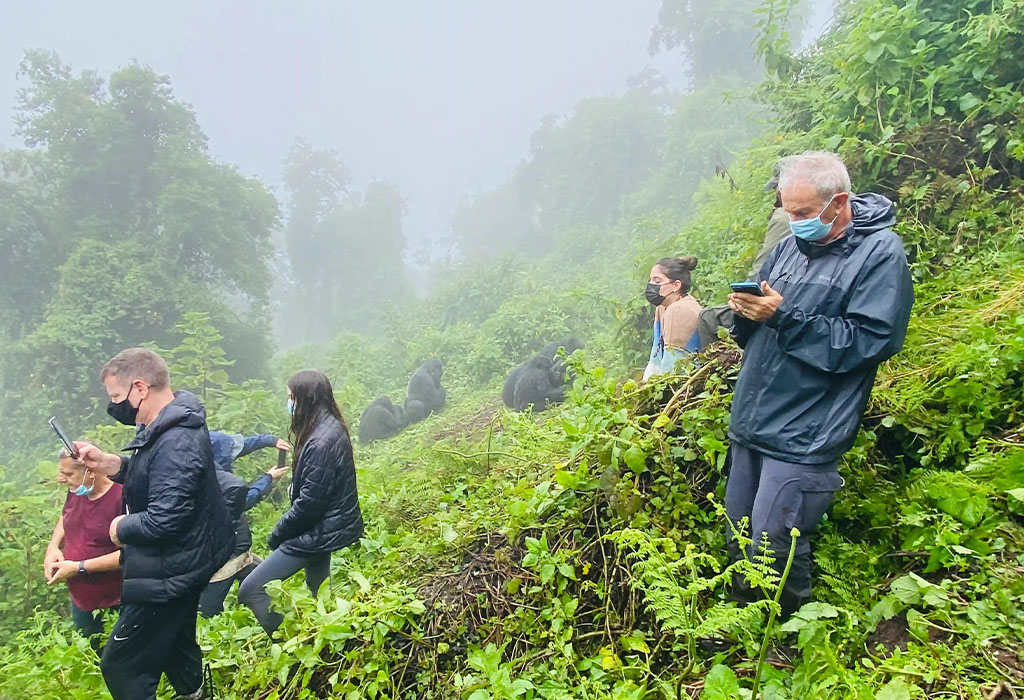
- Observe the gorillas responsibly: Once the group finds the family, visitors follow the ranger’s instructions and observe the gorillas for the permitted period.
Rwanda limits visits to habituated gorilla groups to help protect the animals and reduce disturbance. Under the standard rules, a maximum of eight visitors can visit a family at a time, and the encounter is limited to one hour.
Gorilla Trekking Permits and Conservation in Rwanda
A valid gorilla trekking permit is essential for visitors who want to see mountain gorillas in Volcanoes National Park.
Permits are issued through the Rwanda Development Board’s official booking system or arranged through an authorized booking channel. Because daily visitor numbers are limited, booking well in advance is advisable, particularly for popular travel periods.
The standard permit price for foreign visitors is US$1,500 per person, although eligibility-based rates and official promotions may vary. Always verify the applicable price and conditions with the Rwanda Development Board before paying.
You can check the official information and booking requirements through the Rwanda Development Board gorilla tracking portal.
Gorilla trekking contributes to conservation by generating revenue for park management, wildlife protection, and community initiatives. Tourism also creates employment opportunities for guides, trackers, drivers, porters, lodge staff, and other local service providers.
These benefits are particularly important because communities living near protected areas need sustainable economic opportunities alongside wildlife conservation.
The mountain gorilla population has recovered significantly from historical threats, including poaching, habitat loss, and disease. Continued protection remains essential, and responsible tourism can help support these efforts.
Best Time to Visit Rwanda Gorilla Families
You can trek mountain gorillas throughout the year in Volcanoes National Park. However, seasonal weather conditions can influence trail conditions and the overall trekking experience.
Dry seasons
Rwanda’s commonly recognized drier periods occur around June to September and December to February. During these months, trails may be less muddy, making hiking more comfortable.
These periods are popular with travelers combining gorilla trekking with other activities in Rwanda. Therefore, arranging permits and accommodation early is recommended.
Rainy seasons
The wetter periods generally occur around March to May and October to November. Rain can make forest paths slippery and muddy, but the forest remains beautiful and lush.
The gorillas continue their normal activities throughout the year, so rainy-season visitors can still enjoy memorable encounters.
Regardless of when you travel, prepare for cool temperatures, changing weather, and potentially demanding hiking conditions.
Essential Tips for a Successful Gorilla Trekking Safari
A little preparation makes a significant difference when trekking through the forest in search of mountain gorillas.
Before departure, consider the following practical recommendations:
- Wear suitable hiking boots: Choose sturdy footwear with good grip for muddy trails and uneven ground.
- Carry waterproof clothing: A lightweight rain jacket helps protect you from sudden showers.
- Pack drinking water and snacks: Follow your tour operator’s and park guide’s advice on what to carry.
- Consider hiring a porter: A porter can carry your backpack and help you negotiate challenging sections of the trail.
- Follow all ranger instructions: Keep the required distance from the gorillas and avoid sudden movements.
- Do not trek when sick: Respiratory infections can threaten gorillas, so tell your operator and park staff if you have symptoms.
- Bring a camera without flash: Flash photography can disturb the animals.
- Prepare physically: Regular walking and moderate hiking before your trip can help you manage the trek more comfortably.
Rwanda’s gorilla trekking minimum age is 15. Visitors must also comply with the current park rules and permit conditions.
Plan Your Rwanda Gorilla Trekking Safari with Experiya Tour Company
Exploring Rwanda gorilla families in Volcanoes National Park is an opportunity to experience wildlife conservation at close range. From the historic Susa A family to the socially fascinating Umubano group, each family contributes to the remarkable story of mountain gorillas in the Virunga Mountains.
However, the most rewarding trek is not necessarily the one involving a famous family or the shortest route. Instead, it is the experience of entering the forest respectfully, following experienced rangers, and observing wild gorillas without disturbing their natural behavior.
Experiya Tour Company can help you plan your Rwanda gorilla trekking safari, including permit arrangements, accommodation, transfers, and complementary experiences around Musanze and beyond.
Whether you are planning a short gorilla trekking trip or a longer East African adventure combining Rwanda with Uganda, thoughtful preparation helps you make the most of your journey.
Contact Experiya Tour Company to discuss your travel dates, preferred accommodation, and safari plans. With the right arrangements, your encounter with Rwanda’s mountain gorillas can become one of the most meaningful experiences of your African adventure.