Why You Should Plan a Gorilla Habituation Experience in 2027
September 4, 2026
Accommodation Options for a Rwanda Safari
September 7, 2026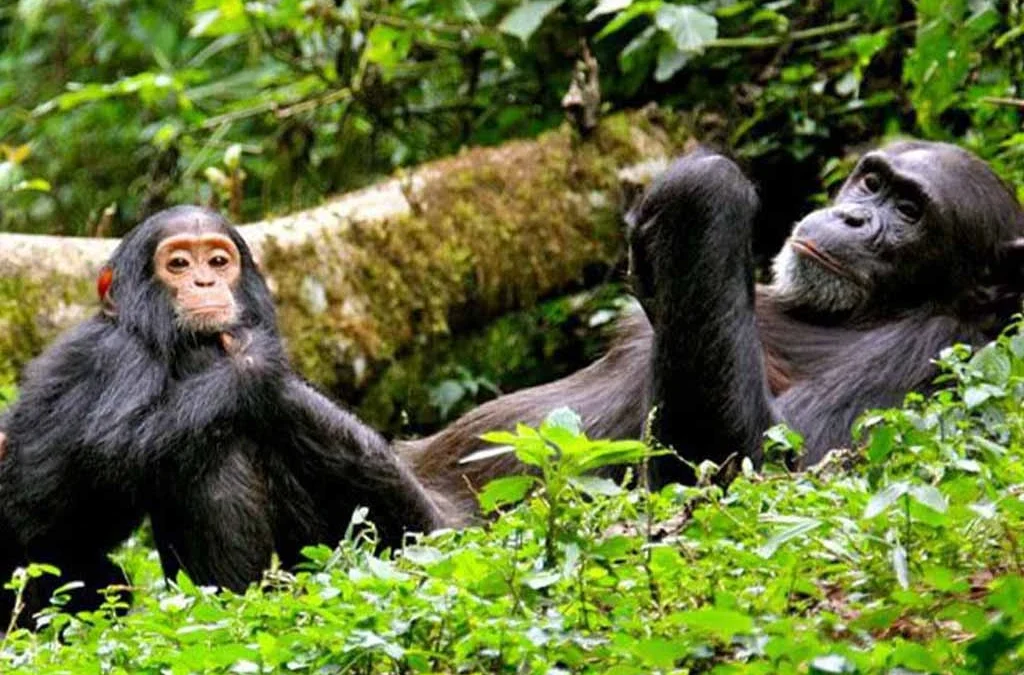
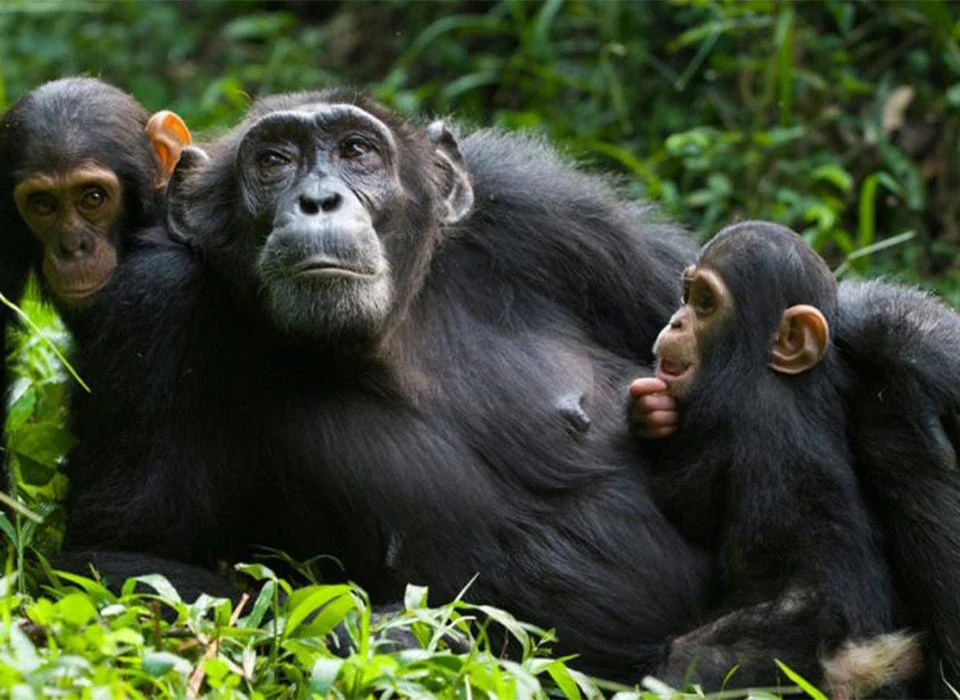
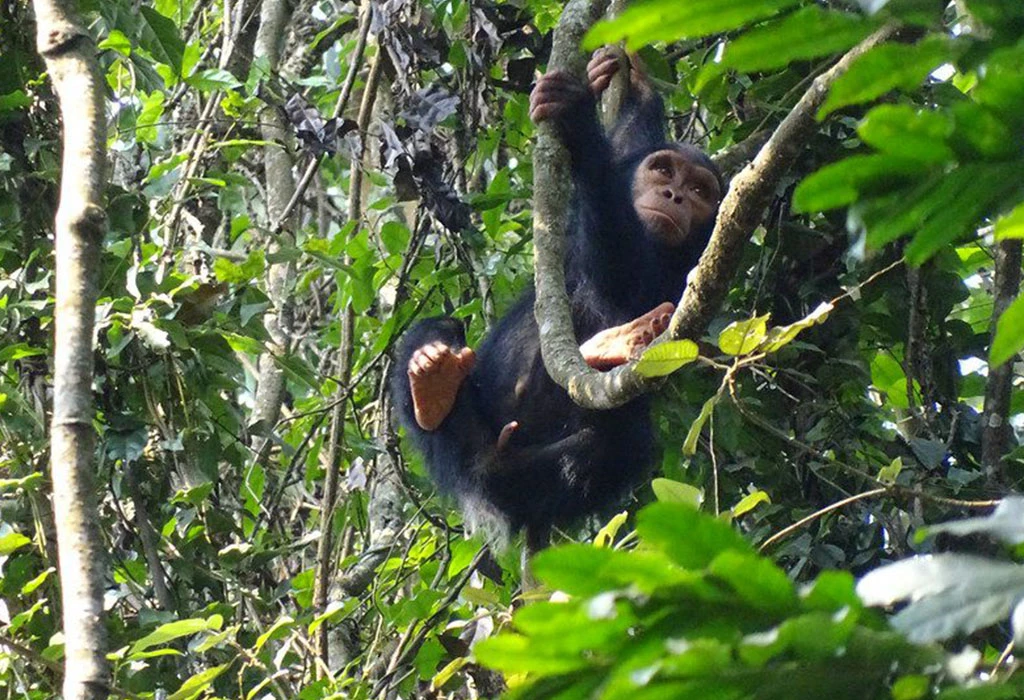
Chimpanzee trekking in Nyungwe National Park offers one of Rwanda’s most exciting wildlife experiences. As you walk through the ancient montane forest, you may hear chimpanzees calling from the treetops, watch them swing between branches, or observe them feeding and interacting with one another. However, because these are wild animals, visitors must follow carefully planned safety measures.
Rwanda’s conservation authorities, park staff, and experienced guides work together to protect both tourists and chimpanzees. From the initial briefing to the end of the trek, several measures help visitors enjoy the forest while respecting its wildlife.
How Nyungwe National Park Protects Visitors
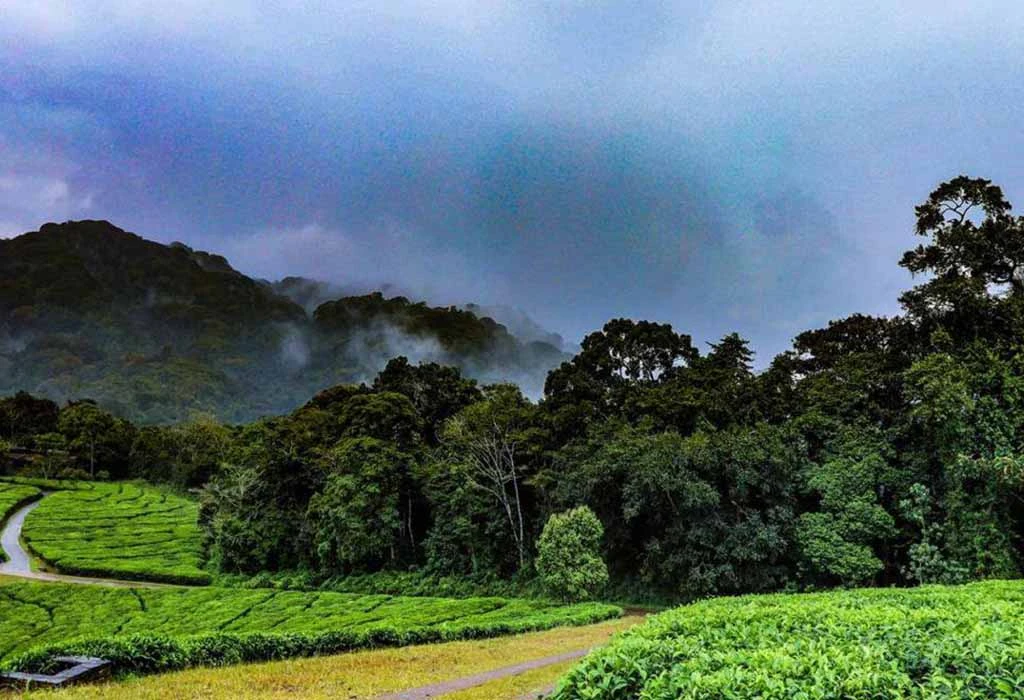
Nyungwe National Park lies in southwestern Rwanda and protects one of Africa’s most remarkable montane forests. The park supports chimpanzees, colobus monkeys, blue monkeys, and many other species. Its steep terrain, dense vegetation, and unpredictable weather make it essential for visitors to explore with trained guides.
Before every trek, park staff explain the rules, assess the conditions, and organize visitors into trekking groups. Guides then lead each group along suitable trails and provide instructions throughout the experience. Their knowledge of the forest helps visitors avoid unnecessary risks while increasing the chances of finding chimpanzees.
In addition, park authorities use conservation regulations to control human activity around wildlife. These measures reduce disturbance and help maintain a safe environment for both animals and tourists.
The Chimpanzee Trekking Briefing
Chimpanzee trekking usually begins early in the morning because chimpanzees often become more active during the cooler hours. Visitors report to the designated briefing point, where park staff explains the day’s arrangements and safety guidelines.
During the briefing, your guide explains how to behave around chimpanzees, how to maintain a safe distance, and what to do if an animal approaches. The team also discusses the expected trekking conditions, including steep trails, slippery ground, and changing weather.
Afterward, trackers and guides begin searching for the chimpanzees. Because the animals move through the forest, the team may communicate with other trackers to establish their latest location. This coordination helps guides plan the route and avoid unnecessary wandering.
Trained Guides and Park Rangers
One of the most important safety measures is the presence of trained guides and park staff. Guides understand chimpanzee behavior and know how to lead visitors through the forest responsibly. They also help tourists manage difficult sections of the trail.
Park rangers support conservation and security within the protected area. Their presence helps enforce park regulations, protect wildlife, and respond to emergencies when necessary. Visitors should always follow their instructions and avoid leaving the designated trekking group.
Furthermore, guides monitor the animals’ behavior during the encounter. If chimpanzees move closer, become agitated, or change direction, the guide may instruct visitors to remain still, move back, or adjust their position. These decisions help prevent stressful encounters.
Maintaining a Safe Distance from Chimpanzees
Chimpanzees may look familiar because of their human-like behavior, but they remain wild animals. Even habituated chimpanzees can react unpredictably, especially when visitors move too close or behave aggressively.
For this reason, trekkers must maintain the minimum distance required by park regulations. Visitors should never attempt to touch, feed, chase, or corner a chimpanzee. Instead, allow the animals to move freely and observe them quietly.
Guides also control the duration of the encounter. Visitors normally spend a limited period observing the chimpanzees before returning to the forest trail. This restriction reduces stress on the animals and prevents excessive human contact.
Health and Hygiene Precautions
Chimpanzees share many biological similarities with humans, which makes disease transmission a serious conservation concern. A common illness can threaten an entire chimpanzee community. Therefore, visitors must take health precautions before and during the trek.
If you feel unwell, inform your tour operator or park staff before entering the forest. Avoid trekking when you have symptoms of a contagious illness. During the encounter, do not cough or sneeze toward the chimpanzees, and follow the guide’s instructions if you need to move away.
Visitors should also avoid eating or drinking near the animals. Carry your water and snacks in your backpack, and dispose of all waste responsibly. By maintaining good hygiene, tourists help protect both themselves and the chimpanzees.
Safe Trails and Responsible Trekking
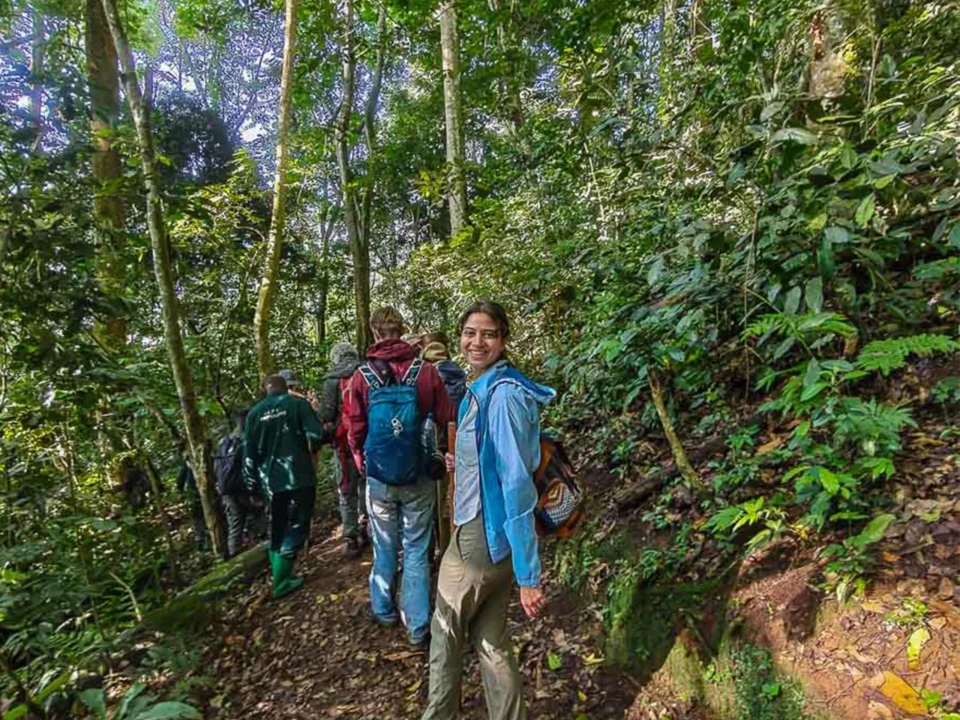
Nyungwe’s forest trails can become muddy and slippery, especially during the rainy season. Some routes also involve steep slopes, exposed roots, and dense vegetation. Consequently, visitors should prepare for a physically demanding walk.
Wear sturdy hiking boots with good ankle support and a reliable grip. Long trousers, long-sleeved shirts, and gaiters can protect your skin from scratches, insects, and wet vegetation. A rain jacket also helps you remain comfortable when weather conditions change.
During the trek, stay behind your guide and avoid wandering away from the group. Follow marked trails and use caution when crossing slippery sections. If you feel tired, inform your guide so the team can assess the situation and adjust the pace.
Emergency Preparedness
Although chimpanzee trekking is generally safe when visitors follow park regulations, minor injuries, fatigue, and sudden weather changes can occur. Tour operators such as Experiya Tour Company help visitors prepare by providing information about the trek, recommending suitable equipment, and arranging transport and guiding services.
Visitors should carry essential personal medication, drinking water, and a small first-aid kit. Guides can also advise on the safest response if someone experiences a problem during the walk.
Before booking, ask your tour operator about the trekking location, expected walking time, accommodation, transport arrangements, and emergency procedures. This preparation helps you understand what to expect and reduces avoidable risks.
Chimpanzee Trekking Permits and Visitor Control
Visitors must obtain a valid chimpanzee trekking permit through the Rwanda Development Board or an authorized booking channel. The permit system helps park authorities regulate access to the chimpanzees and manage the number of visitors entering the forest.
Because chimpanzee groups move frequently, the permit does not guarantee a sighting. However, the system supports responsible tourism by limiting human activity and helping guides organize encounters.

Permit prices, age requirements, and booking conditions can change. Therefore, confirm the latest information with the Rwanda Development Board or Experiya Tour Company before making your reservation.
Respecting the Forest and Its Wildlife
Safety also depends on responsible behavior. Visitors should avoid loud noises, unnecessary movements, and actions that disturb the chimpanzees. Do not use flash photography if park regulations prohibit it, and always follow your guide’s instructions when taking pictures.
In addition, keep the forest clean and avoid damaging plants or other natural features. Nyungwe’s ecosystem supports many species, so even small acts of care contribute to long-term conservation.
Final Thoughts
Chimpanzee trekking in Nyungwe National Park combines adventure, wildlife observation, and conservation. Rwanda protects this experience through trained guides, park regulations, visitor control, health precautions, and responsible tourism practices.
By preparing properly and following the instructions of park staff, visitors can enjoy a memorable encounter while helping protect chimpanzees and their forest habitat. For a well-organized experience, Experiya Tour Company can assist with trekking arrangements, transport, accommodation, and other safari services.