Is Golden Monkey Trekking in Uganda Worth It?
September 2, 2026
What to Expect on a Night Game Drive in Uganda
September 3, 2026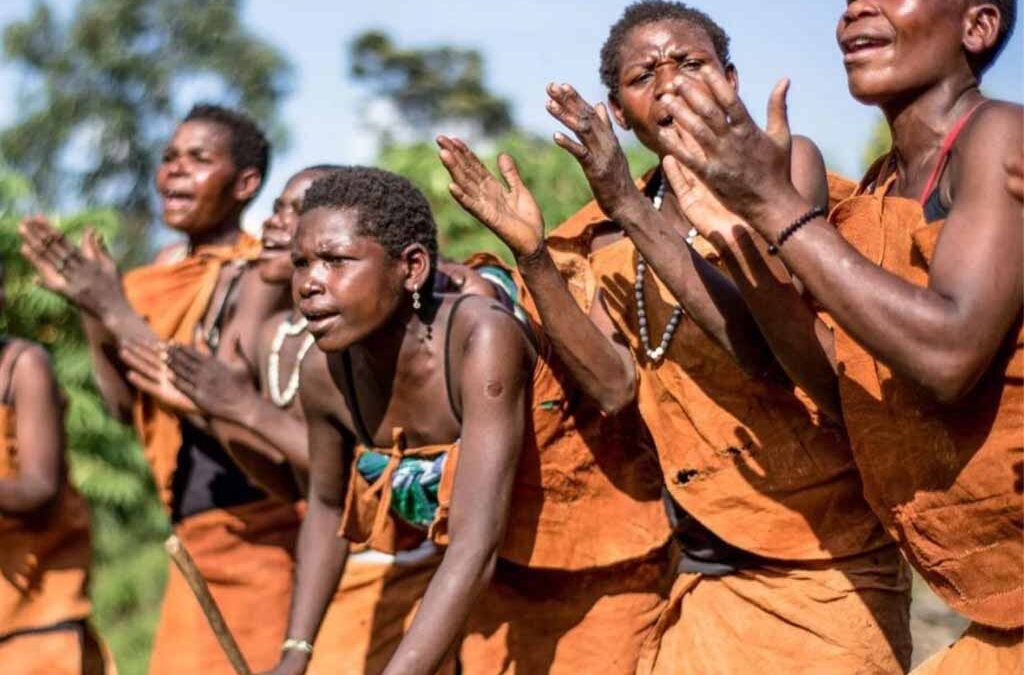
Semuliki National Park is one of Uganda’s most fascinating destinations for travelers who want to combine wildlife, nature, culture, and remarkable geological features. Located in the Albertine Rift Valley in western Uganda, the park is famous for its lowland tropical forest, diverse birdlife, primates, wildlife, and the spectacular Sempaya Hot Springs.
However, Semuliki is more than a wildlife destination. A visit to the park also provides an opportunity to learn about the communities that have lived around the forest for generations. Cultural encounters, nature walks, birdwatching, and visits to the Sempaya Hot Springs make the park an excellent addition to a Uganda safari organized by Experiya Tour Company.
Cultural Encounters Around Semuliki National Park
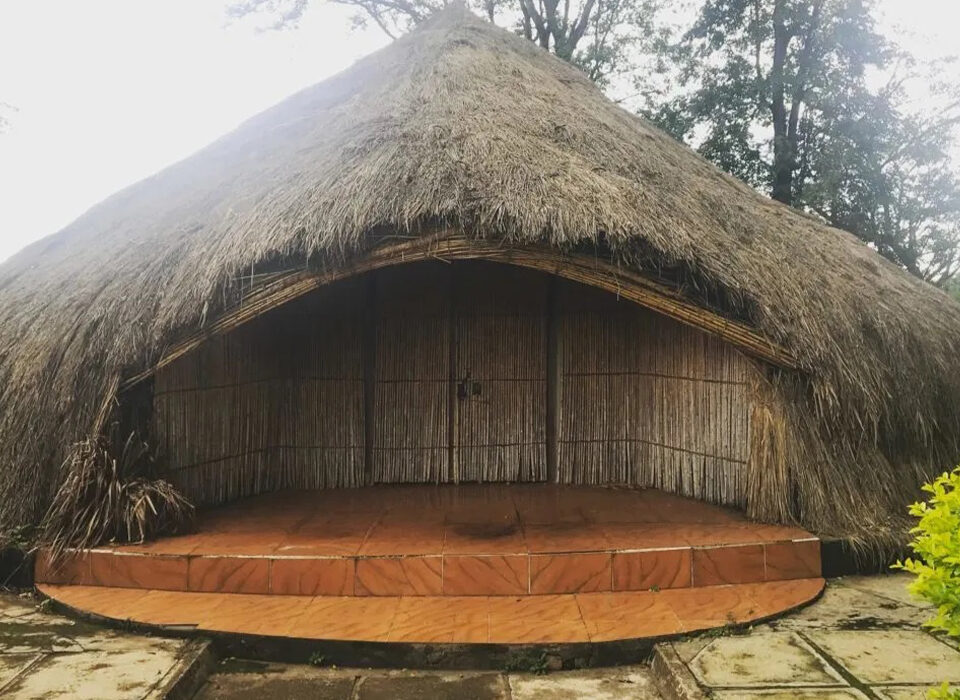
One of the most rewarding experiences around Semuliki National Park is meeting members of the Batwa community. The Batwa have a long history of living in and around the forests of the Albertine Rift. Traditionally, they depended on the forest for food, medicinal plants, shelter, and other resources.
Over time, the establishment of protected areas changed their traditional relationship with the forest. Semuliki was first gazetted as a forest reserve in 1932 and later became a national park in 1993. As a result, communities that once relied heavily on the forest had to adapt to new ways of life.
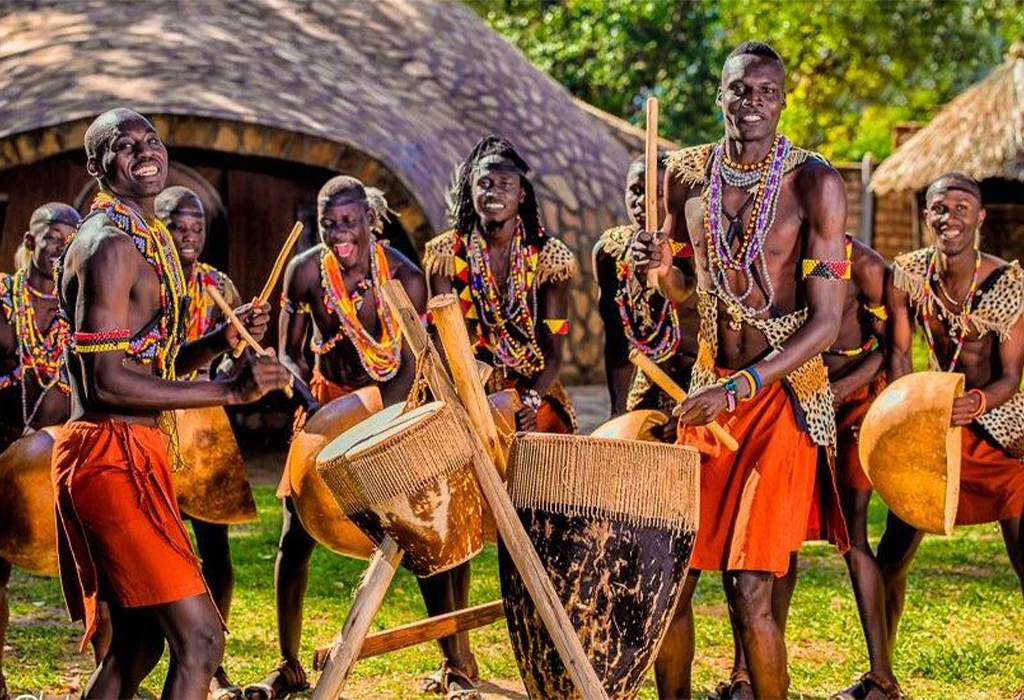
Today, cultural visits provide an opportunity to learn about this history directly from local communities. Visitors may experience traditional songs, dances, storytelling, demonstrations, and other forms of cultural expression. These encounters offer more than entertainment because they help travelers understand the traditions, challenges, and changing lifestyles of people living near the park.
The wider Semuliki region is also home to communities such as the Bwamba and Bakonzo, each with its own cultural traditions and connection to the surrounding landscape.
Meeting the Bambuti Community
Another interesting cultural experience in the Semuliki area involves meeting the Bambuti people. The Bambuti communities live in the broader Semuliki region and have traditionally depended on forest resources.
Their cultural history is closely connected to the forests of the Albertine Rift and neighboring areas of the Democratic Republic of Congo. Like other forest-dependent communities, they have experienced significant changes as conservation policies and protected areas expanded.
A guided cultural visit can introduce travelers to traditional knowledge, storytelling, music, food, and aspects of everyday life. Rather than simply observing from a distance, visitors have an opportunity to interact respectfully with community members and learn how their relationship with the forest has evolved.
For travelers interested in responsible tourism, these experiences can be particularly meaningful because tourism can create opportunities for communities to benefit from visitors while preserving important cultural traditions.
Birdwatching in Semuliki National Park
Semuliki National Park is a fantastic destination for bird lovers. Its location within the Albertine Rift, combined with its lowland forest and wetland habitats, gives it an impressive variety of bird species.
The park is particularly attractive to birdwatchers searching for forest species that are difficult to encounter elsewhere in Uganda. Among the species that may be recorded are the Red-billed Dwarf Hornbill, White-crested Hornbill, Piping Hornbill, Yellow-throated Nicator, Ross’s Turaco, Crested Malimbe, Blue-billed Malimbe, and Nkulengu Rail.
The Sempaya and Ntandi areas are productive locations for birding, while the Kirumia River trail provides another excellent opportunity to explore forest habitats on foot.
In addition, the wetlands and areas around Lake Albert support different bird species, including the sought-after Shoebill. Seeing a Shoebill is never guaranteed, but birdwatchers who explore suitable wetland habitats have a chance of encountering this remarkable prehistoric-looking bird.
Because many forest birds are easier to identify by their calls and movements than from a vehicle, walking trails offer birders a more immersive experience.
Nature Walks and Forest Hiking
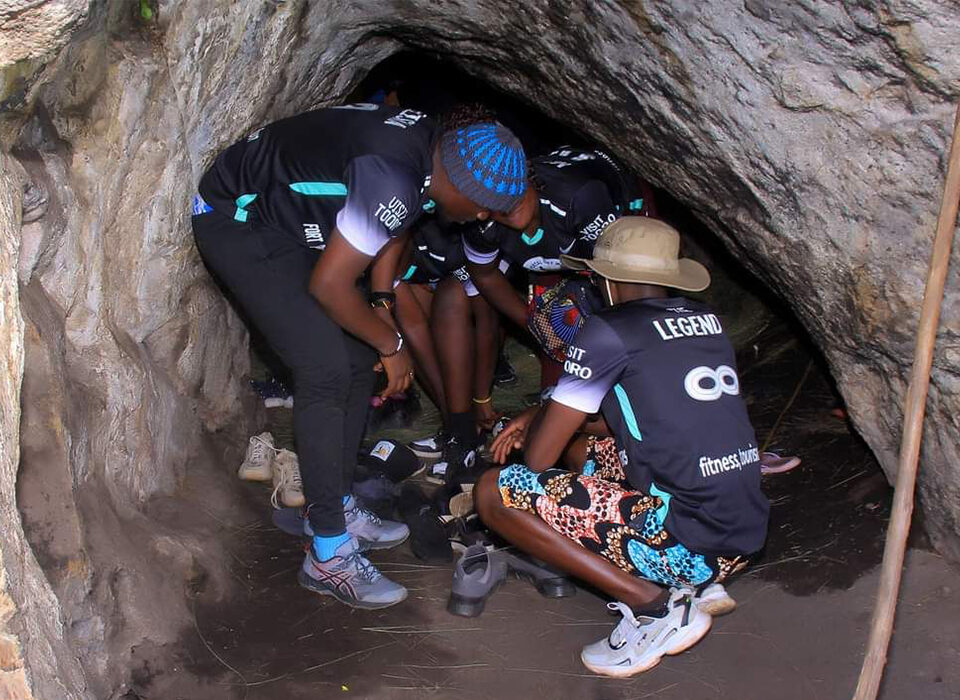
For travelers who want to experience Semuliki beyond the vehicle, guided nature walks are an excellent choice. Walking through the forest allows visitors to slow down and appreciate details that are easily missed during a game drive.
As you move along the trails, you may encounter monkeys, butterflies, birds, and other forest creatures. The experience also reveals the character of the tropical forest itself, from towering trees and tangled vegetation to streams, wetlands, and signs of wildlife activity.
Semuliki has several established trails that provide different experiences. The Sempaya Nature Trail leads visitors toward the famous hot springs and offers opportunities to observe forest wildlife along the way. The Red Monkey Trail follows the eastern side of the park and is useful for travelers interested in primates and forest scenery.
For more adventurous visitors, the Kirumia River Trail offers a longer walk through the forest toward the Semuliki River. This trail is especially attractive to birdwatchers because it passes through habitats that support a variety of forest species.
Since parts of Semuliki can become muddy and challenging during rainy periods, visitors should wear comfortable, waterproof hiking footwear and follow the advice of their local guide.
Exploring the Sempaya Hot Springs
No visit to Semuliki National Park is complete without exploring the Sempaya Hot Springs. They are among the park’s best-known attractions and have become an essential stop on many Semuliki safaris.
The site features two major hot springs known as Bintente and Nyasimbi. Bintente is the larger spring, while Nyasimbi is the smaller, more active spring associated with boiling water and steam.
The springs are the result of geothermal activity beneath the Earth’s surface. Water heated underground rises through cracks in the Earth’s crust, producing the impressive hot springs visitors see today.
What makes Sempaya even more fascinating, however, is the cultural meaning attached to the springs. Local communities have passed down stories and legends explaining their origin and significance. Listening to these stories adds a cultural dimension to what would otherwise be a purely geological attraction.
Visitors can also observe the dramatic steam rising from the hot water and appreciate the surrounding forest environment. The area supports various species of birds, butterflies, and primates, making the visit more rewarding for nature enthusiasts.
What Is the Best Time to Visit Semuliki National Park?
Semuliki National Park can be visited throughout the year, but the best period depends on the type of experience you want.
The drier months of June to August and December to February generally provide better conditions for hiking, nature walks, wildlife viewing, and road travel. During these months, trails are usually easier to navigate, although occasional rainfall can still occur because Semuliki lies in a naturally wet environment.
The rainy periods of March to May and September to November bring heavier rainfall. While wet conditions can make some trails muddy and difficult, the rains also transform the forest into a lush and vibrant landscape. Birdwatchers may find these periods rewarding because food availability and breeding activity can increase bird activity.
Therefore, there is no single month that is perfect for everyone. Travelers who prioritize easier hiking and road conditions may prefer the drier seasons, while those who enjoy lush scenery, fewer visitors, and excellent birding opportunities may consider the wetter months.
Why Visit Semuliki with Experiya Tour Company?
Semuliki National Park offers a combination of experiences that few Ugandan destinations can match. From meeting communities with deep forest connections to walking through one of Uganda’s most distinctive forests, the destination encourages travelers to explore beyond conventional wildlife safaris.
A visit to the Sempaya Hot Springs adds another memorable element, while birdwatching and nature walks allow visitors to discover the smaller details of the ecosystem.
With Experiya Tour Company, travelers can include Semuliki National Park in a wider Uganda safari itinerary or plan a dedicated visit to the park. Depending on the available time, the experience can be combined with destinations such as Kibale National Park, Queen Elizabeth National Park, or other attractions in western Uganda.
Ultimately, Semuliki is a destination for curious travelers. It combines nature, culture, wildlife, history, and geology in one remarkable landscape. Whether you are walking beneath the forest canopy, listening to local stories, searching for rare birds, or standing near the steaming Sempaya Hot Springs, Semuliki offers an authentic side of Uganda that is well worth discovering.