What Illnesses Do Gorillas Suffer From?
August 13, 2026
Where to Go for Night Game Drives in Uganda
August 14, 2026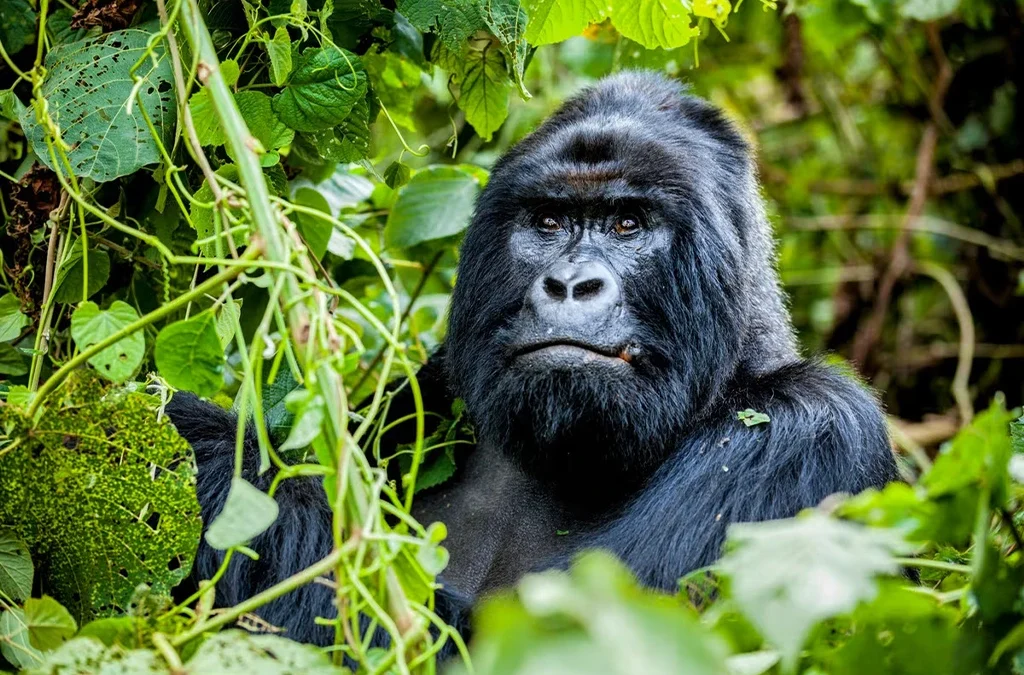
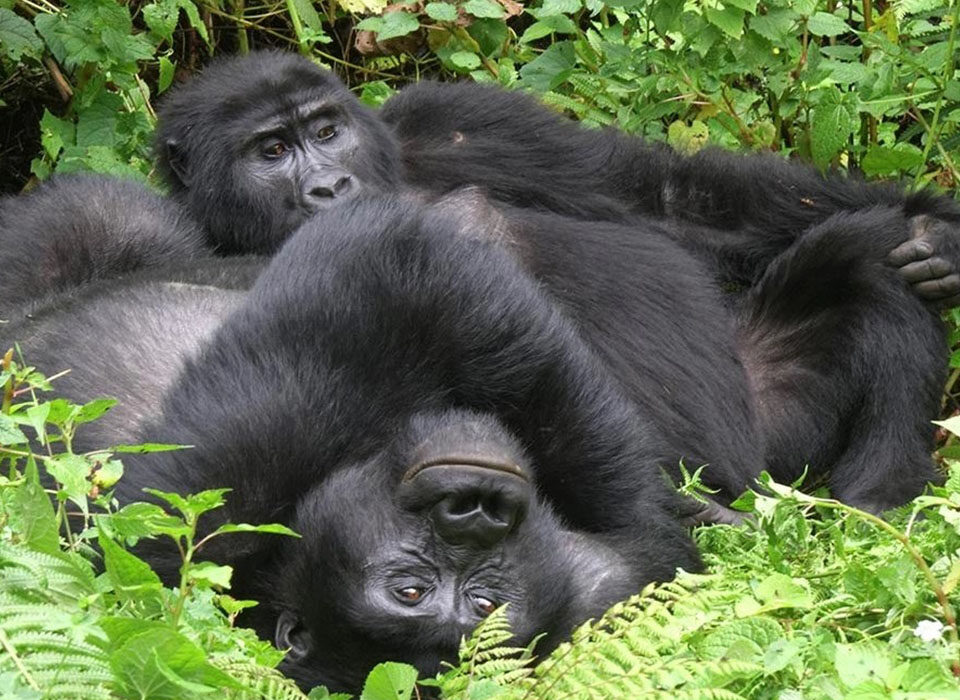
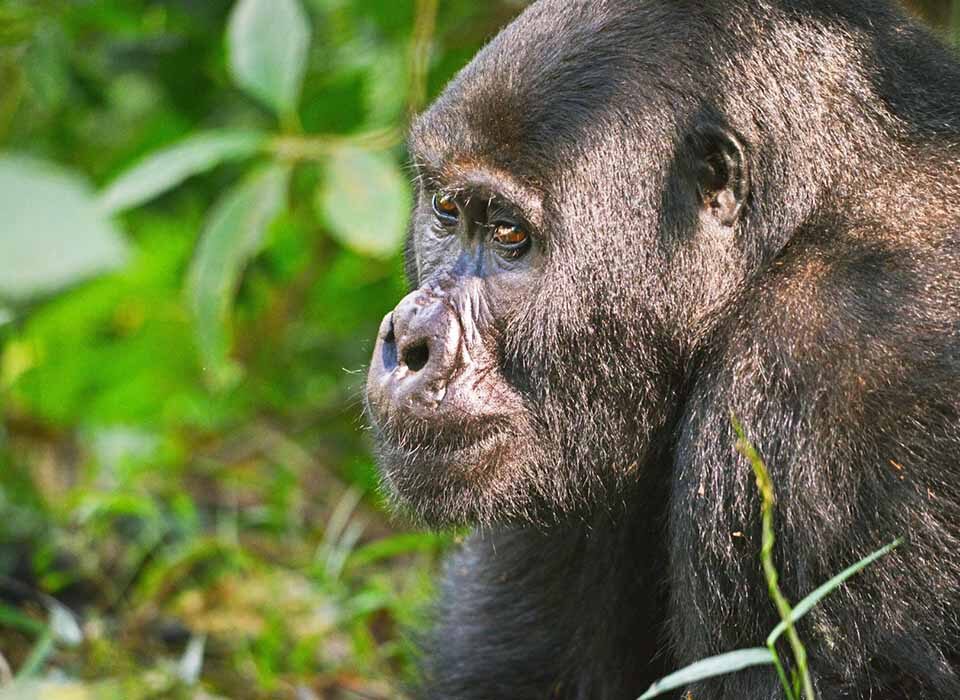
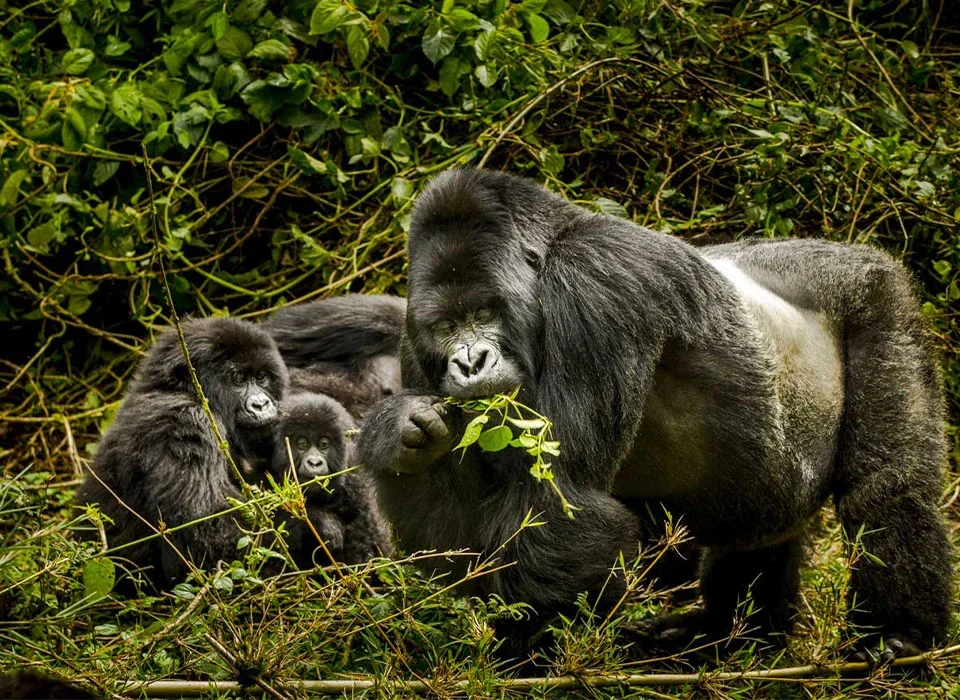
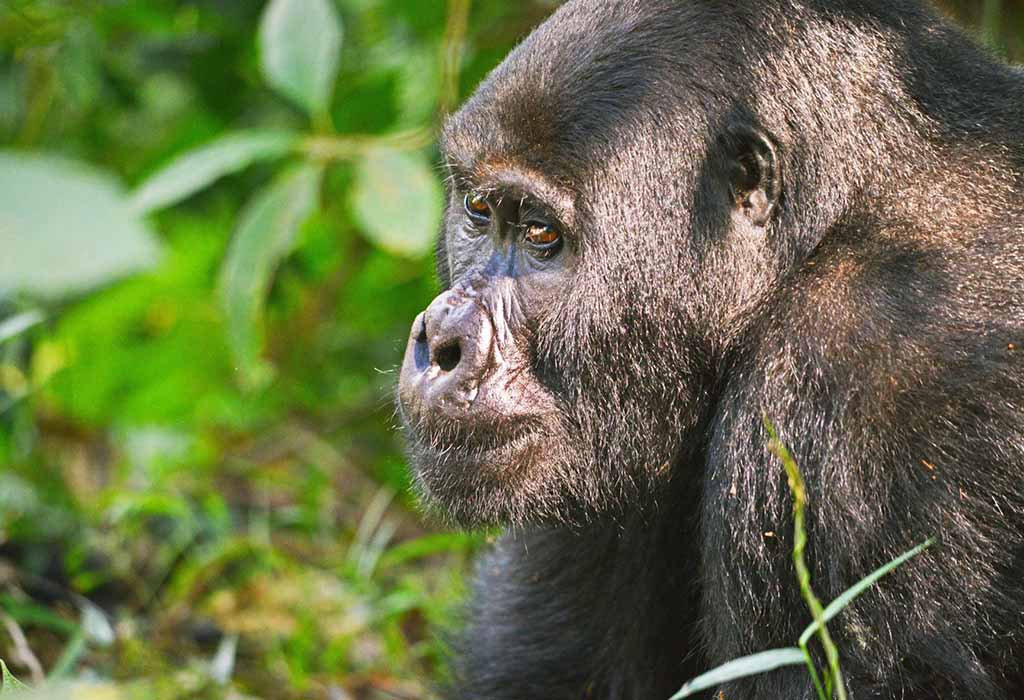
Gorilla trekking is one of the most remarkable wildlife experiences in Africa. Walking through the misty forests of Uganda, listening to birds and other forest sounds, and eventually coming face-to-face with a family of mountain gorillas can create memories that last a lifetime. However, because gorilla trekking involves close encounters with endangered wildlife and challenging forest conditions, authorities have established age restrictions to protect both visitors and gorillas.
At Experiya Tour Company, we encourage travelers to understand these regulations before planning a gorilla trekking adventure. The age limit is not intended to discourage families from experiencing Uganda’s incredible wildlife. Instead, it helps ensure that every trek takes place safely, responsibly, and with minimal disturbance to the gorillas.
Protecting Visitors During the Trek
One of the main reasons for the age restriction is the physical nature of gorilla trekking. Unlike visiting a zoo or wildlife sanctuary, trekking takes place in the natural habitat of mountain gorillas. Bwindi Impenetrable National Park and Mgahinga Gorilla National Park contain steep slopes, thick vegetation, slippery trails, muddy sections, and uneven ground.
Depending on where a gorilla family has moved, trekkers may spend several hours walking through the forest before reaching the animals. Some treks can be relatively short, while others require considerably more effort.
For young children, particularly those below the permitted trekking age, such conditions can be difficult to manage. A child may become tired, frightened, or unable to keep up with the group. Consequently, guides may need to change the pace or make special arrangements, which can affect the experience for everyone.
Older travelers can also participate in gorilla trekking, provided they meet the relevant requirements and are physically capable of completing the trek. However, age alone does not determine fitness. Travelers should honestly assess their physical condition and consult a medical professional when necessary before undertaking a demanding forest trek.
Why Young Children Face Restrictions
Gorilla trekking requires visitors to follow instructions carefully. When the group reaches a gorilla family, everyone must maintain an appropriate distance, remain calm, avoid sudden movements, and follow the guidance of the trackers and guides.
Very young children may naturally become excited when they see gorillas. They might speak loudly, move suddenly, become restless, or struggle to remain still for the required period. Although these reactions are normal for children, they can create unnecessary disturbance around wild animals.
Moreover, gorillas are powerful and unpredictable wild animals. Even though habituated mountain gorillas have become accustomed to the presence of humans, they remain wild animals with their own behaviors and social structures. A sudden movement or loud noise could make an encounter uncomfortable for both the gorillas and visitors.
Therefore, the age restriction helps ensure that people joining the trek have enough maturity to understand and follow the rules governing responsible gorilla encounters.
Protecting Gorillas From Human Diseases
Another important reason for age restrictions involves disease transmission. Mountain gorillas share many similarities with humans, which means they can be vulnerable to several human illnesses, particularly respiratory infections.
A simple cold, flu, or other respiratory infection that may seem minor to a person can potentially become serious for a gorilla. Because mountain gorillas already face numerous conservation challenges, preventing the introduction of human diseases is extremely important.
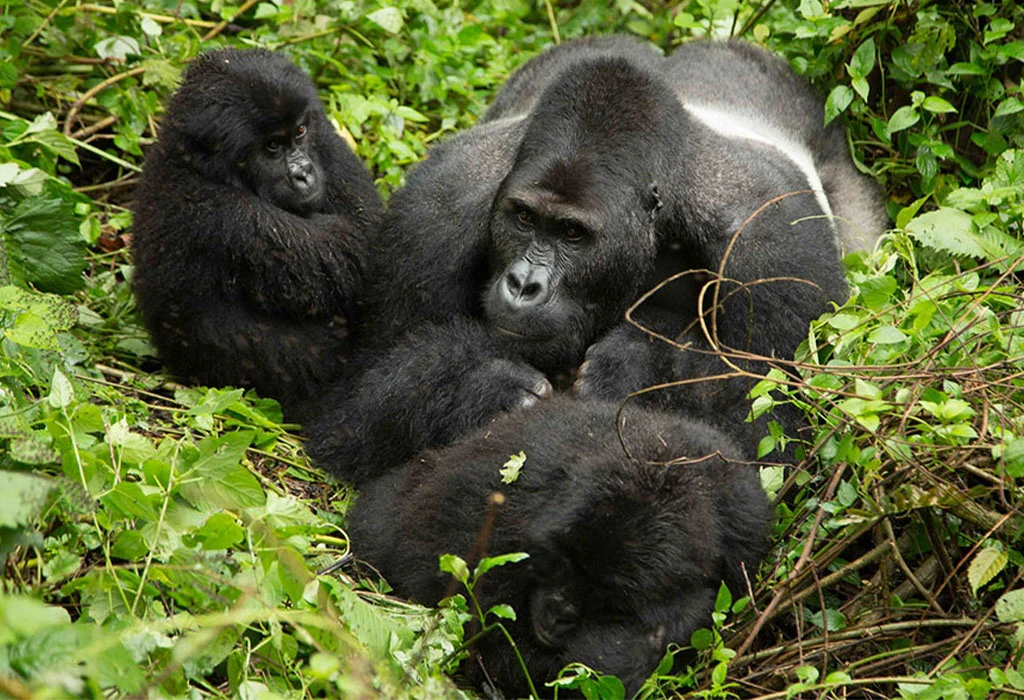
Before trekking, visitors should follow the health guidance provided by park authorities and their tour operator. Anyone who feels unwell should inform the guides and avoid visiting the gorillas when instructed to do so.
Children may also have different vaccination schedules and health considerations compared with adults. For that reason, age regulations provide an additional layer of protection while helping tourism authorities manage health risks around gorilla groups.
The High-Altitude Forest Environment
Mountain gorillas live in high-altitude forests where conditions can change quickly. Bwindi, for example, is known for its steep terrain, dense vegetation, cool temperatures, and frequent rainfall.
The combination of altitude, humidity, rain, and strenuous walking can make trekking physically demanding. Visitors may have to climb hills, cross muddy trails, and walk through thick vegetation.
For young children, these conditions can be particularly challenging. They may become exhausted more quickly and have difficulty regulating their body temperature or coping with prolonged physical activity.
Nevertheless, visitors should not assume that being older automatically prevents someone from trekking. Many older travelers successfully participate in gorilla trekking. What matters most is their ability to handle the physical demands of the experience. Travelers with concerns about fitness or existing health conditions should seek professional medical advice before traveling.
Keeping Gorilla Encounters Calm and Respectful
Gorilla trekking depends on responsible behavior. Once visitors reach a gorilla family, the guides carefully manage the encounter to minimize disturbance.
Trekkers are expected to remain calm, follow instructions, avoid unnecessary noise, and respect the space of the animals. These rules help the gorillas continue their natural activities while allowing visitors to observe them safely.
Because children may find it difficult to understand why they cannot approach, touch, shout at, or play with the gorillas, the minimum age requirement helps reduce potential problems.
Importantly, the purpose is not to suggest that children cannot appreciate wildlife. Children can develop a deep love for nature and conservation from an early age. However, gorilla trekking requires a level of discipline and maturity that very young children may not yet have developed.
Maintaining the Quality of the Gorilla Experience
Gorilla tourism operates under strict regulations because mountain gorillas are endangered animals. Authorities limit the number of visitors who can visit gorilla families each day and regulate how people behave around them.
These restrictions help reduce pressure on the animals and their habitat. They also give visitors a better opportunity to observe gorillas without overcrowding or excessive human activity.
If visitors could behave unpredictably around the gorillas, the animals could become stressed or alter their natural behavior. Over time, repeated disturbances could undermine the conservation objectives of gorilla tourism.
Therefore, age restrictions form part of a wider system of responsible tourism measures designed to balance wildlife protection with meaningful visitor experiences.
Age Limits Are Not About Discrimination
It is important to understand that an age restriction does not mean children or older people are incapable of appreciating gorillas. Instead, the regulation considers safety, maturity, physical demands, and conservation requirements.
A young traveler may be energetic and physically fit but still lack the maturity required to behave appropriately around wild animals. Similarly, an older traveler may be experienced and physically capable but still need to consider the challenges of steep and slippery terrain.
The regulations provide a practical standard that park authorities can apply consistently. At the same time, travelers should consider their individual fitness and preparedness rather than relying solely on age.
What Families Can Do Instead
Families traveling with younger children do not have to miss out on Uganda’s wildlife experiences. While children below the permitted trekking age may not join a gorilla trek, they can enjoy other activities that offer exciting encounters with nature.
Depending on the destination and itinerary, families can explore cultural experiences, nature walks, birdwatching, wildlife safaris, community visits, and other attractions suitable for children.
For example, Uganda’s national parks offer opportunities to see elephants, lions, buffaloes, antelopes, hippos, and many bird species. These experiences can introduce children to wildlife conservation while allowing them to enjoy activities suited to their age.
Families can then plan a gorilla trekking adventure when their children reach the required age.
How to Prepare for Gorilla Trekking
Once travelers meet the age requirements, proper preparation can make the experience more enjoyable. Regular walking or hiking before the trip can help build stamina. Visitors should also bring suitable hiking shoes, lightweight clothing, waterproof gear, drinking water, snacks, and other essential items recommended by their tour operator.
Most importantly, travelers should listen carefully to their guides. The guides and trackers understand the forest and know how to approach gorilla families responsibly.
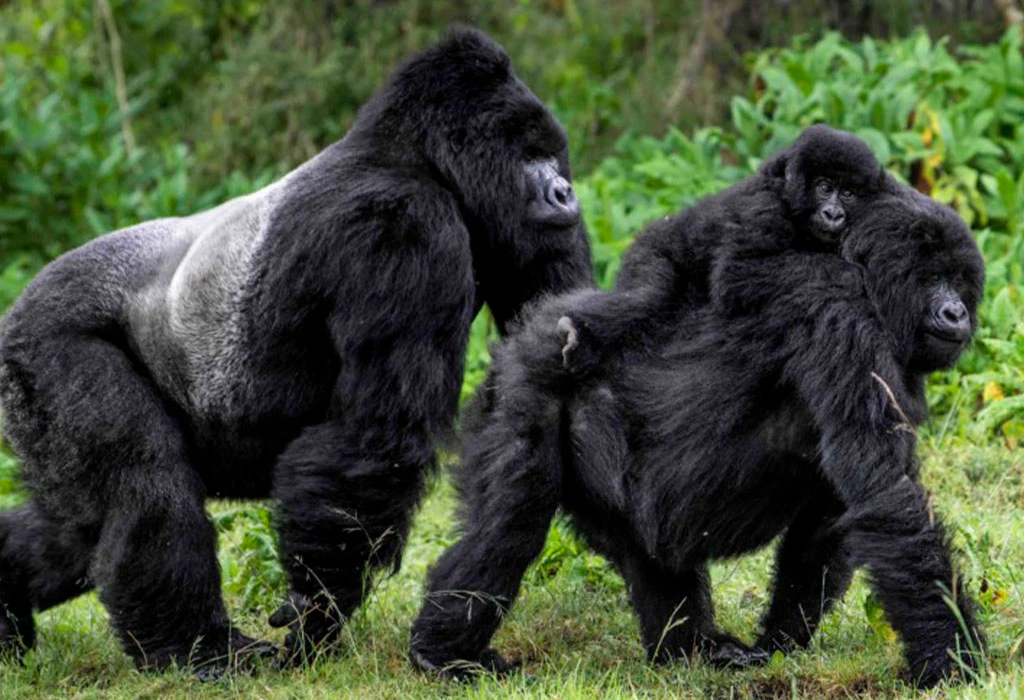
Visitors should also maintain the recommended distance from the gorillas, avoid touching them, and never attempt to feed them. If a visitor feels sick before the trek, they should inform their guide rather than hiding their symptoms.
Supporting Gorilla Conservation Through Responsible Tourism
Gorilla trekking does more than provide an unforgettable travel experience. Properly managed tourism generates revenue that supports conservation, park management, research, and local communities.
When travelers respect age restrictions and other trekking regulations, they contribute to a tourism system designed to protect mountain gorillas for future generations.
In addition, responsible visitors support communities living around protected areas. Tourism creates employment opportunities for guides, trackers, porters, drivers, accommodation providers, and other local businesses.
As a result, a carefully managed gorilla trekking experience can benefit both wildlife and people.
Final Thoughts
Age limits for gorilla trekking exist for important reasons. They help protect young visitors from the physical challenges of the forest, encourage responsible behavior around wild animals, reduce health risks, and support the conservation of mountain gorillas.
At the same time, travelers should remember that age is only one part of trekking preparedness. Physical fitness, health, appropriate equipment, and willingness to follow the instructions of experienced guides all contribute to a safe and rewarding experience.
At Experiya Tour Company, we believe that responsible tourism begins with understanding and respecting the rules that protect Uganda’s wildlife. By following gorilla trekking regulations, visitors can enjoy a memorable encounter while helping safeguard these extraordinary animals and their forest home.
For families with young children, the waiting period can be an opportunity to explore Uganda’s many other attractions. When the time is right, they can return to the forests and experience the unforgettable moment of standing quietly in the presence of mountain gorillas.