Boat Trips in Uganda and Rwanda
August 10, 2026
Best Bird Watching Destinations in Rwanda
August 10, 2026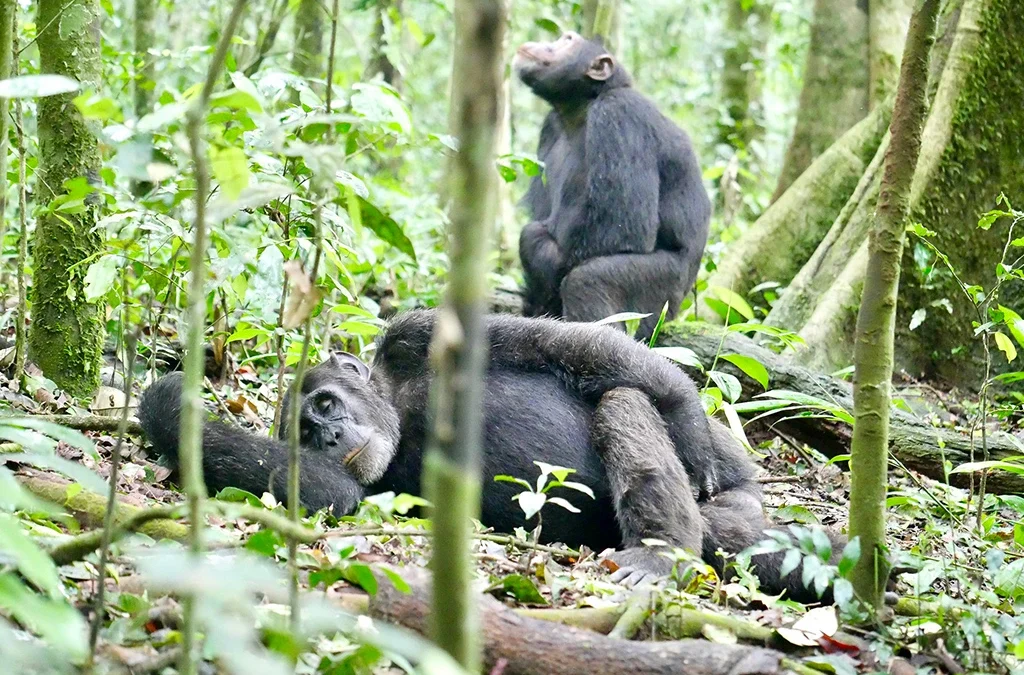
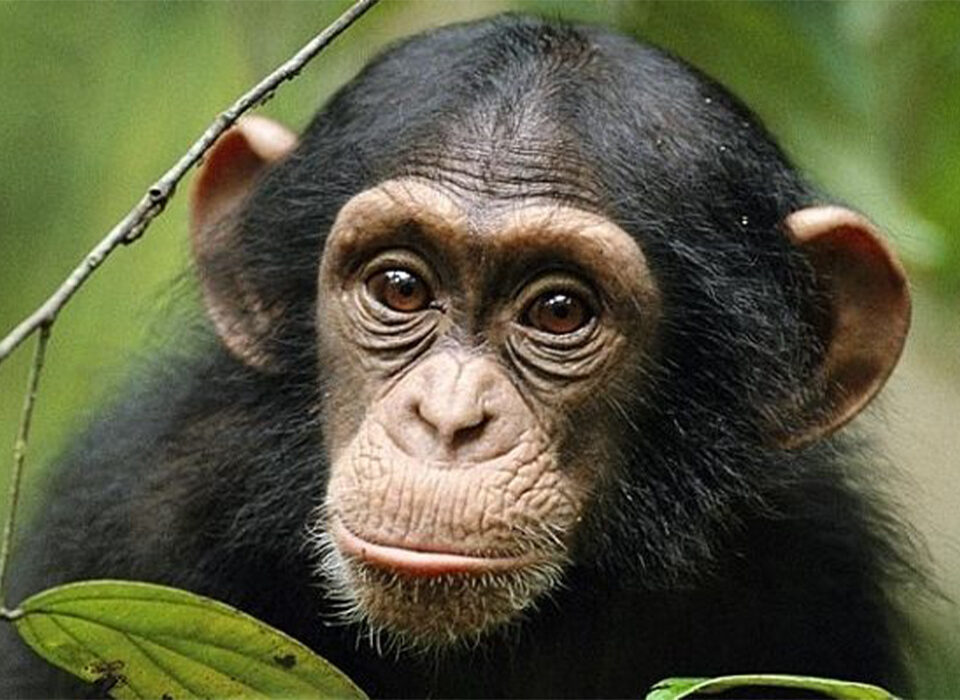
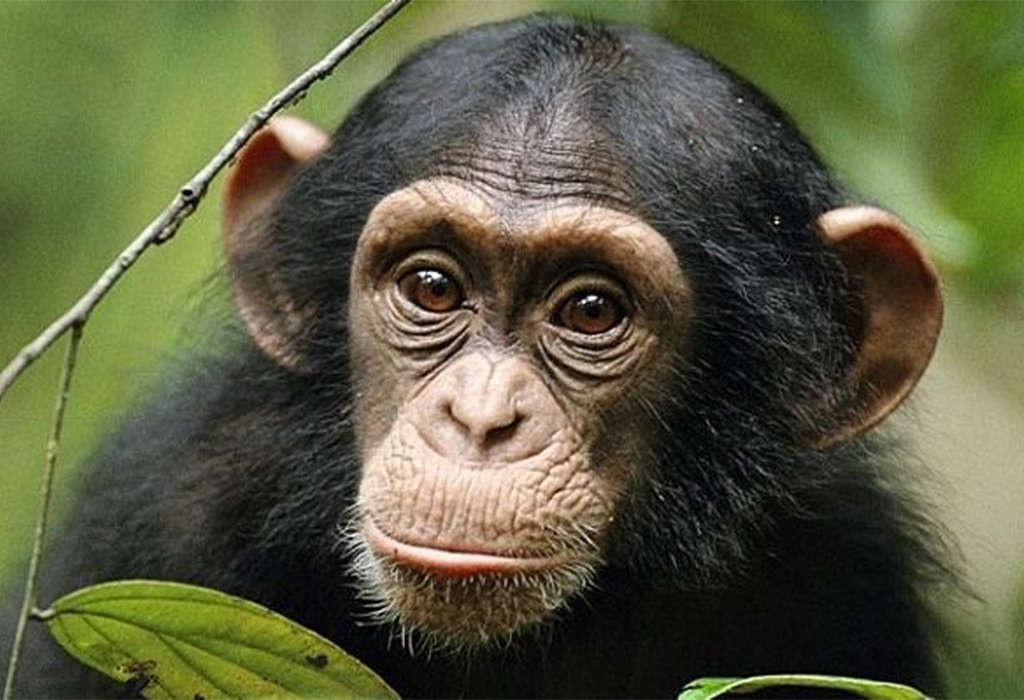
Chimpanzee trekking in Tanzania offers one of the most intimate wildlife experiences in Africa. Instead of watching animals from a safari vehicle across open savannah, travelers walk through tropical forests in search of wild chimpanzees. Two destinations stand out for this experience: Gombe Stream National Park and Mahale Mountains National Park.
Located along the spectacular shores of Lake Tanganyika in western Tanzania, these parks protect important chimpanzee habitats while offering travelers a chance to explore some of the country’s most remote wilderness areas. Both destinations provide close encounters with habituated chimpanzee communities, although each offers a distinctly different experience.
For travelers planning a primate adventure with Experiya Tour Company, understanding the differences between Gombe and Mahale can help you choose the destination that best matches your interests, fitness level, travel schedule, and budget.
What Is Chimpanzee Trekking in Tanzania?
Chimpanzee trekking involves walking through forested habitats with trained guides and park rangers to locate wild chimpanzees. Guides monitor the animals and use their knowledge of the forest to determine where different chimpanzee communities are likely to be found.
Once you reach the chimpanzees, you can watch them interact naturally within their social groups. You may see them feeding, grooming one another, calling, playing, climbing trees, or caring for their young. Because chimpanzees constantly move through the forest, every trek feels different.
Unlike a conventional game drive, trekking puts you directly into the forest environment. You hear birds calling overhead, see tracks along the trails, and experience the sounds and smells of the tropical forest around you. Consequently, the experience feels both adventurous and deeply personal.
Gombe Stream National Park
Gombe Stream National Park lies along the northeastern shores of Lake Tanganyika in western Tanzania. Covering roughly 35 square kilometers, it is Tanzania’s smallest national park. However, its small size does not diminish its global importance.
Gombe became internationally famous through the pioneering work of Dr. Jane Goodall, who began studying chimpanzees there in 1960. Her research transformed scientific understanding of chimpanzee behavior and revealed remarkable similarities between chimpanzees and humans.
Today, Gombe continues to attract researchers, conservationists, photographers, and travelers interested in primates. Its steep valleys, forested slopes, streams, and lakeshore create a beautiful setting for chimpanzee trekking.
Chimpanzees in Gombe
Gombe protects several chimpanzee communities, including the famous Kasekela community, which researchers have studied for decades. This long-running research has provided extraordinary information about chimpanzee communication, relationships, feeding habits, intelligence, and social organization.
Visitors do not simply see chimpanzees; they also enter a forest that has played an important role in the history of primate research. This scientific connection gives Gombe a special character that few wildlife destinations can match.
Moreover, the park’s relatively compact landscape can make trekking feel more focused. However, visitors should still expect steep sections because the terrain rises and falls sharply around the forested valleys.
Mahale Mountains National Park
Further south along Lake Tanganyika lies Mahale Mountains National Park, a much larger and more remote protected area. The park covers approximately 1,600 square kilometers and combines forested mountains, woodland, streams, and beautiful lakeshore scenery.
The dramatic Mahale Mountains form the backdrop to the park, with Mount Nkungwe rising to about 2,462 meters. Dense forests on the mountain slopes provide an ideal habitat for chimpanzees and other wildlife.
Mahale’s remote location adds to its appeal. Travelers often reach the park by boat or charter aircraft, depending on their itinerary. As a result, the journey itself becomes part of the adventure.
Chimpanzees in Mahale Mountains
Mahale supports one of Tanzania’s most important chimpanzee populations. Several communities live within the park, and some have become accustomed to carefully controlled human observation.
The best-known habituated communities allow visitors to observe chimpanzees at relatively close range while trained guides maintain strict conservation standards. Trekkers may encounter large groups feeding, grooming, resting, communicating, and moving through the forest.
In addition, Mahale offers an unusual combination of mountain wilderness and Lake Tanganyika scenery. After a trek, visitors can return to the lakeshore, enjoy the peaceful surroundings, and appreciate one of western Tanzania’s most spectacular landscapes.
Gombe or Mahale: Which Is Better?
Both parks provide excellent chimpanzee trekking, but they appeal to different types of travelers.
Gombe offers a more intimate experience because of its smaller size and strong connection to Jane Goodall’s pioneering research. Travelers who appreciate conservation history and primate science may find Gombe particularly rewarding.
Mahale, on the other hand, provides a broader wilderness experience. Its larger landscape, dramatic mountains, remote location, and beautiful beaches make it ideal for travelers who want to combine chimpanzee trekking with nature, relaxation, and adventure.
Therefore, there is no single answer to which park is better. Your choice depends on what you want from your Tanzanian safari.
Best Time for Chimpanzee Trekking
Travelers can trek chimpanzees in Gombe and Mahale throughout the year. Nevertheless, the drier months, particularly from June to October, generally provide favorable trekking conditions.
During this period, trails tend to remain easier to navigate, while drier weather can make hiking more comfortable. Wildlife movements can also make chimpanzees easier to locate in certain areas.
The wetter months can bring challenging trails, especially after heavy rainfall. However, the forests become lush and vibrant, and travelers who enjoy quieter destinations may appreciate visiting during this period.
Because conditions and wildlife movements change naturally, travelers should discuss their preferred travel dates with Experiya Tour Company before making final arrangements.
How Difficult Is the Trek?
Chimpanzee trekking requires a reasonable level of fitness because both parks have forested and uneven terrain. Gombe can involve steep climbs and descents despite its small size, while Mahale may require longer hikes through rugged landscapes.
The chimpanzees also determine how long you spend on the trail. Sometimes guides locate them quickly, while on other days you may need to walk farther before finding the group.
Comfortable hiking shoes, lightweight clothing, drinking water, insect protection, and rain protection can make the experience much easier. Most importantly, trekkers should listen carefully to their guides and follow park regulations.
Permits and Trekking Regulations
Visitors need the appropriate park entry and chimpanzee trekking arrangements to participate in guided activities in Gombe and Mahale. Because fees and regulations can change, travelers should confirm the current charges and booking requirements before departure.
During the trek, visitors must maintain a safe distance from chimpanzees and avoid touching or feeding them. Guides also control the amount of time visitors spend near the animals. These measures reduce stress and help prevent the transmission of diseases between humans and chimpanzees.
Travelers should also avoid visiting the chimpanzees when they are unwell. Even a common human illness can pose a serious threat to wild primates.
Getting to Gombe Stream National Park
Kigoma serves as the main gateway to Gombe. Travelers can reach Kigoma by air or other transport connections before continuing toward the park by boat.
Since Gombe does not have a conventional road network connecting directly to the park, the boat journey across Lake Tanganyika forms an important part of the adventure. As you approach the forested shoreline, the remoteness of Gombe becomes immediately apparent.
Getting to Mahale Mountains National Park
Mahale is even more remote. Travelers can access the park by boat from the Kigoma area or by charter flight, depending on their itinerary and the season.
The journey may take several hours by boat, but the spectacular scenery makes the transfer memorable. Once you arrive, the combination of mountains, forest, and Lake Tanganyika creates an extraordinary wilderness setting.
Other Wildlife to See
Chimpanzees remain the main attraction, but they are not the only wildlife you can encounter. Gombe and Mahale support several other primate species, including red colobus monkeys, red-tailed monkeys, and baboons.
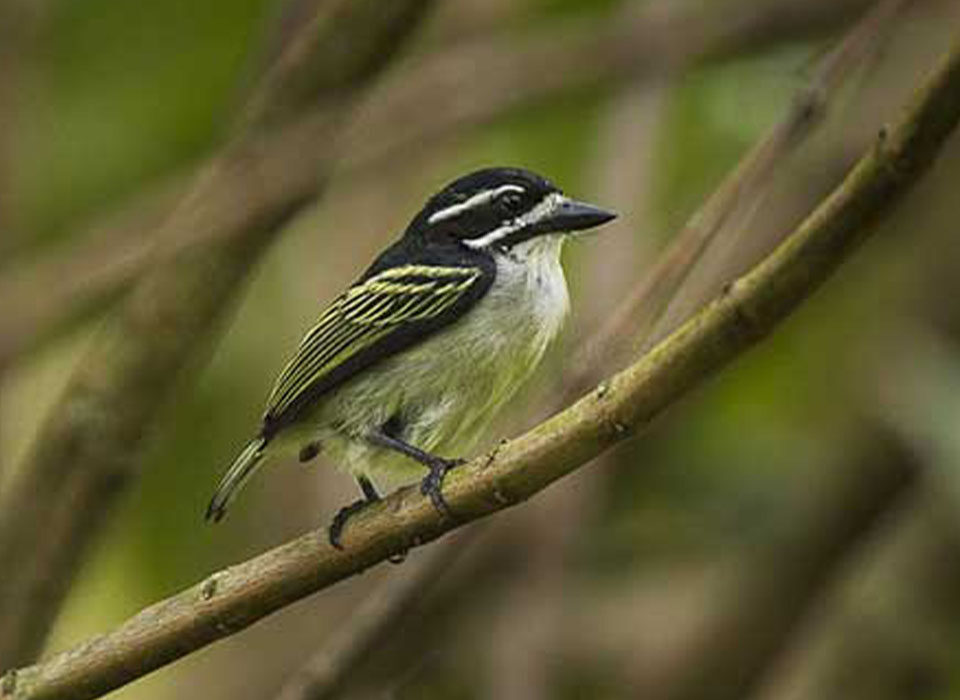
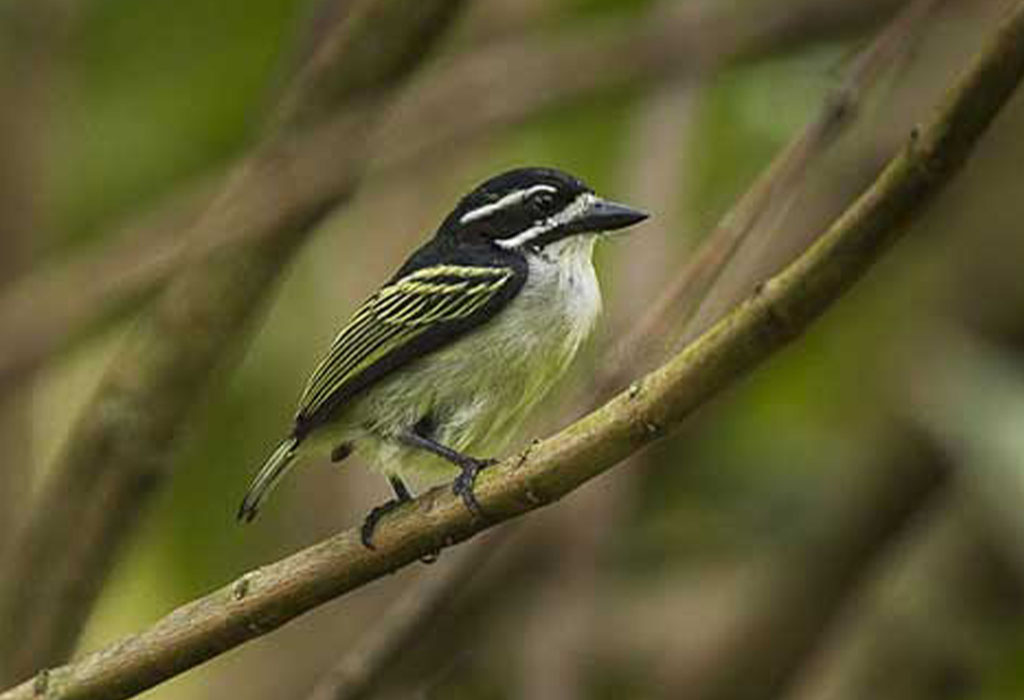
Birdwatchers can also enjoy numerous forest and lakeshore species. Around Lake Tanganyika, visitors may spot fish eagles and other water-associated birds. Depending on the location and conditions, travelers can also encounter smaller forest mammals and reptiles.
The lake adds another dimension to the experience, offering beautiful scenery and opportunities for relaxation between trekking activities.
Accommodation in Gombe and Mahale
Accommodation options vary between the two destinations. Gombe offers relatively simple accommodation and camps close to the park, while Mahale provides a selection of lakeside camps and lodges ranging from comfortable to more luxurious options.
Staying close to the park allows travelers to maximize their time in the forest and avoid unnecessary transfers. Many properties can also assist with boat transportation, meals, and guided activities.
Combining Gombe and Mahale
Travelers with more time can combine both parks for a comprehensive chimpanzee adventure. A well-planned itinerary can include several days in Gombe followed by additional days in Mahale.
This combination allows you to experience Gombe’s remarkable research history while enjoying Mahale’s expansive wilderness and lakeside scenery. You can also incorporate time in Kigoma and activities around Lake Tanganyika.
Although visiting both destinations requires additional time and logistics, the experience can be exceptionally rewarding for serious wildlife enthusiasts and photographers.
Chimpanzee Conservation in Tanzania
Gombe and Mahale play an important role in protecting Tanzania’s chimpanzees. Researchers and conservation organizations continue to study chimpanzee behavior, monitor populations, protect habitats, and work with nearby communities.
Tourism also contributes to conservation because park fees and tourism-related activities help support protected-area management and local economic opportunities. Responsible visitors therefore contribute to a broader effort to protect these remarkable primates.
By following trekking regulations, respecting wildlife, and supporting responsible tourism operators, travelers can help ensure that future generations continue to experience chimpanzees in their natural environment.
Final Thoughts
Chimpanzee trekking in Gombe and Mahale Mountains National Parks offers far more than a wildlife encounter. It provides an opportunity to walk through some of Tanzania’s most remote forests, learn about chimpanzee behavior, appreciate important conservation work, and experience the extraordinary landscapes surrounding Lake Tanganyika.
Gombe appeals to travelers drawn to Jane Goodall’s legacy, scientific research, and intimate forest encounters. Mahale attracts those seeking remote wilderness, larger landscapes, dramatic mountains, and the chance to combine chimpanzee trekking with lakeside relaxation.
Whichever destination you choose, careful planning can turn your trip into an unforgettable primate adventure. Experiya Tour Company can help travelers plan chimpanzee trekking experiences in Tanzania while arranging transportation, accommodation, permits, and other safari logistics for a smooth and memorable journey.