Where to Relax After Gorilla Trekking in Mgahinga Gorilla National Park
August 7, 2026
Boat Trips in Uganda and Rwanda
August 10, 2026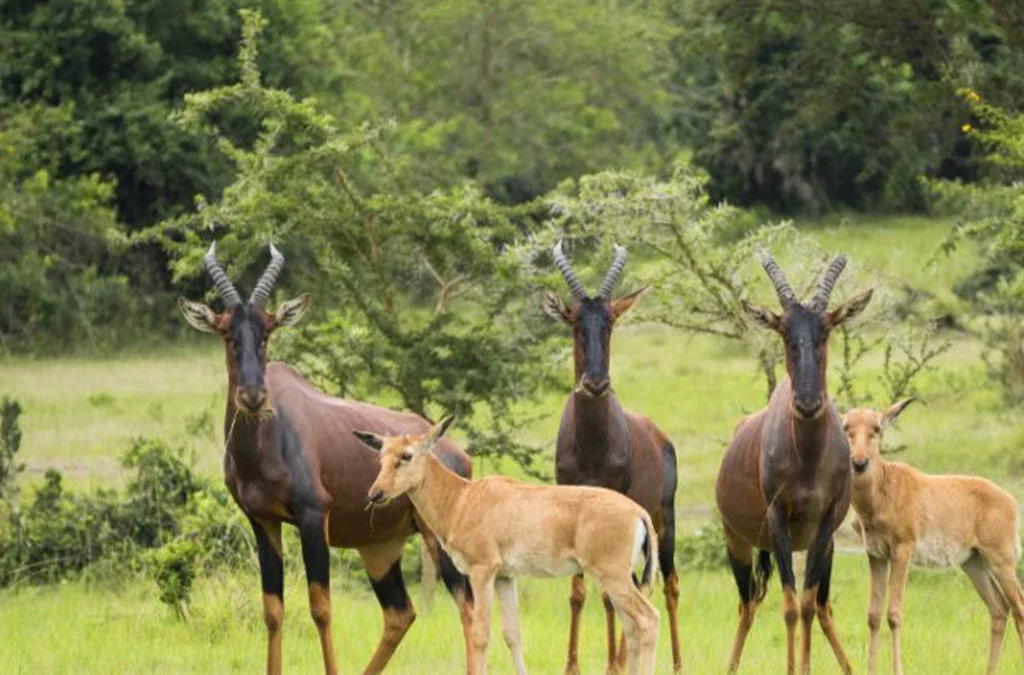
Uganda offers a remarkable blend of wildlife, forests, mountains, lakes, rivers, and vibrant cultures. Known as the Pearl of Africa, the country gives travelers an opportunity to experience several different ecosystems within one destination. From the misty forests of Bwindi to the open savannahs of Kidepo, every protected area has something special to offer.
Uganda’s national parks and wildlife reserves play an important role in protecting the country’s rich biodiversity. They provide safe habitats for endangered mountain gorillas, chimpanzees, elephants, lions, shoebills, and many other species. At the same time, these protected areas support local communities and create opportunities for sustainable tourism.
Whether you want to track gorillas, watch lions on a game drive, hike a volcanic mountain, explore a tropical forest, or discover Uganda’s cultures, the country has a destination for you.
Bwindi Impenetrable National Park
Bwindi Impenetrable National Park stands among Uganda’s most famous tourist destinations. The UNESCO World Heritage Site protects an ancient montane rainforest in southwestern Uganda and provides a home to a significant portion of the world’s remaining mountain gorillas.
Gorilla trekking remains the park’s biggest attraction. Travelers hike through dense forest with experienced trackers and guides before spending a special moment observing a habituated gorilla family. The experience offers more than wildlife viewing because visitors also learn about gorilla conservation and the importance of protecting their forest habitat.
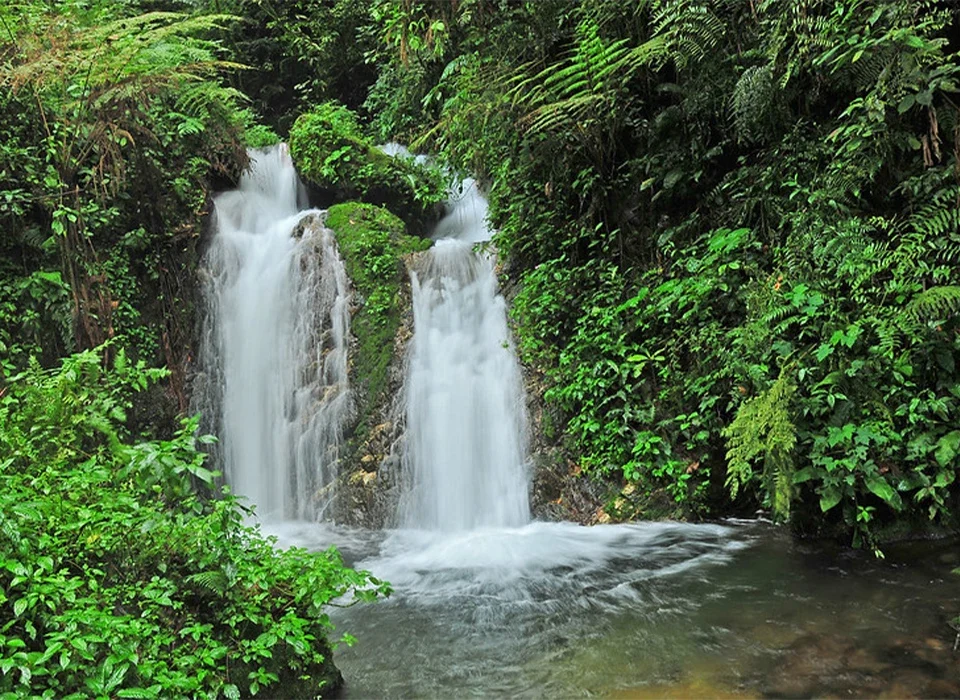
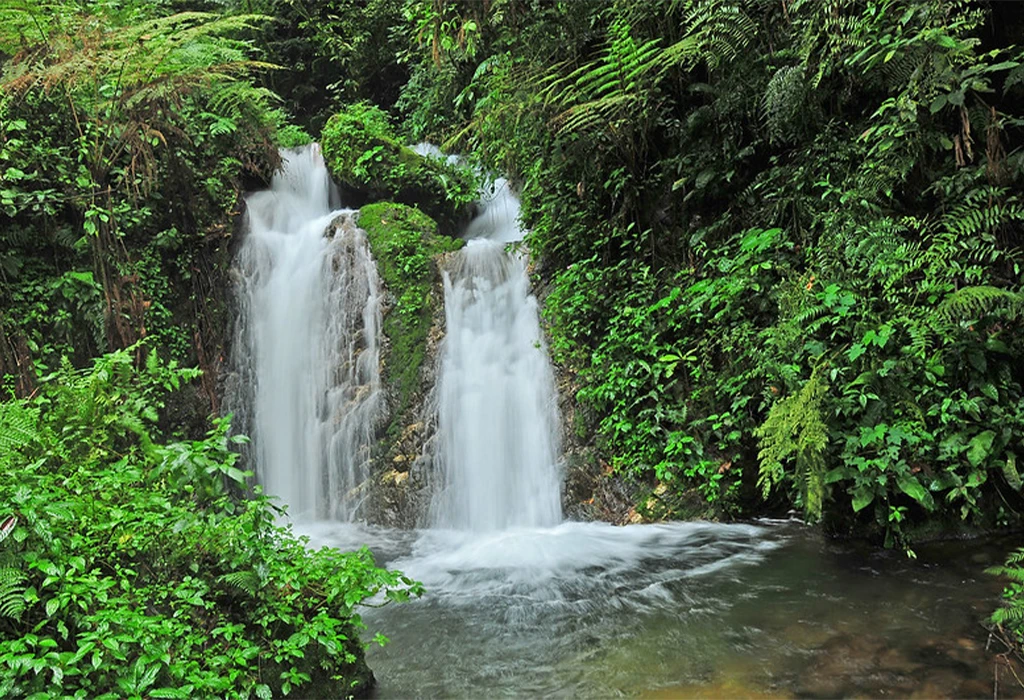
However, Bwindi offers much more than gorillas. Birdwatchers can search for numerous Albertine Rift species, while nature lovers can explore forest trails and waterfalls. Visitors can also participate in community and cultural experiences, including encounters with Batwa communities.
With its dramatic landscapes and unforgettable wildlife encounters, Bwindi deserves a place on almost every Uganda safari itinerary.
Murchison Falls National Park
Murchison Falls National Park offers one of Uganda’s most impressive combinations of wildlife and scenery. Located in northwestern Uganda, it is the country’s largest national park and takes its name from the spectacular Murchison Falls.
At the falls, the powerful Nile River squeezes through a narrow gorge before plunging downstream in a dramatic display of force. A boat trip toward the base of the falls provides excellent views of the river, while hippos, crocodiles, elephants, and numerous bird species often appear along the banks.
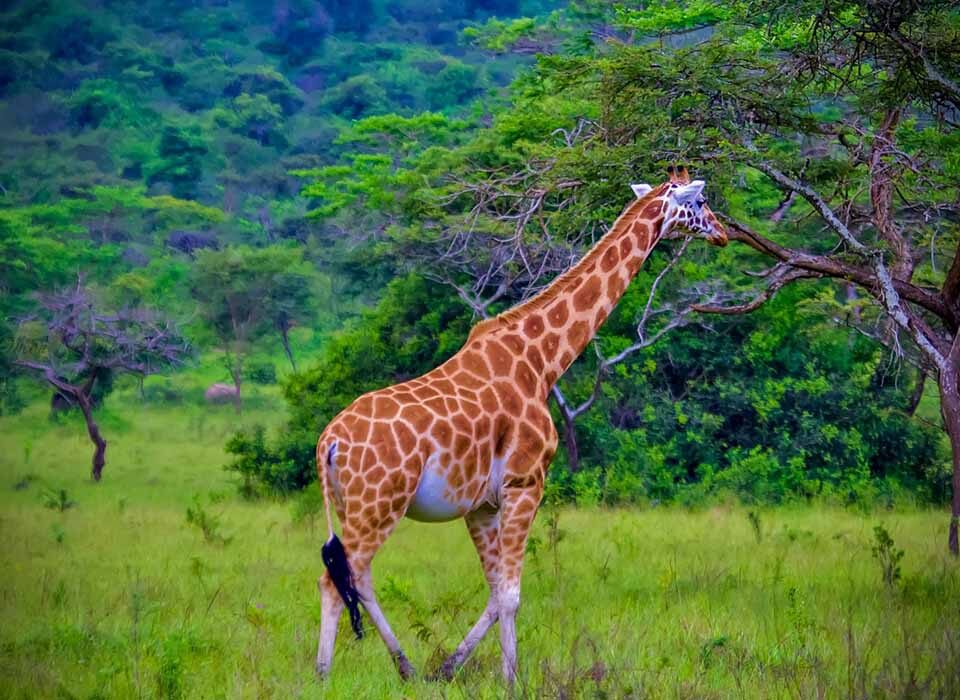
Meanwhile, game drives across the park’s savannah plains give visitors opportunities to see elephants, giraffes, buffaloes, lions, and, with luck, leopards. The park also provides important habitat for the rare shoebill.
As a result, Murchison Falls works particularly well for travelers who want to combine classic African wildlife viewing with spectacular landscapes.
Queen Elizabeth National Park
Queen Elizabeth National Park remains one of Uganda’s most popular safari destinations because of its remarkable variety of habitats and wildlife. The park stretches between Lakes Edward and George, with the Kazinga Channel connecting the two lakes.
Game drives allow visitors to explore open savannahs and search for elephants, buffaloes, lions, leopards, antelopes, and other wildlife. The famous Ishasha sector in the southern part of the park also attracts photographers who hope to see its tree-climbing lions.
One of the park’s most rewarding experiences is a boat cruise along the Kazinga Channel. From the water, travelers can watch large numbers of hippos, crocodiles, buffaloes, elephants, and water birds gathering around the shoreline.
In addition, the park offers birdwatching and cultural experiences. Its convenient location also makes it easy to combine with chimpanzee trekking in nearby Kyambura Gorge or a gorilla adventure in Bwindi.
Kidepo Valley National Park
For travelers seeking remote wilderness, Kidepo Valley National Park offers an experience that feels far removed from busy tourist destinations. Located in northeastern Uganda near the borders with Kenya and South Sudan, Kidepo features expansive savannah plains surrounded by rugged mountains.
The park supports an impressive variety of wildlife, including lions, elephants, buffaloes, giraffes, zebras, ostriches, and several antelope species. Some wildlife species found here occur in very few other parts of Uganda, making Kidepo particularly appealing to experienced safari travelers.
Beyond wildlife, Kidepo introduces visitors to the cultures of communities in the Karamoja region. Cultural experiences with the Karamojong and Ik communities can add depth to a safari by helping travelers understand local traditions and ways of life.
Most importantly, Kidepo’s remote setting creates a sense of wilderness that is increasingly difficult to find elsewhere.
Kibale National Park
Kibale National Park is widely recognized as one of Africa’s best destinations for primate experiences. Its lush tropical forest supports chimpanzees and numerous other primate species.
Chimpanzee trekking forms the main attraction. Visitors walk through the forest with trained guides and trackers as they search for habituated chimpanzee communities. Once they locate the animals, travelers can observe their behavior and social interactions from a safe distance.
Kibale also supports red colobus monkeys, L’Hoest’s monkeys, grey-cheeked mangabeys, and other forest species. Birdwatchers can explore the forest for a wide range of species as well.
Furthermore, nearby Bigodi Wetland offers a rewarding community-based nature experience. Travelers can enjoy guided walks while learning about local plants, birds, wildlife, and community conservation efforts.
Lake Mburo National Park
Lake Mburo National Park provides an excellent introduction to Uganda’s savannah wildlife, especially for travelers exploring the southwestern part of the country. Its location between Kampala and the major attractions of southwestern Uganda makes it a convenient addition to many itineraries.
The park supports zebras, impalas, elands, buffaloes, hippos, and many bird species. Unlike many Ugandan parks, Lake Mburo also allows visitors to experience wildlife on guided walking safaris.
A boat trip on Lake Mburo offers another perspective of the park. Travelers can watch hippos and crocodiles while enjoying views of the surrounding landscape.
Because of its accessibility and variety of activities, Lake Mburo works particularly well as a stopover between central Uganda and destinations such as Bwindi and Mgahinga.
Semuliki National Park
Semuliki National Park introduces visitors to a different side of Uganda. Located in the Albertine Rift in western Uganda, the park protects lowland tropical forest and shares ecological characteristics with the forests of Central Africa.
The famous Sempaya Hot Springs remain one of its major attractions. Visitors can follow guided trails through the forest before reaching the steaming springs and learning about their geological and cultural significance.
Semuliki also attracts birdwatchers because of its exceptional bird diversity. Forest walks can reveal primates, butterflies, forest elephants, and other wildlife.
Additionally, cultural experiences with communities around the park allow travelers to discover local traditions and understand the close relationship between people and the forest.
Mgahinga Gorilla National Park
Mgahinga Gorilla National Park may be Uganda’s smallest national park, but it delivers some of the country’s most memorable adventures. Located in southwestern Uganda, it forms part of the larger Virunga conservation landscape shared by Uganda, Rwanda, and the Democratic Republic of Congo.
The park protects mountain gorillas and golden monkeys, giving visitors the opportunity to experience two remarkable primate encounters. Gorilla trekking takes travelers into the forest in search of habituated gorilla families, while golden monkey tracking provides a chance to observe these energetic and beautiful primates.
Adventure seekers can also hike the volcanic peaks of Muhabura, Gahinga, and Sabyinyo. These hikes provide spectacular views and challenge travelers physically and mentally.
The park also offers opportunities to learn about Batwa heritage and the cultural history of the forest.
Mount Elgon National Park
Mount Elgon National Park sits in eastern Uganda along the border with Kenya. The park protects Mount Elgon, an ancient extinct volcano known for its enormous caldera and scenic highland environment.
Rather than focusing primarily on big-game viewing, Mount Elgon attracts hikers and nature lovers. Trails lead through forests, bamboo zones, waterfalls, caves, cliffs, and high-altitude landscapes before reaching areas around Wagagai Peak.
The park also supports elephants, buffaloes, primates, and numerous bird species. Its cool climate makes hiking particularly refreshing, while the changing landscapes provide excellent opportunities for photography.
Uganda’s Wildlife Reserves
Uganda’s wildlife reserves complement the national parks by protecting additional habitats and providing alternative wildlife experiences.
Ziwa Rhino Sanctuary is particularly important because it provides a protected environment for rhino conservation and offers guided rhino tracking experiences. The sanctuary also supports birdlife and other wildlife.
Pian Upe Wildlife Reserve provides a vast and scenic savannah environment in eastern Uganda. Visitors can encounter antelopes, ostriches, zebras, and other wildlife while enjoying a quieter safari experience.
Toro-Semliki Wildlife Reserve offers a mixture of savannah, woodland, and forest habitats. Visitors can explore the reserve for wildlife and birdwatching, while nearby areas provide opportunities for primate experiences.
Katonga Wildlife Reserve, meanwhile, protects wetlands, grasslands, and riverine habitats. Its varied environment supports antelopes, primates, birds, and other wildlife.
Together, these reserves demonstrate that Uganda’s conservation story extends far beyond its famous national parks.
Best Time to Visit Uganda’s National Parks
Uganda welcomes visitors throughout the year, but the best time depends on the activities you plan to enjoy. The drier periods, generally from June to September and December to February, make many safari activities easier because roads tend to be more accessible and wildlife often becomes easier to locate.
However, the wetter months also have their advantages. Between March and May and again around October and November, landscapes become lush and green, migratory and resident birds become particularly rewarding for birdwatchers, and some destinations experience fewer visitors.
For gorilla and chimpanzee trekking, travelers can visit throughout the year. Nevertheless, relatively drier conditions can make forest trails more manageable.
Planning Your Uganda Safari
The cost of a Uganda safari depends on your chosen activities, accommodation, transportation, season, and length of stay. Gorilla trekking and chimpanzee experiences require specific permits, while park entrance fees and accommodation add to the overall cost.
Because conservation fees and permit prices can change, travelers should confirm current rates with the Uganda Wildlife Authority or a trusted tour operator before booking.
Working with Experiya Tour Company can also make planning easier. A professional local tour operator can help you choose suitable parks, arrange permits, organize transportation, recommend accommodation, and create an itinerary that matches your interests and budget.
Discover the Pearl of Africa
Uganda earns its reputation as the Pearl of Africa through the extraordinary variety of experiences it offers. In one journey, travelers can move from rainforest gorillas to savannah lions, from chimpanzees to golden monkeys, and from volcanic mountains to powerful waterfalls.
More importantly, visiting Uganda’s protected areas contributes to conservation and supports communities that live around these remarkable destinations.
Whether you are planning your first African safari or returning for a deeper adventure, Uganda offers countless reasons to explore. With the right itinerary and guidance from Experiya Tour Company, your journey through Uganda’s national parks and wildlife reserves can become an unforgettable experience filled with wildlife, culture, adventure, and breathtaking landscapes.