How Do I Book a Budget Safari in Rwanda?
August 6, 2026
Accommodation Near Mgahinga Gorilla National Park
August 7, 2026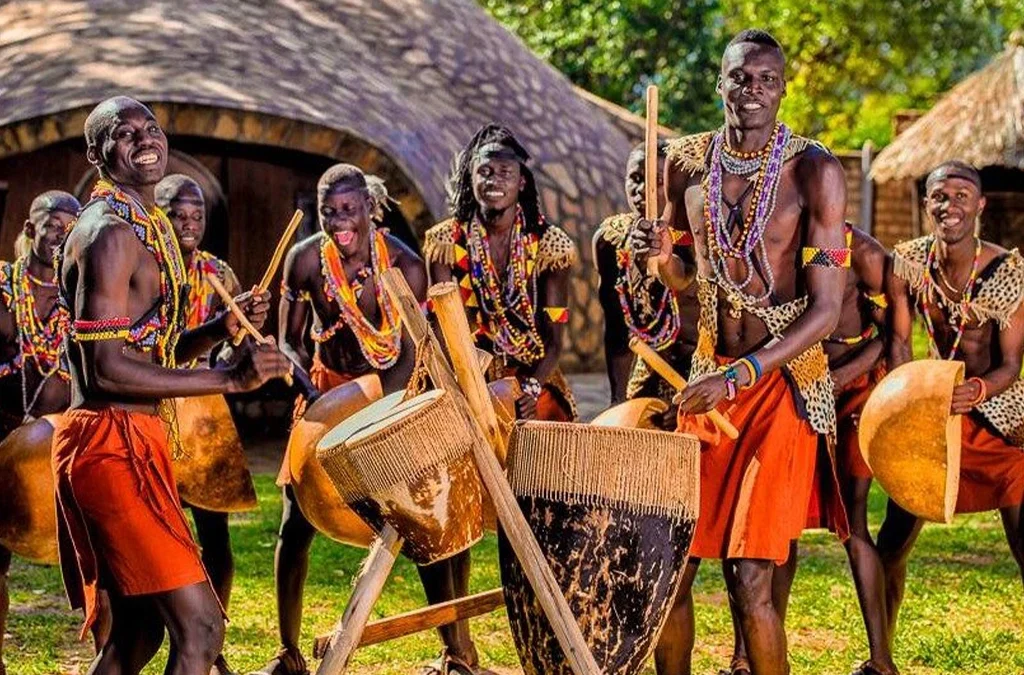
East Africa is celebrated for its spectacular wildlife, breathtaking landscapes, and unforgettable gorilla trekking adventures. However, beyond the national parks lies another treasure waiting to be explored its vibrant cultures. Rwanda and Uganda are home to diverse communities that have preserved their traditions, music, dances, crafts, and customs for generations. Travelers who venture beyond game drives and mountain trails discover authentic experiences that reveal the true heart of these remarkable countries.
At Experiya Tour Company, we believe cultural tourism creates meaningful connections between visitors and local communities. Whether you are exploring ancient kingdoms, sharing meals with local families, learning traditional dances, or listening to stories passed down through generations, every cultural encounter adds depth to your journey. Here are ten unique cultural experiences that make Rwanda and Uganda unforgettable destinations for travelers seeking authentic African heritage.
Discover the Rich Cultural Heritage of Rwanda and Uganda
Rwanda and Uganda boast rich cultural identities shaped by centuries of history, migration, and tradition. Although both countries share geographical proximity, each offers distinctive customs, languages, music, and ceremonies that reflect the character of its people.
Throughout Rwanda, visitors experience a culture built on unity, resilience, and hospitality. Traditional dance performances, royal heritage sites, coffee-growing communities, and cultural villages reveal fascinating stories about the country’s past and present.
Similarly, Uganda’s incredible cultural diversity stands out through more than fifty ethnic groups, each with unique traditions and artistic expressions. Travelers can explore ancient kingdoms, meet indigenous communities, attend vibrant performances, and participate in everyday village life.
As a result, combining cultural activities with wildlife adventures creates a well-rounded East African safari experience.
Experience the Power of Traditional Rwandan Dance and Music
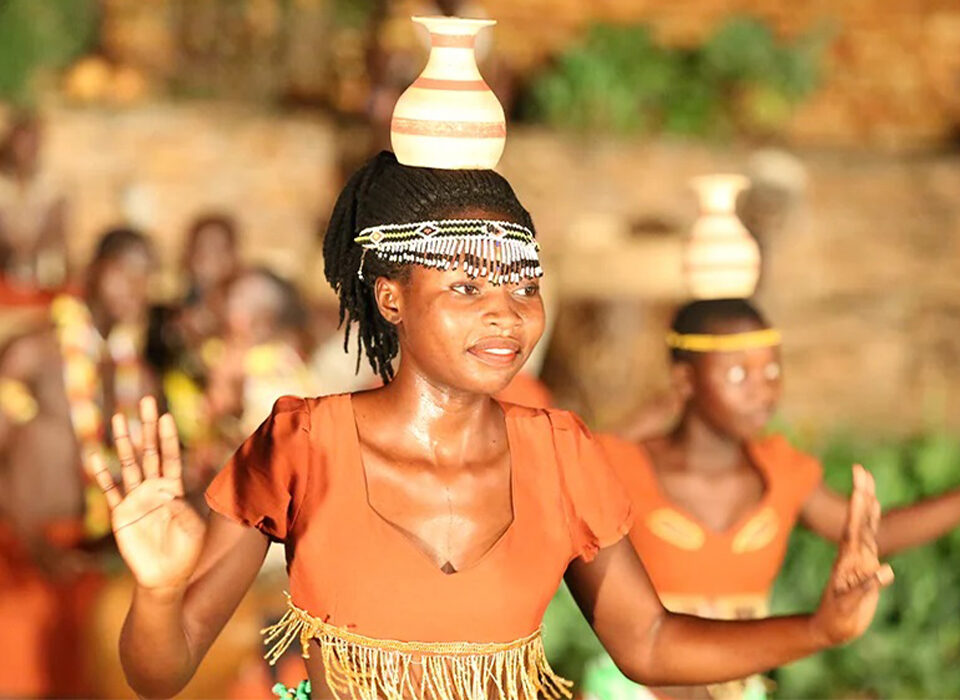
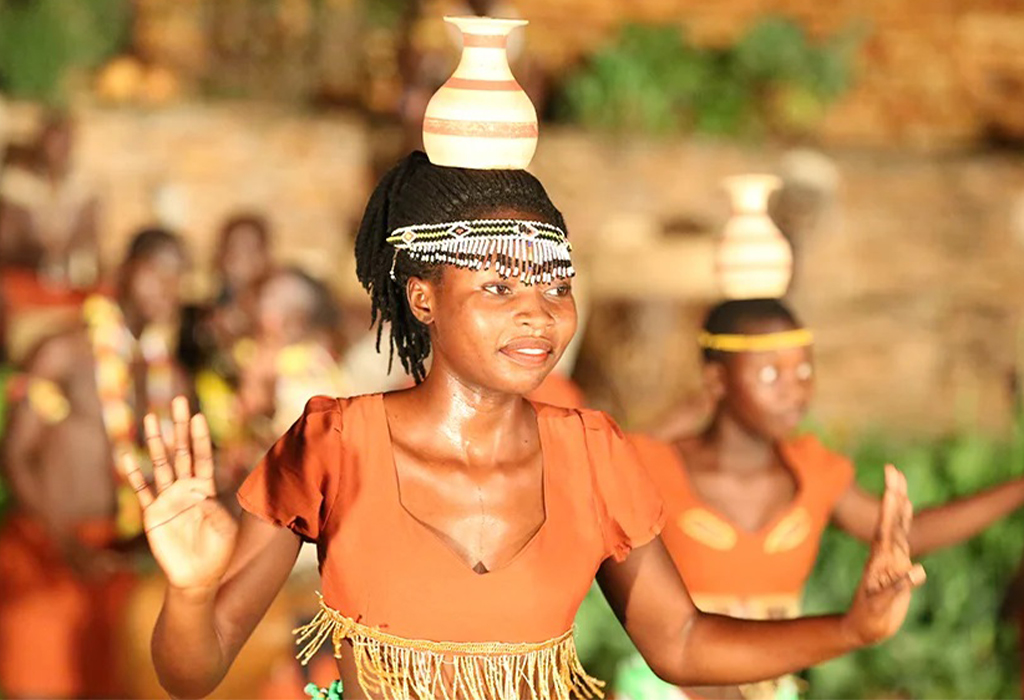
Traditional dance remains one of Rwanda’s most recognizable cultural expressions. The famous Intore Dance, often referred to as the Dance of Heroes, combines graceful movements, energetic jumps, rhythmic drumming, and colorful costumes into a captivating performance.
Historically, only elite warriors performed the Intore dance before the royal court. Today, talented cultural groups continue this tradition while welcoming visitors to experience its beauty firsthand.
The powerful rhythms of the Ingoma drums create an unforgettable atmosphere that reflects courage, celebration, and unity. Meanwhile, singers perform traditional songs that preserve stories of Rwanda’s history and values.
Visitors attending these performances gain much more than entertainment. They witness an important part of Rwanda’s identity while learning how music continues to unite communities across the country.
Step Back in Time at the King’s Palace Museum in Nyanza
Anyone interested in Rwanda’s royal history should visit the King’s Palace Museum in Nyanza. This remarkable site recreates the traditional residence of Rwanda’s former monarchs and offers valuable insight into pre-colonial leadership and culture.
The beautifully reconstructed grass-thatched royal palace demonstrates traditional architectural techniques that have survived for centuries. Nearby, visitors encounter the famous Inyambo royal cows, known for their magnificent long horns and calm temperament.
Perhaps the most fascinating experience involves watching the royal cow keepers sing traditional songs while caring for the herd. These songs symbolize the deep relationship between the monarchy, livestock, and Rwandan society.
Additionally, exhibits inside the modern palace explain Rwanda’s royal history, political evolution, and cultural heritage, making this destination essential for anyone wishing to understand the nation’s roots.
Explore Rwanda’s Coffee and Tea Traditions
Rwanda has earned international recognition for producing some of Africa’s finest coffee and tea. Fortunately, travelers can experience these industries firsthand through immersive farm tours that connect agriculture with everyday life.
Coffee cooperatives invite visitors to participate in every stage of production, from harvesting ripe cherries to washing, drying, roasting, and finally tasting freshly brewed coffee. Farmers proudly explain how coffee cultivation supports thousands of rural families while contributing significantly to Rwanda’s economy.
Likewise, Rwanda’s scenic tea plantations offer peaceful walks through rolling green hills where visitors learn about harvesting techniques and tea processing.
These agricultural experiences not only introduce travelers to exceptional flavors but also provide meaningful interactions with local farming communities.
Visit Community Cultural Villages
Community-based tourism has transformed many rural areas in Rwanda by creating sustainable income while preserving cultural traditions. Cultural villages allow travelers to interact directly with local residents instead of simply observing from a distance.
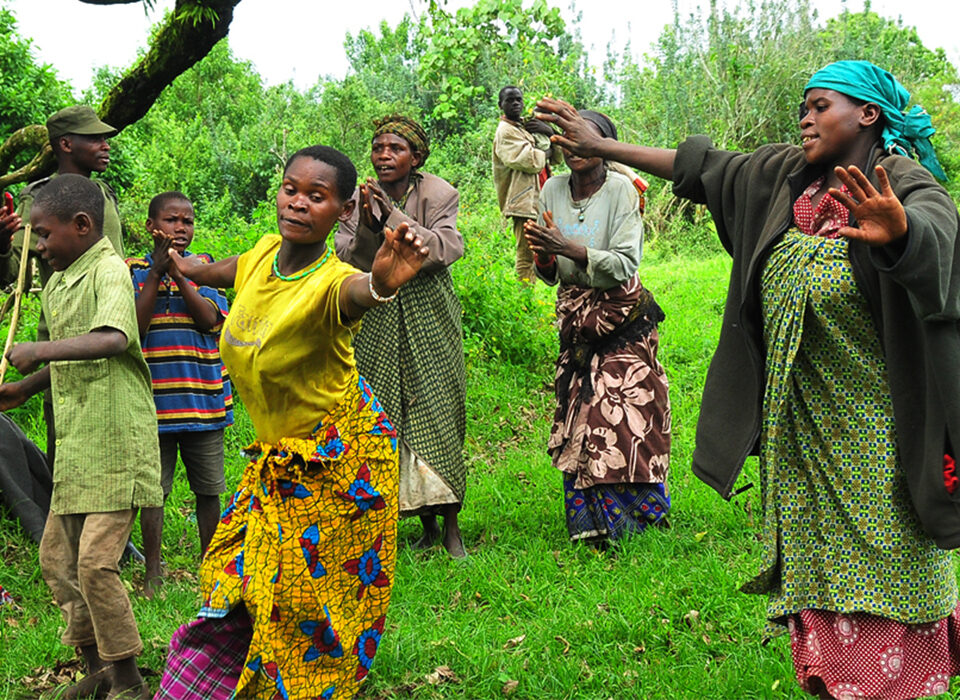
Visitors enjoy traditional dances, storytelling sessions, pottery demonstrations, local cooking, and presentations about herbal medicine and ancient hunting techniques. Many community guides openly share personal stories about how tourism has improved their lives and encouraged conservation.
These encounters create genuine cultural exchange while supporting families who actively protect Rwanda’s natural heritage.
At Experiya Tour Company, we encourage responsible cultural tourism that benefits both travelers and host communities through respectful interaction and sustainable travel practices.
Meet the Batwa People of Southwestern Uganda
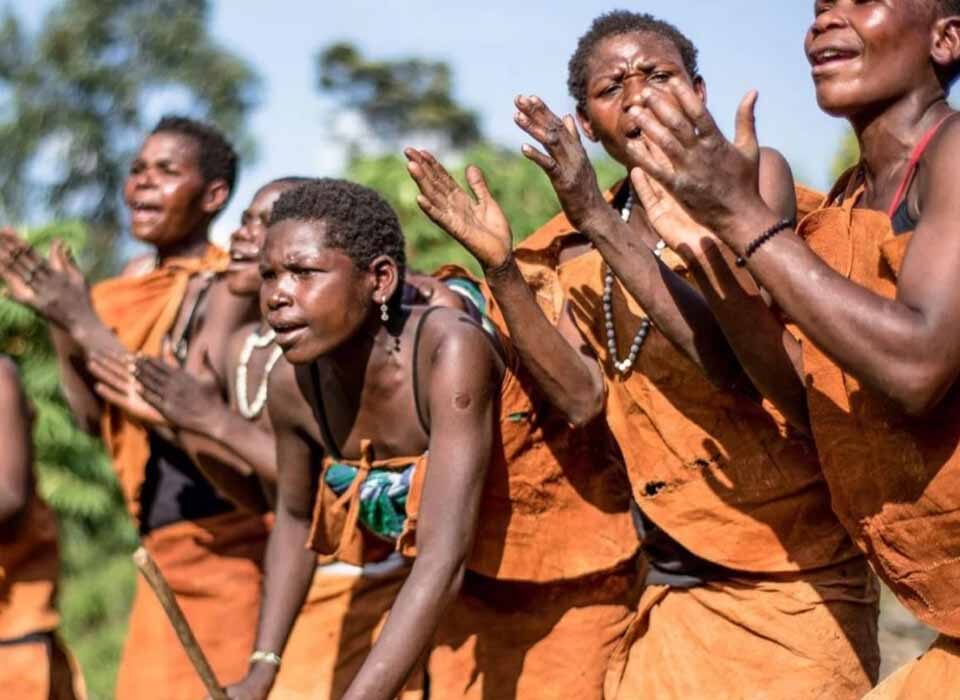
One of Uganda’s most meaningful cultural experiences introduces visitors to the Batwa people, among the oldest indigenous communities in East Africa.
For centuries, the Batwa lived as skilled hunter-gatherers within the forests surrounding Bwindi Impenetrable National Park and Mgahinga Gorilla National Park. After the forests became protected areas, many Batwa communities adapted to new ways of life while working to preserve their cultural heritage.
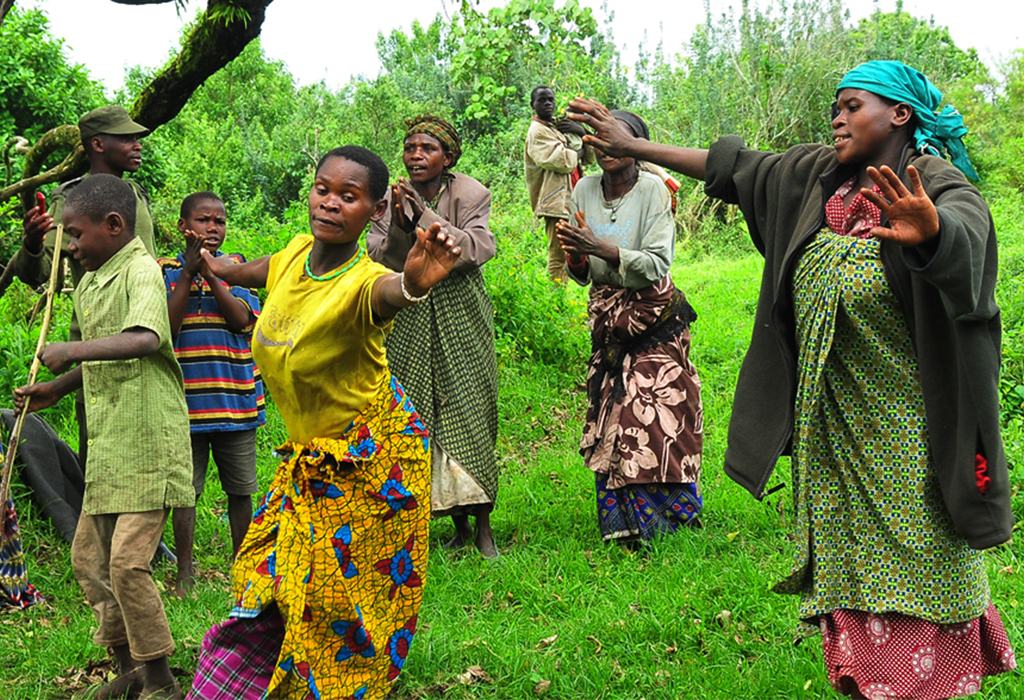
Today, experienced Batwa guides lead visitors through the forest, demonstrating traditional survival skills including fire making, hunting techniques, medicinal plant identification, and shelter construction.
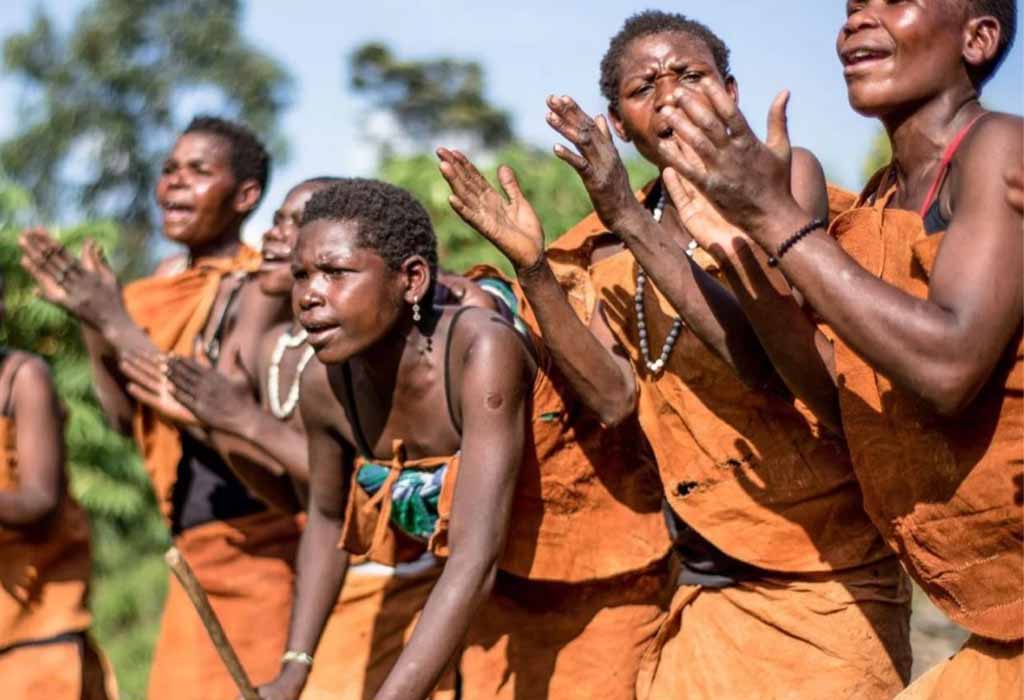
Equally fascinating are the songs, dances, and storytelling performances that reveal the Batwa’s deep spiritual connection with the forest.
Rather than simply observing, travelers actively engage with community members, creating respectful cultural exchanges that help preserve indigenous traditions.
Explore the Rich Traditions of the Buganda Kingdom
Uganda’s largest ethnic community, the Baganda, has shaped much of the country’s political and cultural history. Kampala offers numerous opportunities to learn about this influential kingdom.
Visitors can explore the historic Kabaka’s Palace, where guides explain the monarchy’s role in Buganda society. The nearby Kasubi Tombs, recognized as a UNESCO World Heritage Site, preserve the burial grounds of Buganda kings while showcasing extraordinary traditional architecture.
Food also forms an essential part of Baganda culture. Travelers often enjoy authentic meals featuring matoke, luwombo, roasted groundnuts, fresh vegetables, and tropical fruits prepared using recipes passed down through generations.
By exploring these sites and traditions, visitors gain valuable insight into how Uganda successfully balances modern development with centuries-old customs.
Discover Uganda’s Traditional Music and Drumming
Music plays a central role in nearly every Ugandan celebration, ceremony, and community gathering. Across the country, each ethnic group has developed unique instruments, rhythms, and dance styles that reflect its identity.
The powerful Engoma drums accompany royal ceremonies within Buganda, while the elegant Adungu harp fills northern Uganda with beautiful melodies. Traditional horns, flutes, xylophones, and stringed instruments further enrich Uganda’s diverse musical landscape.
Visitors frequently participate in drumming workshops where experienced musicians teach traditional rhythms and explain the cultural significance behind each performance.
Rather than serving purely as entertainment, Ugandan music preserves history, strengthens social bonds, and communicates stories from one generation to the next.
Support Local Artisans and Traditional Crafts
Uganda’s craft markets provide excellent opportunities to experience local creativity while supporting community artisans.
Markets throughout Kampala, Jinja, Entebbe, and other towns display beautifully handcrafted baskets, pottery, wood carvings, jewelry, fabrics, paintings, and decorative items made using traditional techniques.
One of Uganda’s most remarkable cultural products is bark cloth, crafted from the Mutuba fig tree. UNESCO recognizes this ancient textile-making tradition as part of the world’s intangible cultural heritage because of its historical importance.
Many artisan workshops also invite visitors to participate in basket weaving, pottery making, jewelry crafting, or fabric printing, allowing travelers to appreciate the skill and patience behind every handmade piece.
Purchasing locally made crafts directly supports families while preserving valuable artistic traditions.
Experience Uganda’s Cultural Diversity at the Ndere Cultural Centre
The Ndere Cultural Centre in Kampala offers one of the country’s finest introductions to Uganda’s diverse cultural heritage.
Professional performers present energetic shows featuring traditional dances, music, storytelling, poetry, and dramatic performances representing communities from every region of Uganda.
Each performance explains the meaning behind the costumes, instruments, songs, and dance movements, helping visitors understand the cultural significance rather than simply enjoying the entertainment.
Because Uganda is home to more than fifty ethnic groups, the Ndere Cultural Centre provides an excellent opportunity to experience the country’s incredible diversity in one memorable evening.
Combine Wildlife Adventures with Cultural Experiences
Many travelers visit Rwanda and Uganda primarily for gorilla and chimpanzee trekking. However, these wildlife experiences also create valuable opportunities to engage with local cultures.
Experienced guides often share traditional beliefs surrounding forests, wildlife, and conservation while explaining how local communities contribute to protecting endangered species.
Nearby villages welcome visitors through cultural performances, handicraft markets, coffee tours, and storytelling sessions that demonstrate how tourism has transformed local livelihoods.
Furthermore, travelers who choose homestays gain a deeper understanding of daily life by cooking traditional meals, participating in farming activities, and spending time with host families.
These meaningful exchanges encourage mutual respect while creating lasting memories that extend beyond wildlife viewing.
Celebrate East African Culture Through Festivals
Throughout the year, Rwanda and Uganda host colorful festivals that celebrate music, food, agriculture, conservation, and community traditions.
In Rwanda, Kwita Izina, the annual Gorilla Naming Ceremony, combines wildlife conservation with cultural performances and national pride. Likewise, Umuganura, Rwanda’s National Harvest Day, celebrates agriculture through traditional ceremonies, music, dance, and community gatherings.
Meanwhile, Uganda hosts vibrant cultural celebrations across the country. Events such as the internationally recognized Nyege Nyege Festival showcase music, dance, art, and creativity while regional festivals highlight traditional cuisine, storytelling, crafts, and indigenous performances.
Attending these celebrations allows visitors to experience authentic cultural expression while interacting with local communities in joyful and memorable settings.
Conclusion
Rwanda and Uganda offer far more than spectacular wildlife and breathtaking scenery. Their rich cultural heritage provides unforgettable opportunities to connect with local communities, explore ancient traditions, and experience authentic East African hospitality.
From the powerful rhythms of Rwanda’s Intore dancers and the royal history of Nyanza to Uganda’s Batwa cultural experiences, Buganda Kingdom heritage, artisan workshops, and vibrant performances at the Ndere Cultural Centre, every encounter reveals another layer of these fascinating destinations.
At Experiya Tour Company, we encourage travelers to combine cultural experiences with wildlife safaris for a more meaningful journey. By engaging with local communities, supporting traditional artisans, and participating in responsible tourism, you not only enrich your travel experience but also contribute to preserving the remarkable cultural heritage of Rwanda and Uganda for future generations.