What Birds Can I See During Chimp Tracking?
July 30, 2026
Kalinzu Forest Reserve Travel Guide 2027
July 30, 2026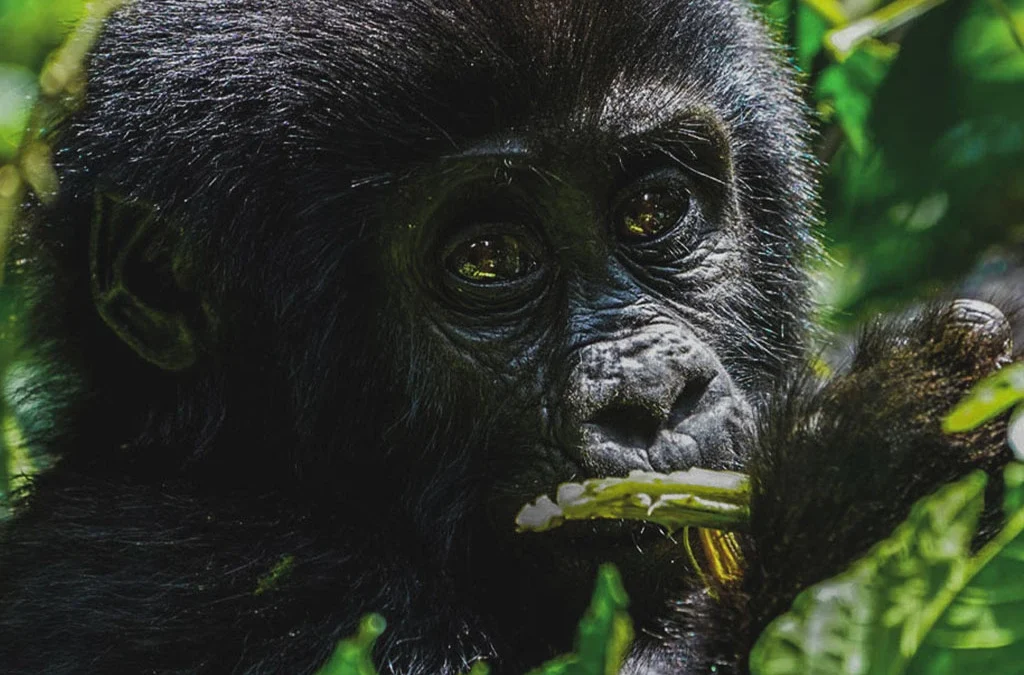
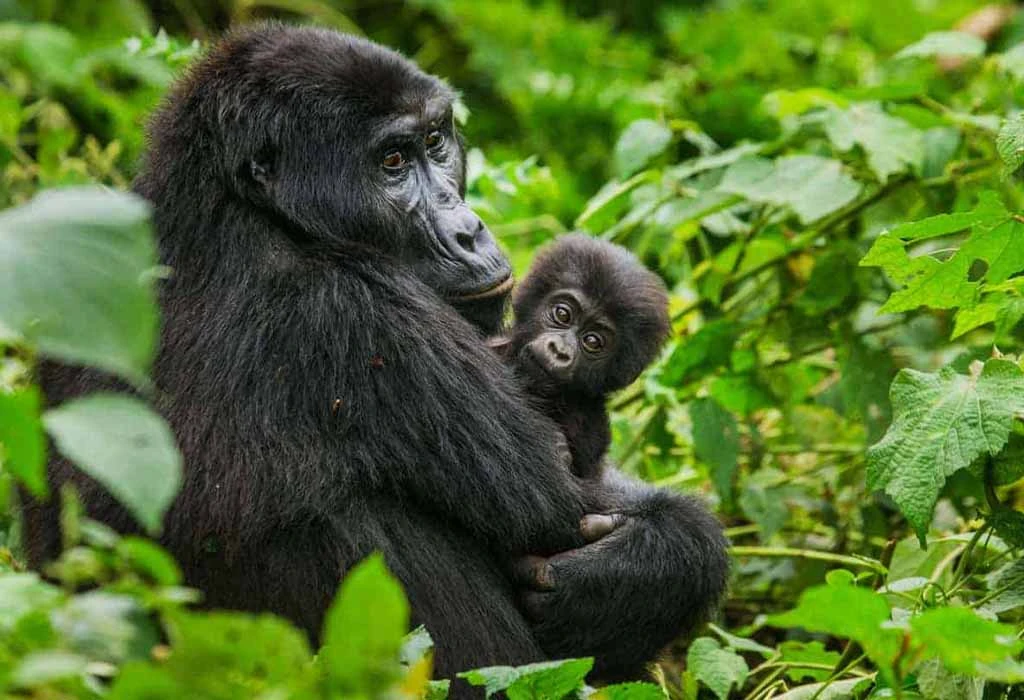
Mountain gorilla trekking is one of Africa’s most extraordinary wildlife experiences. Yet, many travelers planning Uganda Safaris or Rwanda Safaris often wonder: Why are gorilla trekking permits so expensive? While the price may seem high at first, the answer becomes clear once you understand the role conservation plays in protecting one of the world’s rarest primates.
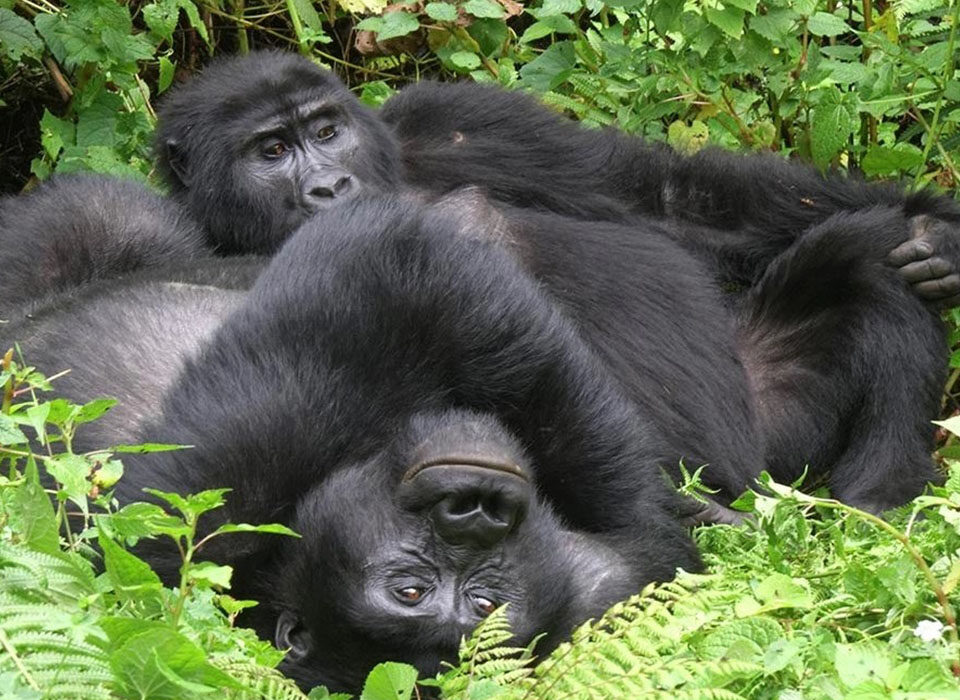
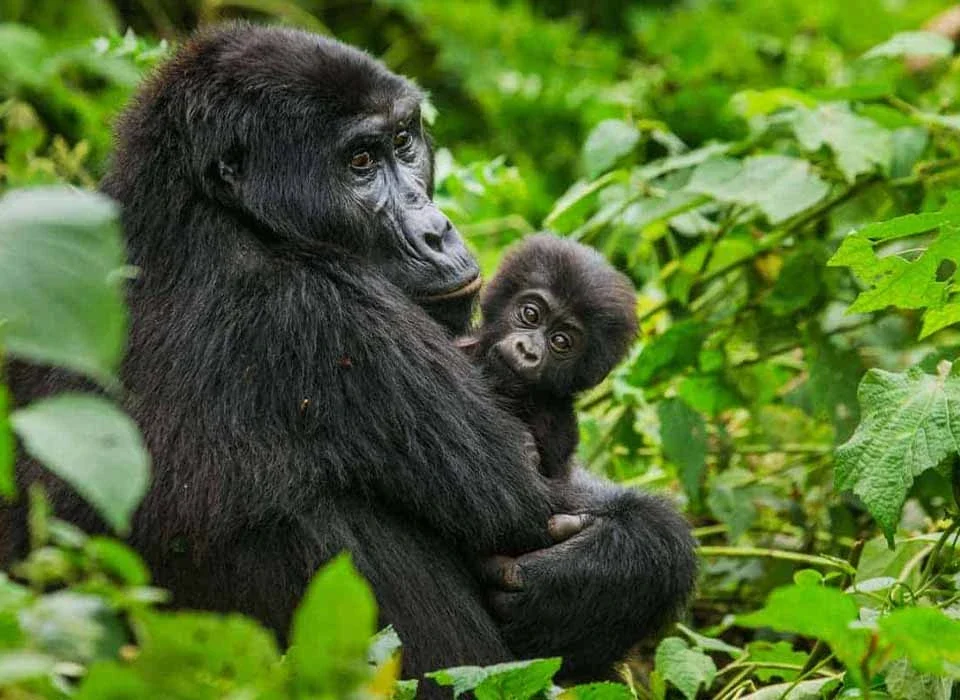
Mountain gorillas exist only in a small region spanning Uganda, Rwanda, and the Democratic Republic of the Congo. Unlike many wildlife species that roam vast landscapes, these great apes survive in carefully protected forests that require continuous management, scientific research, veterinary care, and strict visitor regulations. Every gorilla permit purchased directly supports these essential conservation efforts.
Today, gorilla trekking is much more than an unforgettable wildlife adventure. It is one of the world’s most successful examples of conservation through responsible tourism. Instead of simply paying for an activity, visitors actively contribute to protecting endangered mountain gorillas, preserving fragile rainforest ecosystems, and improving the lives of communities living near protected areas. This unique conservation model has helped increase mountain gorilla numbers over the past several decades, making gorilla tourism one of Africa’s greatest conservation success stories.
How Does Conservation Funding Protect Mountain Gorillas?
Conservation requires significant financial investment every single day. National parks must employ highly trained rangers to patrol forests, prevent poaching, stop illegal logging, and monitor gorilla families. These dedicated teams spend countless hours protecting habitats that are home to some of the world’s most endangered wildlife.
In addition, veterinary specialists constantly monitor gorilla health. Because mountain gorillas share nearly 98 percent of their DNA with humans, they are highly vulnerable to many human diseases. Veterinary teams respond quickly whenever gorillas become injured or show signs of illness, often saving entire families through rapid medical intervention.
Scientists also conduct ongoing research to understand gorilla behavior, reproduction, habitat use, and population growth. Their findings help park authorities make informed conservation decisions that benefit both wildlife and local ecosystems.
Without the revenue generated from gorilla permits, maintaining these essential conservation programs would be extremely difficult. Every visitor therefore becomes part of the long-term effort to ensure mountain gorillas continue thriving in the wild.
Why Is Bwindi Impenetrable National Park a Conservation Success Story?
Bwindi Impenetrable National Park stands as one of Africa’s greatest conservation achievements. Located in southwestern Uganda, this UNESCO World Heritage Site protects nearly half of the world’s remaining mountain gorilla population. Its ancient rainforest also supports hundreds of bird species, butterflies, mammals, and unique plant life, making it one of the most biologically diverse forests on the continent.
Protecting such an important ecosystem requires continuous funding. Ranger patrols monitor the forest daily to prevent illegal activities such as poaching, charcoal burning, and encroachment. Conservation organizations work alongside the Uganda Wildlife Authority to safeguard both wildlife and their habitat.
Equally important, tourism revenue benefits the surrounding communities. A portion of gorilla permit fees supports local schools, health centers, clean water projects, and community development initiatives. As a result, local residents gain direct benefits from conservation, creating strong incentives to protect the forest instead of exploiting its natural resources.
Bwindi also follows strict visitor management policies. Only a limited number of tourists may visit each habituated gorilla family every day. This approach minimizes stress on the gorillas while reducing the risk of disease transmission. Although limiting visitor numbers naturally increases permit prices, it helps ensure the long-term sustainability of gorilla tourism.
For travelers seeking authentic Uganda Safaris, Bwindi demonstrates how conservation and responsible tourism work together to protect wildlife while supporting local livelihoods.
How Does Mgahinga Gorilla National Park Strengthen Gorilla Conservation?
Although smaller than Bwindi, Mgahinga Gorilla National Park plays an equally important role in mountain gorilla conservation. Situated within the spectacular Virunga Mountain Range, this beautiful park forms part of a larger transboundary ecosystem shared by Uganda, Rwanda, and the Democratic Republic of the Congo.
Mountain gorillas frequently move across these international borders. Consequently, protecting them requires close cooperation between neighboring countries, conservation organizations, researchers, and local communities. Gorilla permit revenue helps finance these collaborative conservation efforts, ensuring that protection continues regardless of where the gorillas travel.
Furthermore, conservation teams in Mgahinga address numerous environmental challenges, including habitat degradation, climate change, disease prevention, and human-wildlife conflict. These ongoing initiatives require stable funding, and tourism provides one of the most reliable sources of conservation income.
The park also creates employment opportunities for guides, rangers, porters, lodge staff, drivers, and local entrepreneurs. Tourism therefore strengthens local economies while encouraging communities to become active partners in protecting mountain gorillas and their habitat.
Visitors often leave Mgahinga with a deeper appreciation of how responsible tourism can safeguard endangered wildlife while creating sustainable economic opportunities for surrounding communities.
Why Does Volcanoes National Park Set the Standard for Premium Gorilla Tourism?
Volcanoes National Park in Rwanda has become one of Africa’s most recognized conservation destinations. Famous for its breathtaking volcanic scenery and exceptional gorilla trekking experiences, the park demonstrates how premium tourism can generate substantial conservation benefits.
The Rwandan government has adopted a high-value, low-volume tourism strategy. Instead of allowing large numbers of visitors, the country limits daily trekking permits while maintaining premium pricing. This approach reduces environmental pressure, protects gorilla families from excessive human interaction, and generates sufficient revenue to fund conservation programs.
Permit income supports anti-poaching operations, habitat restoration, scientific monitoring, ranger training, and community development projects. Local residents also benefit through revenue-sharing programs that finance schools, roads, healthcare facilities, and income-generating initiatives.
As communities witness the positive impact of tourism, they become stronger supporters of wildlife conservation. This partnership between conservation authorities, tourism operators, and local communities has contributed significantly to the continued recovery of mountain gorilla populations.
For travelers choosing Rwanda Safaris, Volcanoes National Park offers more than a luxury wildlife experience. It provides an opportunity to support one of Africa’s most effective conservation models.
When Is the Best Time to Go Gorilla Trekking?
Mountain gorilla trekking takes place throughout the year, allowing travelers to experience these magnificent primates in every season. However, weather conditions can influence the overall trekking experience.
The dry seasons, from June to September and December to February, remain the most popular periods for gorilla trekking. During these months, hiking trails are generally less slippery, forest conditions are more comfortable, and photography opportunities often improve due to clearer weather.
Even so, the rainy seasons offer their own advantages. The forests become exceptionally green and vibrant, visitor numbers decrease, and trekkers often enjoy a quieter experience. Since mountain gorillas remain in the forest year-round, successful encounters occur in every season. Choosing the right time ultimately depends on individual travel preferences, availability, and overall safari plans.
Why Choose Experiya Tour Company for Your Gorilla Safari?
At Experiya Tour Company, we believe every gorilla trekking adventure should create lasting memories while contributing to meaningful conservation. Our experienced safari specialists design personalized itineraries that combine exceptional wildlife encounters with authentic cultural experiences and expert guidance.
We work closely with conservation authorities, trusted lodges, experienced driver-guides, and local communities to deliver seamless safari experiences that prioritize safety, comfort, and sustainability. Throughout your journey, we help you understand the remarkable conservation efforts that protect mountain gorillas and preserve their fragile rainforest habitats.
Our commitment extends beyond organizing safaris. We aim to inspire responsible travel by connecting visitors with the people, wildlife, and conservation initiatives that make East Africa truly special. Whether you choose Bwindi Impenetrable National Park, Mgahinga Gorilla National Park, or Rwanda’s Volcanoes National Park, your journey supports one of the world’s greatest wildlife conservation success stories.
Choosing Experiya Tour Company means choosing a safari partner that values responsible tourism, exceptional service, and lasting conservation impact. Every gorilla trekking permit represents far more than an entrance ticket—it is an investment in protecting endangered mountain gorillas, preserving Africa’s unique biodiversity, and creating sustainable opportunities for future generations. Through your visit, you become part of a global conservation effort that ensures these magnificent primates continue to thrive in their natural habitat for many years to come.