Mucunguzi Gorilla Family in Rushaga Sector
July 14, 2026
Reasons Why You Should Visit Uganda in 2026
July 15, 2026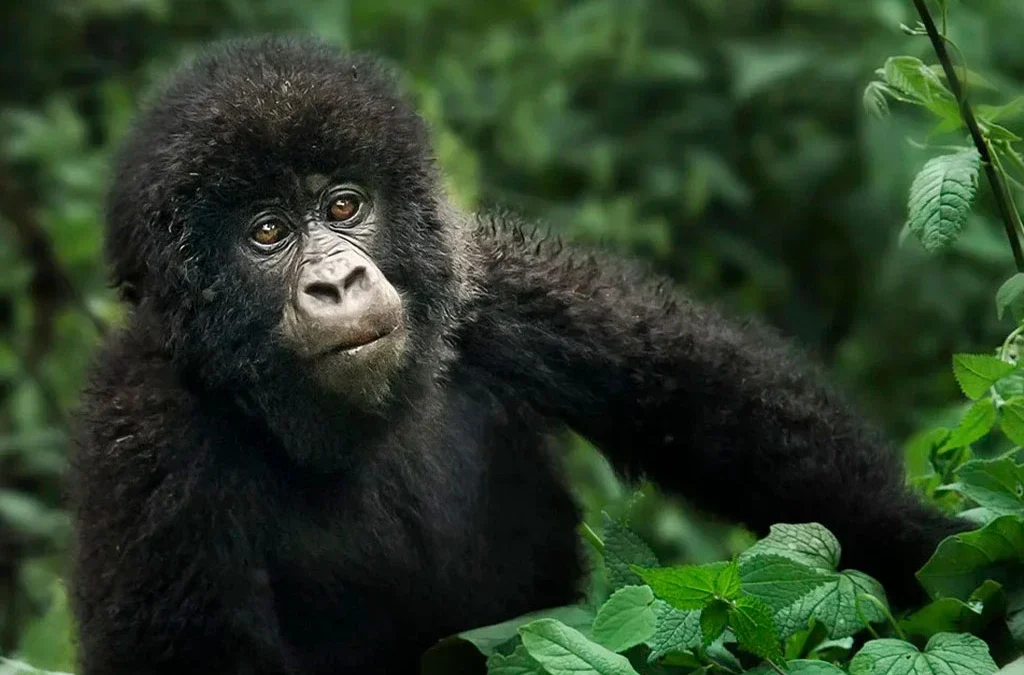
Mountain gorilla reproduction is one of the most fascinating aspects of these endangered great apes. Every birth plays a vital role in the survival of the species because mountain gorillas have a naturally slow reproductive rate. Unlike many other mammals, female gorillas give birth to only one infant every few years, making every newborn extremely valuable to the future of the population.
Today, thanks to successful conservation efforts in Uganda, Rwanda, and the Democratic Republic of Congo, mountain gorilla numbers continue to grow gradually. However, protecting their habitats and understanding their reproductive behavior remain essential. At Experiya Tour Company, we believe that educating travelers about mountain gorillas creates greater appreciation for these incredible primates and supports responsible tourism.
Understanding Mountain Gorilla Reproduction
Mountain gorilla reproduction follows a natural biological cycle that involves courtship, mating, pregnancy, birth, and years of dedicated parental care. Unlike seasonal breeders, mountain gorillas can reproduce at any time of the year. However, researchers have observed slightly higher birth rates during periods when food is abundant, allowing mothers to receive adequate nutrition throughout pregnancy and nursing.
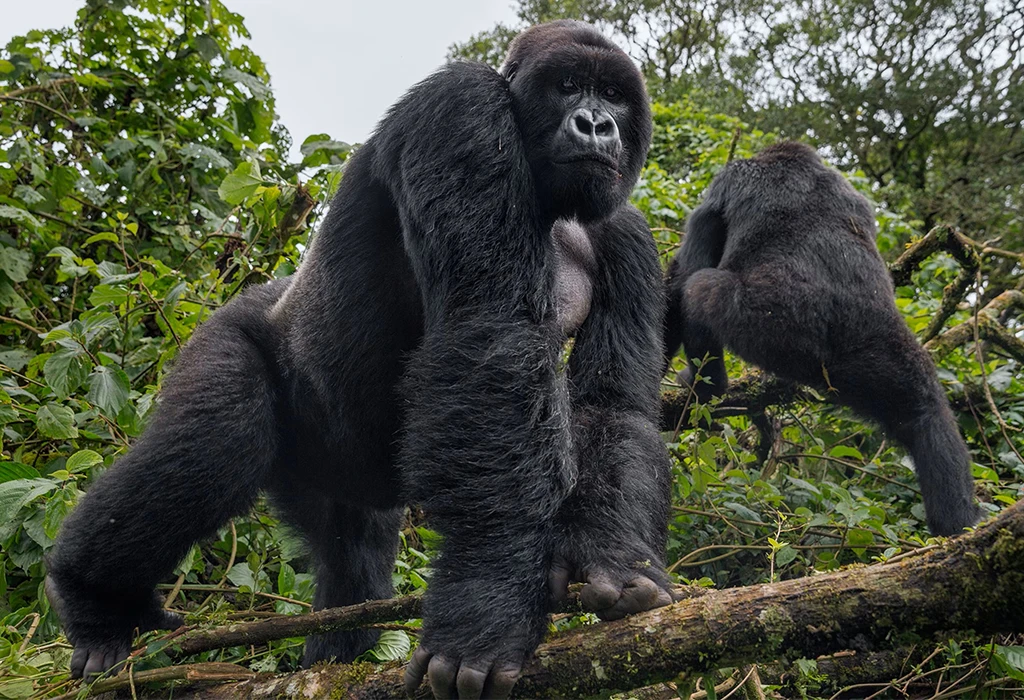
A mountain gorilla family lives within a stable social group led by a dominant silverback. This experienced male protects the group, settles conflicts, and mates with the adult females in his family. The strong leadership of the silverback contributes significantly to the group’s stability and reproductive success.
The Role of the Silverback
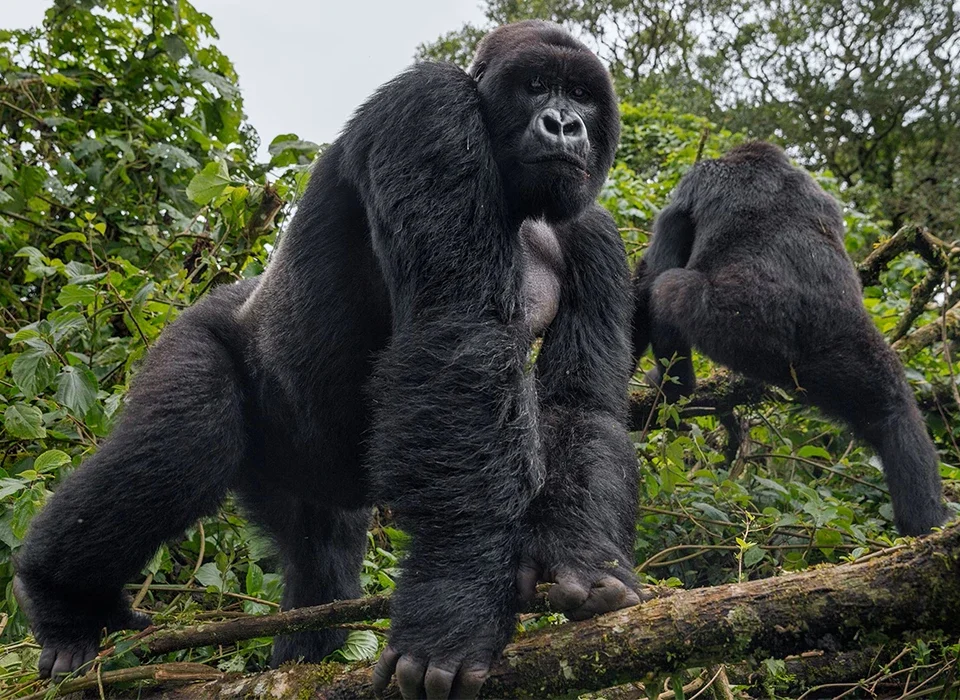
The silverback plays a central role in mountain gorilla reproduction. Besides defending the family against predators and rival males, he maintains order within the group and ensures the safety of females and infants.
Although the dominant silverback fathers most offspring within the troop, younger blackback males or subordinate silverbacks may occasionally mate with females. Nevertheless, the dominant male usually enjoys the greatest reproductive success because of his position within the group.
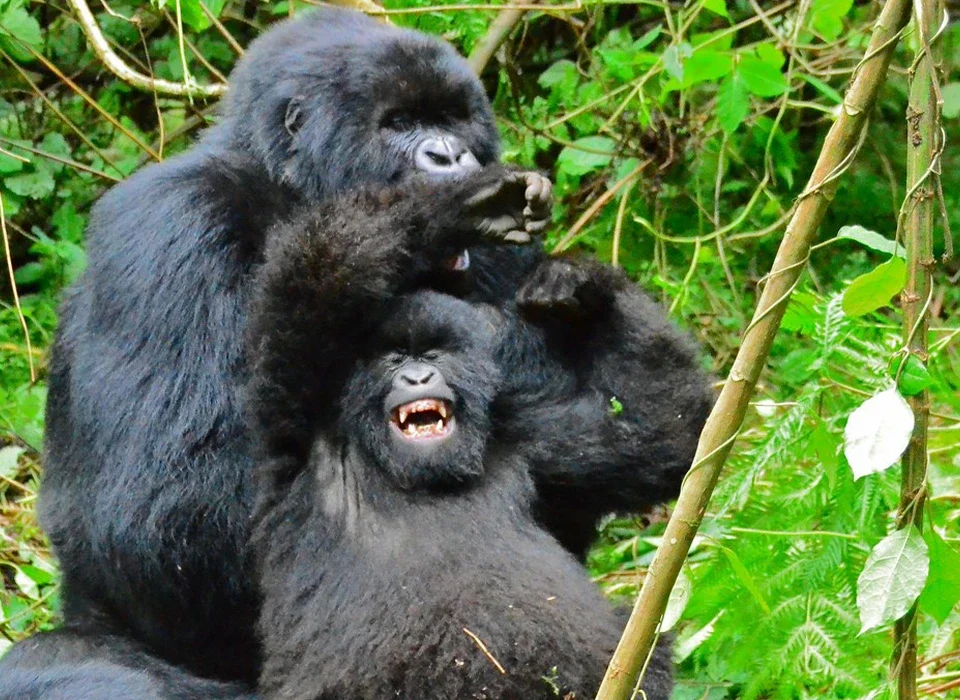
The silverback also develops close relationships with infants. He often allows young gorillas to climb on him, play nearby, and remain under his protection. This nurturing behavior strengthens family bonds and increases infant survival.
When Do Female Mountain Gorillas Reach Maturity?
Female mountain gorillas mature earlier than males. Most females become sexually mature between eight and ten years of age, although some may begin reproducing slightly earlier under favorable conditions.
Once mature, females eventually leave the group in which they were born. They transfer to another gorilla family or join a solitary silverback to avoid inbreeding and increase genetic diversity. This natural movement between groups contributes to healthier gorilla populations.
Male mountain gorillas mature more slowly. While they become physically mature at around twelve years of age, they usually require additional years to develop the strength, size, and leadership qualities necessary to establish and lead their own family groups.
Courtship and Mating Behavior
Unlike humans, mountain gorillas do not form permanent breeding pairs. Instead, mating occurs within the family group under the leadership of the dominant silverback.
When a female enters estrus, she signals her readiness to mate through subtle behavioral changes. She may approach the silverback more frequently, maintain prolonged eye contact, gently touch him, or display a relaxed posture. These signals communicate her fertility without aggressive interactions.
The silverback responds by courting the female through calm social interactions before mating. Actual copulation lasts only a few minutes but represents an essential step in the reproductive process.
Although females generally mate with the dominant silverback, they occasionally mate with other adult males. This behavior may reduce the risk of aggression toward infants by creating uncertainty about paternity among males.
Pregnancy and Gestation
Following successful mating, the female enters a gestation period lasting approximately 8.5 months, almost identical to a human pregnancy.
Throughout pregnancy, the expectant mother continues participating in daily group activities. She feeds, travels, rests, and socializes with other gorillas while carrying her developing infant.
Proper nutrition plays a significant role during pregnancy. Mountain gorillas consume a diverse diet consisting of leaves, shoots, stems, bark, roots, wild celery, bamboo, flowers, and seasonal fruits. This nutrient-rich vegetation provides the vitamins and minerals necessary for healthy fetal development.
As pregnancy progresses, the female gradually becomes less active and seeks comfortable resting places while preparing for birth.
Giving Birth in the Forest
Mountain gorillas usually give birth during the night or early morning in a quiet, secluded area within the forest. The process generally occurs without assistance from other gorillas.
In most cases, the mother delivers one infant. Twins occur very rarely among mountain gorillas.
A newborn gorilla weighs approximately 1.8 to 2.3 kilograms (4 to 5 pounds). At birth, the infant cannot crawl, walk, or cling independently. Instead, it depends entirely on its mother’s constant care and protection.
Immediately after delivery, the mother gently cleans the infant, removes the birth membranes, and places the baby against her chest to maintain warmth and encourage nursing.
The Remarkable Bond Between Mother and Infant
The relationship between a mother gorilla and her baby ranks among the strongest bonds in the animal kingdom.
For the first several months, the infant remains almost constantly attached to its mother’s chest. As the baby grows stronger, it gradually moves onto her back while she travels through the forest.
The mother nurses her infant several times each day using nutrient-rich milk that supports rapid growth. During this period, she remains extremely attentive, responding immediately whenever the baby cries or becomes frightened.
Unlike many other mammals, mountain gorilla mothers invest years in raising a single offspring. This extended parental care dramatically improves the infant’s chances of survival.
How Infant Gorillas Grow
Mountain gorilla infants grow remarkably quickly during their first years of life.
At approximately three months, babies begin smiling, making playful vocalizations, and interacting with nearby family members.
By six months, they start crawling and exploring short distances from their mothers.
Around nine months, many infants begin climbing low vegetation and practicing their balance while remaining close to their mothers.
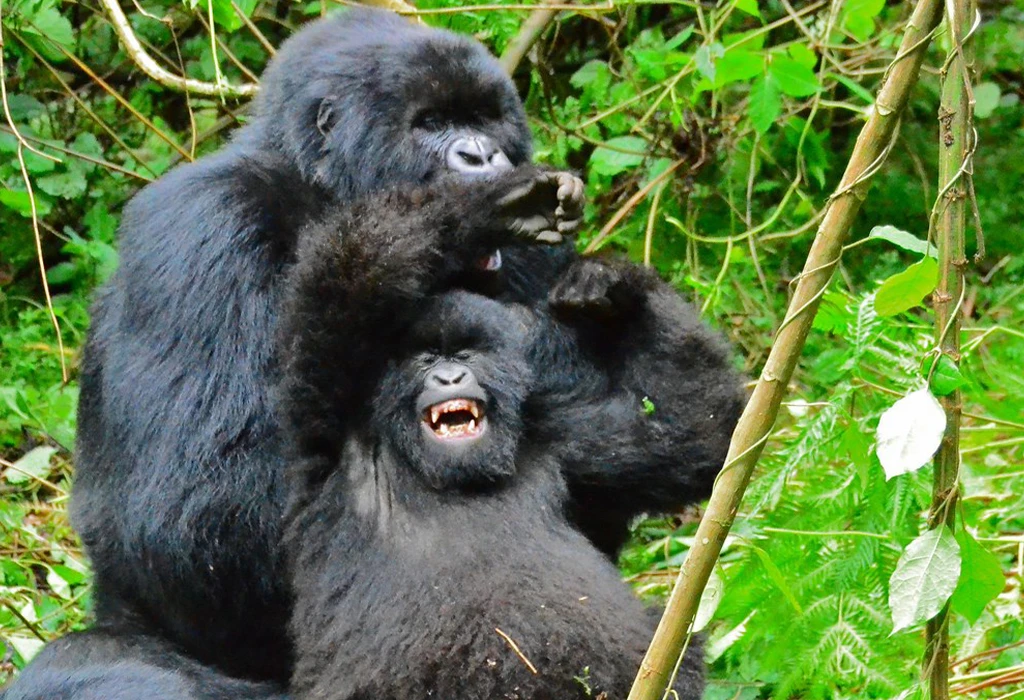
As they approach one year of age, they become increasingly playful, chasing other young gorillas, wrestling, and learning valuable social skills through play.
Although they begin eating vegetation after several months, infants continue breastfeeding until they reach about three to four years of age.
Learning Survival Skills
Young mountain gorillas spend years learning how to survive within their forest environment.
Their mothers teach them how to identify edible plants, climb safely, build sleeping nests, and communicate with other gorillas through vocalizations and body language.
Meanwhile, the silverback provides protection and discipline, while older siblings and juveniles often become playful companions. This cooperative family environment allows infants to develop confidence while remaining safe.
Every interaction within the troop contributes to the young gorilla’s education, preparing it for adulthood.
Birth Intervals and Population Growth
One of the biggest challenges facing mountain gorilla conservation is their slow reproductive rate.
After giving birth, a female usually waits four to six years before producing another infant. During this period, breastfeeding suppresses ovulation, naturally spacing pregnancies.
Because females reproduce relatively slowly, mountain gorilla populations recover gradually even under ideal conservation conditions.
For this reason, every infant born in the wild represents an important contribution to the long-term survival of the species.
Challenges Affecting Reproduction
Although mountain gorilla populations have increased over recent decades, several factors continue to threaten successful reproduction.
Habitat loss remains one of the greatest concerns. As human populations expand, forests become fragmented, reducing available space for gorilla families.
Diseases also pose serious risks. Because mountain gorillas share approximately 98% of their DNA with humans, they can contract many human illnesses, including respiratory infections. Even a common cold can threaten pregnant females and vulnerable infants.
Climate change, illegal activities, and human disturbance may also affect food availability and increase stress within gorilla populations.
Fortunately, strict conservation measures, veterinary interventions, ranger patrols, and responsible tourism continue to improve survival rates.
Responsible Gorilla Trekking Supports Conservation
Visitors who participate in gorilla trekking contribute directly to conservation through permit fees that fund habitat protection, veterinary care, community development, and ranger operations.
When trekking with Experiya Tour Company, visitors receive guidance on responsible gorilla viewing practices. Maintaining the required viewing distance, avoiding visits while sick, speaking quietly, and following park ranger instructions all help protect these endangered animals and their growing families.
Uganda’s Bwindi Impenetrable National Park and Mgahinga Gorilla National Park, along with Rwanda’s Volcanoes National Park and Virunga National Park in the Democratic Republic of Congo, remain among the world’s most important strongholds for mountain gorillas.
Final Thoughts
Mountain gorilla reproduction reflects the extraordinary complexity of one of the world’s most endangered primates. From courtship and pregnancy to birth and years of devoted parental care, every stage demonstrates the remarkable social structure that makes these animals so unique.
Because female mountain gorillas produce relatively few offspring during their lifetime, every birth carries immense importance for the survival of the species. Continued conservation efforts, habitat protection, scientific research, and responsible tourism have already helped mountain gorilla populations recover, offering hope for the future.
A gorilla trekking adventure offers more than an unforgettable wildlife encounter—it provides an opportunity to witness thriving gorilla families in their natural habitat while directly supporting their conservation. Experiya Tour Company proudly promotes sustainable tourism experiences that help protect mountain gorillas so future generations can continue to admire these magnificent great apes.