Game Drives in Kidepo Valley National Park
June 22, 2026
Where Can I See the Big Five in Uganda?
June 22, 2026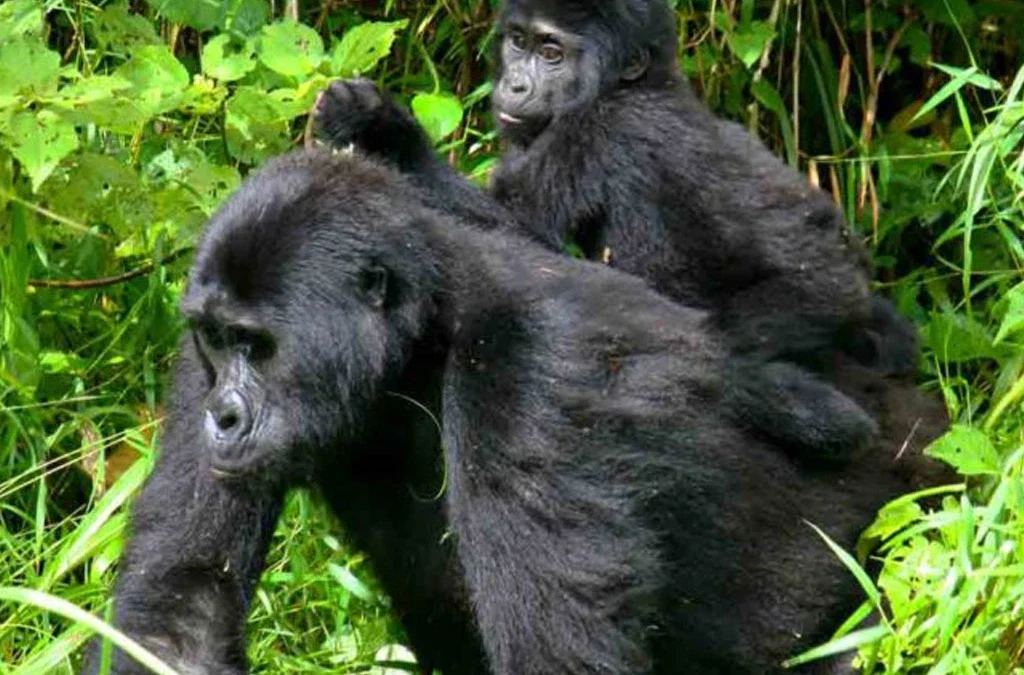
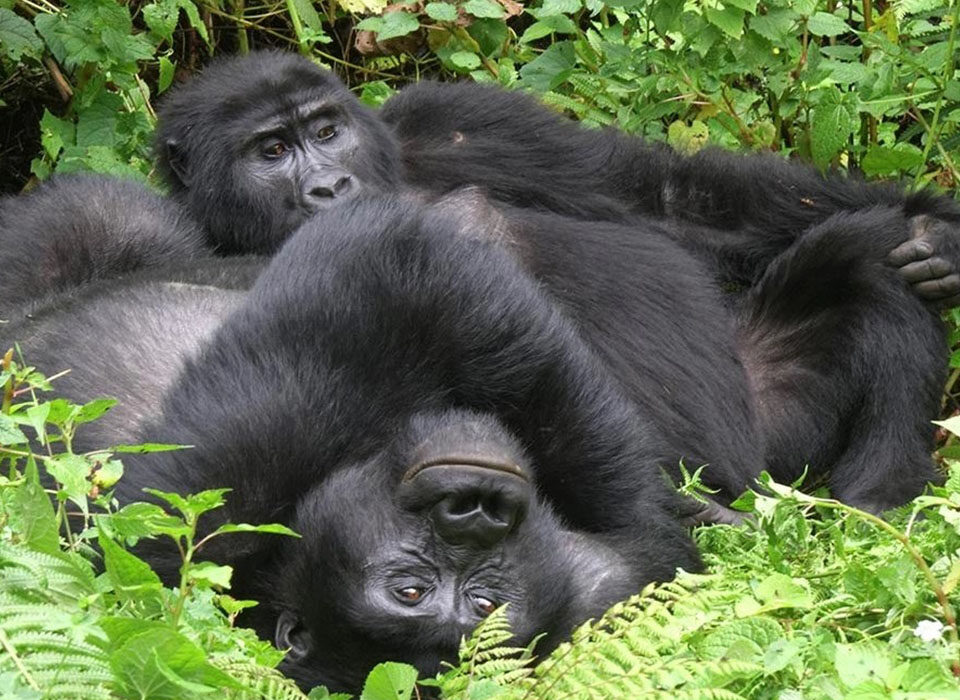
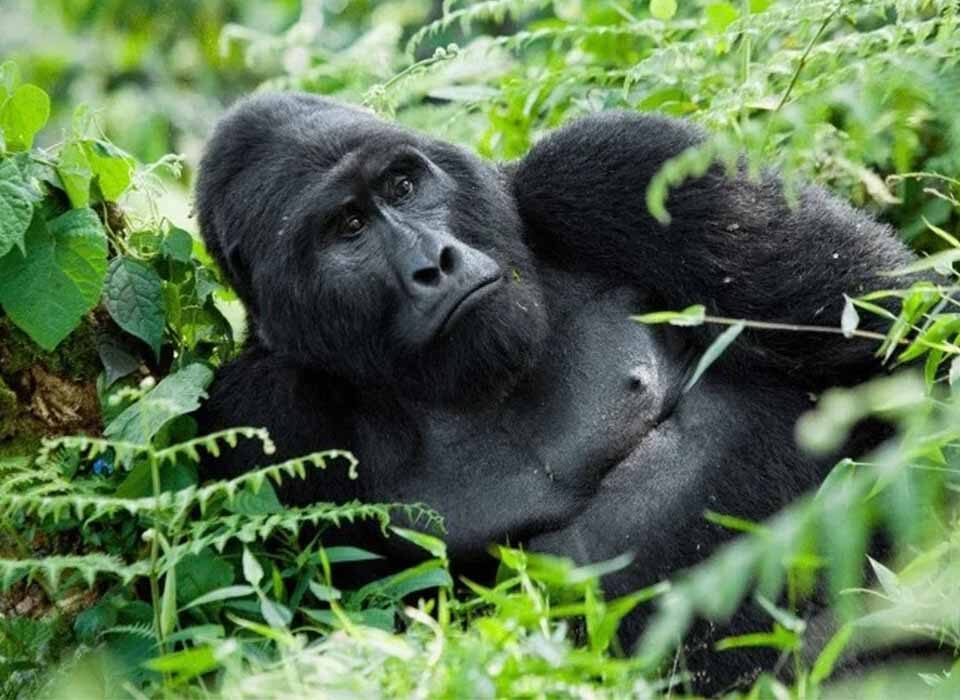
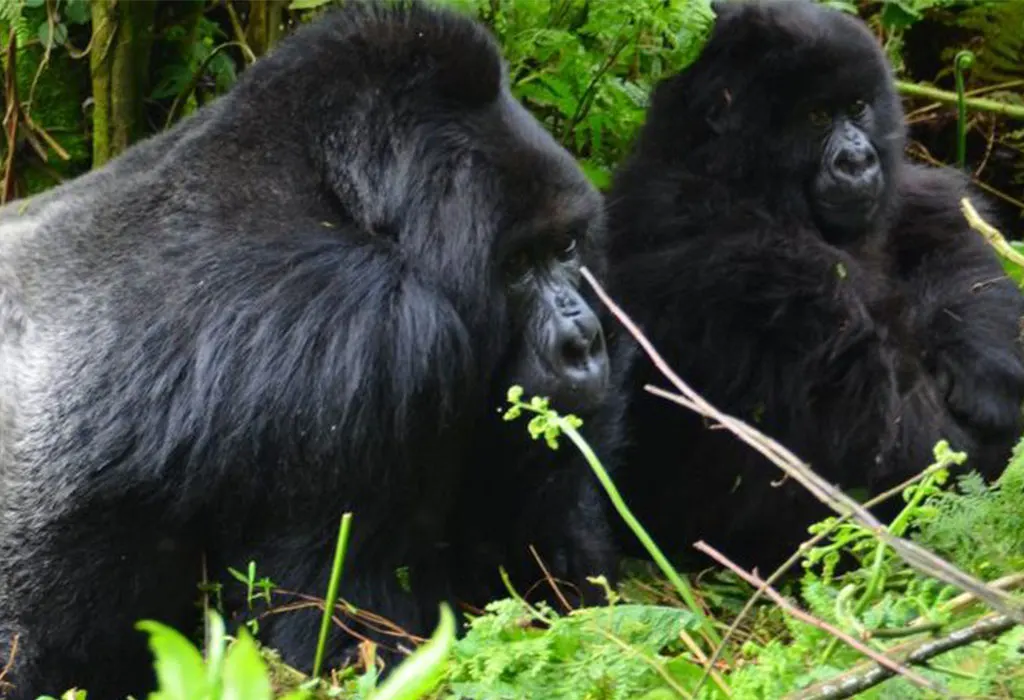
Gorilla trekking is one of Africa’s most unforgettable wildlife experiences, offering travelers a rare chance to walk through ancient forests and observe endangered mountain gorillas in their natural habitat. Unlike a traditional game drive in destinations such as the Serengeti, Masai Mara, or Kruger National Park, gorilla trekking provides a deeply personal encounter with one of the world’s closest relatives to humans.
However, many travelers often ask, “Why is gorilla trekking expensive?” The answer lies in the unique nature of the experience, the limited number of mountain gorillas available for tourism, and the enormous effort required to protect these endangered primates.
Mountain gorillas are found only in three countries: Uganda, Rwanda, and the Democratic Republic of Congo (DRC). Because their population remains limited and conservation requires strict protection, authorities carefully control the number of visitors allowed to visit each habituated gorilla family every day. This approach helps protect the gorillas while ensuring that tourism continues to support conservation and local communities.
The Importance of Gorilla Trekking Rules and Conservation
The cost of gorilla trekking is strongly connected to conservation. Protecting mountain gorillas requires continuous investment in wildlife monitoring, veterinary care, scientific research, ranger patrols, forest protection, and community development programs.
Every gorilla trekking permit contributes directly to these conservation efforts. In Uganda, for example, permit revenue supports the protection of Bwindi Impenetrable National Park and Mgahinga Gorilla National Park, where mountain gorillas live. A significant portion of the revenue also supports communities living around the parks, creating benefits that encourage people to protect wildlife and forests.
The high price of permits also helps control visitor numbers. If gorilla trekking were cheaper and unlimited, too many tourists could enter the forest, causing stress to gorilla families and increasing the risk of disease transmission. Therefore, the pricing system helps create responsible and sustainable tourism.
Why Gorilla Trekking Costs More Than Other Safaris
Gorilla trekking involves several expenses beyond the permit itself. Unlike a simple wildlife drive where visitors can observe animals from a vehicle, gorilla trekking requires specialized preparation, trained guides, conservation teams, and access to protected forest environments.
The overall cost of a gorilla trekking safari usually includes the gorilla permit, accommodation, transportation, meals, visas, travel equipment, and additional services. Each element plays an important role in creating a safe and memorable experience.
Cost of Gorilla Trekking Permits
The gorilla permit is the largest expense on any gorilla trekking safari. This permit gives visitors permission to enter the protected forest and spend time with a habituated gorilla family under the guidance of experienced trackers and rangers.
Current gorilla permit prices include:
Uganda charges approximately $800 for foreign non-residents and around UGX 300,000 for East African residents. Uganda also offers the Gorilla Habituation Experience in Bwindi Impenetrable National Park, which costs about $1,500 and allows visitors to spend up to four hours with a gorilla family during the habituation process.
Rwanda charges approximately $1,500 per person for gorilla trekking in Volcanoes National Park. Rwanda’s higher permit cost reflects its premium tourism model and the high demand for its gorilla experiences.
The Democratic Republic of Congo offers gorilla trekking in Virunga National Park at a lower cost, with permits usually around $400 and occasional discounts during low seasons.
Because permits are limited, travelers should book early, especially during popular travel months such as June to August and December. Experiya Tour Company helps travelers secure permits and organize complete gorilla trekking packages that match their budgets and travel plans.
Accommodation Costs During Gorilla Trekking
Accommodation is another important part of the gorilla trekking budget. Since gorilla parks are located in remote forest areas, travelers usually stay in lodges or hotels near the trekking starting points.
Budget accommodation options normally range between $80 and $150 per night, offering comfortable facilities at affordable prices. Mid-range lodges usually cost between $150 and $280 per night and provide additional services and better locations. Luxury lodges can range from $300 to several thousand dollars per night, depending on the level of comfort and exclusivity.
Choosing accommodation close to your assigned trekking sector is important because gorilla trekking starts early in the morning. Staying nearby helps you arrive on time for the briefing and reduces unnecessary travel stress.
Experiya Tour Company assists travelers in selecting suitable accommodation options based on their preferred comfort level and budget.
Transportation Expenses for Gorilla Trekking
Transportation contributes significantly to the total cost of gorilla trekking because most gorilla destinations are located far from major cities.
In Uganda, travelers usually drive from Entebbe or Kampala to Bwindi Impenetrable National Park or Mgahinga Gorilla National Park. The journey takes approximately 8 to 10 hours, although the scenic route offers beautiful views of Uganda’s countryside.
In Rwanda, reaching Volcanoes National Park from Kigali is easier, with a drive of about three hours.
Travelers visiting Congo usually access Virunga National Park through Goma, with additional border and transport arrangements required.
International flights may cost between $600 and $2,500 depending on the traveler’s origin, season, and airline. Local transport options, including private safari vehicles with drivers, also add to the overall budget.
Many visitors choose organized tours because professional operators handle transport, permits, accommodation, and schedules, making the journey smoother and more reliable.
Essential Gorilla Trekking Equipment
Although not always included in the safari package, personal equipment adds to the overall cost of the adventure. Gorilla trekking takes place in tropical forests where conditions can change quickly.
Travelers should prepare with strong hiking boots, waterproof jackets, gardening gloves, insect repellent, sunscreen, comfortable hiking clothes, binoculars, and cameras.
These items improve comfort and safety during the trek, especially when walking through muddy trails, thick vegetation, and sometimes challenging terrain.
Meals, Drinks, and Daily Expenses
Most organized gorilla trekking packages include meals and drinking water during the safari. However, travelers planning independently should consider additional food and beverage expenses.
On average, meals and personal drinks may cost around $40 per day depending on the destination and travel style. Luxury travelers may spend more on special beverages, premium dining, or additional experiences.
When booking with Experiya Tour Company, travelers receive guidance on meal arrangements and what is included in their package.
Visa and Border Crossing Costs
Visa expenses can also influence the total cost, especially for travelers combining gorilla trekking with other East African destinations.
The East African Tourist Visa costs approximately $100 and allows travel between Uganda, Rwanda, and Kenya. This option is convenient for travelers planning multi-country safari experiences.
Additional border crossing fees may apply depending on the route and country visited.
The Role of Porter’s and Tipping
Hiring a porter during gorilla trekking is highly recommended. Porters assist with carrying backpacks, cameras, and other personal items while also providing encouragement during challenging sections of the hike.
A porter usually costs around $15 or more, and this small contribution creates a meaningful impact by supporting local livelihoods. Many porters are community members who depend on tourism opportunities for income.
Travelers may also choose to tip guides, rangers, drivers, and lodge staff as a way of appreciating excellent service.
How Long Does Gorilla Trekking Take and What Does It Cost?
The total cost depends on the length of the safari, travel style, and destination.
A short three-day Uganda gorilla trekking safari may cost around $1,350 per person, depending on the package and number of travelers. Longer five-day experiences may cost around $1,600 or more, especially when combining gorilla trekking with other activities.
Rwanda trips often cost more because of the higher permit fee, while luxury gorilla experiences can reach several thousand dollars depending on accommodation and services.
Solo travelers may pay more because they cannot share transportation and accommodation expenses with other travelers.
How to Reduce the Cost of Gorilla Trekking
Although gorilla trekking requires a significant investment, travelers can reduce costs by making smart choices. Choosing Uganda or Congo instead of Rwanda can lower permit expenses. Traveling with a group helps share transportation and accommodation costs.
Visiting during low seasons can also provide more affordable options, while selecting comfortable but budget-friendly lodges helps manage expenses without reducing the quality of the experience.
Working with a trusted tour operator like Experiya Tour Company can also help travelers find the best value packages while avoiding unnecessary costs.
Is Gorilla Trekking Worth the Cost?
Gorilla trekking is more than just a wildlife activity; it is a life-changing conservation experience. Standing a few meters away from a mountain gorilla family in the misty forests of East Africa creates memories that last forever.
Although the cost may seem high compared to other safari activities, every permit purchased supports the protection of endangered gorillas, forest conservation, and the communities that live around these remarkable ecosystems.
For travelers seeking a rare, meaningful, and unforgettable African adventure, gorilla trekking remains one of the most rewarding experiences in the world.