
Uganda Discounts Gorilla and Chimpanzee Trekking Permits 2026
May 12, 2026
Best Rwanda Cultural Experiences on Rwanda Culture Tours
May 12, 2026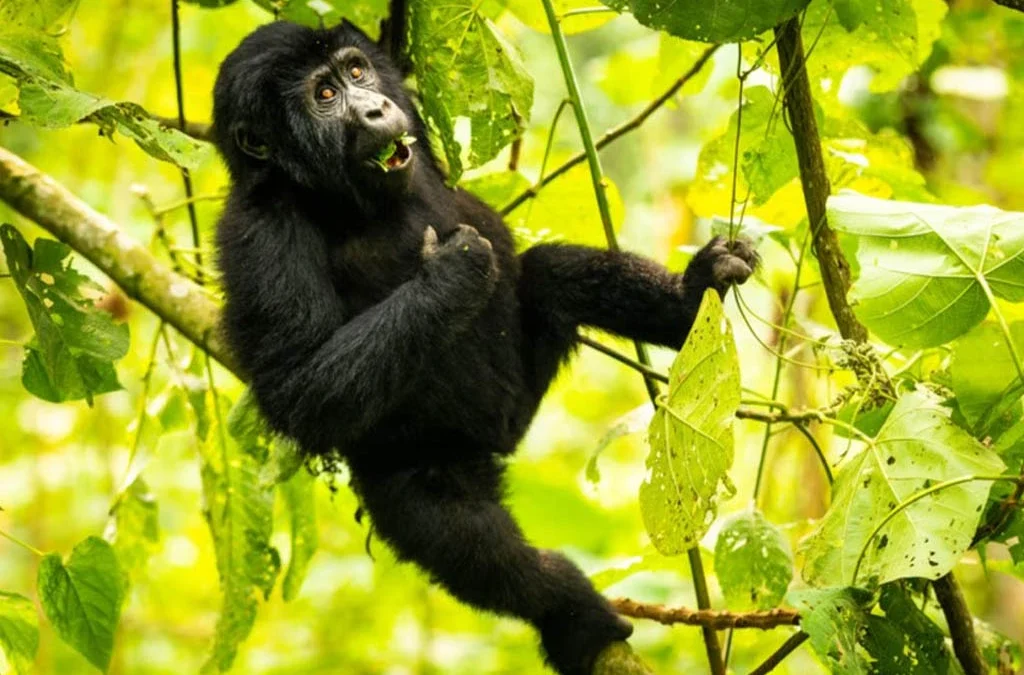
Uganda is one of Africa’s most rewarding safari destinations, offering unforgettable wildlife encounters, breathtaking landscapes, and rich cultural experiences throughout the year. From tracking endangered mountain gorillas in misty forests to watching lions roam across open savannah plains, every season in Uganda brings something unique for travelers. However, choosing the right time to visit can greatly improve your safari experience.
At Experiya Tour Company, we guide travelers throughout the year, and we often recommend the dry seasons as the best time to explore Uganda comfortably and fully enjoy outdoor activities. Nevertheless, every month has its own charm depending on your travel interests, budget, and preferred safari activities.
Understanding Uganda’s Climate
Uganda enjoys a pleasant tropical climate because of its high altitude and equatorial location. Temperatures remain relatively stable throughout the year, usually ranging between 21°C and 28°C during the day. While Uganda does not experience extreme winters or summers, it has two main dry seasons and two rainy seasons.
The long dry season runs from June to August, while the short dry season occurs between December and February. These months are generally considered the best time to visit Uganda for safari tours because roads remain accessible, hiking trails stay drier, and wildlife viewing becomes easier.
On the other hand, the wet seasons occur from March to May and again from October to November. During these months, rainfall increases, especially in forested and mountainous regions. Although travel remains possible, some activities become more challenging due to muddy roads and slippery trekking trails.
Why the Dry Season Is the Best Time for Safari
Most travelers prefer visiting Uganda during the dry season because safari conditions are excellent across the country. The weather becomes more predictable, skies remain clearer, and many national parks become easier to explore.
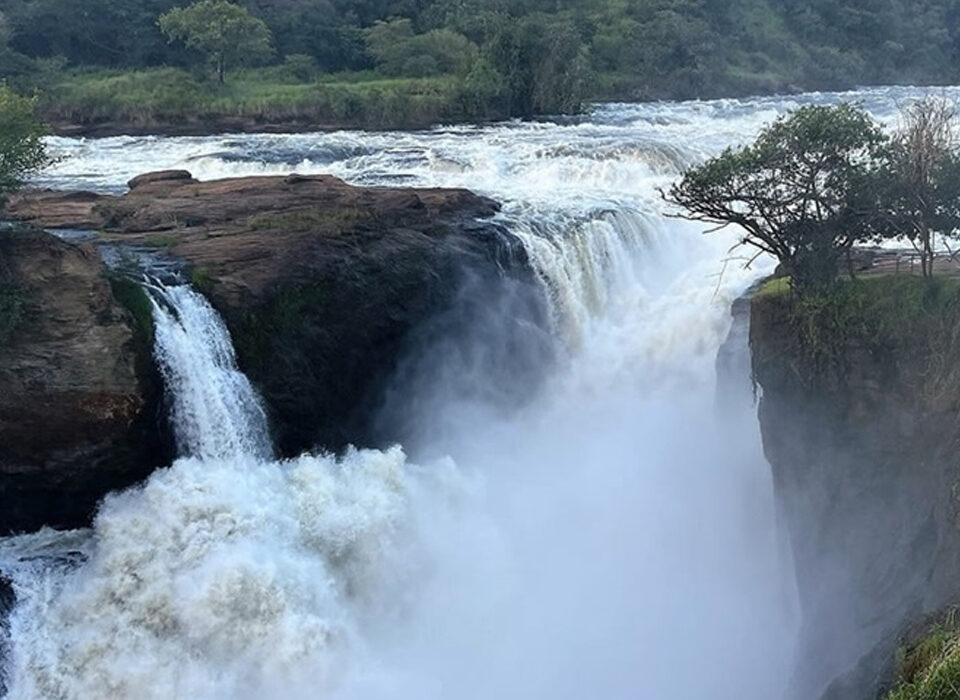
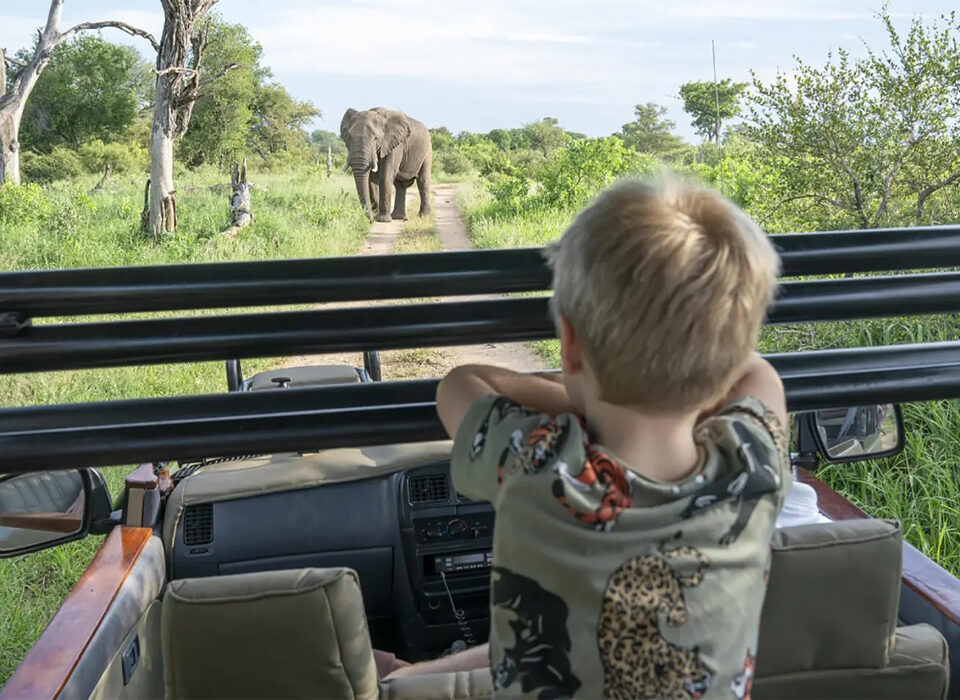
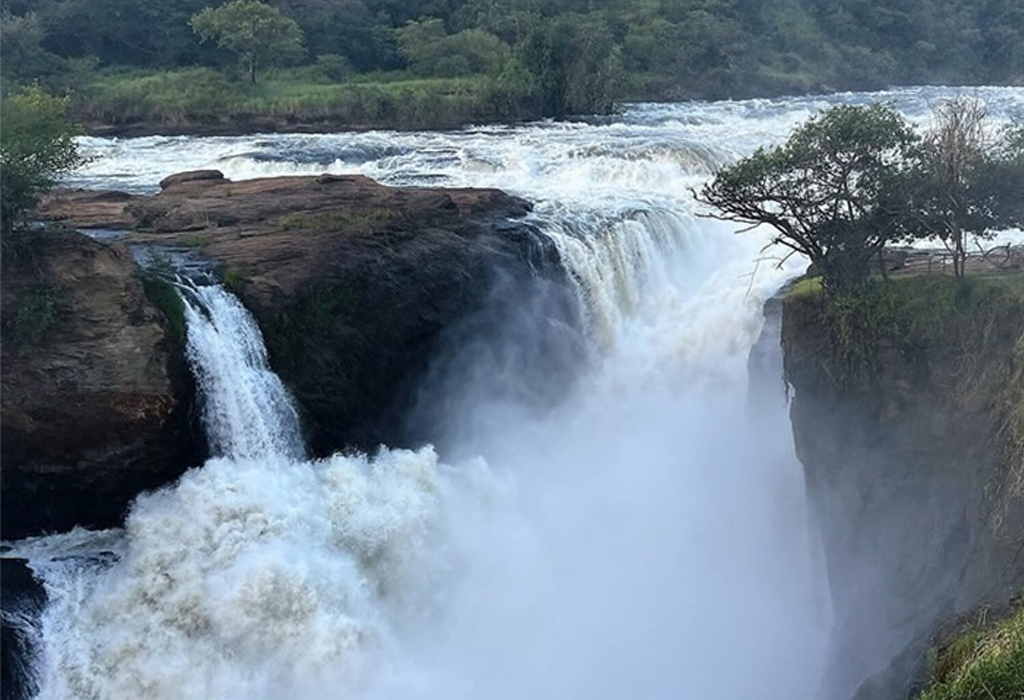
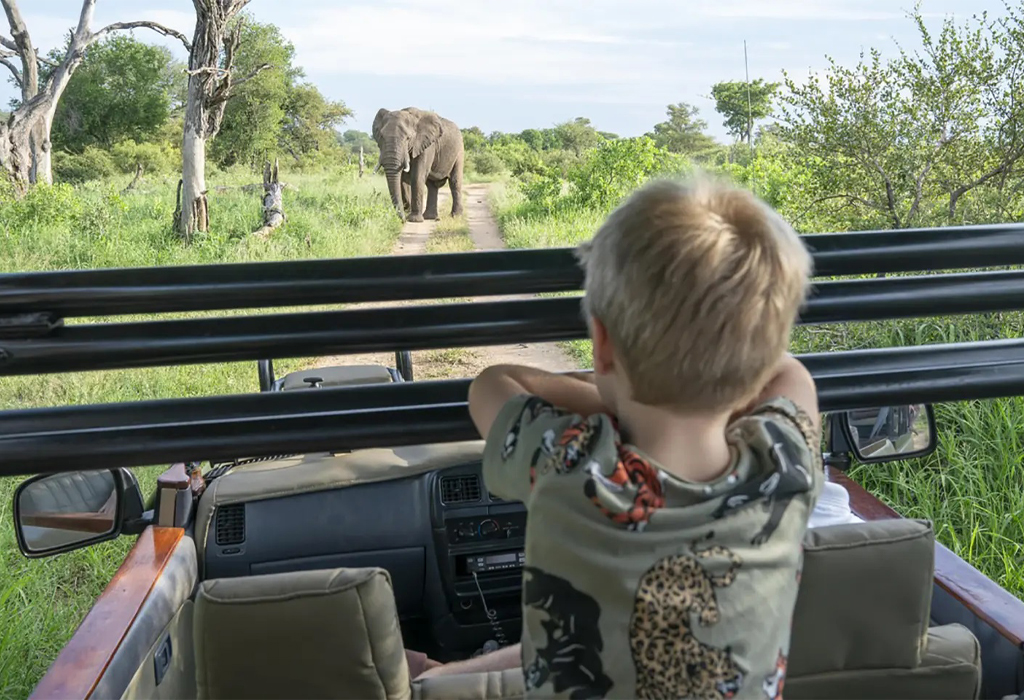
In Uganda’s savannah parks such as Queen Elizabeth National Park, Murchison Falls National Park, Kidepo Valley National Park, and Lake Mburo National Park, wildlife gathers around rivers, lakes, and waterholes. As vegetation becomes thinner and shorter, visitors can easily spot elephants, buffaloes, giraffes, antelopes, lions, and leopards.
Additionally, game drives become more enjoyable because roads remain dry and accessible. Photographers also appreciate the bright sunlight and clearer landscapes that create excellent viewing conditions.
At Experiya Tour Company, we strongly recommend booking safari accommodations and gorilla permits early during this peak travel season. Demand increases significantly between June and September, especially for gorilla trekking permits in Bwindi Impenetrable National Park and Mgahinga Gorilla National Park.
Gorilla Trekking During the Dry Months
Gorilla trekking remains Uganda’s most famous safari activity, attracting visitors from around the world. Although gorilla trekking takes place throughout the year, the dry months offer the most comfortable hiking conditions.
Between June and August, as well as December through February, forest trails become less muddy and easier to navigate. Trekkers can hike through the rainforest with fewer challenges, making the overall experience more enjoyable. The clearer weather also allows better photography opportunities inside the forest.
However, travelers should understand that Uganda’s tropical rainforests can receive rainfall at almost any time of the year. Even during dry months, short showers may occur unexpectedly. Fortunately, the rain rarely lasts all day, and sunshine usually returns quickly afterward.
At Experiya Tour Company, we encourage visitors to carry waterproof clothing, hiking boots, and rain jackets regardless of the season. Proper preparation ensures a comfortable trekking experience in all weather conditions.
Visiting Uganda During the Wet Season
While many travelers focus on the dry season, the wet season also offers several advantages for safari enthusiasts. Uganda’s landscapes become incredibly green, fresh, and scenic after rainfall. Forests appear more vibrant, and photography lovers often enjoy the dramatic skies and colorful vegetation.
Additionally, the wet season usually brings fewer tourists to national parks. This allows travelers to enjoy quieter safari experiences and more personalized services. Many lodges and safari camps also lower their accommodation rates during this period, making Uganda more affordable for budget-conscious travelers.
Birdwatchers especially appreciate the rainy months because migratory bird species arrive in Uganda during this time. Wetlands, forests, and savannah areas become active with birdlife, making Uganda one of Africa’s top birdwatching destinations.
However, travelers should prepare for some challenges. Heavy rainfall between March and May can affect road conditions in remote areas. Some dirt roads become muddy and difficult to access, particularly for non-4WD vehicles. Forest trails also become slippery, requiring extra caution during gorilla trekking and chimpanzee tracking excursions.
Despite these difficulties, wildlife viewing still remains possible. Many animals stay active, and visitors can often see newborn animals during this greener season.
Best Weather Conditions in Uganda
Among all months of the year, June and July generally offer Uganda’s most favorable weather conditions. Rainfall remains low, temperatures stay comfortable, and safari activities operate smoothly across the country.
January and February also provide excellent travel conditions. During these months, many regions experience warm sunny days and relatively dry conditions, making them ideal for wildlife safaris and hiking adventures.
In contrast, March through May usually brings Uganda’s heaviest rainfall. During this period, travelers may experience prolonged showers, muddy trails, and occasional transportation delays. Although travel remains possible, flexibility and proper planning become very important.
Peak Season and Gorilla Permit Availability
Uganda’s peak tourism season runs from June to September. During this period, thousands of travelers visit the country for gorilla trekking, wildlife safaris, and cultural tours.
Because gorilla permits are limited each day, visitors should reserve them several months in advance. Bwindi Impenetrable National Park remains especially popular, and permits often sell out quickly during the high season.
At Experiya Tour Company, we assist travelers in securing permits early to avoid disappointment. Early booking also allows visitors to access better accommodation options near trekking sectors such as Buhoma, Rushaga, Ruhija, and Nkuringo.
Can You Travel to Uganda All Year Round?
Absolutely. Uganda remains a year-round safari destination. Every season offers unique experiences, and travelers can still enjoy memorable wildlife encounters regardless of the month they choose.
Dry months provide easier travel conditions and excellent wildlife visibility, while rainy months offer greener scenery, discounted rates, and fewer crowds. Therefore, the best time to visit Uganda depends largely on personal travel preferences and safari priorities.
Whether you dream of standing face-to-face with mountain gorillas, cruising along the Nile River, spotting tree-climbing lions, or exploring Uganda’s beautiful landscapes, the country promises extraordinary adventures in every season.
At Experiya Tour Company, we help travelers plan customized Uganda safaris throughout the year, ensuring unforgettable experiences regardless of the weather.