Discovering Rwanda’s Hidden Waterfalls
April 30, 2026
Hiking Adventures in Bwindi Impenetrable National Park
April 30, 2026
Many travelers ask this question before planning a gorilla trekking safari: Are gorillas dangerous creatures? The short answer is no, gorillas are not naturally dangerous. However, like any wild animal, they are powerful, unpredictable, and capable of causing harm if provoked. Understanding their behavior helps you appreciate them not as threats, but as intelligent, social beings that prefer peace over conflict.
From firsthand experience in the forests of East Africa, encountering gorillas feels far more humbling than frightening. When you stand a few meters away from a massive silverback, you immediately sense both its strength and its calm authority. These animals do not seek confrontation. Instead, they observe quietly, often continuing with their daily routines of feeding, grooming, or resting.
Understanding Gorilla Strength and Behavior
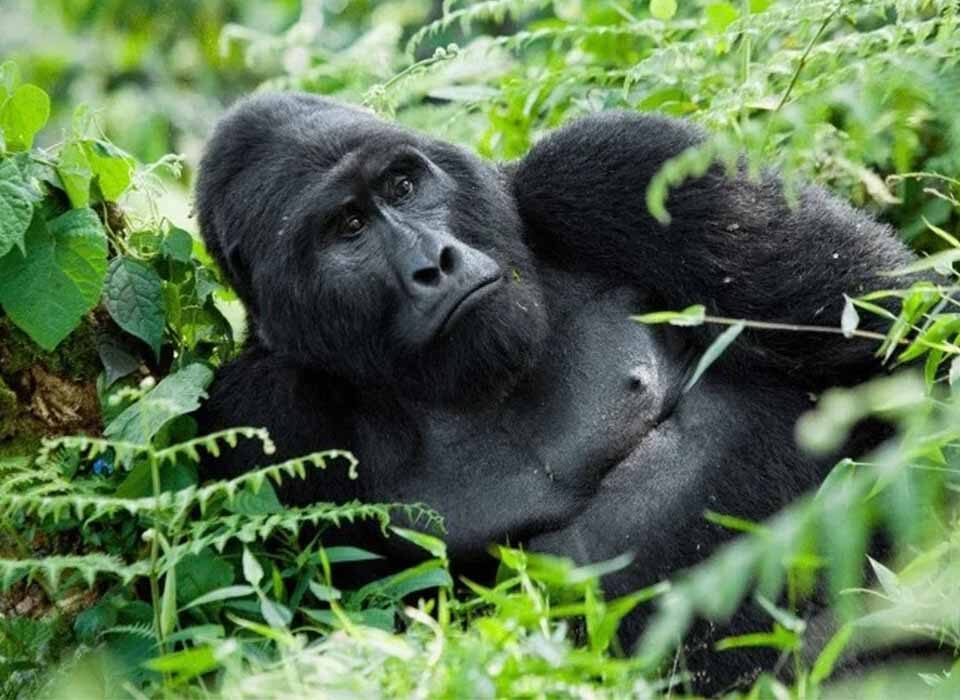
Gorillas are undeniably strong. A fully grown silverback male can weigh over 180 kilograms and possesses immense physical power. Their long canine teeth and muscular build may look intimidating, but these features primarily serve for defense and dominance within their social structure, not for attacking humans.
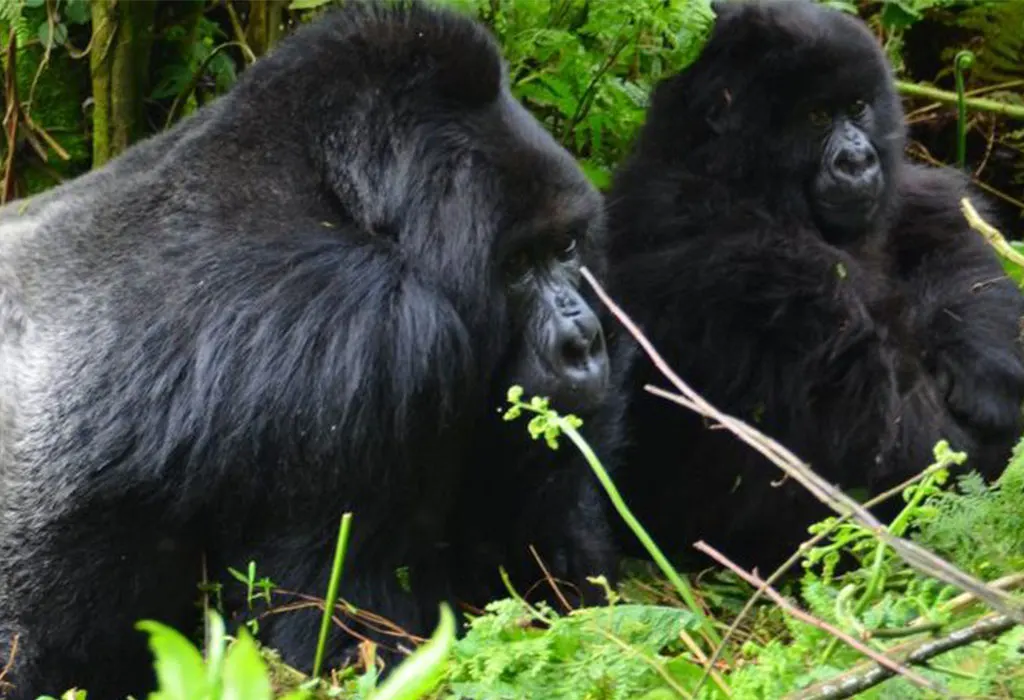
In the wild, gorillas live in stable family groups led by a dominant silverback. This leader protects the group, resolves conflicts, and guides daily movement. Occasionally, when two groups meet, tension can rise. The silverbacks may display aggression through charging, chest-beating, and vocalizations. In rare cases, these confrontations turn physical. Such behavior, however, is directed at rival gorillas, not humans.
Interestingly, silverbacks may also exhibit harsh behavior during group takeovers, including infanticide. While this may sound alarming, it is part of natural survival strategies within gorilla society. It does not translate into aggression toward humans.
When Do Gorillas Become Aggressive?
Although gorillas are often called “gentle giants,” they can become aggressive under specific conditions. Most importantly, aggression arises when they feel threatened, startled, or protective of their group.
For instance, if a human approaches too closely or behaves unpredictably, a gorilla may interpret this as a threat. Similarly, sudden movements, loud noises, or direct eye contact can trigger defensive behavior. In such moments, the gorilla does not immediately attack. Instead, it performs warning displays.
You may hear deep grunts or observe the gorilla tearing vegetation. Soon after, the silverback might stand upright, beat its chest, and charge forward. These actions are not attacks in the true sense, they are warnings meant to intimidate and drive the perceived threat away.
Another lesser-known factor involves clothing. Bright colors can sometimes attract attention or appear unusual in the forest environment. That is why guides recommend wearing neutral tones such as green, brown, or khaki during gorilla trekking. These colors help you blend into the surroundings and reduce the chances of alarming the animals.
Are Habituated Gorillas Dangerous?
One of the most important developments in gorilla tourism is habituation. This is a gradual process through which gorillas become accustomed to human presence without losing their wild nature.
Habituated gorillas are not tame, but they are more tolerant. Researchers and guides spend years carefully introducing human presence in a controlled manner. As a result, these gorillas learn that humans do not pose a threat.
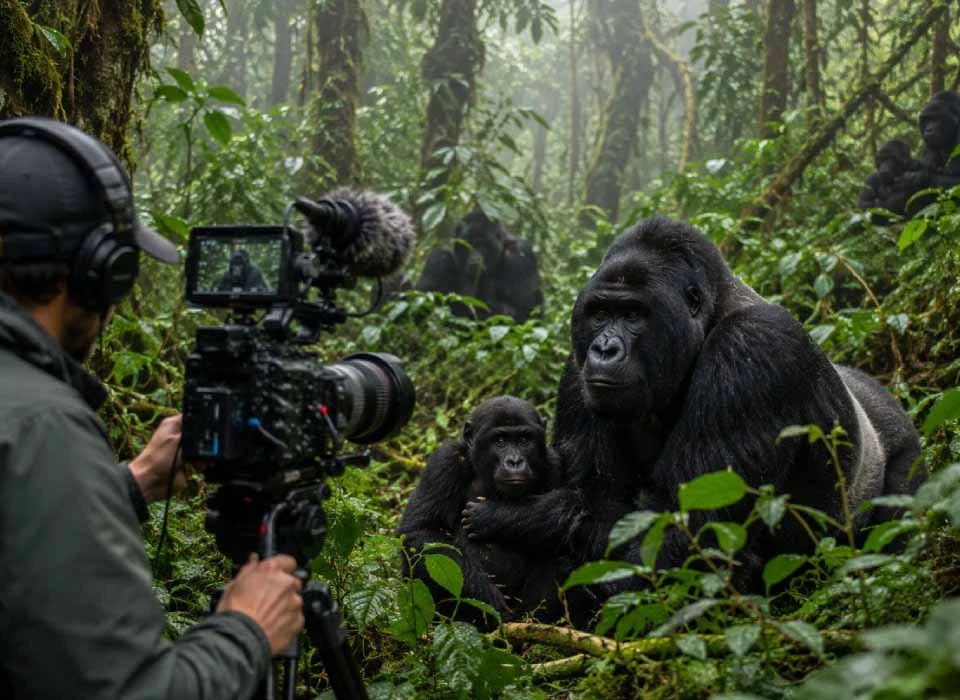
In countries like Uganda, Rwanda, and the Democratic Republic of the Congo, visitors can track these habituated groups safely under expert guidance. Experiences organized by Experiya Tour Company allow travelers to observe gorillas up close while maintaining strict safety protocols.
During these treks, gorillas often ignore human presence altogether. They continue feeding, playing, or resting, creating an intimate and unforgettable wildlife encounter. While they remain wild animals, habituated gorillas rarely show aggression toward respectful visitors.
How to React if a Gorilla Charges
Even with habituated groups, it is essential to understand how to react in the unlikely event of a gorilla charge. From experience, most charges are bluff charges. The gorilla rushes forward to test your reaction rather than to attack.
The most important rule is to stay calm. Panic can escalate the situation. When a gorilla charges, resist the urge to run. Gorillas are much faster than humans, and fleeing may trigger a chase response.
Instead, make yourself appear smaller. Slowly crouch or lower your body, avoid sudden movements, and keep your gaze downward. Direct eye contact can be interpreted as a challenge, so it is best to look away without turning your back completely.
At the same time, remain quiet. Loud reactions or screams may increase the gorilla’s agitation. By staying calm and submissive, you communicate that you are not a threat. In most cases, the gorilla will stop the charge and retreat.
The Importance of Body Language
Gorillas communicate primarily through body language. Understanding these signals can significantly improve your safety and overall experience.
For example, relaxed gorillas move slowly, feed calmly, and interact gently with one another. In contrast, agitated gorillas display signs such as chest-beating, staring, vocalizing, or breaking vegetation.
As a visitor, your role is to mirror calm behavior. Move slowly, speak softly, and follow your guide’s instructions at all times. Avoid sudden gestures such as pointing, jumping, or stepping too close.
Photography also requires caution. Flash photography can startle gorillas and should always be avoided. Instead, use natural light and maintain a respectful distance.
The Role of Guides and Rangers
When you trek with Experiya Tour Company, experienced guides and rangers accompany every group. Their knowledge of gorilla behavior plays a crucial role in ensuring safety.
Before the trek begins, you receive a detailed briefing. This includes instructions on how to behave around gorillas, what to wear, and how to respond in different situations. During the trek, guides constantly observe both the gorillas and the visitors, ensuring that interactions remain safe and respectful.
In rare cases where a gorilla shows signs of distress, rangers step in to manage the situation. They may position themselves between you and the animal or use subtle techniques to redirect its attention. Actual intervention is rarely necessary, as most encounters remain peaceful.
A Personal Perspective from the Forest
Standing in the misty forests of Bwindi or Volcanoes National Park, the idea of gorillas being dangerous quickly fades. Instead, what you feel is awe. Watching a mother groom her infant or a juvenile playfully swing through branches reveals a deeply emotional and intelligent species.
There is a quiet understanding that these animals share many traits with humans, family bonds, communication, and even expressions of curiosity. In such moments, fear gives way to respect.
That said, this experience demands responsibility. Gorillas are not attractions; they are wild creatures living in fragile ecosystems. Respecting their space ensures not only your safety but also their well-being.
Final Thoughts: Are Gorillas Truly Dangerous?
Gorillas are not inherently dangerous creatures. They do not hunt humans, nor do they seek confrontation. However, their size and strength mean that they must be treated with caution and respect.
Aggression in gorillas is almost always a response to perceived threats. When visitors follow guidelines, maintain distance, and behave calmly, the risk becomes extremely low. In fact, gorilla trekking ranks among the safest and most rewarding wildlife experiences in Africa.
Ultimately, the question is not whether gorillas are dangerous, but whether humans are willing to respect them. When approached responsibly, these gentle giants offer one of the most profound connections to the natural world.
Through carefully guided experiences with Experiya Tour Company, travelers gain not only a close encounter with gorillas but also a deeper appreciation for conservation and coexistence.