
The Complete Guide to a Uganda Safari with Kids
April 23, 2026
Activities to Include on Your Uganda Safari Itinerary
April 24, 2026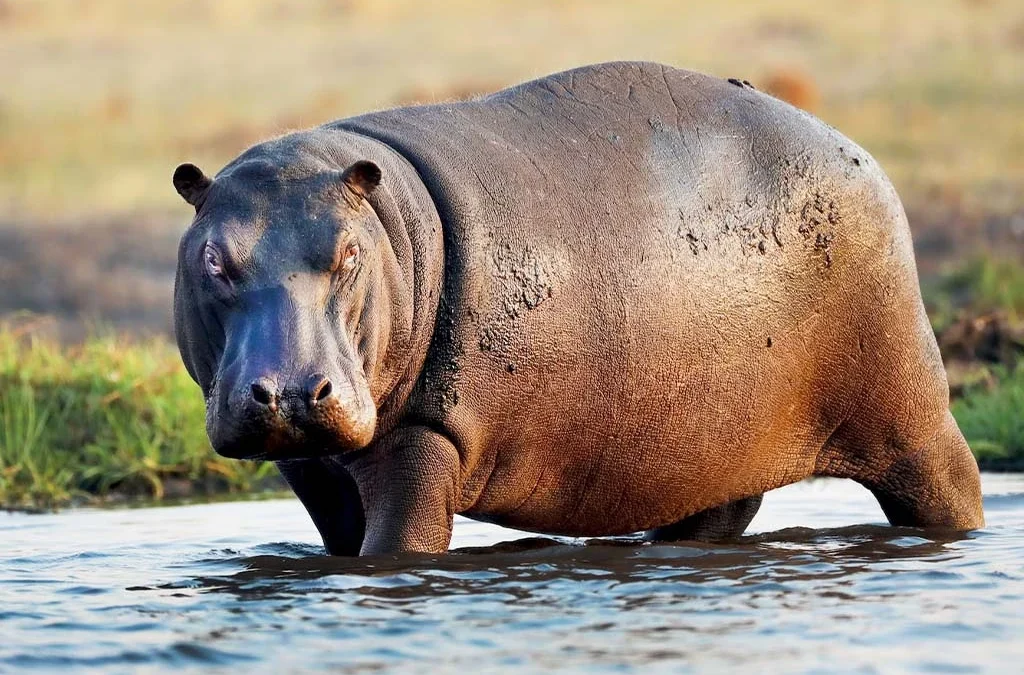
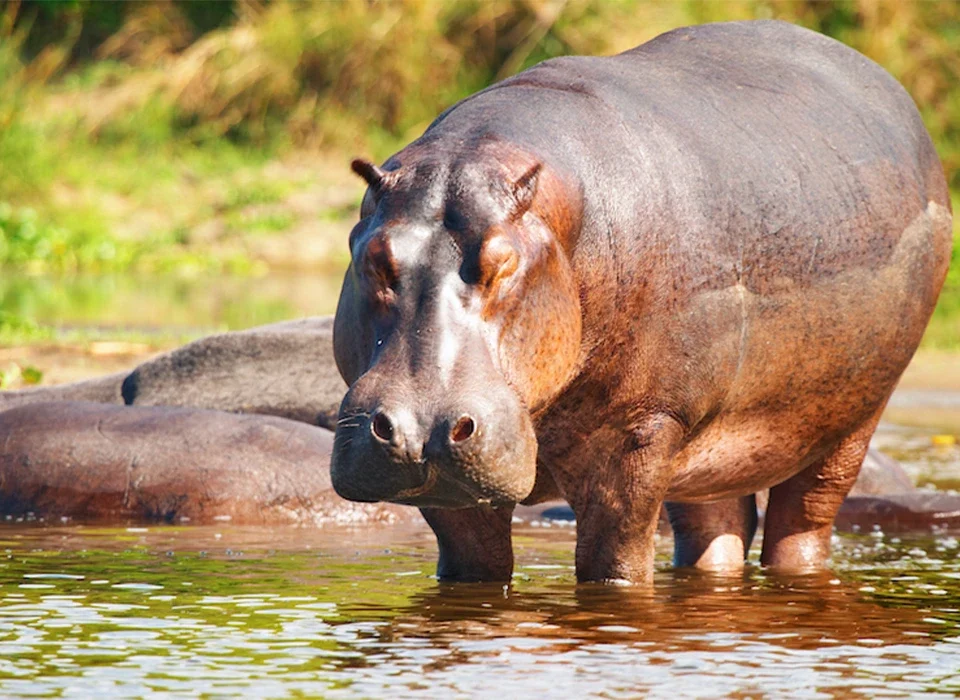
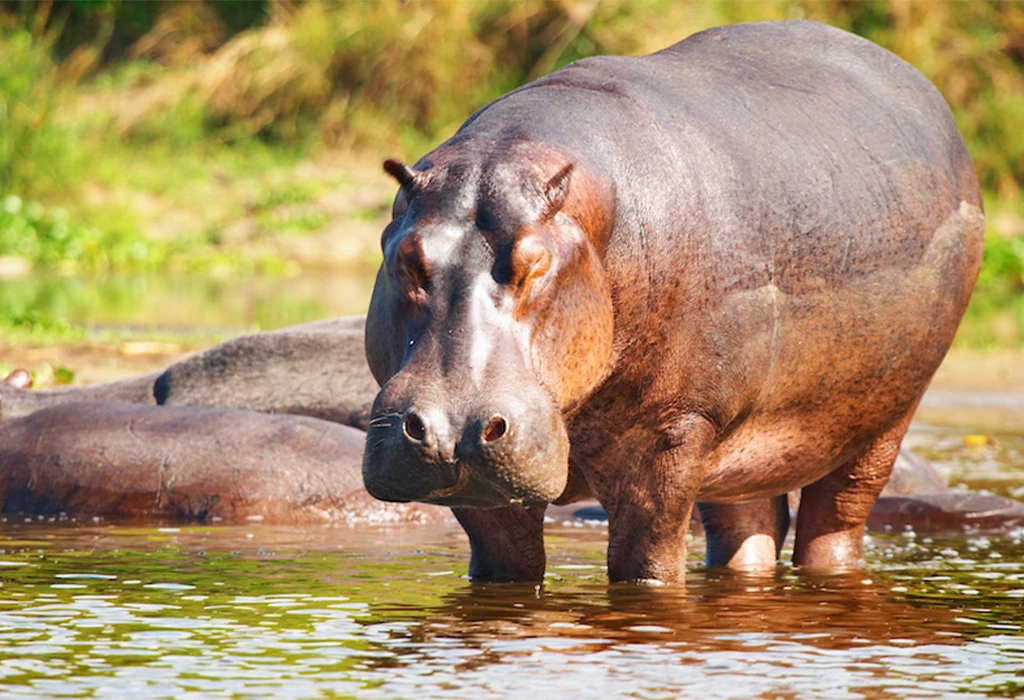
When people talk about Africa’s most dangerous animals, the hippopotamus often comes up, and not without reason. While calling it the most dangerous animal in Africa may sound like a safari cliché, there is some truth behind the claim. From firsthand experience on river safaris organized by Experiya Tour Company, I’ve seen how deceptively calm hippos can appear as they lounge in the water, only to reveal a completely different personality when disturbed.
At first glance, a hippo may look almost comical, with its round body and wide, toothy grin. However, that “smile” hides powerful jaws and a surprisingly aggressive temperament. Although herbivores, hippos are highly territorial, especially in water, and they do not hesitate to charge when they feel threatened. This combination of size, strength, and unpredictability makes them one of the most respected animals on any African safari.
Size, Strength, and Surprising Relatives
To understand the hippo better, it helps to start with its sheer size. The hippopotamus ranks as the third-largest land mammal in Africa, coming after the elephant and the white rhinoceros. Watching one emerge from the water at dusk is unforgettable. The ground seems to tremble under its weight as it makes its way to graze.
Interestingly, hippos have a family connection that surprises many travelers. For years, scientists believed that pigs were their closest relatives. However, modern DNA research has revealed a completely different story. Hippos share a common ancestor with whales and dolphins, dating back roughly 55 million years. This explains their semi-aquatic lifestyle and certain physical traits, such as their ability to stay submerged for extended periods.
Knowing this connection adds a new layer of appreciation when you watch a hippo glide, or rather, move in water. While they don’t swim in the traditional sense, their movements reflect a long evolutionary history tied to aquatic life.
A Natural Sunscreen Like No Other
One of the most fascinating things I’ve observed about hippos during field experiences is their unique skin protection system. Unlike most large mammals, hippos have almost no hair, which leaves their skin exposed to the harsh African sun. To cope with this, they produce a special secretion that acts as a natural sunscreen.
At first, this fluid appears colorless. However, as it reacts with sunlight, it turns reddish-orange and eventually brown. This transformation gives hippos their characteristic “pinkish” glow, which many people mistakenly attribute to mud or water reflections.
Beyond sun protection, this secretion also serves as an antibacterial layer. It helps prevent infections, especially when hippos sustain cuts or injuries in their often rough, territorial encounters. Seeing this adaptation up close truly highlights how well-suited hippos are to their environment.
Life in the Water: Not Quite Swimming
Despite spending most of their day in water, hippos are not strong swimmers. This often surprises travelers who assume that such aquatic animals glide effortlessly like fish or dolphins. Instead, hippos prefer shallow waters where they can stand or rest comfortably.
During excursions with Experiya Tour Company, I’ve watched hippos move through rivers by pushing off the riverbed and gliding for short distances. When the water gets deeper, they don’t swim but rather bounce along the bottom in a series of gentle leaps. This behavior allows them to conserve energy while staying mostly submerged.
Water plays a crucial role in regulating their body temperature and protecting their sensitive skin. During the heat of the day, hippos remain submerged, with only their eyes, ears, and nostrils visible above the surface. Then, as evening approaches, they leave the water to graze on land.
Communication Above and Below the Surface
Another remarkable trait of hippos is their ability to communicate both above and below water simultaneously. This is something I’ve personally experienced while standing near a riverbank; the deep, resonant calls seem to vibrate through the air and water at the same time.
Hippos produce loud bellows that serve as territorial warnings and social signals. What makes them unique is that they often vocalize with their heads partially submerged. As a result, the sound travels efficiently through both mediums, allowing other hippos to detect the call over long distances.
During the day, these vocalizations are frequent, especially in crowded waterways where individuals compete for space. However, at night, when hippos move onto land to feed, they become much quieter and less territorial. This shift in behavior reflects their adaptability and complex social structure.
The Curious Case of Colombia’s Hippos
While hippos are native to Africa, there is a strange and fascinating population living far from their original habitat. In Colombia, a group of hippos descended from animals once owned by drug lord Pablo Escobar. After his estate was abandoned, these hippos escaped and began to reproduce in the wild.
Over time, they adapted to their new environment along the Magdalena River. Today, their numbers have grown significantly, and they continue to roam freely. However, their presence has created challenges for local communities, as hippos can be aggressive and disrupt ecosystems.
This unusual story highlights just how resilient and adaptable hippos can be. Even outside their natural range, they manage to survive and thrive, although not without consequences.
A Powerful Yet Misunderstood Animal
Spending time observing hippos in their natural environment changes the way you see them. At first, they may seem lazy or harmless as they rest in the water for hours. However, as you watch more closely, you begin to notice subtle signs of their alertness: the flick of an ear, the slow rise of a head, or the sudden opening of a massive jaw.
Through guided safaris with Experiya Tour Company, I’ve learned that respecting a hippo’s space is essential. These animals do not tolerate intrusion, especially in water where they feel most secure. Boats must keep a safe distance, and any sudden movements can trigger defensive behavior.
Despite their reputation, hippos are not aggressive without reason. They react to perceived threats, particularly when protecting their territory or young. Understanding this helps shift the narrative from fear to respect.
Final Thoughts
The hippopotamus is one of Africa’s most fascinating and complex animals. From its immense size and unexpected evolutionary history to its unique adaptations and behaviors, every aspect of the hippo tells a story of survival and strength.
While it may carry a reputation as one of the continent’s most dangerous creatures, spending time observing it reveals a deeper truth. The hippo is not simply aggressive; it is a powerful animal navigating its environment with instinct and precision.
For anyone planning a safari, encountering hippos in the wild is an unforgettable experience. With the guidance of Experiya Tour Company, you gain not only a safe vantage point but also a deeper understanding of these incredible animals.