
Understanding Gorilla Trekking in Rwanda
April 22, 2026
How Climate Change Affects Mountain Gorilla Habitats
April 22, 2026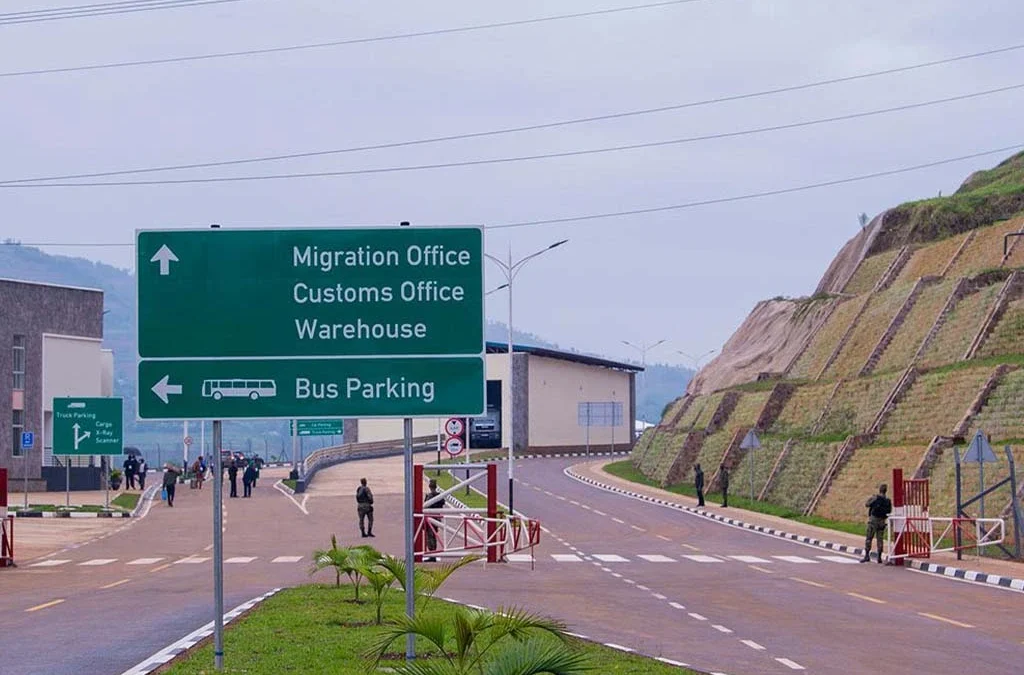
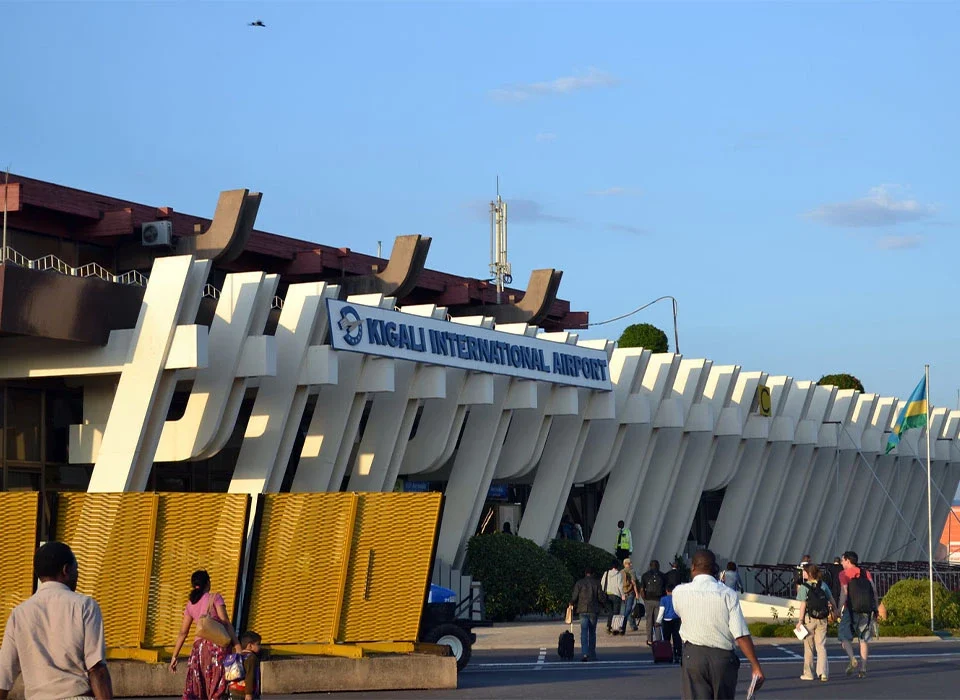
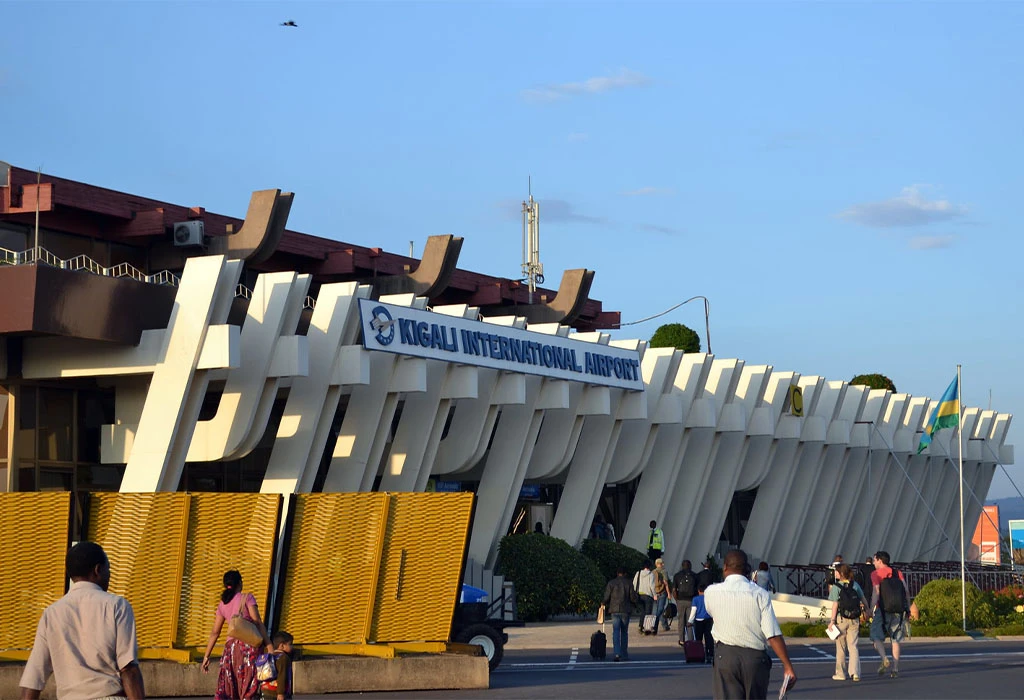
Arriving in Rwanda feels refreshingly organized from the moment you step into the immigration area. I have found the process to be smooth, efficient, and clearly structured—something Rwanda takes pride in as it positions itself as a leading travel and business hub in Africa. If you prepare your documents well and understand the system, entry is usually quick and straightforward.
Rwanda’s Progressive Visa System
Rwanda has built one of the most traveler-friendly visa systems on the continent. In most cases, you don’t need to apply in advance because the visa-on-arrival process works efficiently at the airport or land borders. When I went through immigration, the process took only a few minutes, provided everything was in order.
Tourist visas are commonly issued for up to 30 days, and if you decide to stay longer, extensions are possible through immigration offices. Business travelers follow a similar process but may need to explain the purpose of their visit more clearly. Transit visas are also available for those just passing through.
What stands out is how Rwanda has opened its doors to different regions. Travelers from many African countries, Commonwealth nations, and La Francophonie member states often enjoy visa-free access or simplified entry. East African Community citizens, in particular, benefit from extended stays, reflecting Rwanda’s strong commitment to regional integration.
Essential Documents You Must Carry
Before traveling, double-check your passport. Immigration officers strictly require at least six months of validity from your date of entry. I’ve seen travelers delayed simply because of this oversight, so it’s not something to take lightly.
You also need at least one blank page in your passport for stamps. Damaged or nearly full passports can create unnecessary complications at the counter.
In addition, you may be asked to show proof that you can support yourself during your stay. This could be a bank statement, a credit card, or even cash. While officers don’t always ask for it, it’s better to have it ready than to be caught off guard.
Sometimes, immigration officials will ask for a return ticket or onward travel details. This helps confirm that you intend to leave within your permitted stay, so keep a copy of your itinerary accessible.
Health Requirements and Entry Checks
Health documentation is another key part of the process. If you are arriving from a country where yellow fever is present, you must present a valid vaccination certificate. From experience, officers take this requirement seriously, and the certificate must show that you were vaccinated at least 10 days before travel.
At times, depending on global health conditions, there may be additional requirements. These can include temporary health screenings or updated travel advisories. It’s always wise to check the latest guidelines before departure so you don’t encounter surprises on arrival.
The Arrival Experience at Immigration
Once you join the immigration queue, the process moves at a steady pace. Rwanda’s immigration officers are professional, calm, and respectful, but they are also thorough. When it’s your turn, expect a few direct questions about your visit, why you’re in Rwanda, where you’ll stay, and how long you plan to remain.
Answer clearly and honestly. In my experience, straightforward responses make the process quicker and smoother. Having your documents neatly organized also helps. When everything is easy to access, officers can process your entry without delays.
Practical Tips for a Smooth Entry
If you plan to drive in Rwanda, arrange your international driving permit before you travel. Rental agencies will ask for it alongside your home license, and you won’t be able to obtain one after arrival.
It’s also smart to keep copies of your important documents. I usually store digital copies online and carry printed ones separately from the originals. This simple step can save you a lot of stress if anything gets lost.
For longer stays, consider registering with your embassy. While not mandatory, it provides an extra layer of support in case of emergencies.
Travel insurance is another worthwhile consideration. Even though it’s not required for entry, it can protect you from unexpected costs related to health, cancellations, or lost documents.
Final Thoughts
Overall, Rwanda’s immigration process reflects the country itself: efficient, welcoming, and well-organized. When you arrive prepared, the experience feels seamless and reassuring. From my perspective, it sets the tone for the rest of your journey, offering a strong first impression of a country that values both security and hospitality.