Leopard Filming in Uganda
April 20, 2026
Luxury Safari Experiences in Rwanda
April 21, 2026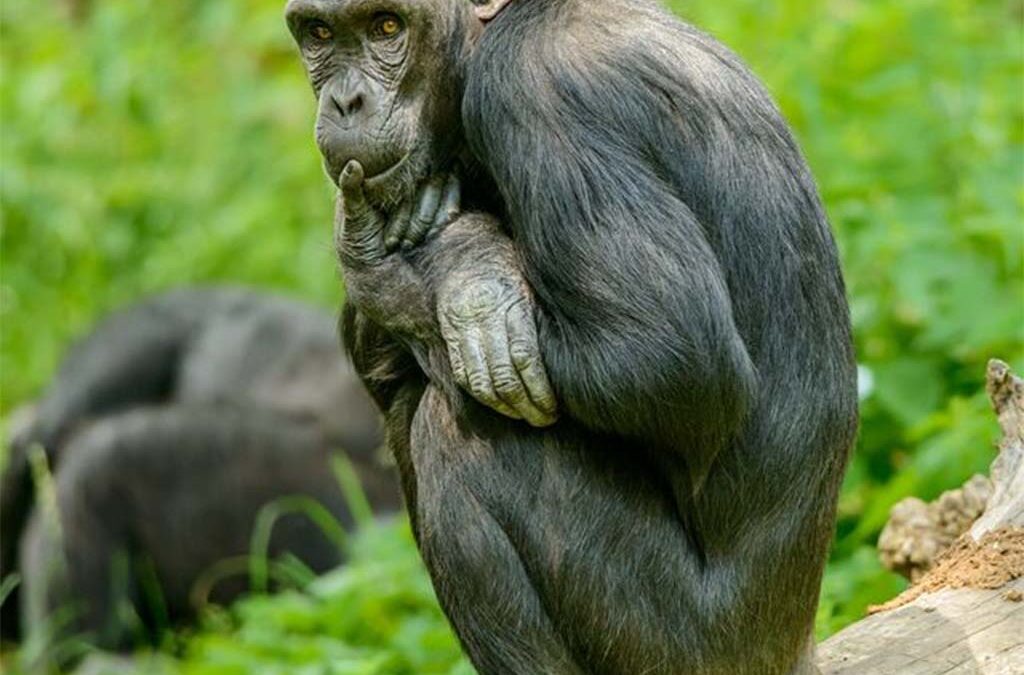
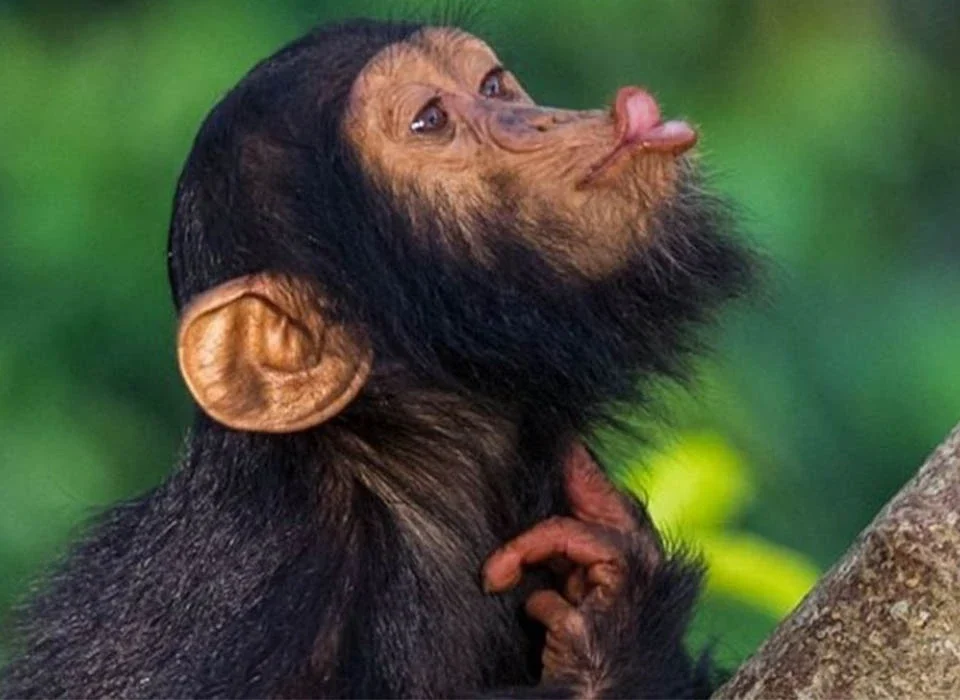
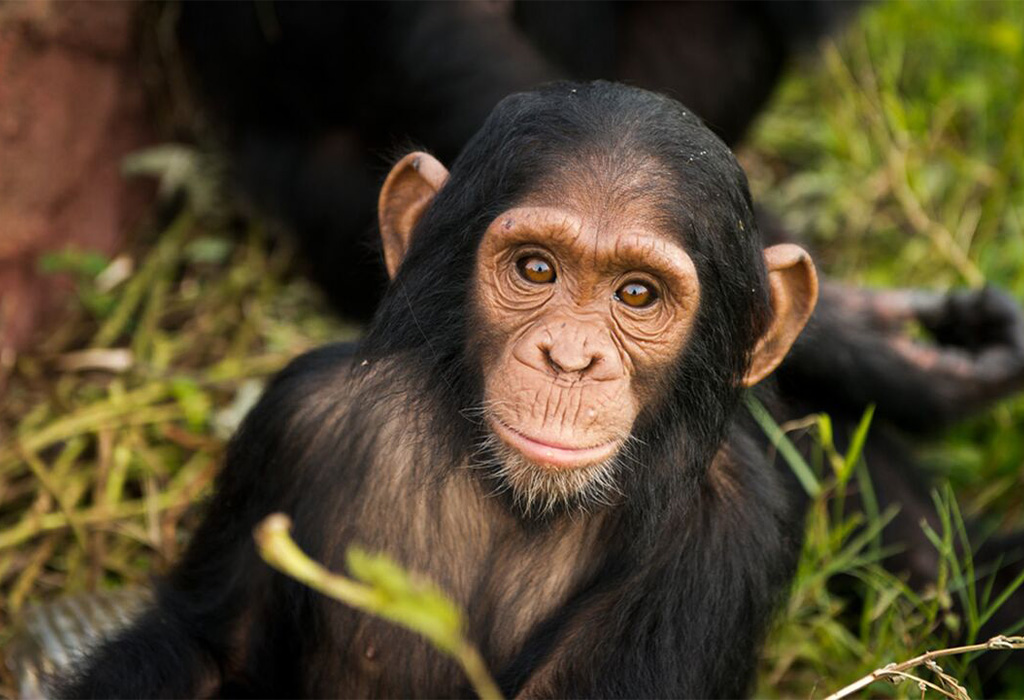
Yes, you absolutely need a permit to see chimpanzees in Uganda. The Uganda Wildlife Authority (UWA) issues these permits, and they are mandatory for anyone who wants to take part in chimpanzee trekking. Without a valid permit, you cannot legally enter protected forests or join guided chimpanzee tracking activities.
Chimpanzee trekking permits do more than control access. They protect endangered primates, regulate tourism pressure, and ensure that every visitor experience contributes directly to conservation. In simple terms, the permit is your official entry pass into Uganda’s protected chimpanzee habitats.
What a Chimpanzee Trekking Permit Really Means
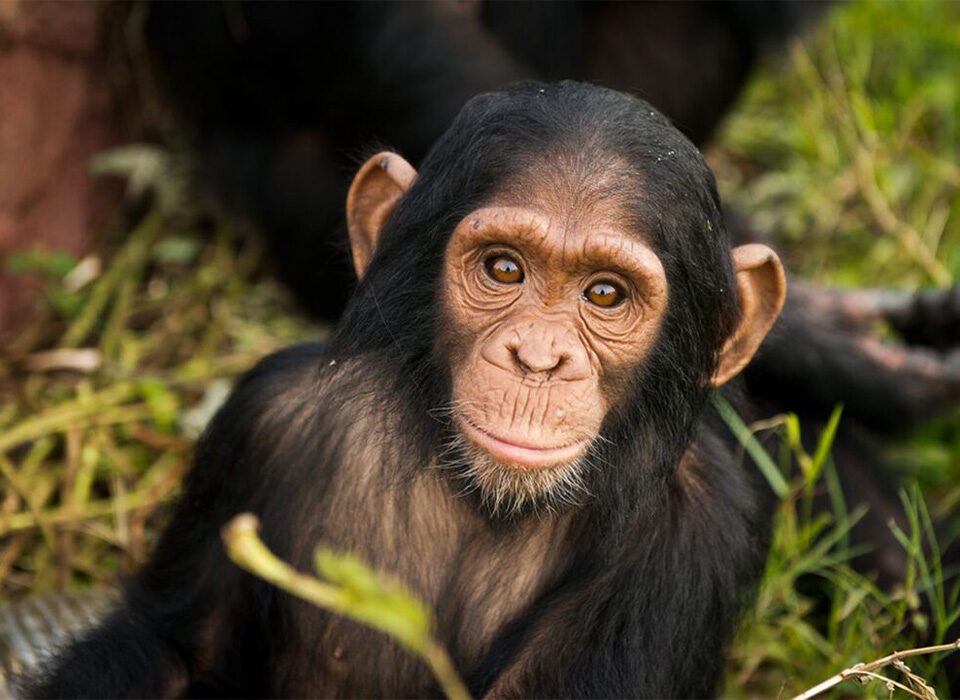
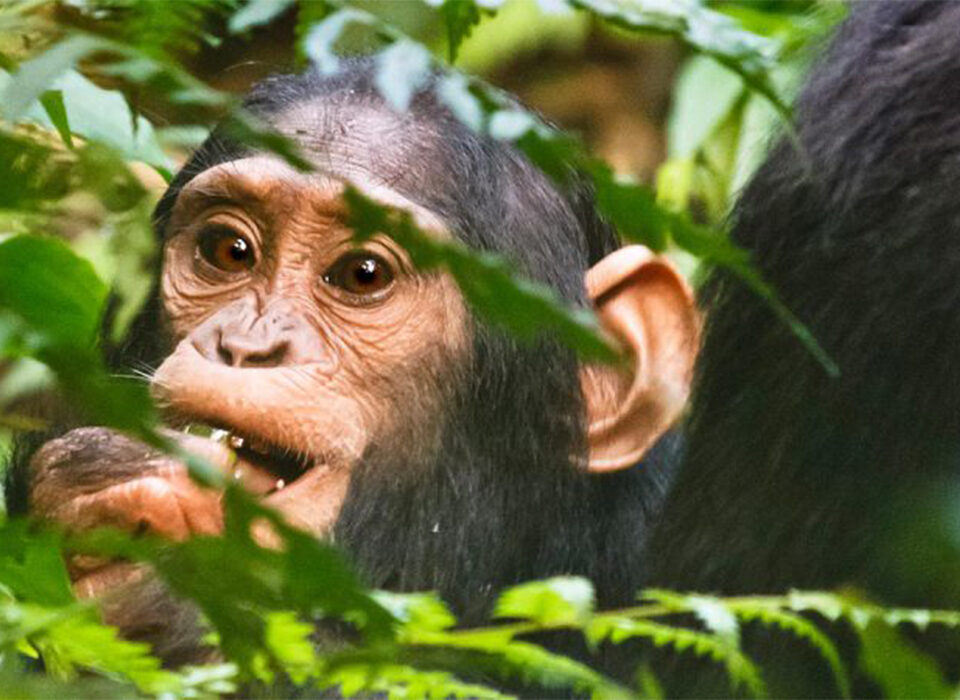
A chimpanzee trekking permit is an official authorization that allows you to enter designated forests where habituated chimpanzee families live. These chimpanzees are accustomed to human presence, but they are still wild animals that require careful protection.
Rather than being just a formality, the permit system plays a central role in conservation. It limits the number of visitors entering each chimpanzee group daily, which reduces stress on the animals and prevents habitat disturbance. It also ensures that tourism remains sustainable over time instead of overwhelming fragile ecosystems.
When you purchase a permit, you also support conservation work directly. The revenue funds anti-poaching patrols, forest protection, community development projects, and long-term research. In many ways, your permit becomes part of the conservation solution.
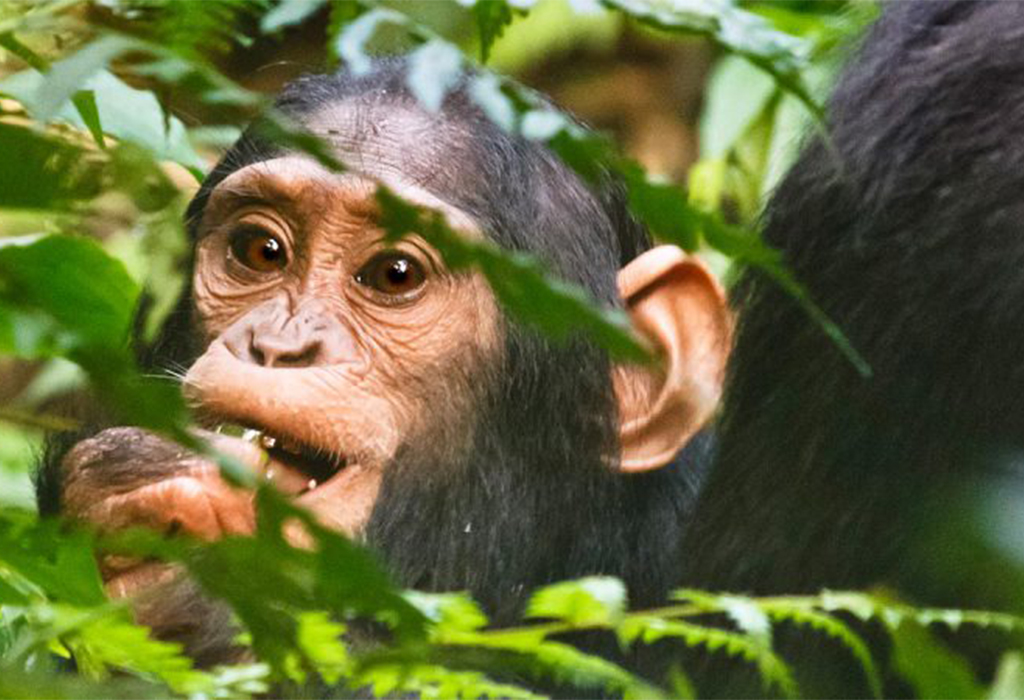
During your trek, guides usually allow you to spend about one hour with the chimpanzees once you locate them. However, in special cases such as habituation experiences, visitors may spend several hours observing chimpanzees as they move, feed, and interact naturally in the forest.
Uganda Wildlife Authority and Its Role
The Uganda Wildlife Authority is the only institution legally allowed to issue chimpanzee trekking permits in the country. It manages all national parks and protected forests where chimpanzees live, ensuring that tourism activities follow strict conservation standards.
Because UWA controls permit distribution centrally, it can monitor how many people visit each chimpanzee group daily. This system helps avoid overcrowding and protects both wildlife and habitats. It also allows the authority to track visitor trends, seasonal demand, and conservation impacts over time.
In addition, UWA works closely with conservation partners, researchers, and local communities. This collaboration strengthens wildlife protection and ensures that tourism benefits extend beyond the forest into surrounding communities.
How Much Do Chimpanzee Permits Cost?
Chimpanzee trekking permits in Uganda vary depending on residency status and location. The pricing system is designed to balance conservation funding with accessibility for different types of travelers.
For foreign non-residents, permits at Kibale Forest National Park generally cost around 250 US dollars per person. This category contributes the highest revenue to conservation programs, reflecting the international demand for Uganda’s primate experiences.
Foreign residents living in Uganda usually pay a reduced fee of about 200 US dollars per person. This discounted rate recognizes their contribution to the local economy and encourages long-term engagement with wildlife tourism.
Citizens of East African Community countries benefit from significantly lower fees, typically around 180,000 Ugandan shillings per person at Kibale Forest National Park. This makes chimpanzee trekking more accessible within the region and promotes regional tourism growth.
How to Get a Chimpanzee Trekking Permit
You can obtain a chimpanzee trekking permit in Uganda through different channels, depending on your travel style and level of experience.
Some travelers choose to book directly through the Uganda Wildlife Authority. This approach allows you to secure permits at official rates and manage your booking independently. However, it requires more time, early planning, and familiarity with availability trends, especially during peak travel seasons.
Many visitors prefer to book through a licensed safari operator such as Experiya Tour Company. This option simplifies the entire process because the operator checks availability, secures the permit, and organizes the rest of the safari logistics. It also reduces the risk of missing out on permits during busy months when demand is high.
Working with a professional operator becomes especially helpful when planning multi-destination safaris or when combining chimpanzee trekking with other wildlife experiences across Uganda.
Who Can Go Chimpanzee Trekking?
Uganda sets clear rules to ensure safety for both visitors and chimpanzees. The minimum age for chimpanzee trekking is generally 12 years. This requirement exists because forest trekking can be physically demanding and requires participants to follow instructions carefully.
Chimpanzee trekking involves walking through dense forest terrain, sometimes on uneven or slippery ground. As a result, participants should have a reasonable level of fitness and be prepared for several hours of hiking, depending on the chimpanzee movement.
There is no strict maximum age limit, but physical ability matters more than age. Many older travelers successfully complete treks when they are comfortable walking and able to handle mild to moderate forest conditions.
Best Places to See Chimpanzees in Uganda
Uganda offers several exceptional chimpanzee trekking destinations, each providing a different type of forest experience.
Kibale Forest National Park remains the most popular location. It is often called the primate capital of East Africa because it hosts the highest population of chimpanzees in the country. Visitors here enjoy high sighting success rates and well-organized trekking experiences guided by experienced rangers.
Kyambura Gorge, located in Queen Elizabeth National Park, offers a more dramatic and adventurous trekking experience. The deep forested valley contrasts sharply with the surrounding savannah, creating a unique ecosystem where chimpanzees live in relative isolation.
Budongo Forest, found within Murchison Falls National Park, provides a great option for travelers who want to combine chimpanzee trekking with classic safari experiences like game drives and Nile boat cruises. It offers a quieter, less crowded forest environment with rewarding wildlife encounters.
Why the Permit System Matters
The chimpanzee permit system exists for a reason that goes beyond tourism control. It ensures that Uganda protects one of its most intelligent and endangered species while still allowing visitors to experience them responsibly.
Chimpanzees share about 98 percent of human DNA, which makes them highly sensitive to human presence. Without strict regulation, constant human interaction could disrupt their natural behavior or even expose them to diseases.
By limiting visitor numbers and enforcing guided trekking, Uganda protects chimpanzee populations while still offering meaningful wildlife experiences. At the same time, local communities benefit from tourism revenue, which encourages long-term conservation support.
Final Thoughts
So, do you need a permit to see chimpanzees in Uganda? Yes, and it is non-negotiable. The permit is not just a ticket into the forest; it is a vital conservation tool that protects chimpanzees, supports local communities, and ensures sustainable tourism.
When you plan your trip properly and secure your permit in advance, you open the door to one of Africa’s most unforgettable wildlife experiences. Whether you choose Kibale Forest, Kyambura Gorge, or Budongo Forest, chimpanzee trekking in Uganda delivers a powerful encounter with nature that stays with you long after you leave the forest.