
Gorilla Trekking in Bwindi During the Rainy Season
April 10, 2026
Can You Visit Gorillas in Uganda Without a Permit?
April 10, 2026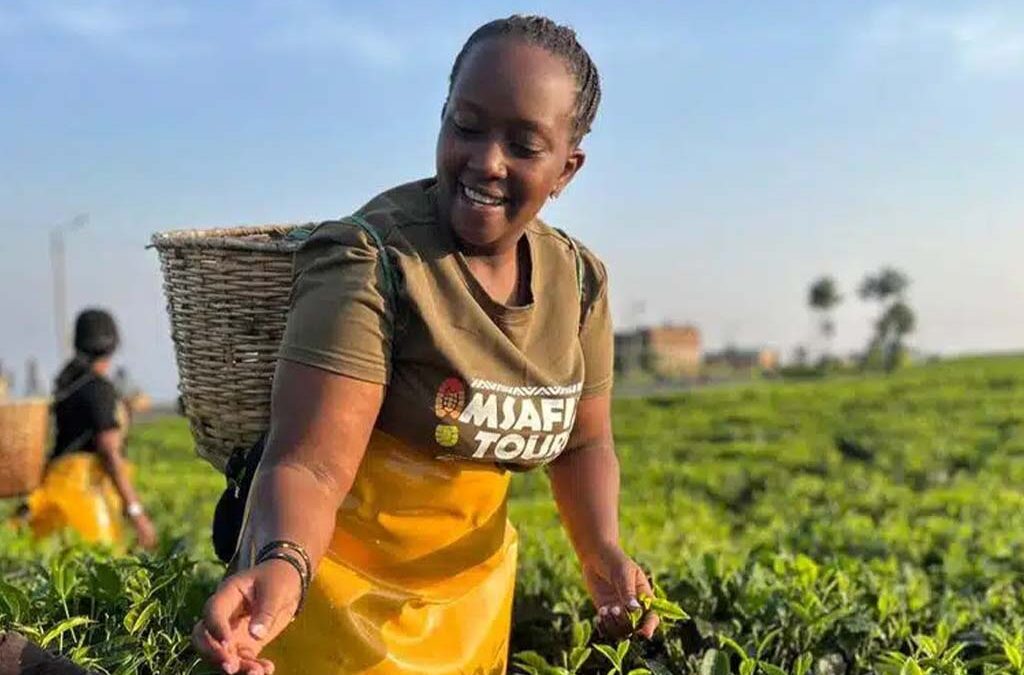
The tea tour experience in Uganda invites travelers into a breathtaking world of rolling green hills, cool mist, and endless tea plantations. In the western and southwestern regions, fertile volcanic soils and a mild high-altitude climate create ideal conditions for tea farming. As you move through these landscapes, you don’t just observe tea production you live it.
Visitors step into an immersive journey that connects agriculture, culture, and scenery. From hand-plucking tea leaves with local farmers to exploring modern processing factories and enjoying guided tea tastings, every moment reveals how Uganda’s tea travels from leaf to cup. Beyond the farms, the experience opens a window into rural life and the deep connection between communities and the land.
Uganda’s Tea Heartland: Western and Southwestern Regions
Uganda’s tea industry thrives mainly in the western and southwestern highlands, where misty mornings and fertile soils shape some of East Africa’s finest tea. These regions offer not only agricultural richness but also some of the country’s most scenic landscapes.
Fort Portal: The Gateway to Tea Country
Fort Portal stands at the center of Uganda’s tea production and is widely recognized as the country’s “Tea Capital.” Here, gently rolling hills stretch toward the dramatic Rwenzori Mountains, creating a stunning backdrop for vast tea estates.
Tea farming in this region blends tradition with modern techniques. Visitors quickly notice how deeply tea cultivation is woven into daily life. Estates here not only produce high-quality tea but also offer educational experiences that highlight every stage of production.
Kahangi Tea Estate and Agro-Tourism Experiences
Kahangi Tea Estate offers a well-rounded agro-tourism experience near Fort Portal and Kibale National Park. Travelers often combine tea tours with chimpanzee trekking, creating a unique mix of agriculture and wildlife adventure.
The estate also connects visitors to Uganda’s broader farming culture. In many cases, guided tours extend to nearby vanilla farms, giving guests a deeper understanding of sustainable agriculture in the region.
Mabale Growers Tea Factory: Community in Action
At Mabale Growers Tea Factory in Kyenjojo District, visitors experience the power of community-driven agriculture. Local farmers work together through a cooperative system that strengthens their position in global tea markets.
As you explore the facility, guides explain how smallholder farmers maintain traditional cultivation practices while adopting modern processing methods. This balance ensures both quality and sustainability.
Mpanga Tea Growers Factory: Where Tradition Meets Innovation
In Kabarole District, Mpanga Tea Growers Factory demonstrates how heritage and technology can work together. Here, visitors observe how carefully picked leaves undergo withering, rolling, oxidation, and drying.
The experience becomes even more meaningful as guides show how modern equipment enhances, rather than replaces, traditional knowledge passed down through generations.
Kiko Tea Estate: A Blend of Heritage and Modern Craft
Kiko Tea Estate, also located in Kabarole District, showcases the evolution of Uganda’s tea industry. The estate combines time-honored farming techniques with efficient modern processing systems.
During guided tours, visitors gain a clear understanding of how quality tea is produced at scale while still preserving craftsmanship and attention to detail.
Southwestern Uganda: Highlands of Exceptional Tea
As you move into southwestern Uganda, the landscape shifts into cooler highlands and terraced hillsides shaped by volcanic soils. These conditions produce teas with distinctive flavors and rich character.
Igara Tea Estate: A Legacy of Cooperative Farming
Igara Tea Estate in Bushenyi District stands as one of Uganda’s most important tea plantations. Managed through a cooperative system, it highlights how community ownership can successfully run large agricultural enterprises.
Visitors not only walk through vast plantations but also participate in tea tasting sessions that reveal how soil, altitude, and climate influence flavor. Each cup tells the story of the land.
Ankole Tea Estate: Distinctive Highland Flavors
Nearby in Bushenyi District, Ankole Tea Estate is known for its rich and unique tea profiles. The volcanic soils and high elevation contribute to a bold and memorable taste.
Guided tastings help visitors compare different brews while learning how natural conditions shape every leaf. The experience is both educational and sensory.
Rubanda Tea Estate: Terraced Beauty of the Kigezi Highlands
Rubanda Tea Estate offers one of the most visually striking tea landscapes in Uganda. Terraced gardens cascade down steep hillsides, forming geometric patterns that blend beauty with agricultural efficiency.
Walking through these terraces, visitors experience both the ingenuity of local farming methods and the breathtaking scenery of the Kigezi Highlands.
Eastern and Central Uganda: Convenient Tea Adventures
For travelers with limited time or those staying near Kampala, Uganda also offers accessible tea tour experiences in the eastern and central regions.
Mount Elgon Tea Slopes: Nature and Agriculture Combined
On the slopes of Mount Elgon, tea estates thrive in cool mountain air. This region is ideal for travelers who want to combine tea tours with hiking and nature walks.
The scenery here is especially rewarding, with sweeping views that stretch across lush valleys and forested slopes.
Kasaku Tea Estate: A Quick Escape from Kampala
Kasaku Tea Estate in Mukono District is only about an hour from Kampala, making it perfect for short day trips. Despite its proximity to the city, it offers a peaceful countryside experience surrounded by green plantations.
Nakigalala Tea Estate: A Peaceful Rural Retreat
Just outside Kampala, Nakigalala Tea Estate provides an easy escape into Uganda’s tea-growing countryside. Guided walking tours allow visitors to relax, learn, and enjoy the calm agricultural environment.
What to Expect on a Tea Tour Experience in Uganda
A tea tour in Uganda goes far beyond sightseeing. It follows the complete journey of tea production, starting from the plantation and ending in the tasting room.
Visitors learn how tea is grown under specific climate conditions and how skilled workers carefully hand-pick the finest leaves. They then follow the production process step by step, observing withering, rolling, oxidation, and drying in action.
As the experience continues, guided walks through plantations offer peaceful moments filled with photography opportunities and storytelling from local guides. These guides often share insights into farming traditions, biodiversity, and the importance of tea to rural livelihoods.
Finally, tea tasting sessions bring everything together. Expert guides help visitors identify subtle differences in flavor, aroma, and strength, explaining how altitude, soil, and processing methods influence every cup.
Planning Your Tea Tour in Uganda
Tea plantations in Uganda welcome visitors throughout the year, but each season offers a different experience. The rainy months from March to May and September to November bring vibrant green landscapes and active harvesting. Meanwhile, the dry seasons from June to September and December to February offer clearer skies and easier travel conditions.
With proper planning, travelers can combine tea tours with wildlife safaris, cultural visits, or hiking adventures. Many experiences can be arranged through trusted operators such as Experiya Tour Company, ensuring smooth itineraries and knowledgeable guides.
A Journey Beyond Tea
A tea tour experience in Uganda is not just about agriculture it is about connection. It connects travelers to landscapes shaped by nature, to communities sustained by the land, and to traditions that continue to thrive in modern times.
Every plantation tells a story. Every cup carries a memory. And every visit leaves travelers with a deeper appreciation of Uganda’s green highlands and the people who bring its tea to life.
