Bwindi’s Unique Selling Point
April 9, 2026
Top Uganda Safari Tours: Unforgettable Wildlife Adventures
April 9, 2026
First-time travelers’ experiences in Rwanda reveal a remarkable African destination that consistently exceeds expectations. Known as the “Land of a Thousand Hills,” Rwanda stands out for its exceptional cleanliness, progressive governance, and deep commitment to conservation.
Over the years, the country has transformed into one of Africa’s most welcoming and well-organized destinations. Travelers enjoy a unique blend of world-class wildlife encounters, rich cultural heritage, and powerful stories of resilience. Moreover, Rwanda’s strong focus on safety, environmental protection, and sustainable tourism makes it especially appealing to first-time visitors to Africa.
From tracking endangered mountain gorillas in misty volcanic forests to exploring vibrant markets in the spotless capital of Kigali, Rwanda offers immersive and transformative experiences that showcase the very best of modern Africa.
Essential Documentation and Entry Requirements
Before traveling, travelers need to understand Rwanda’s entry requirements to ensure smooth and stress-free arrivals.
Visa Procedures and Options
Rwanda makes entry simple and convenient for most travelers. Many obtain visas on arrival at Kigali International Airport for 30 USD, valid for 30 days, eliminating the need for advance applications.
Those planning broader East African adventures often consider the East African Tourist Visa. This visa costs 100 USD and allows multiple entries across Rwanda, Uganda, and Kenya for up to 90 days, making it an excellent option for travelers combining gorilla trekking with classic safaris.
Passport Requirements
Travelers’ passports must remain valid for at least six months beyond their entry dates. This requirement is standard across many African countries, so checking passport validity well in advance is essential.
Health Considerations and Medical Preparation
Proper health preparation ensures safe and enjoyable travel experiences in Rwanda.
Vaccinations and Health Advice
Depending on travelers’ origins and travel histories, they may need to present yellow fever vaccination certificates, especially when arriving from high-risk countries.
Health experts also recommend vaccinations for Hepatitis A, Typhoid, and Tetanus (Tdap booster). Travelers are encouraged to consult travel health specialists at least six to eight weeks before departure.
Malaria Prevention
Malaria is present in Rwanda, so travelers take preventive measures seriously. These include taking prescribed antimalarial medications, wearing long-sleeved clothing in the evenings, applying insect repellent, and sleeping under mosquito nets where necessary.
Altitude Awareness
Rwanda’s mountainous terrain can affect some travelers, particularly during gorilla trekking experiences. Staying well hydrated, ascending gradually where possible, and monitoring symptoms such as headaches or fatigue help minimize discomfort.
Cultural Standards and Environmental Policies
Rwanda’s progressive policies and strong cultural values shape respectful and enriching travel experiences.
Environmental Responsibility
Rwanda is globally recognized for its cleanliness. A nationwide plastic bag ban is strictly enforced, including at entry points, where officials may confiscate plastic bags. Travelers are encouraged to carry reusable alternatives.
Community Engagement: Umuganda
On the last Saturday of every month, from 8 AM to 12 PM, Rwanda observes Umuganda, a nationwide community service initiative. During this time, businesses close and travel is restricted, so travelers plan their itineraries accordingly and may observe or respectfully participate.
Cultural Etiquette
Rwandan culture emphasizes respect and community harmony. Travelers often greet people with handshakes, learn basic phrases such as “Muraho,” and dress modestly, particularly in rural areas. Asking permission before photographing individuals remains an important sign of respect.
Financial Systems and Payment Methods
Understanding Rwanda’s financial systems helps travelers manage their budgets effectively.
The local currency is the Rwandan Franc. While major hotels and restaurants in Kigali accept credit cards, travelers rely on cash for smaller businesses and rural areas. ATMs are widely available in Kigali and major towns, and currency exchange services at airports and banks offer competitive rates. US dollars are also commonly accepted in tourism settings.
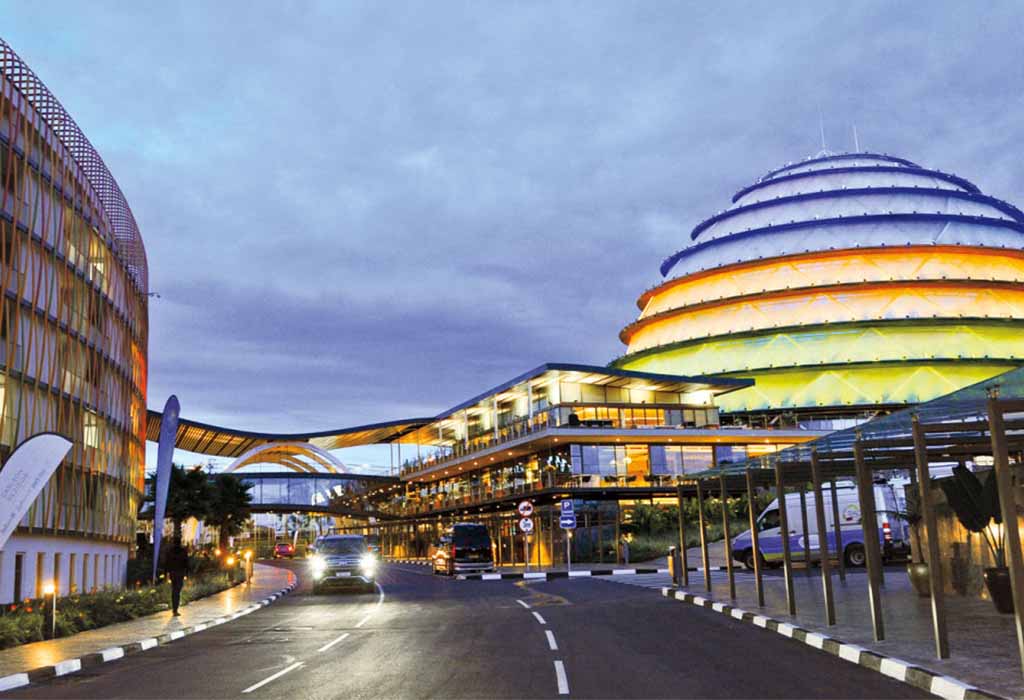
Kigali: A Gateway to Rwanda
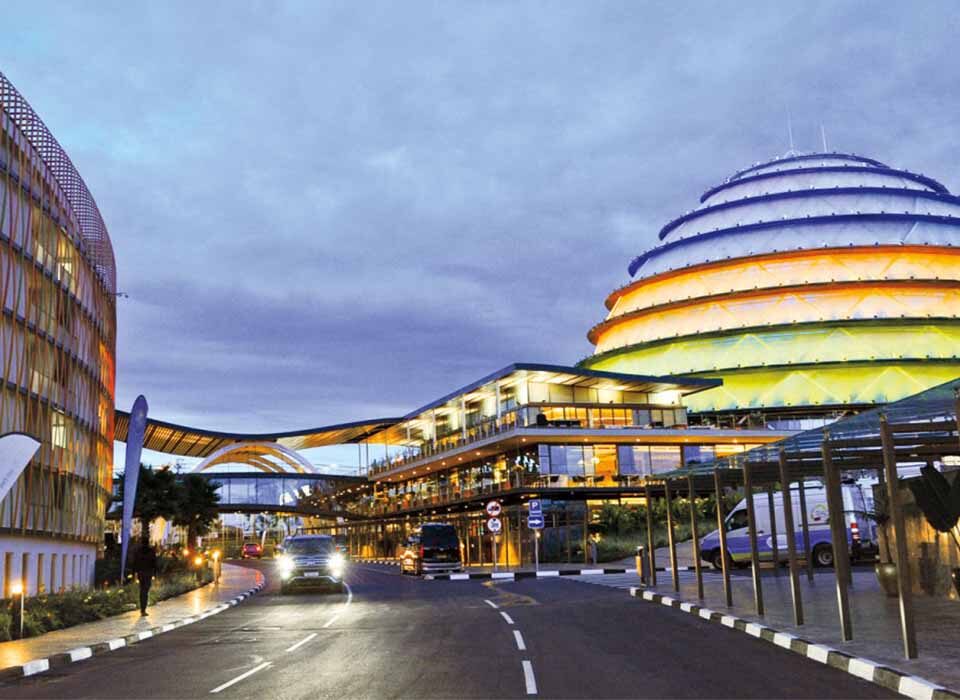
Kigali provides a powerful introduction to Rwanda’s past, present, and future.
Historical Insight
The Kigali Genocide Memorial offers travelers a deeply moving and educational experience. Although emotionally intense, it plays a crucial role in understanding Rwanda’s history and its journey toward unity and reconciliation.
Cultural Experiences
Travelers visiting Kimironko Market experience local life through fresh produce, vibrant fabrics, and handcrafted goods. At the Niyo Arts Center, they explore contemporary creativity through exhibitions, music, and performances.
The Nyamirambo Women’s Center provides guided walking tours that combine cultural exchanges with traditional cooking experiences while supporting women’s empowerment initiatives.
Premier Wildlife and Nature Experiences
Despite its small size, Rwanda delivers extraordinary wildlife encounters for travelers.
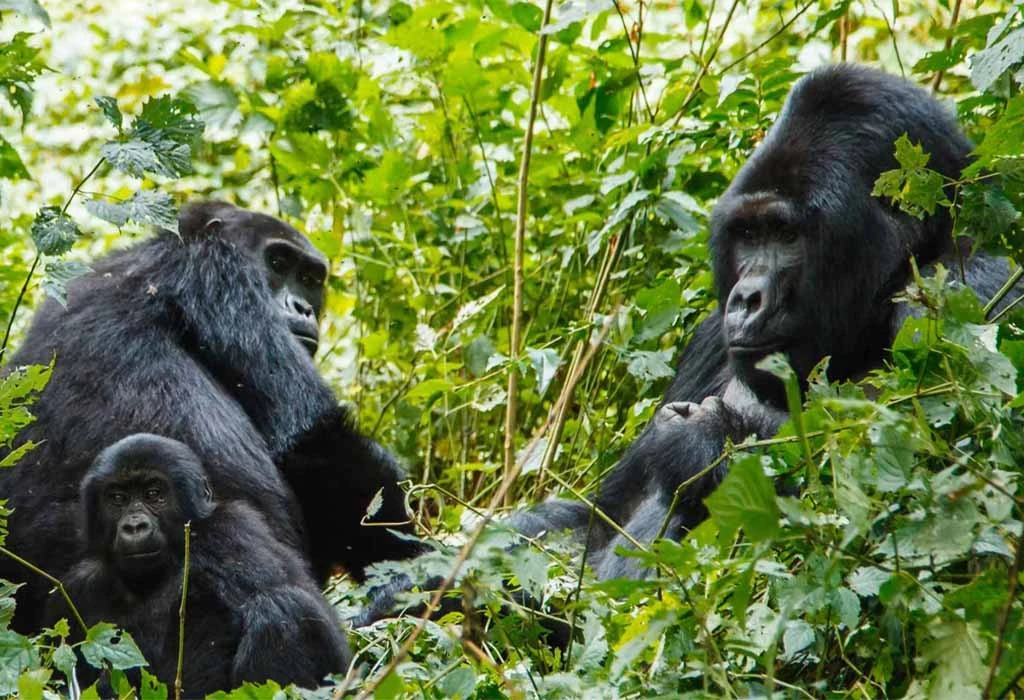
Mountain Gorilla Trekking
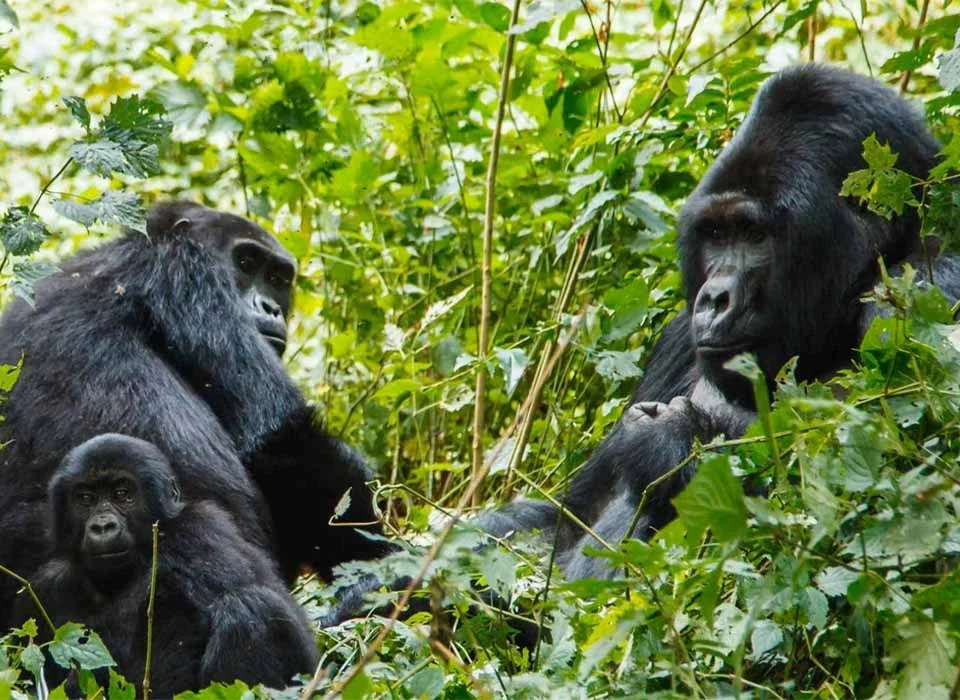
Volcanoes National Park offers one of the most profound wildlife experiences in the world. Travelers secure permits, typically priced at 1,500 USD per person, and often book them months in advance. Although the trek can be physically demanding, the reward of spending time with mountain gorillas remains unforgettable.
Travelers prepare with proper gear such as waterproof hiking boots, long clothing, rain jackets, gloves for navigating vegetation, and daypacks with sufficient water.
Classic Safari in Akagera
Akagera National Park provides travelers with classic African safari experiences, including sightings of the Big Five. Game drives, boat safaris, and night drives offer diverse wildlife encounters.
Nyungwe Forest Adventures
In Nyungwe Forest National Park, travelers track chimpanzees and walk along the canopy walkway, enjoying breathtaking views over ancient rainforest landscapes.
Relaxation at Lake Kivu
After adventurous activities, travelers unwind at Lake Kivu. The lakeside town of Gisenyi offers peaceful beaches, boat rides, and scenic views, creating ideal settings for relaxation.
Essential Packing Tips
Packing smartly ensures comfort throughout travelers’ journeys.
For Trekking
Travelers carry waterproof boots, rain jackets, long clothing, gloves, insect repellent, daypacks, and reusable water bottles to stay prepared in forest environments.
General Travel
For general travel, they pack light clothing for warm days, jackets or sweaters for cool evenings, and reusable shopping bags to comply with Rwanda’s plastic ban.
Why Rwanda is Perfect for First-Time Travelers
Rwanda stands out as an ideal destination for first-time travelers to Africa, offering a balance of exceptional wildlife, vibrant culture, and sustainability.
It is also considered one of the safest countries on the continent, giving travelers peace of mind alongside adventure. Many arrive with curiosity and leave with a deep appreciation for Rwanda’s beauty, resilience, and forward-thinking vision.
Ultimately, Rwanda does more than meet expectations; it transforms them into lasting, meaningful travel experiences.