Celebrating Your Wedding Anniversary with Gorilla Trekking in Bwindi
April 9, 2026
Bwindi’s Unique Selling Point
April 9, 2026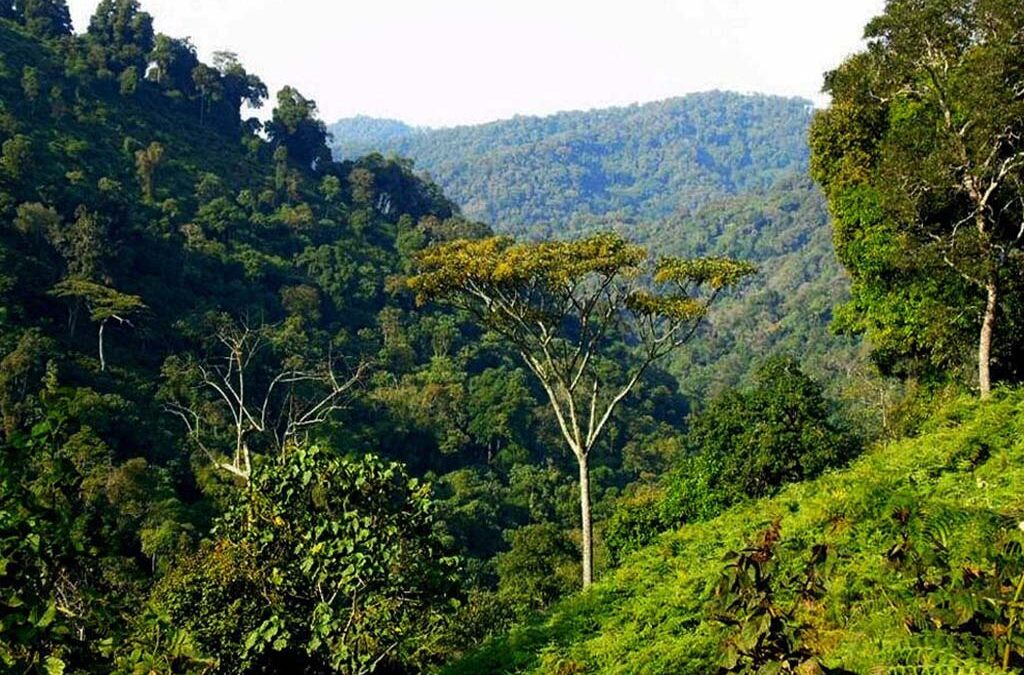
Standing at the edge of Bwindi Impenetrable National Park for the first time, I immediately understood that its name is no exaggeration. This is not just a forest, it is a living, breathing labyrinth. The question of why Bwindi is called “impenetrable” unfolds through its dense vegetation, rugged terrain, deep darkness, and hidden wetlands, all of which combine to create one of Africa’s most formidable wilderness areas.
The Meaning Behind the Name
To begin with, the name “Bwindi” originates from the Runyakitara word Mubwindi, meaning “a place full of darkness.” This translation perfectly captures the forest’s mysterious atmosphere. Even at midday, sunlight barely filters through the thick canopy, leaving much of the forest floor in a dim, almost dreamlike state.
Over generations, local communities have come to respect and sometimes fear this forest. They have passed down stories describing how easily one can lose direction inside it. As a result, the term “impenetrable” is not just descriptive; it reflects centuries of real human experience with a landscape that resists easy passage.
Dense Vegetation: A Natural Barrier
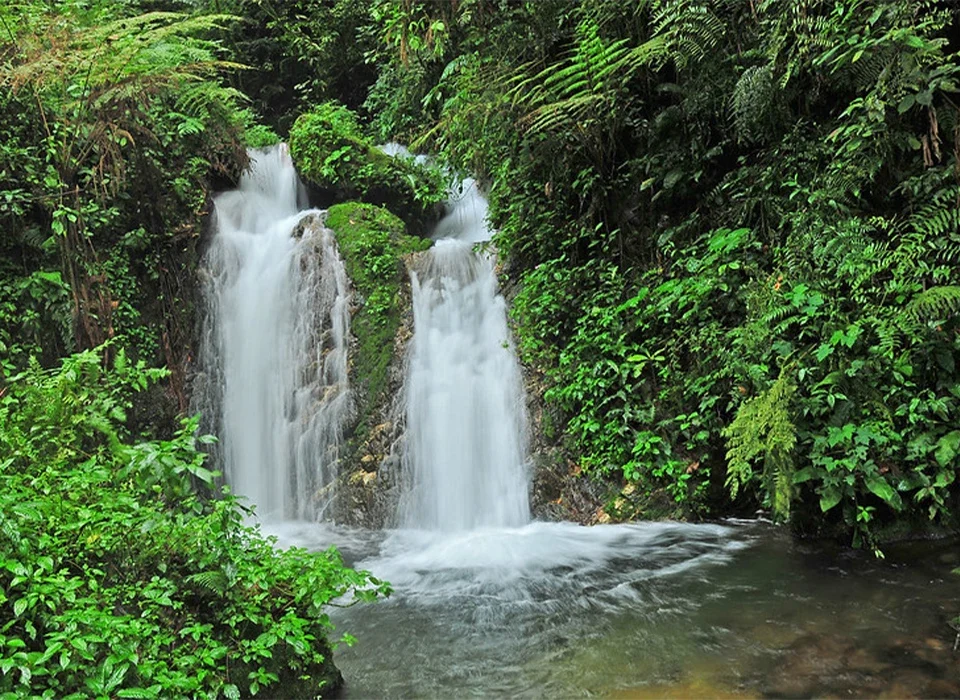
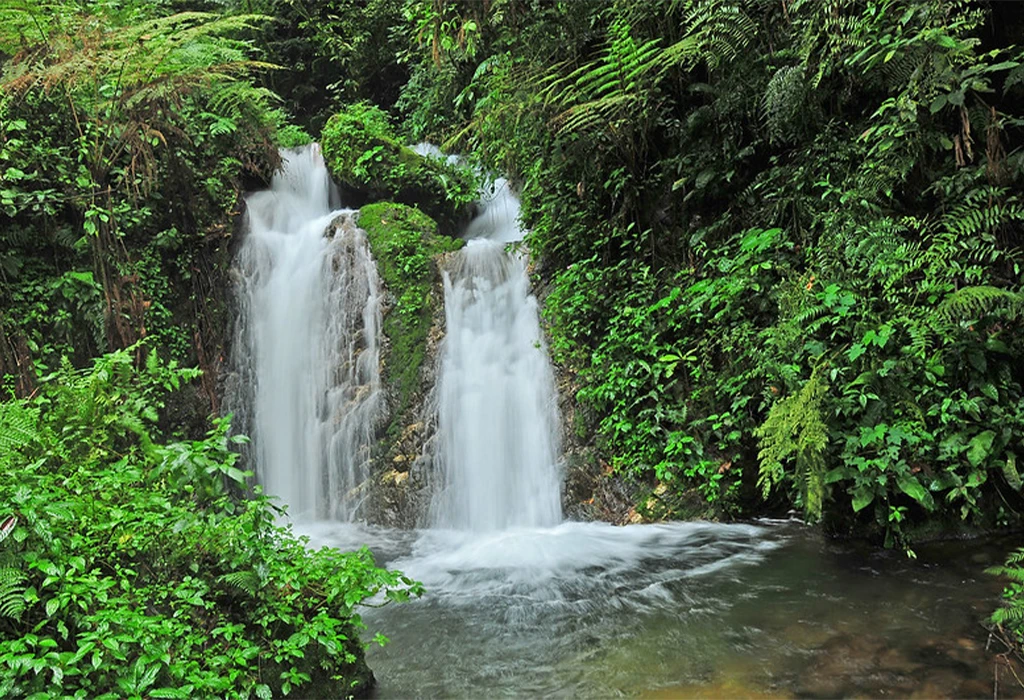
As I ventured deeper, the vegetation quickly proved why movement here is anything but simple. Thick undergrowth blocks your path at nearly every step. Ferns stretch across narrow clearings, while tangled vines wrap themselves around trees and shrubs like nature’s own net.
In addition, dense bamboo thickets form towering walls that can extend for long distances. These clusters grow so tightly that pushing through them feels nearly impossible without a machete or a guide who knows the trails.
Above it all, massive hardwood trees rise more than 40 meters high, creating multiple layers of canopy. Every branch seems covered in moss, orchids, and ferns. Together, this vegetation forms a continuous barrier from the ground to the treetops, making off-trail movement incredibly difficult.
Rugged Terrain: A Constant Challenge
Beyond the vegetation, the terrain itself presents another level of difficulty. Bwindi lies within the Albertine Rift, which means the landscape constantly rises and falls in steep ridges and deep valleys.
While trekking, I found that slopes can become dangerously slippery, especially after rain. In many places, the ground drops sharply without warning, hidden beneath layers of leaves and roots. Even short distances can feel exhausting due to the constant climbing and descending.
Moreover, the ridges offer little relief. Thick vegetation limits visibility, and the ever-changing elevation makes it easy to lose your sense of direction. Without a guide, navigating this terrain would be extremely risky.
A Forest of Perpetual Twilight
Another striking feature is the darkness. In some parts of Bwindi, less than two percent of sunlight reaches the forest floor. As a result, the environment feels like a permanent twilight zone.
This low light does more than reduce visibility; it alters how you experience the forest. Sounds seem muted or distorted, and distances become difficult to judge. At times, I found myself second-guessing what I saw, as shadows and light played tricks on my eyes.
Consequently, even experienced trekkers must stay alert. The forest constantly shifts in appearance depending on the light, making familiar paths look unfamiliar within minutes.
Swamps and Hidden Obstacles
Just when the terrain seems manageable, Bwindi introduces another challenge: wetlands. Swampy areas often appear unexpectedly, turning a straightforward walk into a careful navigation exercise.
The mud can be deep and sticky, slowing every step and draining energy quickly. In addition, thick reeds and thorny plants grow around these wetlands, creating natural barriers that are difficult to bypass.
Seasonal changes make these areas even more unpredictable. A dry path today may become a muddy obstacle tomorrow, adding to the forest’s ever-changing and impenetrable nature.
Nature’s Own Conservation Fortress
Interestingly, all these challenges serve a greater purpose. Bwindi’s impenetrable character has protected it from extensive human interference for centuries. Because of this, the forest remains one of the most biodiverse ecosystems in Africa.
Most importantly, it provides a safe haven for nearly half of the world’s remaining mountain gorillas. The same dense vegetation and rugged terrain that challenge humans offer these endangered primates a natural shield from threats.
As I reflected on the experience, it became clear that Bwindi’s difficulty is its greatest strength. Its barriers have preserved a world that feels untouched, raw, ancient, and incredibly alive.
Final Thoughts
Ultimately, Bwindi is called “impenetrable” because it truly earns the name. From its thick vegetation and steep terrain to its shadowy depths and hidden swamps, every element works together to resist easy access.
Yet, for those willing to step into its depths with patience and guidance, Bwindi reveals something extraordinary. It is not just a forest you pass through; it is a place you experience, challenge, and remember long after you leave.