Queen Elizabeth National Park Safari: An Unforgettable Ugandan Adventure
April 1, 2026
Where to See Big Cats on a Uganda Safari
April 2, 2026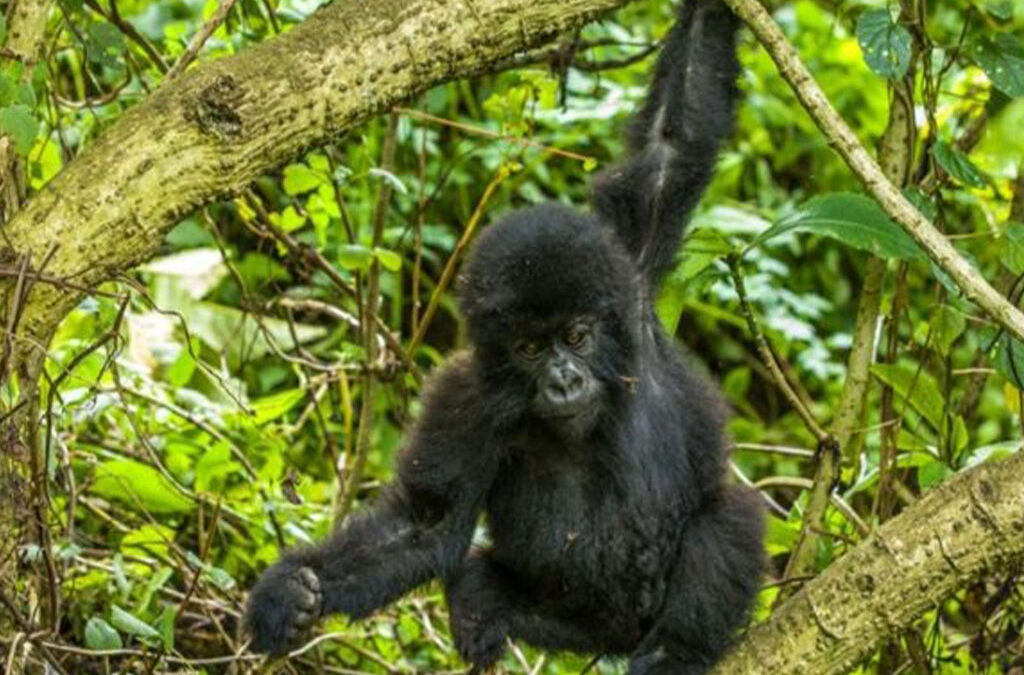
Gorilla trekking in Rwanda stands out for its rare blend of accessibility, conservation excellence, and deeply moving wildlife encounters. The country has intentionally shaped its gorilla tourism into a premium, well-organized experience that allows travelers to connect with one of humanity’s closest relatives while directly supporting conservation.
More importantly, Rwanda’s commitment goes beyond protecting wildlife. It actively supports local communities, funds scientific research, and promotes sustainable tourism. As a result, travelers don’t just visit they contribute to a proven conservation success story. For anyone seeking convenience, meaningful impact, and unforgettable moments, Rwanda delivers a truly complete experience.
Unmatched Convenience and Accessibility
One of Rwanda’s greatest advantages is how easy it is to reach the gorillas. Volcanoes National Park, the only place for gorilla trekking in the country, lies just two to three hours from Kigali International Airport along smooth, well-maintained roads.
Because of this proximity, travelers can arrive in Kigali in the morning and reach their lodge near the park by afternoon. The next day, they can trek gorillas without long, exhausting transfers. In fact, even those with limited time can enjoy a full gorilla trekking experience within a short two- or three-day itinerary.
By contrast, reaching Uganda’s Bwindi Impenetrable National Park often requires a long 9–10 hour road journey or a domestic flight. Similarly, while Congo’s Virunga National Park is geographically close, it presents logistical and security challenges. Therefore, Rwanda clearly leads in terms of ease and efficiency.
Additionally, the scenic drive to Volcanoes National Park enhances the experience. Travelers pass through rolling hills, terraced farms, and vibrant villages, offering a beautiful introduction to Rwanda’s landscape. This smooth journey especially benefits families, older travelers, and business visitors who want to combine work with adventure.
At the same time, Kigali adds another dimension to the trip. The city is clean, safe, and modern, with excellent restaurants, cultural sites, and the moving Genocide Memorial. As a result, visitors can easily combine wildlife encounters with cultural exploration, creating a richer overall journey.
Exceptional Organization and Professional Management
Rwanda has refined gorilla trekking into a seamless and highly professional experience. From arrival to the actual trek, every step runs efficiently while prioritizing both visitor comfort and gorilla safety.
Each morning begins with a structured briefing at the park headquarters in Kinigi. Here, experienced guides explain trekking rules, safety measures, and what to expect. Afterward, staff place visitors into small groups of no more than eight people and assign each group a specific gorilla family based on fitness levels and preferences.
Meanwhile, trackers head into the park early to locate the gorillas and communicate their position to guides via radio. This coordination reduces trekking time and increases the chances of a successful encounter.
As the trek begins, skilled guides lead visitors through the forest, ensuring safety and sharing insights along the way. In addition, local porters are available to assist with carrying bags and navigating challenging terrain. Their support not only makes the trek easier but also provides vital income for nearby communities.
Because of this level of organization, travelers feel confident, safe, and fully immersed in the experience from start to finish.
Transformative Conservation Impact
Gorilla trekking in Rwanda is not just a personal adventure it directly supports one of the world’s most successful conservation models. Every visit contributes to protecting mountain gorillas and improving the lives of surrounding communities.
A significant portion of the $1,500 permit fee goes straight into conservation efforts. These funds support anti-poaching patrols, veterinary care for injured gorillas, habitat restoration, and ongoing research. Organizations like the Dian Fossey Gorilla Fund also benefit, advancing scientific understanding and protection strategies.
At the same time, Rwanda prioritizes community involvement. The government allocates 10 percent of permit revenue to local development projects. These funds build schools, improve healthcare, expand clean water access, and develop infrastructure.
As a result, communities see clear benefits from conservation. Instead of viewing gorillas as a threat, they recognize them as valuable assets. This shift in perspective plays a critical role in long-term protection.
Furthermore, tourism creates widespread employment. Rangers, guides, porters, lodge staff, and artisans all depend on gorilla tourism for income. Consequently, thousands of families directly benefit, strengthening the connection between conservation and livelihoods.
Over time, this model has produced measurable success. Mountain gorilla populations continue to grow, proving that sustainable tourism and community engagement can work together effectively.
Profound, Life-Changing Encounters
Despite all the logistics and conservation efforts, the highlight remains the one hour spent with a gorilla family. This moment often becomes the most powerful part of the entire journey.
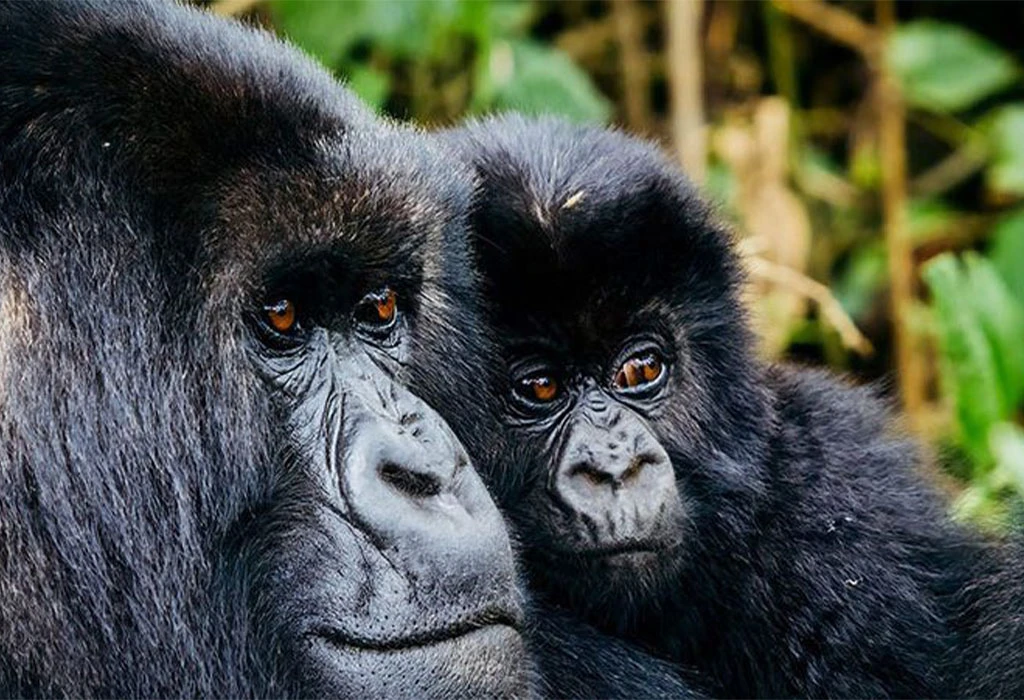
Humans share about 98 percent of their DNA with mountain gorillas. Because of this, their behavior feels strikingly familiar. Visitors watch silverbacks protect their families, mothers care for infants, and young gorillas play with curiosity and energy.
In many cases, the emotional connection is immediate. Eye contact with a gorilla or observing a quiet family interaction can feel deeply personal and unforgettable.
Interestingly, the strict rules such as maintaining a safe distance enhance the experience rather than limit it. They encourage mindfulness and allow visitors to fully absorb each moment without distraction.
Many travelers describe this encounter as life-changing, not just because of its rarity, but because of the emotional depth it creates.
A Complete and Meaningful Experience
Ultimately, Rwanda’s gorilla trekking stands out because it excels in every aspect. It offers unmatched accessibility, smooth organization, real conservation impact, and deeply moving wildlife encounters.
Moreover, when you choose Rwanda with Experiya Tour Company, you gain more than just a safari. You become part of a conservation success story while enjoying a well-curated and stress-free journey.
Although the cost may seem high, the value goes far beyond the experience itself. Your visit helps protect endangered gorillas, supports local communities, and promotes sustainable tourism.
In the end, gorilla trekking in Rwanda is not just a trip it is a meaningful investment in wildlife, people, and the future of conservation.