
Steps to Follow While Booking a Uganda Safari
March 28, 2026
What May Stop You From Seeing Chimpanzees in Uganda and Rwanda
March 28, 2026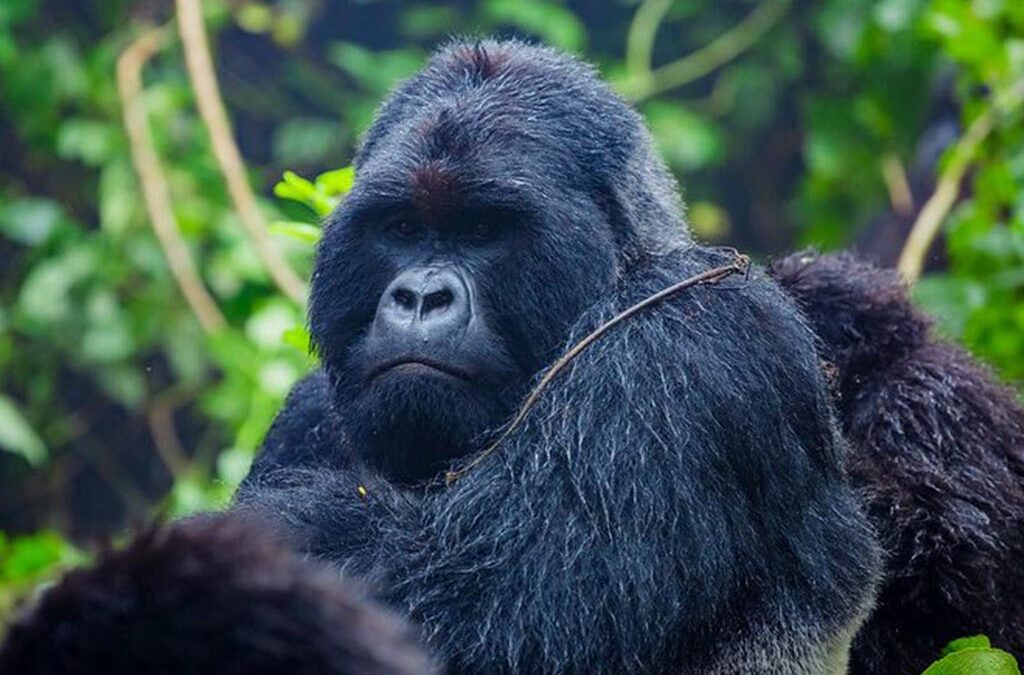
If you plan to see mountain gorillas in the wild, one thing is non-negotiable: a gorilla trekking permit. This is not just a ticket or a simple booking formality. It is a legal document issued by a national wildlife authority that gives you official permission to enter a protected forest and visit a habituated gorilla family.
Without it, you will not be allowed into the park. Rangers check permits at the gate every day, and anyone without one is turned away immediately. But the permit is much more than a pass. It is the foundation of a conservation system that has helped keep mountain gorillas alive.
Understanding why this permit exists changes how you see the experience. It is not only about your one hour with the gorillas. It is about protecting a species, supporting communities, and ensuring that future generations can stand in the same forests and witness the same moment.
A Direct Investment in Gorilla Conservation
The most important role of the permit is funding conservation. A large portion of every permit fee goes directly into protecting mountain gorillas and their habitat. This funding keeps conservation efforts running every single day.
It supports anti-poaching patrols, where trained and often armed rangers move through the forest to remove traps and stop illegal activities. It pays for veterinary teams that monitor gorilla health and respond quickly when an animal is injured or falls sick. These interventions have saved countless gorillas over the years.
The money also protects the forest itself. Conservation teams work to preserve and restore habitat, ensuring that gorillas have enough space and food to thrive. Researchers also rely on this funding to study gorilla behavior, track population changes, and improve conservation strategies.
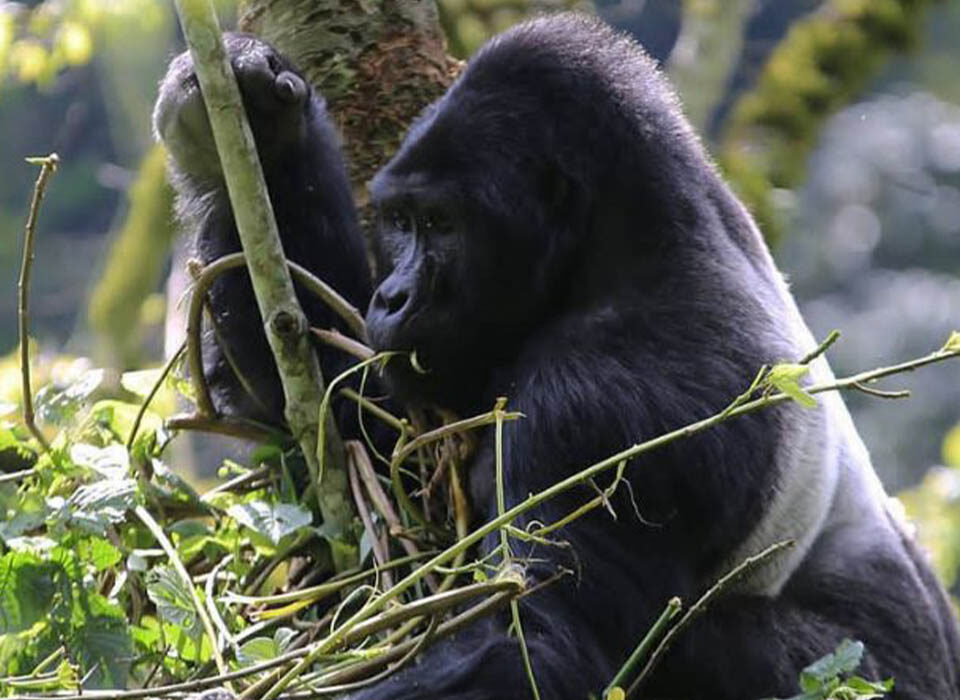
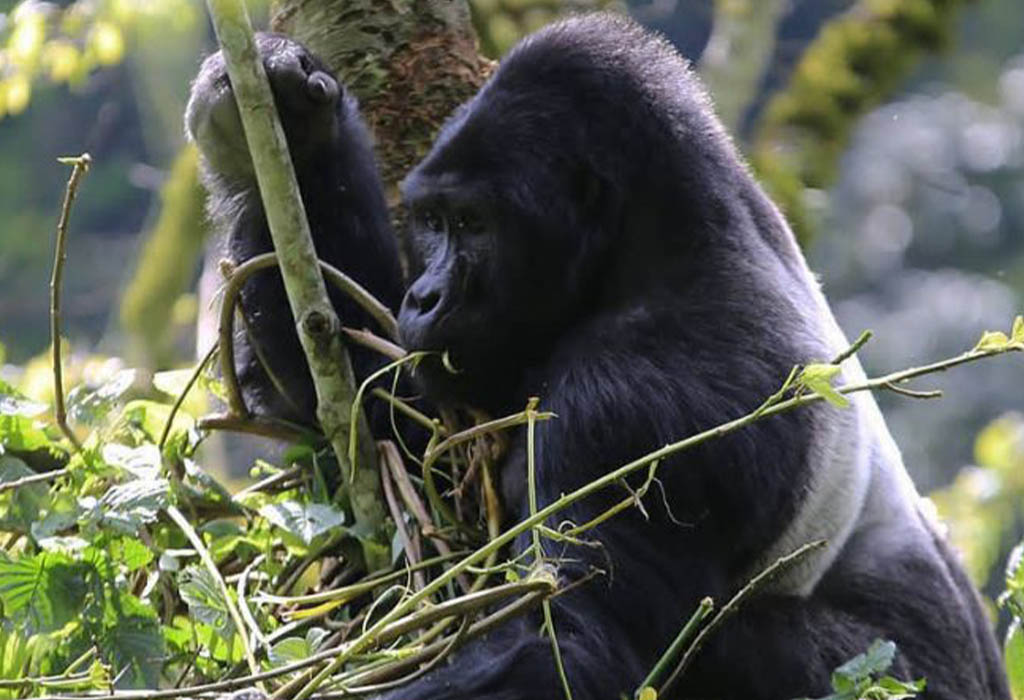
Mountain gorillas remain one of the rarest primates on Earth, with just over 1,000 individuals left in the wild. They survive only in a small region spanning Uganda, Rwanda, and the Democratic Republic of Congo. Without consistent funding, conservation efforts would slow down or stop altogether. The permit system provides the steady financial support that keeps this work alive.
When you buy a permit, you are not just paying for an experience. You are directly contributing to the survival of an endangered species.
Controlling Visitor Numbers to Protect Gorillas
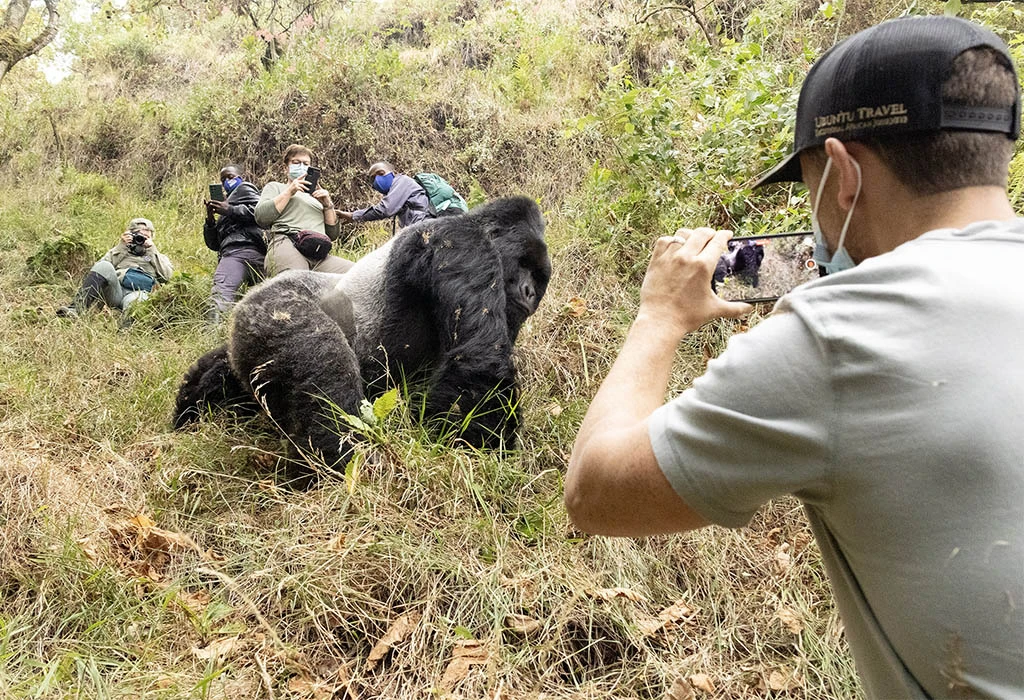
Another critical purpose of the permit is to limit how many people visit the gorillas each day. Only eight visitors are allowed to see a single habituated gorilla group per day. This rule is strict, and the permit system is what makes it possible to enforce it.
At first, this number may seem small. However, it is based on years of research and careful observation. Gorillas are highly intelligent and sensitive animals. Large groups of people can cause stress, disrupt their natural behavior, and affect their social structure.
Keeping visitor numbers low allows gorillas to remain calm and continue their daily routines with minimal disturbance. It ensures that your presence feels like a quiet visit rather than an overwhelming intrusion.
This limit also protects the quality of your experience. With fewer people, you get a more intimate and meaningful encounter. You can observe the gorillas closely, hear their movements in the forest, and truly connect with the moment.
Reducing the Risk of Disease Transmission
One of the biggest threats to mountain gorillas is something you might not expect: human illness. Gorillas share about 98 percent of their DNA with humans, which makes them highly vulnerable to many of the same diseases.
A simple cold, flu, or respiratory infection can spread quickly among a gorilla family and become life-threatening. Because these animals live in close-knit groups, illness can move through them rapidly.
The permit system helps reduce this risk by controlling access and enforcing strict health guidelines. Before trekking, visitors are screened, and anyone who appears sick can be denied entry. While this may feel disappointing in the moment, it is a necessary measure to protect the gorillas.
During the trek, rangers also enforce rules such as maintaining a safe distance, avoiding direct contact, and minimizing noise. These guidelines are not optional. They are part of a carefully designed system to keep both visitors and gorillas safe.
Supporting Local Communities
The impact of a gorilla trekking permit extends beyond the forest. A portion of the revenue goes directly to communities living near the national parks. These communities play a vital role in conservation.
In the past, some local residents viewed gorillas as a threat, especially when the animals wandered into farmland and damaged crops. Conservation efforts struggled in areas where people did not see any benefit from protecting wildlife.
The introduction of revenue sharing changed this dynamic. Today, funds from permits help build schools, improve healthcare services, and support community development projects. Roads, clean water systems, and local businesses have all benefited from tourism revenue.
As a result, communities now have a strong incentive to protect gorillas and their habitat. Many residents work as guides, trackers, porters, or lodge staff, earning income directly from tourism. Others participate in cultural tourism experiences that visitors can enjoy alongside trekking.
This shift has turned local communities into active partners in conservation. When people see real benefits, they become more committed to protecting the wildlife around them.
Ensuring Your Safety in the Forest
Gorilla trekking is an adventure that takes you deep into dense and often challenging terrain. The forest can be steep, muddy, and unpredictable. Without proper guidance, it would be difficult and unsafe to navigate.
Your permit includes the services of experienced rangers and trackers who accompany you throughout the trek. These professionals know the forest intimately. They understand gorilla behavior, track their movements, and ensure that each group finds its assigned family.
They also provide safety. While gorillas are generally gentle, they are still powerful wild animals. Rangers know how to read their behavior and manage interactions to keep everyone calm and secure.
In addition, the forest is home to other wildlife, and conditions can change quickly. Rangers are trained to handle unexpected situations, giving you peace of mind as you focus on the experience.
Their role goes beyond safety. They also guide you on how to behave around the gorillas, helping you respect the rules that protect these animals.
Understanding Permit Costs and Booking
Permit prices vary depending on the country you choose to visit. Each destination offers a slightly different experience, shaped by infrastructure, accessibility, and conservation investment.
In Uganda, a permit currently costs around 800 US dollars for foreign non-residents. Rwanda charges approximately 1,500 US dollars, while permits in the Democratic Republic of Congo are generally more affordable at around 400 US dollars.
These prices may seem high at first glance. However, when you consider everything included, conservation funding, community support, ranger services, and a once-in-a-lifetime wildlife encounter, the value becomes clear.
Demand for permits is high throughout the year, especially during peak travel seasons from June to September and December to February. Because of this, it is important to book well in advance. Most travelers secure their permits three to six months before their planned trek.
Availability is limited by design. This ensures that tourism remains sustainable and does not overwhelm the gorillas or their environment.
More Than Just a Permit
A gorilla trekking permit is your gateway to one of the most powerful wildlife experiences on Earth. Standing a few meters away from a mountain gorilla, watching it move, feed, or care for its young, is something that stays with you forever.
But the permit represents something deeper. It is a commitment to conservation. It is a contribution to communities. It is a system that balances tourism with protection in one of the most fragile ecosystems in the world.
When you hold that permit, you are not just a visitor. You become part of a global effort to ensure that mountain gorillas continue to exist, not only today but for generations to come.