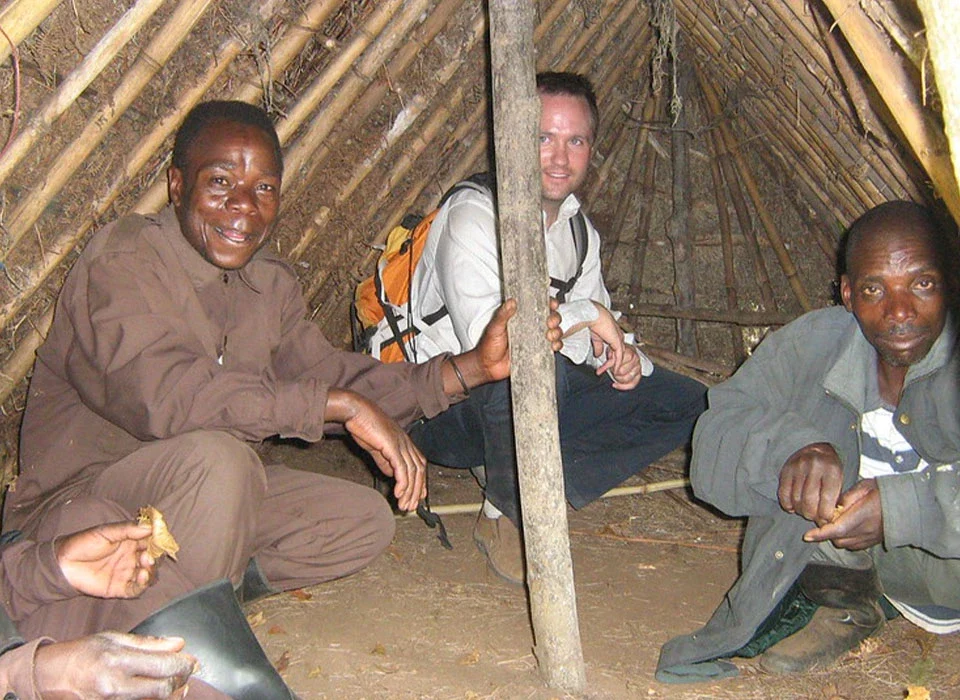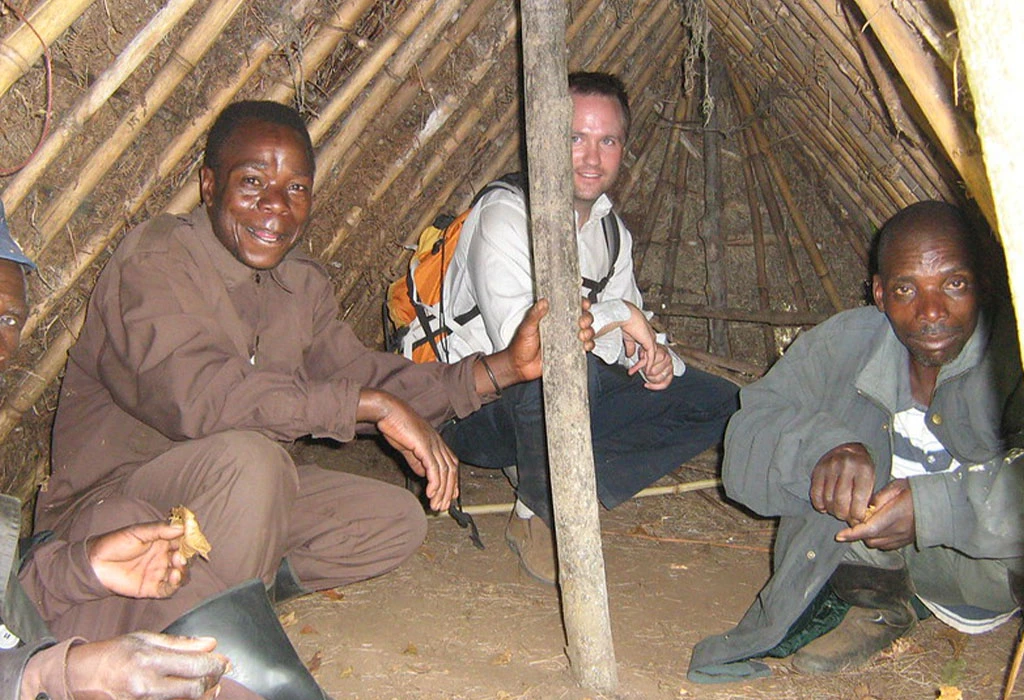
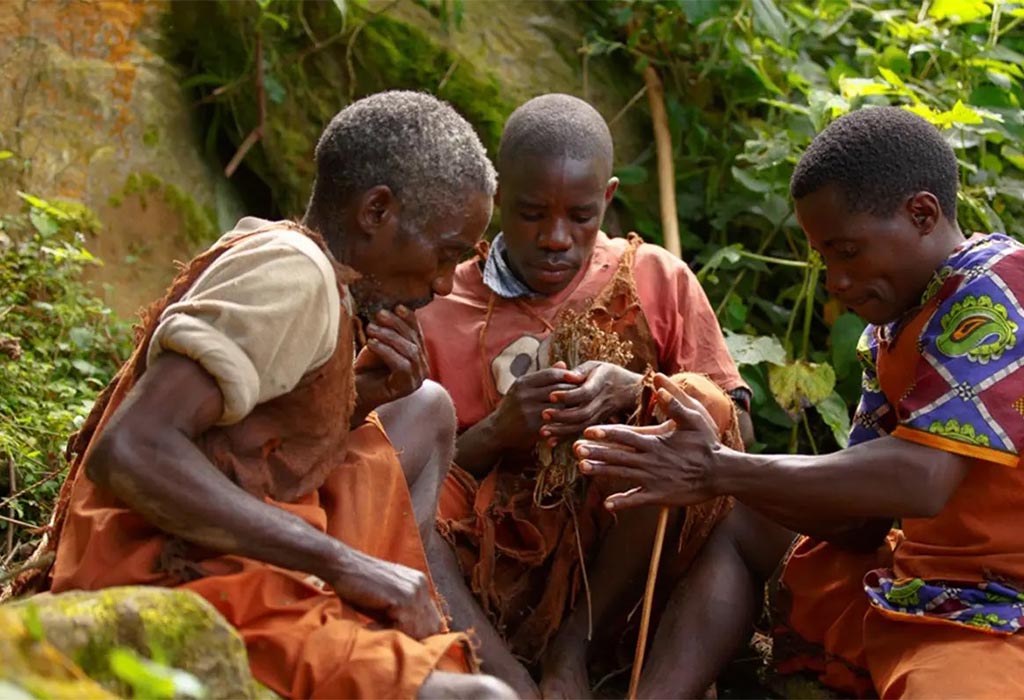
Communities Around Bwindi National Park
March 28, 2026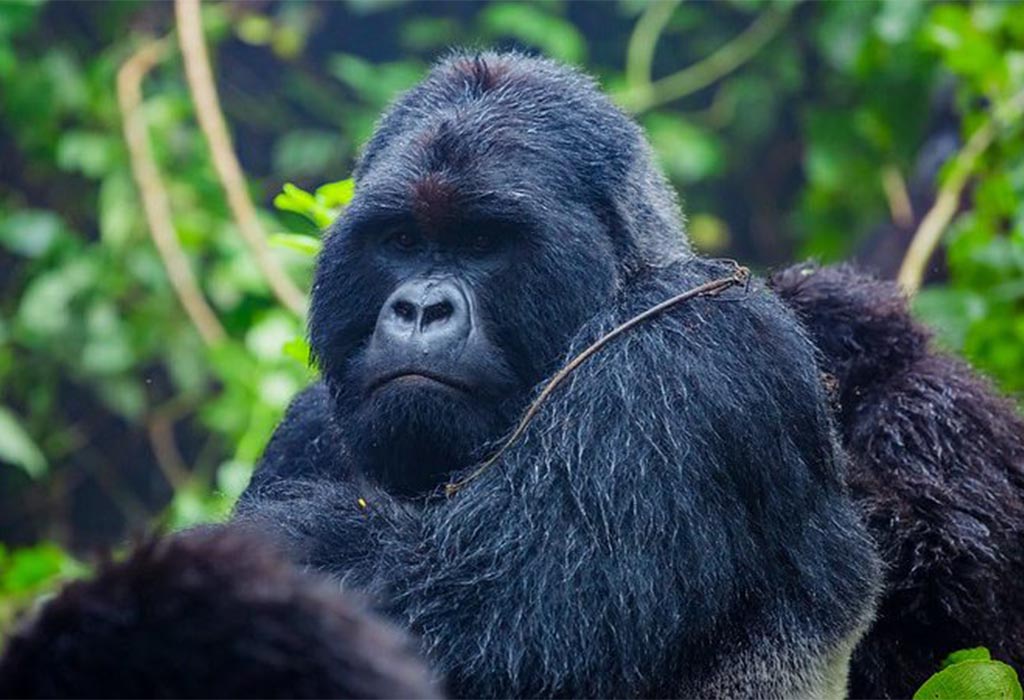
Why You Need a Gorilla Trekking Permit
March 28, 2026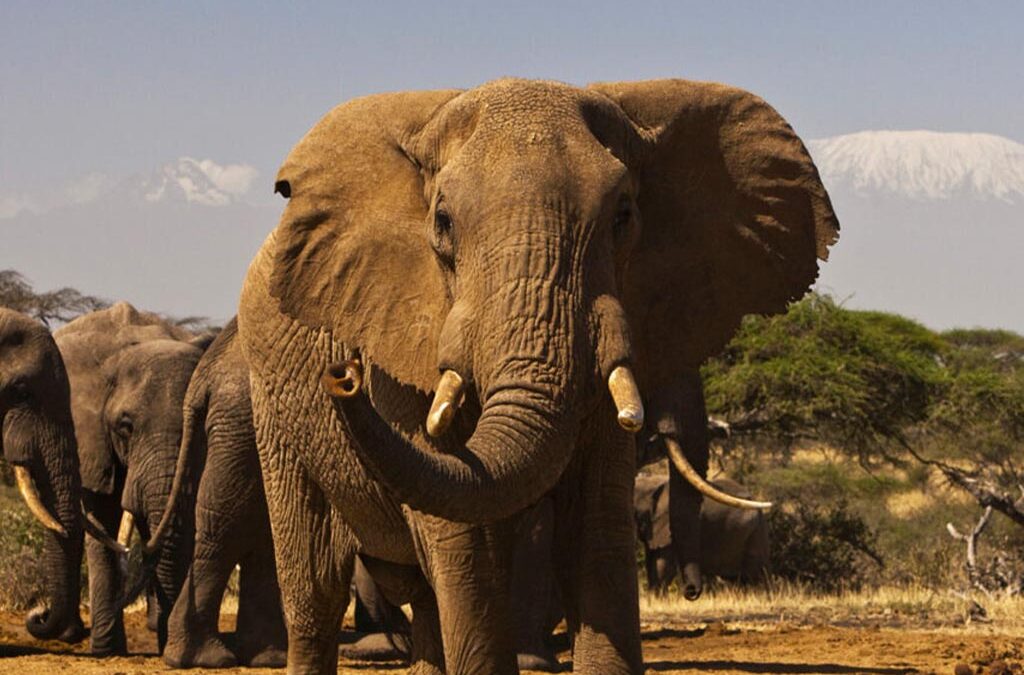
Uganda stands out as one of Africa’s most rewarding safari destinations. From mountain gorillas hidden deep in ancient rainforests to lions resting along the banks of the Nile, the country delivers an incredibly diverse wildlife experience within a relatively small area. However, booking a Uganda safari requires more than simply choosing dates and making a payment. It involves careful planning, informed decisions, and working with the right professionals.
If you approach the process correctly, your journey becomes seamless and deeply fulfilling. The following step-by-step guide will help you plan your Uganda safari with confidence and clarity.
Step 1: Decide What You Want to See and Do
To begin with, take time to define what you truly want from your safari. This is the foundation of your entire trip. Uganda offers a unique blend of experiences, but they generally fall into two main categories: primate tracking and classic wildlife safaris.
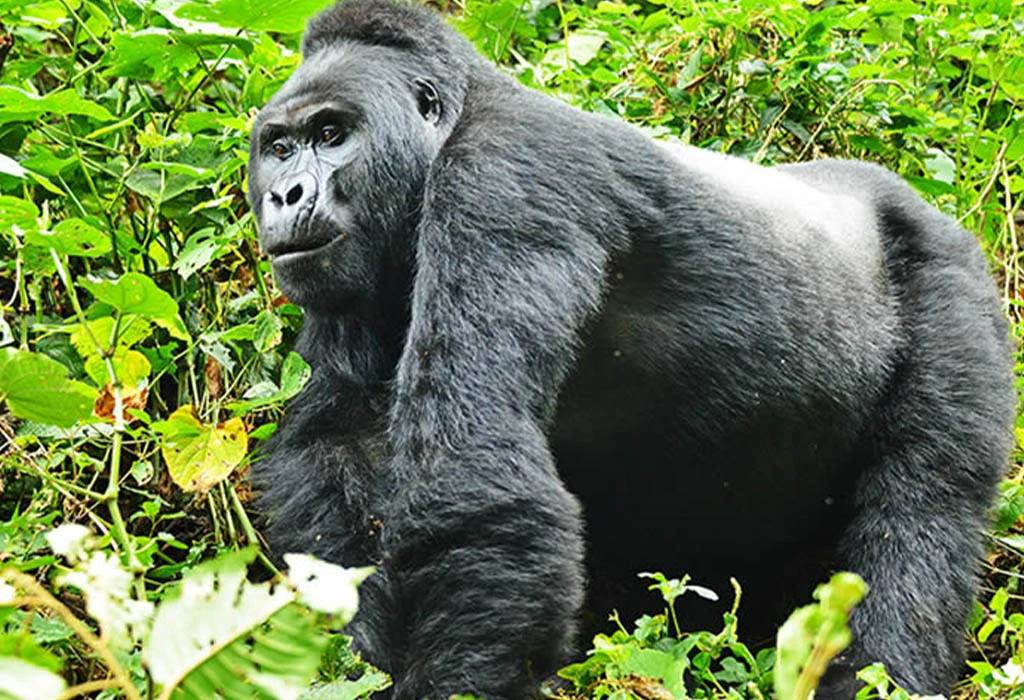
If your dream is to encounter primates, Uganda is unmatched. The country is home to nearly half of the world’s remaining mountain gorillas, found in Bwindi Impenetrable National Park and Mgahinga Gorilla National Park. In addition, Kibale National Park offers one of the best chimpanzee trekking experiences in Africa. These encounters are immersive, physically engaging, and incredibly personal.
On the other hand, if you prefer traditional game drives, Uganda still delivers exceptional wildlife viewing. Murchison Falls National Park offers sightings of elephants, giraffes, lions, and crocodiles along the Nile. Similarly, Queen Elizabeth National Park is famous for its tree-climbing lions and diverse ecosystems.
Equally important, decide how you want to travel. A private safari gives you complete control over your itinerary, allowing you to move at your own pace. In contrast, group tours provide a more budget-friendly option and create opportunities to meet other travelers.
When it comes to transportation, you can choose between road and air travel. Road safaris in a 4×4 vehicle allow you to experience Uganda’s countryside in detail. However, if you have limited time, domestic flights between parks significantly reduce travel hours and increase comfort.
Step 2: Pick the Right Time to Travel
Once you understand your priorities, the next step is choosing the best time to visit. Uganda is a year-round destination, but seasons influence both wildlife viewing and overall comfort.
The dry seasons, which run from June to August and from December to February, are the most popular. During these months, trekking trails are drier and easier to navigate, especially in Bwindi’s dense forest. In addition, wildlife tends to gather around water sources, making game drives more productive. As a result, demand is high, and you need to book well in advance.
In contrast, the wet seasons occur between March and May and again from September to November. While rainfall can make some roads and trails challenging, these months bring lush green landscapes and fewer tourists. Birdwatchers, in particular, benefit from this period because migratory species are present, and bird activity increases significantly.
Moreover, many lodges offer discounted rates during the rainy season, making it an excellent option for travelers working with a tighter budget. Therefore, your choice of season should balance comfort, cost, and the type of experience you want.
Step 3: Find and Vet a Licensed Tour Operator
At this stage, choosing the right tour operator becomes essential. Planning a Uganda safari independently can be complicated, especially when it comes to permits, logistics, and park coordination. For this reason, most travelers rely on experienced local operators such as Experiya Tour Company.
A reputable operator ensures that your itinerary runs smoothly from arrival to departure. They handle permits, accommodation bookings, transportation, and park entry requirements. However, not all operators offer the same level of service, so careful vetting is necessary.
Start by confirming that the company is licensed by the Uganda Tourism Board and affiliated with the Association of Uganda Tour Operators. These credentials indicate professionalism and accountability. After that, request detailed quotations from at least two or three operators, including Experiya Tour Company, to compare services and pricing.
A reliable quotation should clearly outline what is included, such as gorilla permits, park fees, accommodation, meals, and transport. At the same time, it should specify exclusions like international flights, tips, and personal expenses.
In addition, read reviews from previous travelers and ask for references if needed. Pay attention to how quickly the operator responds to your inquiries and how thoroughly they answer your questions. A trustworthy company will guide you without applying unnecessary pressure to book.
Step 4: Book Your Permits and Pay the Deposit
After selecting your preferred operator and finalizing your itinerary, the next step is to secure your booking. Timing is critical here, especially for primate trekking permits.
Gorilla trekking permits in Uganda currently cost $800 per person, while chimpanzee permits cost $200 per person. These permits are limited and sell out quickly, particularly during peak seasons. Therefore, once you decide on your travel dates, you should act without delay.
Experiya Tour Company will typically request a deposit of 30 to 50 percent of the total safari cost. This payment allows them to secure your permits and confirm your accommodation. Without this step, your itinerary remains tentative and subject to availability changes.
It is also important to note that permits are non-refundable. For this reason, ensure that your travel dates are firm before making payment. Additionally, many high-end lodges near Bwindi and other parks fill up six to twelve months in advance. Booking early guarantees better options and avoids last-minute disappointments.
Step 5: Arrange Travel Documents and Health Requirements
With your safari confirmed, shift your focus to travel preparations. This step ensures that you enter Uganda without complications and stay healthy throughout your trip.
First, book your international flight to Entebbe International Airport. Once confirmed, share your arrival details with Experiya Tour Company so they can arrange airport pickup and transfers.
Next, apply for your Uganda tourist visa through the official immigration portal. The visa costs $50, and it is advisable to apply at least one month before your departure date to avoid delays.
Health requirements are equally important. Uganda requires all travelers to present a valid yellow fever vaccination certificate upon arrival. Without it, you may be denied entry. In addition, consult your doctor about malaria prevention medication and begin the dosage as recommended before travel.
Furthermore, secure comprehensive travel insurance that covers high-altitude trekking and emergency evacuation. Gorilla trekking takes place in remote mountainous areas, where access to advanced medical facilities can be limited. Having proper coverage provides peace of mind throughout your safari.
Step 6: Pack Smart and Prepare for the Experience
Finally, packing the right gear ensures comfort and safety during your safari. Uganda’s climate and terrain vary, so preparation is key.
Start with appropriate clothing. Wear sturdy, waterproof hiking boots for trekking activities. Choose long-sleeved shirts and trousers in neutral colors such as khaki, olive, or brown. These colors help you blend into the environment and avoid attracting insects. Avoid bright colors and white clothing, as they are not suitable for wildlife viewing.
In addition, always carry a waterproof rain jacket. Even during the dry season, forest conditions can change quickly. A good pair of binoculars also enhances your experience, especially during game drives and birdwatching.
If your itinerary includes domestic flights, pack in soft-sided bags and keep your luggage within the 15-kilogram limit. Small aircraft have strict baggage requirements, and hard suitcases are often impractical.
Lastly, plan for tipping. While not mandatory, tipping is customary and appreciated. Budget approximately $10 to $30 per day for your guide, along with smaller amounts for lodge staff and park rangers.
Final Thoughts
Booking a Uganda safari may seem complex at first, but the process becomes straightforward when you follow the right steps. By defining your priorities, choosing the best travel time, and working with a trusted operator like Experiya Tour Company, you set the stage for a smooth and memorable journey.
Equally important, act early when securing permits and accommodations, prepare your documents carefully, and pack with intention. Every step you take in advance directly improves your experience on the ground.
In the end, Uganda rewards thoughtful planning with unforgettable moments. Whether you are standing face to face with a mountain gorilla or watching elephants cross the savannah at sunset, the effort you invest beforehand will be worth every second.