
Life-Changing Gorilla Adventures in Rwanda
March 26, 2026
How to Choose the Right Gorilla Trekking Tour in Uganda
March 26, 2026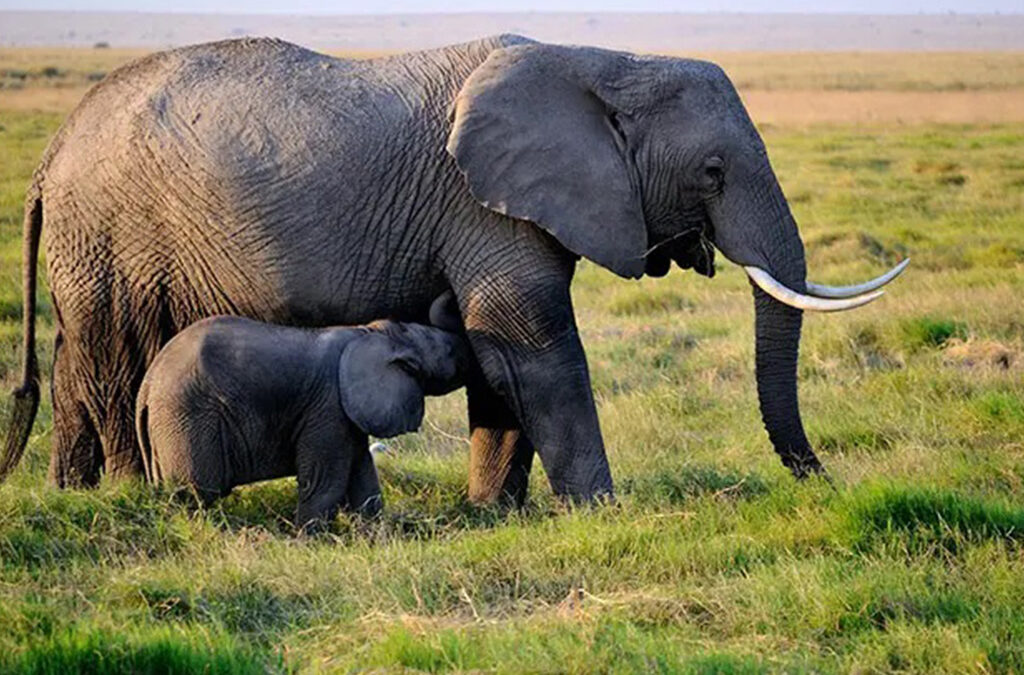
Queen Elizabeth National Park is one of Uganda’s most celebrated wildlife destinations. From its sprawling savannahs and shimmering lakes to its rich biodiversity, this park offers experiences that are both breathtaking and unforgettable. While many travelers know about its wildlife, there are plenty of facts that might surprise even seasoned adventurers. Here, Experiya Tour Company takes you through nine incredible truths about Queen Elizabeth National Park.
1. Queen Elizabeth National Park Is Uganda’s Oldest National Park
Did you know that Queen Elizabeth National Park is among the oldest national parks in Uganda? It was officially gazetted in 1952, alongside Murchison Falls National Park, marking the beginning of modern conservation in the country. Covering approximately 1,978 square kilometers, the park ranks as Uganda’s second-largest protected area, trailing only Murchison Falls. With this vast expanse, the park provides a sanctuary for countless species of mammals, birds, and reptiles.
The park is home to 95 species of mammals, including elephants, buffaloes, lions, and leopards. Bird enthusiasts can spot over 619 bird species, including rare and internationally uncommon birds. From the smallest butterflies to the majestic crocodiles along the waterways, the diversity of life here is staggering.
2. A Hippo Paradise
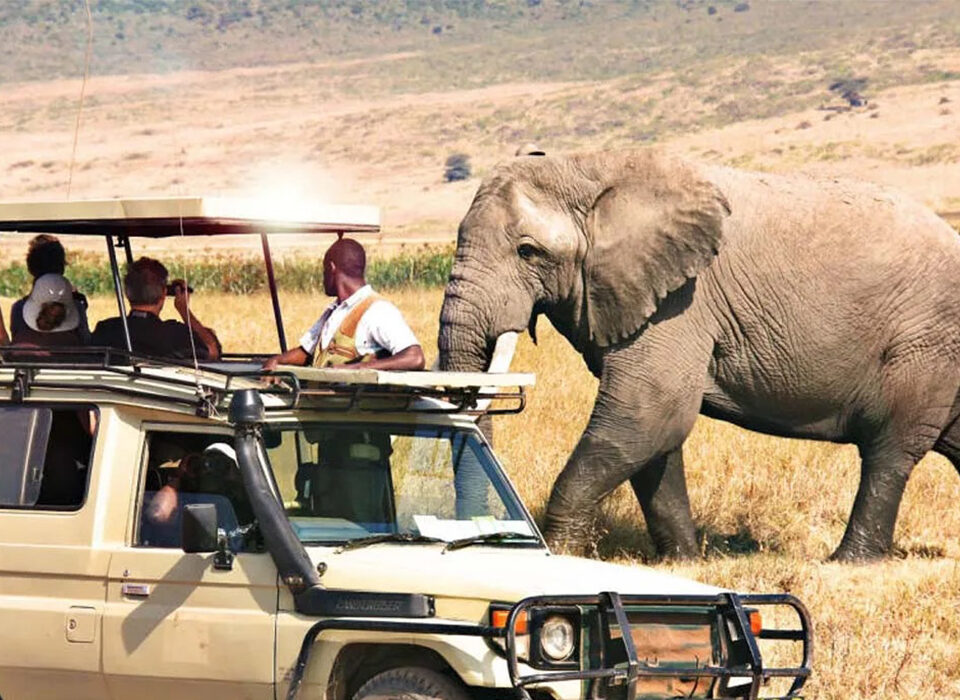
If you’re dreaming of seeing hippos in the wild, Queen Elizabeth National Park is the place to be. The park boasts the largest population of hippos in East Africa, with around 5,000 hippos lounging along the Kazinga Channel. Alongside them, roughly 3,000 elephants and 1,000 buffaloes roam freely across the savannahs.
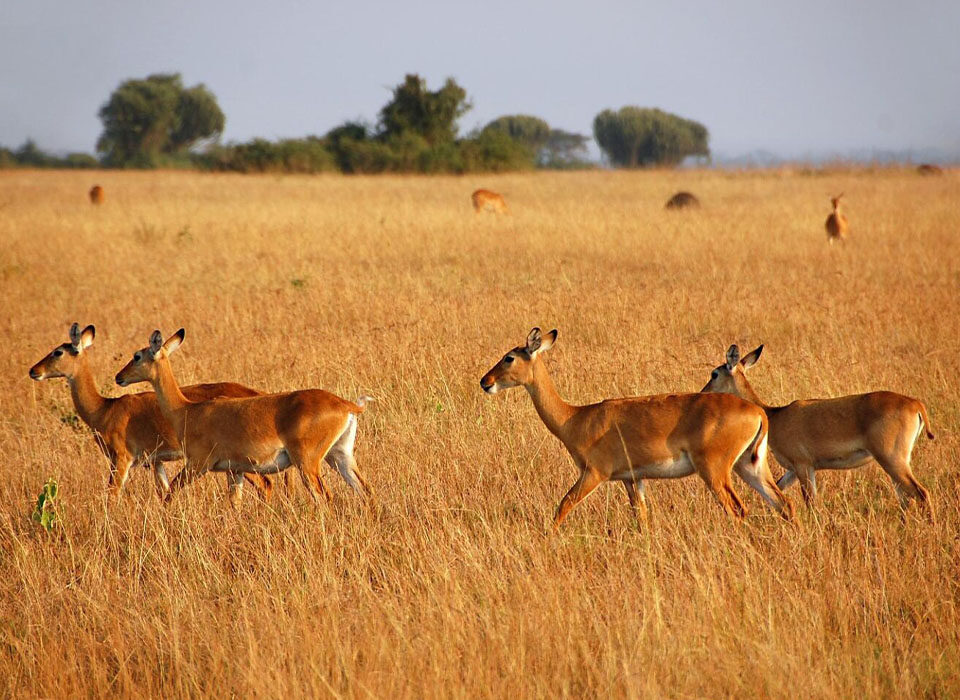
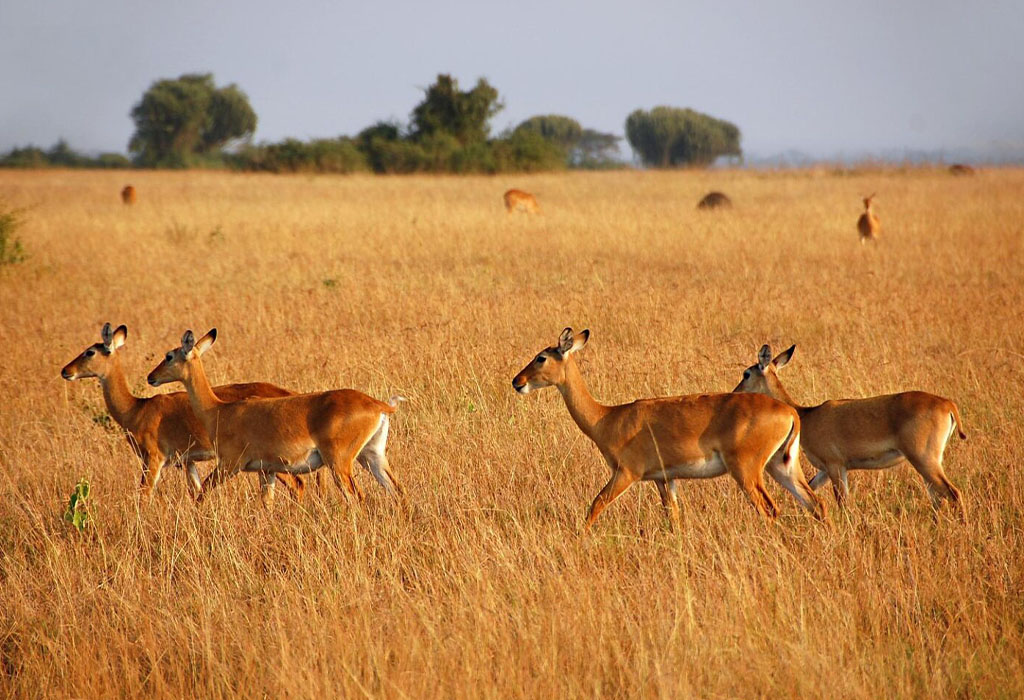
The park’s plains also serve as a haven for many antelope species. You can spot duikers, reedbucks, topis, and the stately statunga antelope, often seen grazing near the Kazinga Channel’s shrubs. The Kasenyi Plains, in particular, serve as the primary breeding grounds for the Uganda kob, making it one of the best places in Uganda for wildlife photography.
3. The Kazinga Channel: Heart of Wildlife Activity
One of the park’s most remarkable features is the Kazinga Channel, a natural waterway that connects Lake George to Lake Edward. This slow-flowing channel is more than a scenic spot; it’s the lifeblood of the park’s ecosystem. The channel attracts a wealth of wildlife, from elephants and hippos to crocodiles and countless bird species.
Kazinga Channel is perfect for game drives, boat safaris, and birdwatching. Watching herds of elephants drink while hippos submerge themselves in the water is an experience that stays with you long after you leave.
4. A Birdwatcher’s Dream
For bird enthusiasts, Queen Elizabeth National Park is a true paradise. Ranked the second-best birding destination in Africa and sixth globally, the park hosts a remarkable array of bird species. Among them is the elusive shoebill stork, one of the rarest birds in the world.
The park’s diverse ecological habitats, including wetlands, savannahs, forests, and lakeshores, provide ideal environments for birds to thrive. Recognizing its importance, international organizations have designated Queen Elizabeth National Park as an Important Birding Area (IBA). Experiya Tour Company often recommends birdwatching tours that let travelers witness this incredible diversity firsthand.
5. Geographical Wonder in the Rift Valley
Queen Elizabeth National Park lies in the Western Rift Valley, a geological formation that extends from Uganda all the way to Malawi. The park sits on the rift valley floor, giving it a unique mix of landscapes volcanic terraces, lakes, and expansive plains. From the terraces of Mweya Safari Lodge, you can easily spot the Kazinga Channel winding its way between Lake George and Lake Edward.
These rift valley lakes also harbor endemic fish species, such as Bagrus, Docmac, and Sarothenodon varieties, adding to the park’s ecological richness. The combination of terrestrial and aquatic habitats makes Queen Elizabeth National Park a biodiversity hotspot unlike any other.
6. A Royal Legacy
Queen Elizabeth National Park was not always known by its current name. Initially, it was called Kazinga National Park, but after Queen Elizabeth II visited Uganda in 1952, the park was renamed in her honor. This royal connection has helped the park gain international recognition and attract travelers from across the globe.
Interestingly, the park is twinned with Queen Elizabeth Country Park in England. This cultural and conservation partnership focuses on empowering local communities while promoting wildlife protection and sustainable tourism practices. Experiya Tour Company often highlights this unique connection when discussing the park’s global significance.
7. Crocodiles and Ancient History
Around 10,000 years ago, the Kazinga Channel had no crocodiles. Volcanic activity in the Western Rift Valley filled Lake Edward with ash, making the water temporarily uninhabitable. Crocodiles disappeared until they eventually returned via River Mubuku, restoring balance to the ecosystem.
Today, these powerful reptiles are a major attraction, helping control fish populations and contributing to the overall health of the park’s environment. Spotting a crocodile snapping its prey along the Kazinga Channel is an unforgettable safari moment.
8. From Grazing Land to National Park
Before becoming a national park, the area was a grazing land for the Basongora, an indigenous pastoralist community. Frequent cattle raids by neighboring kingdoms forced the Basongora to abandon much of the land. Some turned to fishing in Lake Edward, Lake George, and the Kazinga Channel, creating the park’s fishing villages such as Busonga, Kasenyi, and Katunguru.
This history reminds visitors that Queen Elizabeth National Park is not just about wildlife—it’s also a place with a rich cultural heritage. Experiya Tour Company ensures that travelers experience both the natural and cultural dimensions of the park during tours.
9. First European Explorer
The first European to explore the area was Sir Henry Morton Stanley, the famous English explorer, in 1889. At that time, he found the region largely uninhabited and untouched—a vast wilderness waiting to be discovered. Today, modern travelers can follow in Stanley’s footsteps with self-drive adventures, guided safaris, and boat tours offered by Experiya Tour Company.
Plan Your Adventure With Experiya Tour Company
Queen Elizabeth National Park is more than a wildlife destination—it’s a place where history, nature, and culture intersect. From the mighty hippos of the Kazinga Channel to the rare shoebill storks, the park offers experiences that are as enriching as they are thrilling.
Experiya Tour Company provides expert guidance to ensure your safari is seamless, exciting, and meaningful. Whether it’s game drives, boat safaris, birdwatching tours, or cultural visits, your adventure in Queen Elizabeth National Park will be one to remember for a lifetime.
Conclusion
Queen Elizabeth National Park is a jewel of Uganda’s natural heritage. Its diverse ecosystems, abundant wildlife, and rich history make it a must-visit destination for travelers seeking an authentic African safari experience. Every fact about the park from its royal legacy to its crocodile comeback story adds layers to the magic of this remarkable place.
Exploring Queen Elizabeth National Park with Experiya Tour Company is not just a trip; it’s an unforgettable journey into the heart of Africa’s wilderness.