How to Book Gorilla Trekking in Rushaga Sector
March 21, 2026
Uganda Safaris Beyond Gorilla Tracking in 2026
March 23, 2026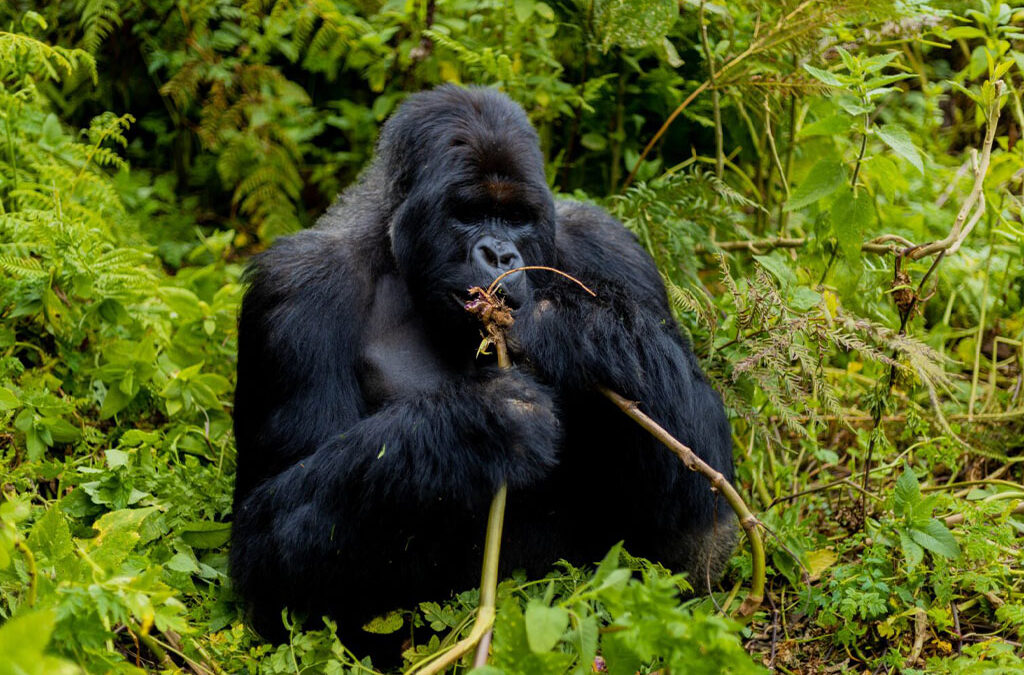
Gorilla trekking is one of the most extraordinary wildlife experiences in the world. Beyond the thrill of encountering mountain gorillas in their natural habitat, this activity plays a critical role in protecting one of the planet’s most endangered species. By generating conservation funding, raising global awareness, and supporting local communities, gorilla trekking has become a powerful force for wildlife protection.
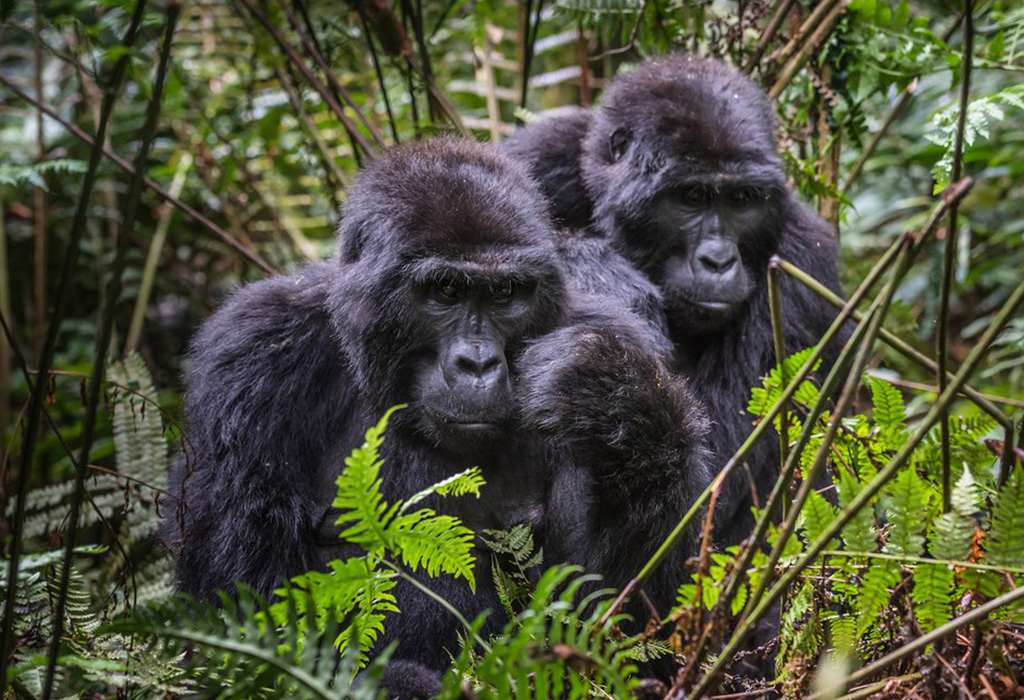
Mountain gorillas live in a few protected forests across East and Central Africa. These include Bwindi Impenetrable National Park and Mgahinga Gorilla National Park in Uganda, Volcanoes National Park in Rwanda, and Virunga National Park in the Democratic Republic of the Congo. Although only slightly more than 1,000 individuals remain in the wild, their population has steadily increased over recent decades. This progress is largely due to conservation efforts supported by responsible tourism.
Gorilla Trekking: A Purpose-Driven Adventure
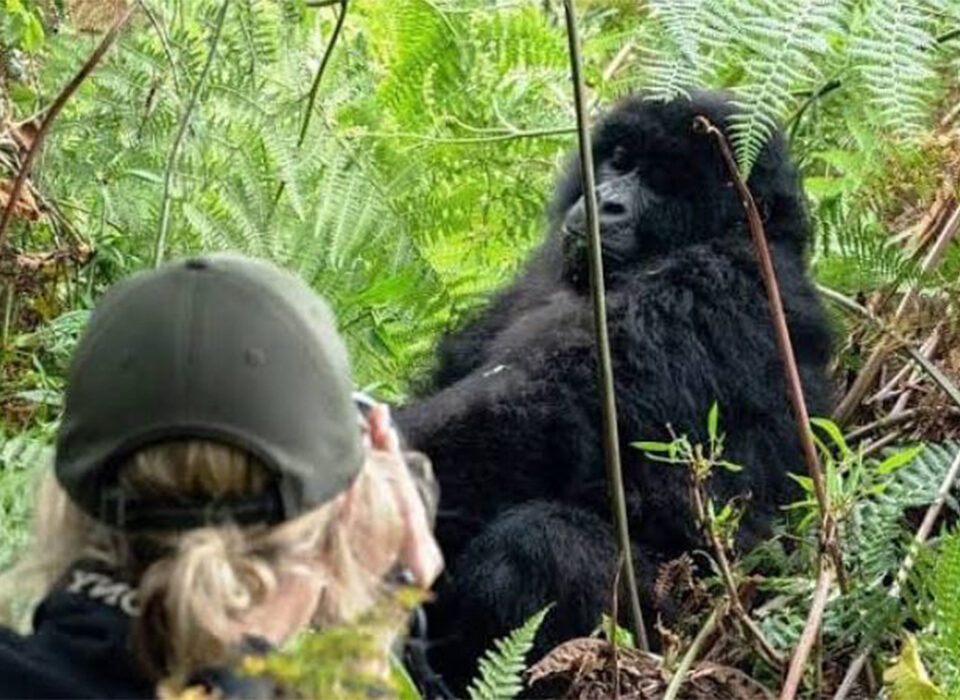
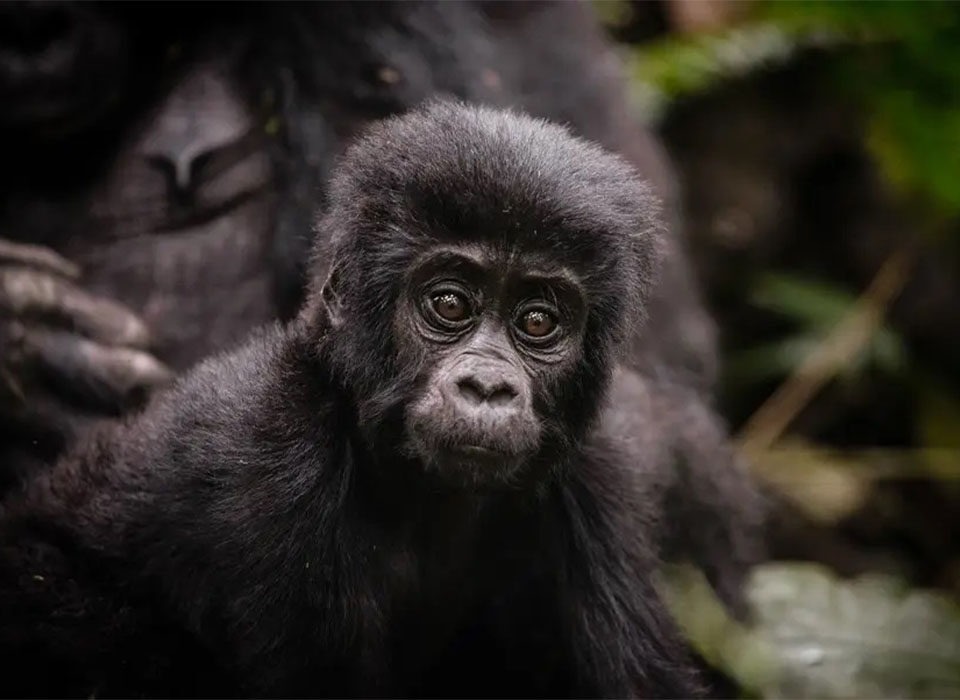
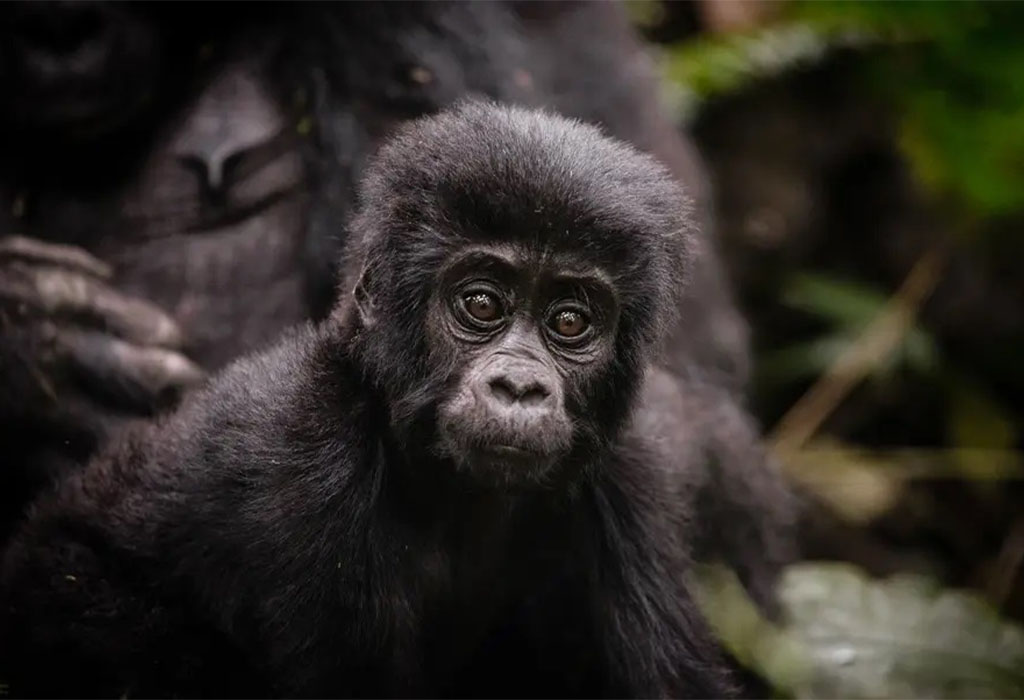
Gorilla trekking offers far more than adventure. It allows visitors to hike through dense forests with experienced guides in search of habituated gorilla families. Once located, visitors spend one unforgettable hour observing these magnificent animals as they feed, play, and care for their young.
More importantly, this experience directly contributes to conservation. Tourism has transformed how governments and communities view forests. Instead of seeing them as land for agriculture or logging, they now recognize them as valuable ecosystems that attract global visitors.
As a result, gorilla trekking has created a strong and sustainable link between tourism, conservation, and economic development.
Funding Conservation Efforts
One of the most significant benefits of gorilla trekking lies in the revenue generated through trekking permits. Every visitor must purchase a permit issued by wildlife authorities such as the Uganda Wildlife Authority. These funds directly support conservation initiatives.
Permit prices vary across destinations. In Uganda, permits cost about $800 for international visitors. In Rwanda, they cost around $1,500, while in the Democratic Republic of the Congo, they are approximately $400. Despite the cost, demand remains high because the experience is truly once in a lifetime.
This revenue supports essential conservation activities, ensuring long-term protection of mountain gorillas.
Protecting Gorillas Through Anti-Poaching Efforts
A significant portion of trekking revenue funds anti-poaching patrols. Rangers actively monitor gorilla habitats, remove snares, and prevent illegal activities such as hunting and wildlife trafficking.
These patrols play a vital role in safeguarding gorillas from threats like bushmeat hunting and the illegal pet trade. Without consistent protection, gorilla populations would face serious risks.
Habitat Protection and Restoration
In addition to protecting wildlife, conservation programs focus on preserving and restoring habitats. Tourism revenue supports reforestation, reduces deforestation, and promotes sustainable land use practices.
Consequently, gorillas continue to thrive in safe, healthy environments. Protecting their habitat also benefits countless other species that share these ecosystems.
Supporting Research and Monitoring
Scientific research remains a cornerstone of gorilla conservation. Researchers and primatologists closely monitor gorilla families to track their health, behavior, and population growth.
With the help of tourism funding, conservationists can detect diseases early, study social structures, and better understand how gorillas interact with their environment. This knowledge allows them to develop more effective conservation strategies.
Empowering Local Communities
Equally important, gorilla trekking supports community development. A portion of permit revenue goes directly to communities living near national parks.
These funds help build schools, improve healthcare, provide clean water, and develop infrastructure. As communities benefit from tourism, they become more committed to protecting gorillas and their habitats.
Furthermore, Experiya Tour Company actively promotes responsible travel experiences that ensure local communities gain meaningful benefits from tourism.
Raising Global Awareness
Gorilla trekking also plays a crucial role in raising global awareness. Visitors who encounter gorillas in the wild often develop a deep appreciation for their intelligence, social bonds, and vulnerability.
As a result, many travelers return home inspired to support conservation initiatives or advocate for environmental protection.
Historically, global awareness grew significantly through the work of Dian Fossey. Her research brought international attention to the threats facing mountain gorillas and helped inspire modern conservation efforts.
Today, travelers from around the world continue to contribute to this awareness through firsthand experiences.
Strict Guidelines That Protect Gorillas
To ensure that tourism benefits gorillas without harming them, authorities enforce strict trekking rules.
Only a limited number of permits are issued each day, which prevents overcrowding and minimizes stress on the animals. Visitors must maintain a safe distance of about ten meters to reduce disturbance and prevent disease transmission.
Additionally, trekkers spend only one hour with the gorillas. This time limit allows the animals to continue their natural routines without prolonged human interference.
Before each trek, guides provide a detailed briefing to ensure visitors understand and follow these important guidelines.
Community Participation in Conservation
Gorilla tourism has created sustainable employment opportunities for local communities. Many residents now work as guides, trackers, porters, and lodge staff.
These jobs provide stable incomes and reduce reliance on harmful activities such as poaching or illegal logging. As a result, communities actively participate in conservation efforts.
Moreover, cultural experiences such as village tours and craft markets allow visitors to engage with local traditions while supporting community livelihoods.
Through initiatives supported by organizations and partners like Experiya Tour Company, conservation and community development continue to grow together.
Addressing Challenges Responsibly
Despite its success, gorilla trekking presents certain challenges. Human presence can disturb wildlife, and close contact increases the risk of disease transmission.
In addition, tourism infrastructure may impact the environment if not properly managed.
However, conservation authorities and responsible operators, including Experiya Tour Company, actively address these challenges. They enforce strict regulations, promote eco-friendly practices, and implement health protocols.
For instance, visitors who feel unwell are advised not to participate in trekking, and in some cases, wearing masks is required to protect gorillas from human diseases.
A Global Conservation Success Story
Gorilla trekking stands as one of the most successful conservation models in the world. By combining tourism with wildlife protection, it has helped increase mountain gorilla populations while improving the livelihoods of nearby communities.
This model demonstrates that responsible tourism can deliver both conservation success and meaningful travel experiences.
Conclusion
Gorilla trekking is far more than an adventure. It is a powerful conservation tool that protects one of the world’s most endangered species. Through tourism revenue, research, community support, and global awareness, it has played a vital role in ensuring the survival of mountain gorillas.
By following trekking guidelines and choosing responsible operators like Experiya Tour Company, travelers directly contribute to conservation efforts.
Ultimately, gorilla trekking proves that when tourism is managed responsibly, it can protect wildlife, empower communities, and preserve some of the world’s most remarkable natural treasures.