Why Choose Golden Monkey Trekking in Uganda?
March 20, 2026
Volcanoes vs Bwindi: Which Gorilla Trekking Destination Is Better?
March 20, 2026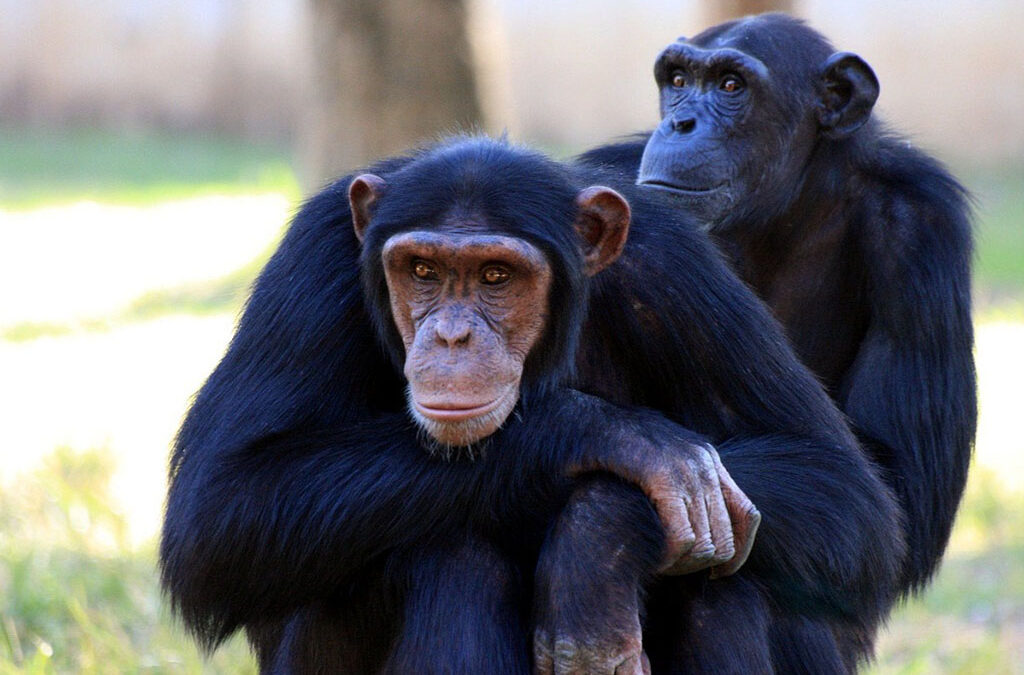
If you are searching for the best place in the world to trek with chimpanzees, Kibale National Park in Uganda stands above every other option. This remarkable forest has earned the title of the “Primate Capital of the World,” and once you understand what it offers, it becomes clear why. Kibale is home to over 1,500 chimpanzees and 12 other primate species, making it the most primate-rich habitat on the African continent. For any traveler seeking a genuine, close-up encounter with our closest living relatives, Kibale delivers an unmatched experience.
The Numbers That Make Kibale Exceptional
One of the strongest reasons to choose Kibale is its remarkable chimpanzee sighting success rate. When you book a trek here, you enjoy a success rate of over 95%, which is among the highest anywhere in Africa. This is not a marketing exaggeration; it reflects consistent field results shaped by decades of careful conservation and habituation work.
Kibale supports the largest population of habituated chimpanzees in Uganda. Because of this long-term habituation process, chimpanzee families have grown comfortable with human presence. They move naturally through the forest, feeding, grooming, and communicating while visitors observe them from a respectful distance. As a result, every trek offers a high chance of meaningful encounters.
When you compare Kibale to other primate trekking destinations across East and Central Africa, it consistently stands out. While other parks also offer exciting wildlife experiences, few can match Kibale’s level of reliability. Therefore, when you invest time and money into a chimpanzee trek, Kibale gives you confidence that the experience will deliver.
A Terrain That Welcomes Every Traveler
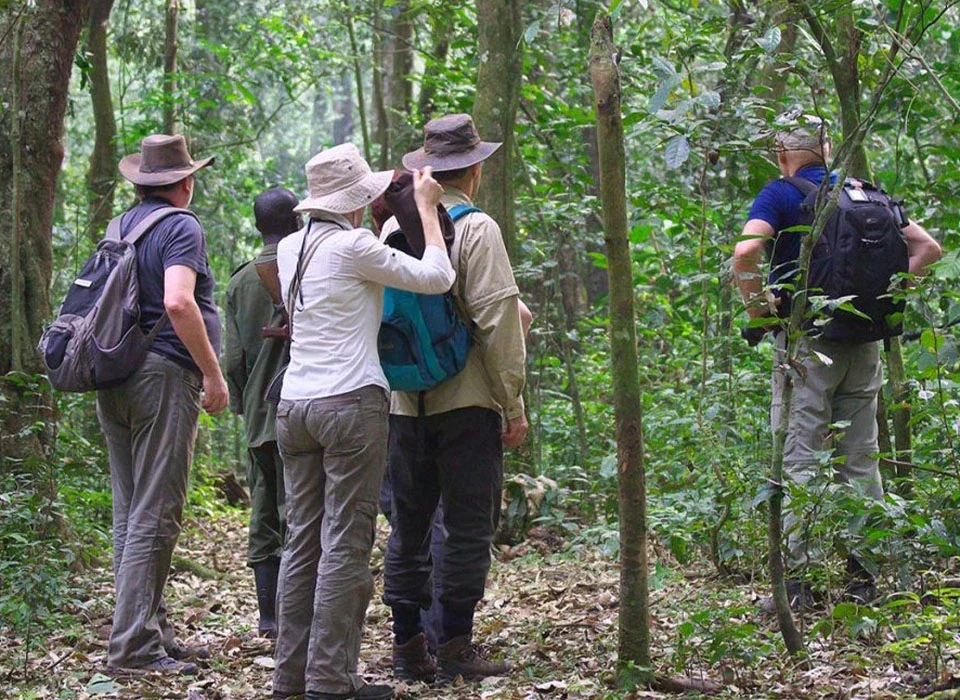
Unlike many primate trekking destinations that require steep climbs and physically demanding hikes, Kibale offers a far more accessible landscape. The forest floor is relatively flat, and the trails are well-established, which makes trekking easier for a wide range of visitors.
This accessibility significantly enhances the experience. Instead of focusing on difficult climbs or rugged terrain, you concentrate on the forest itself listening to distant calls, watching movement in the canopy, and absorbing the atmosphere of the jungle. Consequently, Kibale becomes an ideal destination for families, older travelers, and anyone who prefers a comfortable yet immersive wildlife experience.
Even though the forest is dense and wild, it does not overwhelm visitors physically. Instead, it invites them to engage more deeply with nature at a relaxed and enjoyable pace.
The Chimpanzee Habituation Experience: A Rare Opportunity
While standard chimpanzee trekking in Kibale already offers an unforgettable one-hour encounter, the park goes even further with the Chimpanzee Habituation Experience (CHEX). This is one of the most immersive primate experiences in Africa.
Through CHEX, you spend an entire day with researchers and field teams as they follow chimpanzee communities during their natural routines. From the early morning moments when they wake and begin foraging, to midday social interactions and afternoon movements, you witness their world unfold in real time.
As you move through the forest, you observe complex behaviors such as grooming, playing, feeding, and vocal communication. You also learn how researchers identify individuals, track movements, and interpret social dynamics. This deeper engagement transforms the experience from a short wildlife sighting into a powerful journey of understanding.
Ultimately, CHEX allows you to step into the life of the forest in a way that very few destinations in the world can offer.
Beyond Chimpanzees: A Primate Paradise
Even if chimpanzees were not the main attraction, Kibale would still rank among Africa’s most fascinating forests. The park hosts 12 additional primate species, creating an unmatched level of biodiversity within a single ecosystem.
As you walk through the forest, you may encounter Uganda red colobus monkeys moving in energetic groups through the canopy. You might also spot grey-cheeked mangabeys foraging on the forest floor or L’Hoest’s monkeys observing quietly from shaded branches. Each species brings its own behavior, sound, and rhythm to the forest.
Because of this diversity, no two treks feel the same. Every visit reveals something new, and every guide enriches the experience with deep knowledge of animal behavior, forest ecology, and species identification.
A Forest Shaped by Decades of Research
Kibale is not only a wildlife destination; it is also a living laboratory. Since the 1980s, researchers have studied chimpanzee behavior in this forest, tracking specific communities over generations. This long-term research has created one of the most detailed understandings of wild chimpanzee life anywhere in the world.
That knowledge directly benefits visitors today. Experienced guides share insights drawn from years of observation and ongoing research. They explain social relationships within chimpanzee groups, interpret vocal calls, and highlight behavioral patterns that most visitors would otherwise miss.
As a result, every trek becomes both an adventure and an educational journey, enriched by science and field experience.
Planning the Perfect Visit
Timing plays an important role in shaping your Kibale experience. The best trekking conditions typically occur during the dry seasons, from June to August and from December to February. During these months, trails remain firmer, and walking conditions become more comfortable. However, chimpanzee sightings remain excellent throughout the year, even in wetter months.
Kibale offers two trekking sessions daily. The morning session begins at 8:00 AM, while the afternoon session starts at 2:00 PM. Each trek lasts between two and five hours, depending on how quickly rangers locate the chimpanzees. Sometimes encounters happen within an hour, while at other times trekkers venture deeper into the forest before finding a group.
Because Uganda Wildlife Authority limits the number of daily permits, early booking is essential. During peak travel seasons, permits often sell out weeks or even months in advance. Therefore, securing your permit early ensures a smooth and stress-free travel plan.
Standard chimpanzee tracking permits cost approximately $250 for international visitors, while the Chimpanzee Habituation Experience costs around $300. These fees include park entry, ranger services, and guided tracking.
What to Pack for the Forest
Proper preparation significantly improves your trekking experience. Waterproof hiking boots are essential, as forest trails can become slippery after rain. Long trousers and long-sleeved shirts help protect you from insects, thorns, and dense vegetation.
In addition, insect repellent provides extra protection in humid conditions. A lightweight rain jacket is also important, as tropical weather can change quickly. A small backpack with drinking water, snacks, and a camera ensures you stay comfortable throughout the trek.
When you prepare well, you fully enjoy the experience without distractions.
A Journey That Stays With You
Kibale National Park earns its reputation through consistency, not exaggeration. High sighting success rates, well-habituated chimpanzee communities, accessible terrain, and expert guiding all come together to create a world-class experience.
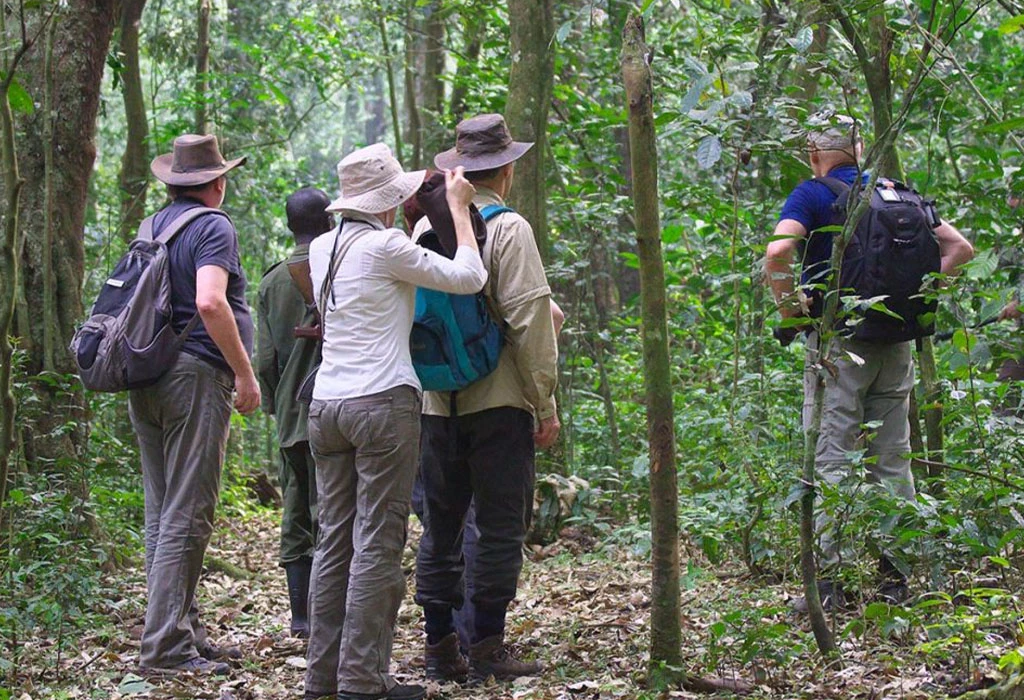
From the moment you enter the forest at Kanyanchu, you feel the atmosphere shift. Mist rises through the canopy, bird calls echo through the trees, and the forest slowly comes alive around you. Then, as you move deeper into the trails, you begin to notice movement quick flashes in the branches, distant calls, and the unmistakable energy of primates nearby.
Eventually, you find yourself standing quietly just meters away from a chimpanzee family. They feed, groom, rest, and interact exactly as they have done for generations. In that moment, everything else fades away. The experience feels simple, yet deeply powerful, and it stays with you long after you leave the forest.
This is what makes Kibale truly special. It does not just offer a safari activity; it offers a connection to the natural world that feels immediate, real, and unforgettable.
Stay Close to the Forest and Explore More
Around Kibale, a wide range of accommodation options allows every traveler to stay close to nature. Luxury travelers often choose lodges overlooking crater lakes or properties near the forest edge, while mid-range visitors enjoy comfortable forest camps and treetop-style lodges. Budget travelers also find welcoming guesthouses that provide easy access to the park.
After your chimpanzee trek, you can extend your experience by visiting the nearby Bigodi Wetland Sanctuary, which offers exceptional birdwatching and community encounters. You can also explore the scenic Kasenda Crater Lakes, where rolling landscapes and peaceful waters create a perfect contrast to the dense forest.
Together, these experiences make Kibale not just a destination for chimpanzee trekking, but a complete journey into Uganda’s natural beauty and biodiversity.