Why Lake Mburo Is the Best Place for Walking Safaris
March 20, 2026
Why Kibale Is the Ultimate Destination for Chimpanzee Trekking
March 20, 2026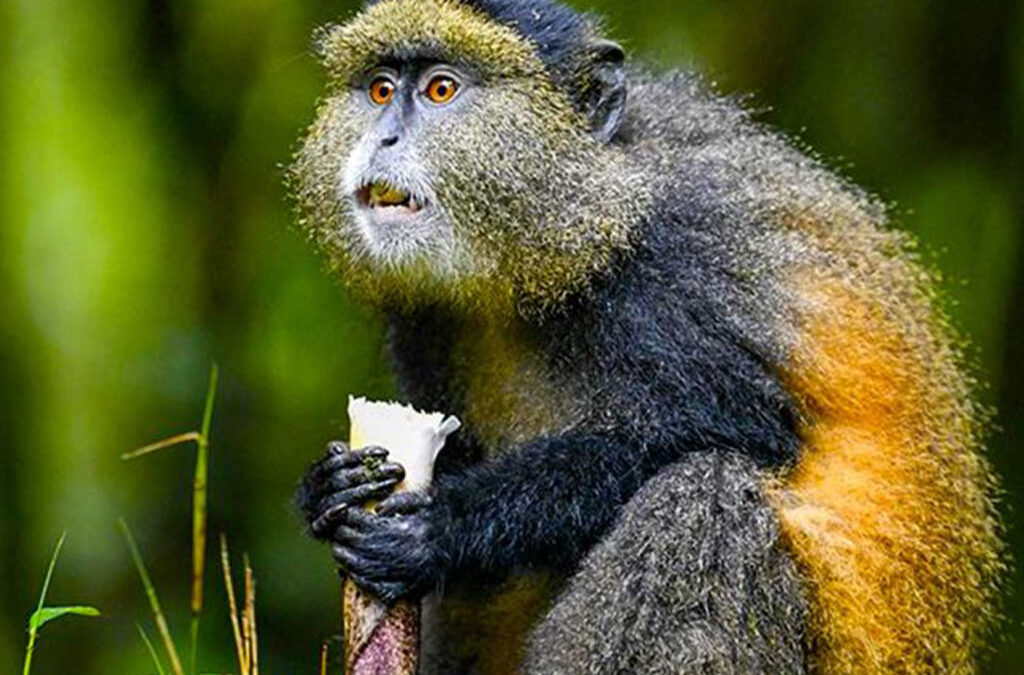
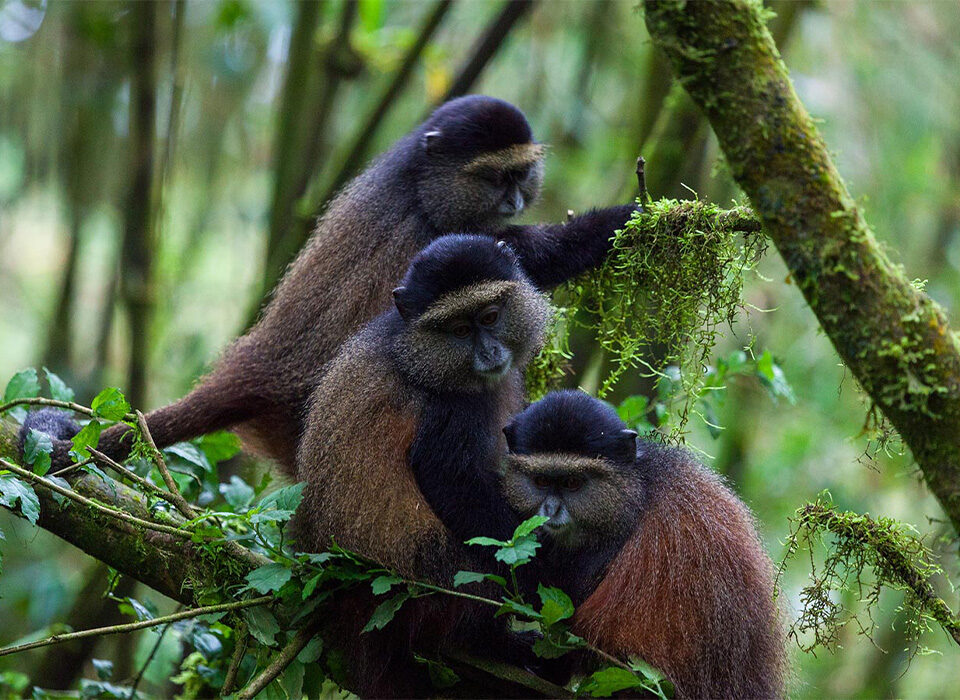
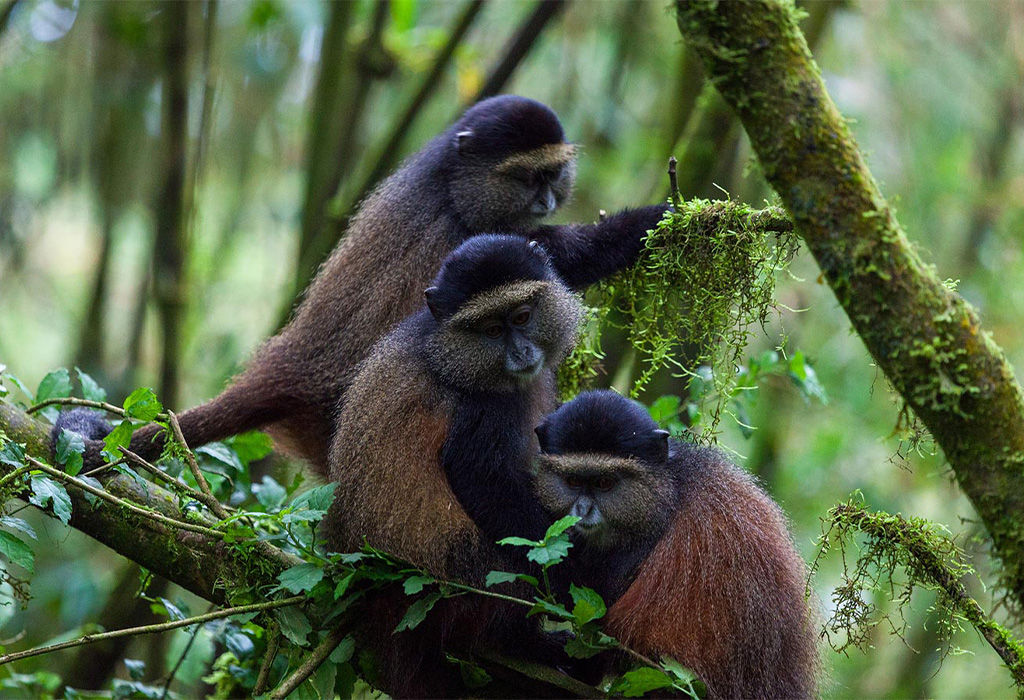
Uganda is famous for mountain gorilla trekking and rightly so. However, tucked away in the country’s southwestern corner lies an equally thrilling wildlife experience that many travelers still overlook. Golden monkey trekking in Mgahinga Gorilla National Park delivers adventure, vibrant energy, and meaningful conservation impact, all at a fraction of the cost of a gorilla permit. If you are planning a wildlife trip to Uganda, this is exactly why golden monkeys deserve a top spot on your itinerary.
An Affordable Adventure without Compromise
First, let’s talk about cost because it matters when planning any safari. Golden monkey trekking stands out as one of the most affordable primate experiences in Africa. A permit costs approximately $60 for foreign non-residents, compared to about $800 for mountain gorilla trekking.
That difference is substantial. You can use the savings to extend your safari, upgrade your accommodation, or add another unforgettable activity like a boat cruise or cultural visit. More importantly, the lower price does not reduce the quality of the experience. On the contrary, you still enjoy a close, guided encounter with a rare and endangered primate in its natural habitat.
In other words, you are not settling you are simply choosing wisely.
Where Gold Meets Silver
Mgahinga Gorilla National Park holds a rare and remarkable distinction. It is the only park in Uganda where you can encounter both mountain gorillas and golden monkeys in one location. Because of this, many travelers refer to the experience as “Gold Meets Silver.”
On one hand, you have the striking golden monkeys, known for their bright orange-gold fur and playful nature. On the other, you encounter the powerful silverback gorillas that roam the same volcanic landscape. If your schedule and budget allow, you can trek gorillas one day and golden monkeys the next.
Few destinations in the world offer two such extraordinary primate encounters within the same park. As a result, Mgahinga feels both exclusive and incredibly rewarding.
Accessible Trails for Every Traveler
Gorilla trekking can be physically demanding. It often involves long hours of hiking through dense forest, steep slopes, and muddy terrain. Because of this, some travelers hesitate.
Golden monkey trekking, however, offers a more accessible alternative.
These monkeys prefer the lower bamboo forests along the slopes of the Virunga Volcanoes. Consequently, the treks are usually shorter and less strenuous. You still walk through a beautiful, misty forest, but the terrain is generally gentler and easier to navigate.
This makes the experience ideal for:
- Travelers with moderate fitness levels
- Older visitors
- Families with older children
Ultimately, golden monkey trekking opens the door to a wider range of travelers who want a meaningful wildlife experience without extreme physical demands.
A Dream for Wildlife Photographers
If you love photography, golden monkeys will keep you constantly engaged. Unlike gorillas, which often remain calm and stationary while feeding, golden monkeys are full of energy.
They leap between bamboo stalks, dash across the forest floor, and interact playfully in large troops that can range from 30 to 100 individuals. Because of this, every moment feels dynamic and unpredictable.
One second, a monkey lands just a few feet away. The next, the entire troop moves swiftly through the canopy above you. As a result, you capture vibrant, action-filled images that reflect movement, personality, and life.
While gorilla photography is powerful and emotional, golden monkey photography feels lively and joyful offering a completely different storytelling experience.
Go Deeper with the Habituation Experience
For those who want more than a standard trek, Uganda offers something even more immersive the Golden Monkey Habituation Experience.
Instead of spending just one hour with the monkeys, you spend up to four hours in their presence. During this time, you join researchers and park rangers who are gradually acclimating the monkeys to human interaction.
The permit costs approximately $100 to $140, which still remains highly affordable compared to gorilla experiences.
With more time, everything changes. You observe feeding habits, social interactions, and movement patterns in greater detail. You follow the troop as it navigates the forest, and you begin to understand their behavior on a deeper level.
As a result, the experience feels less like a visit and more like participation in conservation and research.
Near-Certain Sightings Every Time
One common concern during any wildlife safari is uncertainty. Will you actually see the animals?
With golden monkey trekking in Mgahinga, that worry almost disappears.
Rangers closely monitor the habituated troops, which means guides know their location each day. Because of this, sighting success rates are extremely high around 99 percent.
So, when you begin your trek, you do so with real confidence. For travelers with limited time, this reliability adds significant value. You are not just hoping for an encounter you are almost guaranteed one.
A Meaningful Conservation Impact
Beyond the excitement, golden monkey trekking carries real purpose. These monkeys are endangered and exist only within the Albertine Rift region, spanning Uganda, Rwanda, and the Democratic Republic of Congo.
When you purchase a permit, your contribution goes directly toward conservation efforts. This includes:
- Anti-poaching patrols
- Habitat protection
- Community support programs
These initiatives reduce pressure on the park while protecting wildlife for future generations.
Therefore, your trek becomes more than just an adventure. It becomes a meaningful contribution to preserving one of the world’s rarest primates.
Choosing the Best Time to Visit
Timing can shape your entire experience, so it’s worth planning carefully.
The dry seasons June to September and December to February offer the most comfortable conditions. During these months, trails are firmer, and the forest is easier to navigate. In addition, clearer skies improve visibility and photography.
However, the rainy seasons March to May and October to November also have advantages. During these months, golden monkeys often stay lower on the slopes to feed on fresh bamboo shoots. As a result, treks can be shorter, and sightings may happen more quickly.
Although the trails can be muddy, the rewards can be just as satisfying.
A Small Trek with a Big Impact
Golden monkey trekking may not receive as much global attention as gorilla trekking, but it offers something equally special. It combines affordability, accessibility, excitement, and conservation into one unforgettable experience.
Moreover, it feels more intimate and less crowded, allowing you to connect with nature in a quieter, more personal way.
So, as you plan your Ugandan adventure, consider looking beyond the obvious. Let curiosity guide you. Let the forest surprise you.