
The Secret Life of Leopards in Queen Elizabeth National Park
March 19, 2026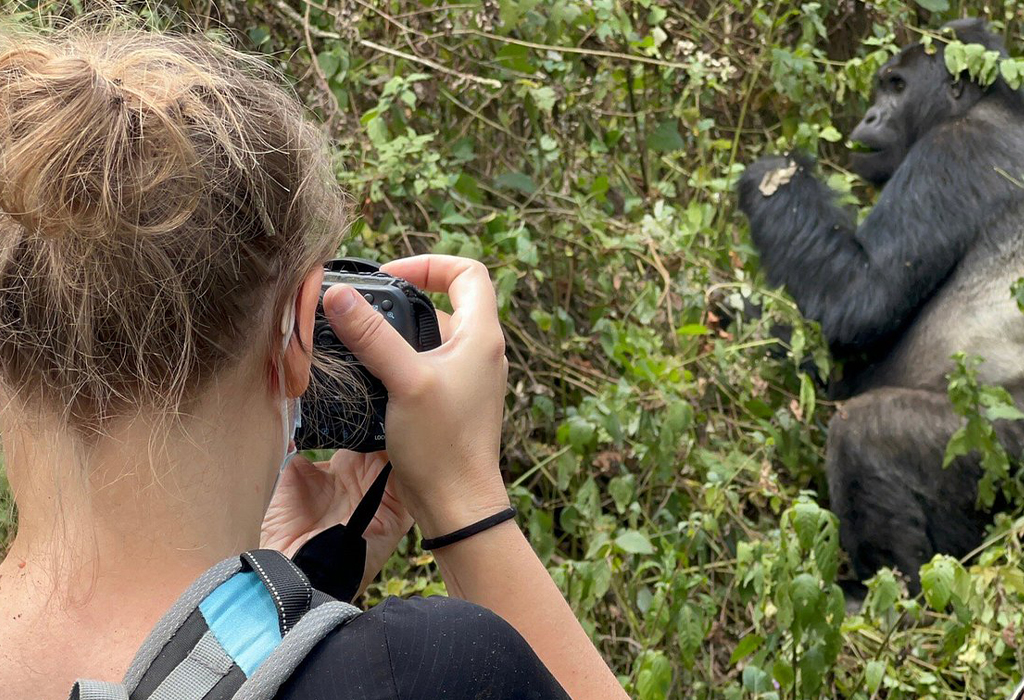
How to Plan an Elderly Gorilla Trekking Safari in Uganda and Rwanda
March 19, 2026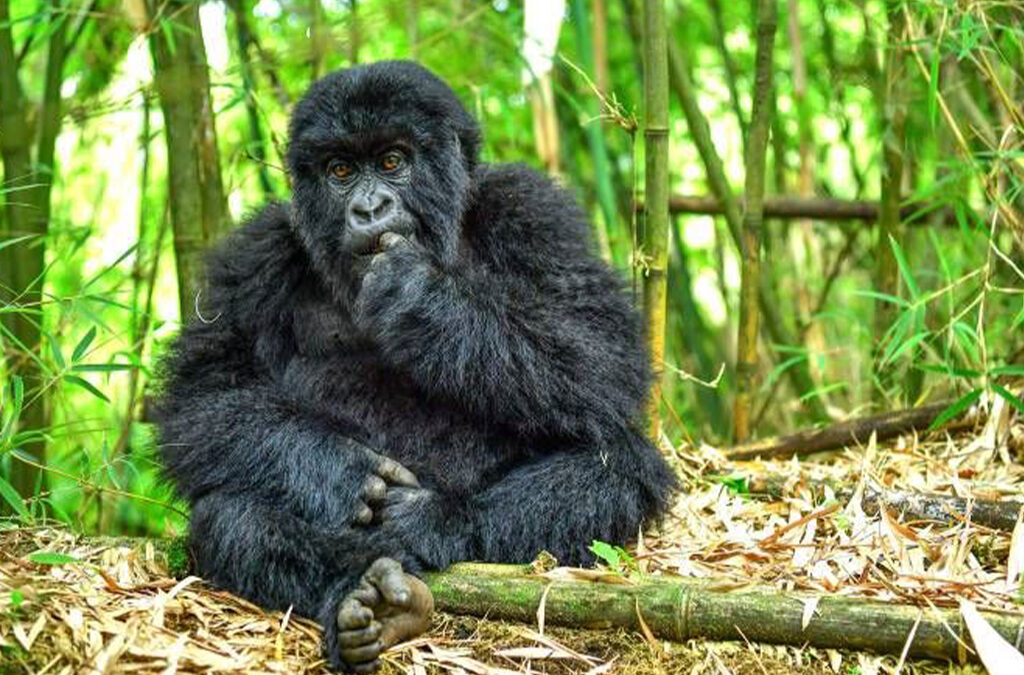
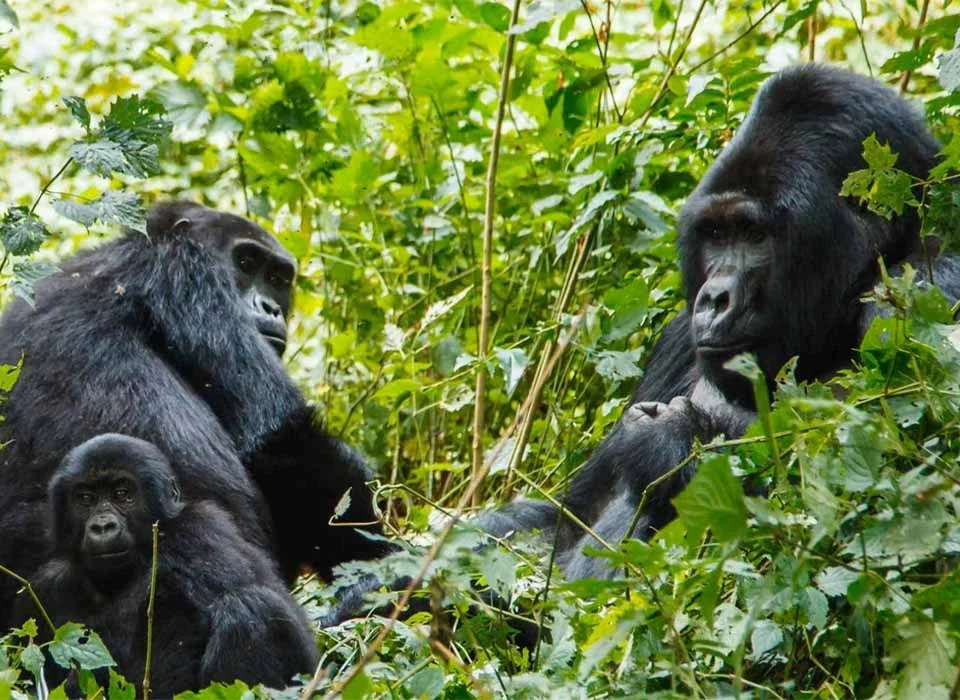
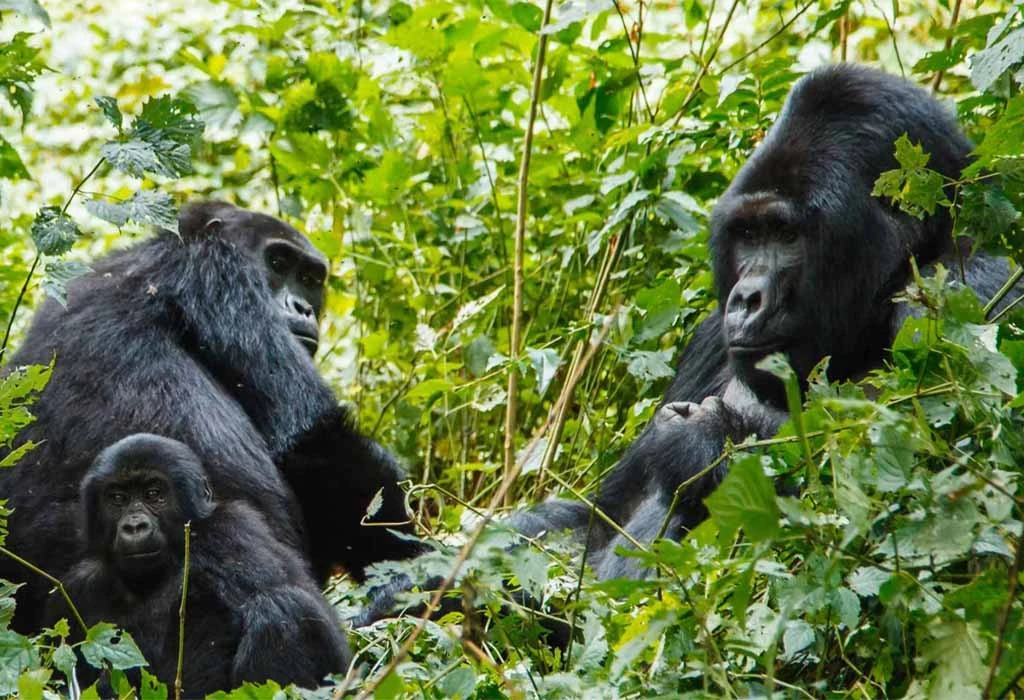
Planning Rwanda gorilla safaris requires attention to detail, but when done right, it becomes one of the most rewarding wildlife experiences in Africa. From securing permits to preparing for the trek itself, every step plays a role in shaping a smooth and memorable journey. At the heart of it all lies Volcanoes National Park, Rwanda’s premier gorilla trekking destination, where carefully guided encounters bring you face to face with mountain gorillas in their natural habitat.
With limited permits, structured trekking groups, and strict conservation rules, Rwanda offers a well-organized and safe environment. However, success depends on planning early, choosing the right travel window, and preparing both physically and logistically.
Where to Go for Rwanda Gorilla Safaris
Volcanoes National Park is the only destination for Rwanda gorilla safaris. Located in the northwest near Musanze, the park provides reliable access to habituated gorilla families. Treks are conducted in small groups led by experienced rangers, ensuring both safety and a high chance of sightings.
Moreover, the park is efficiently managed, with clear guidelines and well-maintained trekking systems. Depending on the location of the gorilla family, treks can range from relatively easy to physically demanding. For this reason, planning ahead and communicating your fitness level helps guides assign the most suitable group.
Nearby lodges, ranging from budget to luxury, support early departures and provide packed meals, making logistics seamless.
Understanding the Gorilla Permit
The gorilla permit is the foundation of all Rwanda gorilla safaris. Without it, trekking is not possible. Each permit allows one hour with a habituated gorilla family and costs $1,500 per person for international visitors.
Because demand is consistently high, especially during peak seasons, it is essential to book well in advance. Ideally, you should secure your permit 6 to 12 months ahead. Even in quieter months, booking at least 3 to 6 months early ensures availability.
Working with Experiya Tour Company simplifies this process. The team handles permit reservations, coordinates logistics, and ensures your travel dates align perfectly with trekking availability.
Best Time to Visit Volcanoes National Park
Timing significantly influences your overall experience. The dry seasons, from June to September and December to February, offer the most comfortable trekking conditions. Trails are drier, visibility is better, and photography becomes easier. However, these months also attract more travelers, making permits harder to secure.
On the other hand, the rainy seasons bring fewer crowds and a more vibrant forest. Although trails can be muddy and slippery, the scenery is lush and rewarding. Additionally, some lodges offer discounted rates during this time.
Therefore, if you prioritize comfort and ease, choose the dry season. If you prefer fewer crowds and better value, the shoulder or rainy months may suit you better.
How to Get There
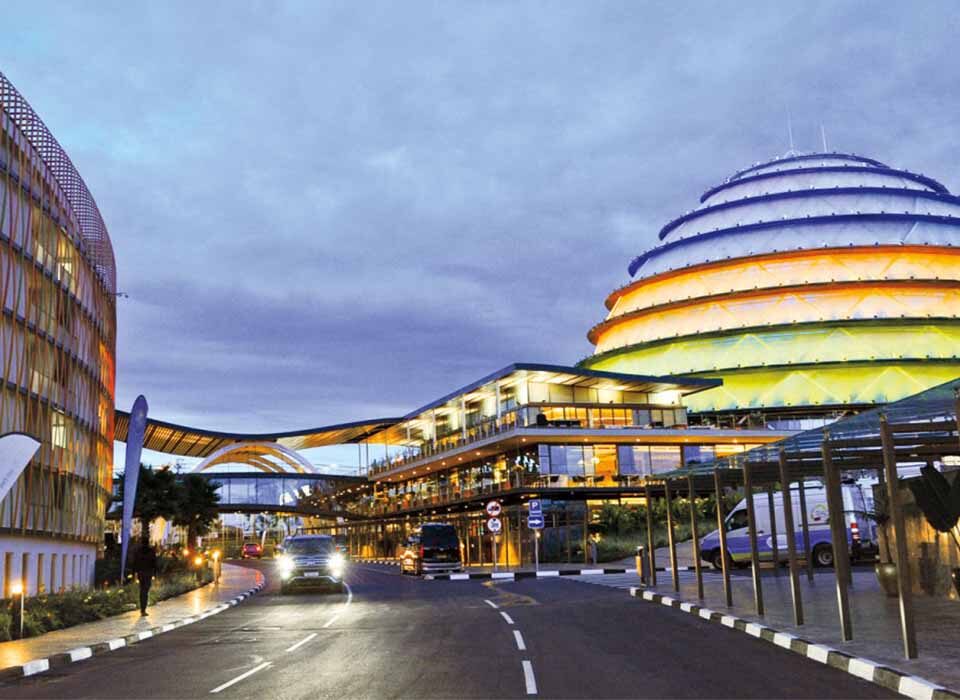
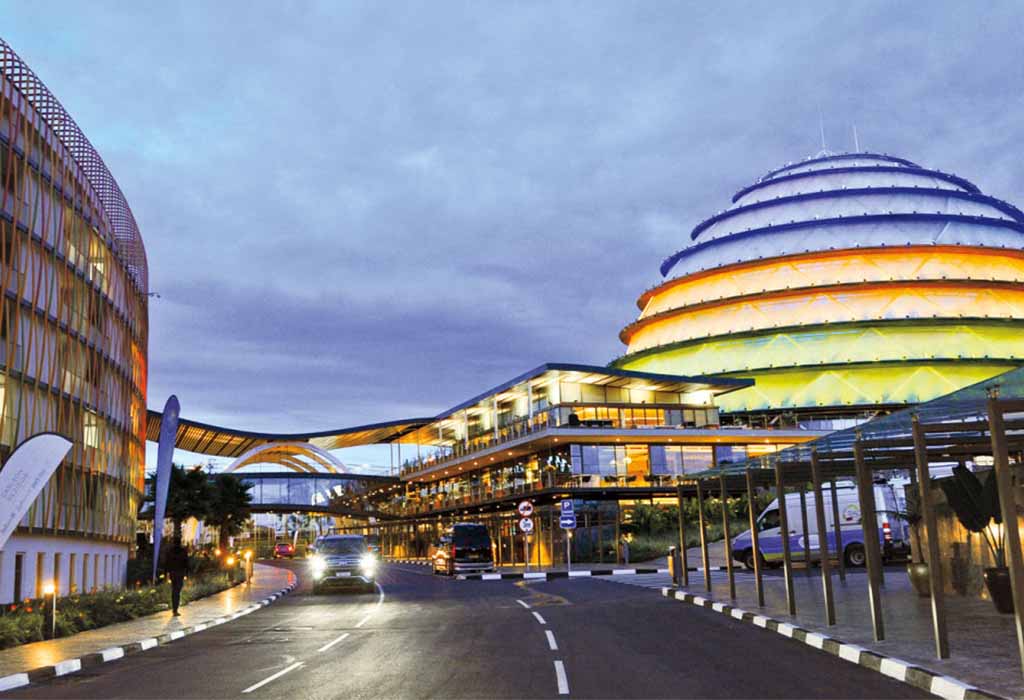
Most Rwanda gorilla safaris begin with a flight into Kigali International Airport. From there, it takes approximately 2.5 to 3 hours by road to reach Volcanoes National Park.
The journey itself is smooth and scenic, with paved roads and rolling countryside views. While it is possible to self-drive, arranging transport through Experiya Tour Company ensures reliability and convenience.
Since treks start early in the morning, staying in Musanze or near Kinigi is highly recommended. This reduces travel time and helps you arrive at the park headquarters on schedule.
How Long to Spend on Rwanda Gorilla Safaris
For most travelers, a 2 to 3-night stay is ideal. This allows time to arrive, rest, complete the trek, and depart without rushing.
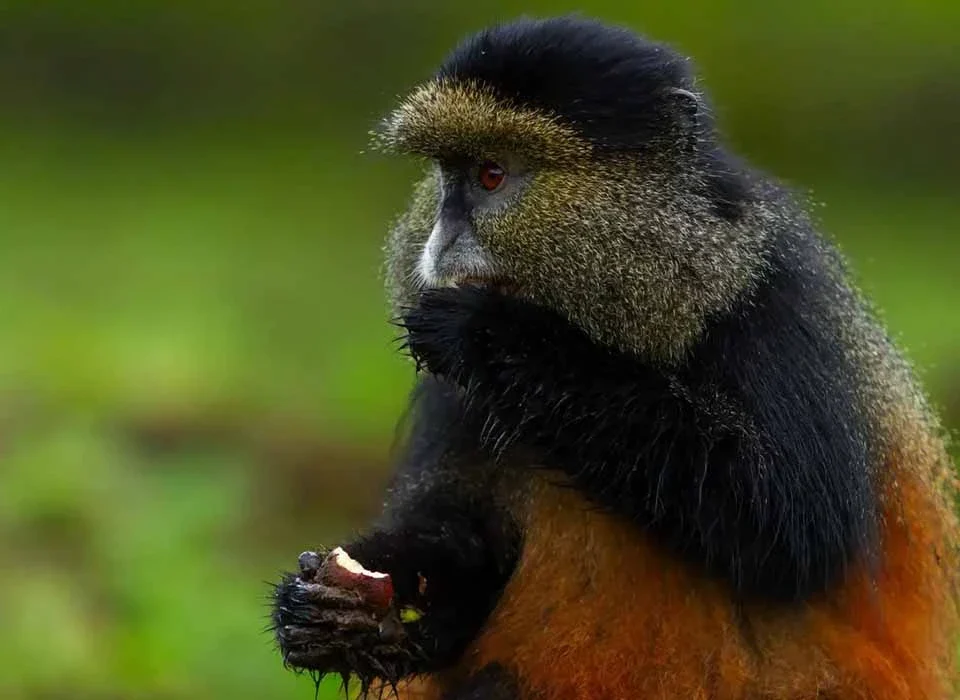
However, extending your stay to 4 or 5 nights adds flexibility and depth to your experience. You can include activities such as golden monkey tracking, cultural visits, or a trip to Lake Kivu.
For a more immersive journey, a 5 to 7-day itinerary allows you to combine gorilla trekking with other destinations like Akagera National Park or Nyungwe Forest.
Recommended Rwanda Gorilla Safari Itineraries
A short 3-day itinerary is perfect for travelers with limited time. It covers arrival in Kigali, transfer to Musanze, one gorilla trek, and departure. Although brief, it delivers the core experience efficiently.
A 4 to 5-day itinerary offers more variety. In addition to gorilla trekking, you can include golden monkey tracking or cultural experiences such as visiting Iby’Iwacu Cultural Village. This adds depth without overwhelming your schedule.
For a richer and more diverse adventure, a 5 to 7+ day itinerary combines gorilla trekking with classic wildlife safaris in Akagera or primate tracking in Nyungwe. This option provides a well-rounded exploration of Rwanda’s landscapes and biodiversity.
Cost of Rwanda Gorilla Safaris
Rwanda gorilla safaris are considered premium experiences. The $1,500 permit is the main cost, but total expenses depend on accommodation, transport, and additional activities.
A 3-day budget safari typically ranges from $2,000 to $2,500 per person. Midrange options fall between $3,000 and $4,500, while luxury safaris can exceed $5,000 to $7,000.
Although the cost may seem high, it reflects conservation efforts, community support, and the exclusivity of the experience.
Physical Fitness and Preparation
Gorilla trekking requires moderate fitness. Trails can be steep, muddy, and uneven, with altitudes ranging from 2,500 to 4,000 meters.
Preparing in advance makes a significant difference. Activities like hiking, jogging, or stair climbing help build stamina. Additionally, hiring a porter is highly recommended. For a small fee, they assist with carrying your bag and provide support on challenging terrain.
With proper preparation, most travelers complete the trek comfortably.
Gorilla Trekking Etiquette
Respecting gorilla etiquette is essential. Always maintain a distance of at least 7 meters, keep your voice low, and avoid sudden movements.
If you feel unwell, especially with flu-like symptoms, you must not participate in the trek. Gorillas are highly susceptible to human diseases.
Furthermore, flash photography is not allowed, and eating or drinking near the gorillas is prohibited. Guides provide clear instructions, and following them ensures both safety and conservation.
Health and Safety Measures
Before traveling, ensure you meet all health requirements. A yellow fever vaccination may be mandatory depending on your origin. It is also advisable to consider vaccines such as Hepatitis A, Typhoid, and routine immunizations.
Although malaria risk is low in the highlands, precautions are still recommended. Carry insect repellent and wear protective clothing in the evenings.
Altitude can also affect some travelers. Staying hydrated, pacing yourself, and avoiding alcohol before the trek can help minimize discomfort.
What to Do Beyond Gorilla Trekking
Rwanda offers more than just gorilla trekking. Akagera National Park provides a classic savannah safari with Big Five wildlife, while Nyungwe Forest National Park offers chimpanzee tracking and canopy walks.
Combining these destinations with your gorilla safari creates a more diverse and rewarding itinerary.
What to Pack for Rwanda Gorilla Safaris
Packing properly enhances your comfort. Waterproof hiking boots, long-sleeved clothing, and a rain jacket are essential. Gloves are useful for gripping vegetation during steep climbs.
Additionally, carry a waterproof daypack with water, snacks, and camera gear. Since rain is common, protecting your equipment with covers or plastic bags is important.
Being well-prepared allows you to focus fully on the experience.
Best Places to Stay
Accommodation near Volcanoes National Park caters to all budgets. Luxury options like One&Only Gorilla’s Nest and Bisate Lodge offer high-end comfort and exceptional service.
Midrange choices such as Sabyinyo Silverback Lodge provide a balance of comfort and community impact. Budget lodges like Le Bambou Gorilla Lodge offer reliable and affordable stays.
Regardless of your choice, staying close to Kinigi ensures easy access to the park.
Booking with Experiya Tour Company
Planning Rwanda gorilla safaris becomes much easier with expert support. Experiya Tour Company handles permits, transport, accommodation, and itinerary design with precision.
Whether you are planning a short getaway or a multi-destination safari, their team ensures everything runs smoothly. From pre-trip preparation to on-ground logistics, you receive guidance every step of the way.
Ultimately, working with a trusted operator allows you to focus on the experience itself standing just meters away from mountain gorillas in one of Africa’s most remarkable landscapes.