Attractions and Things to Do on the River Nile
March 18, 2026
All About Bwindi Impenetrable National Park
March 18, 2026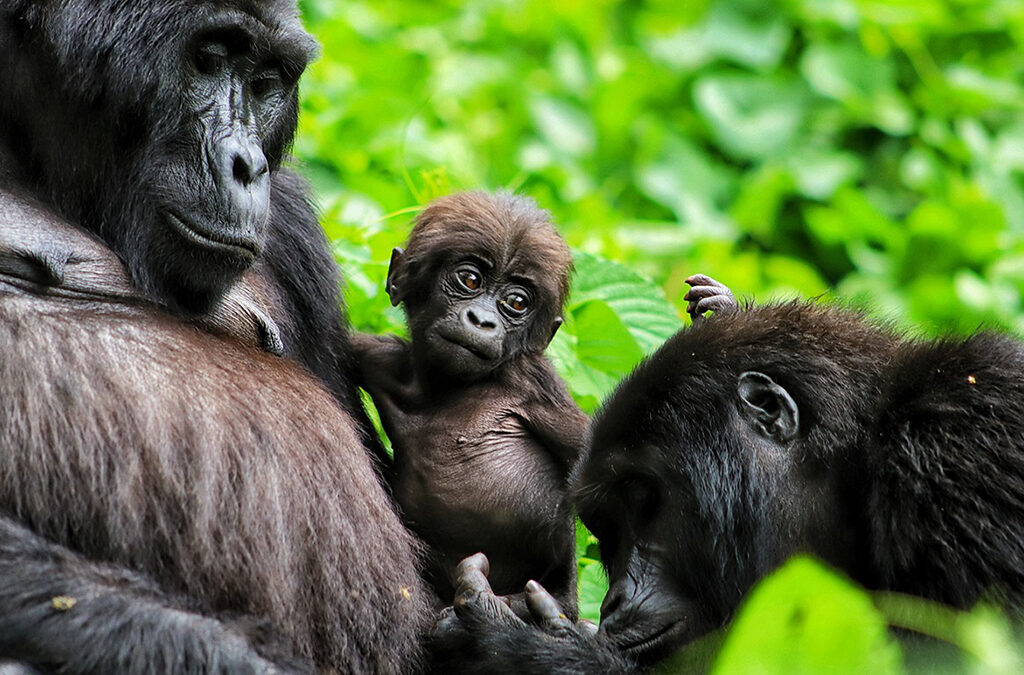
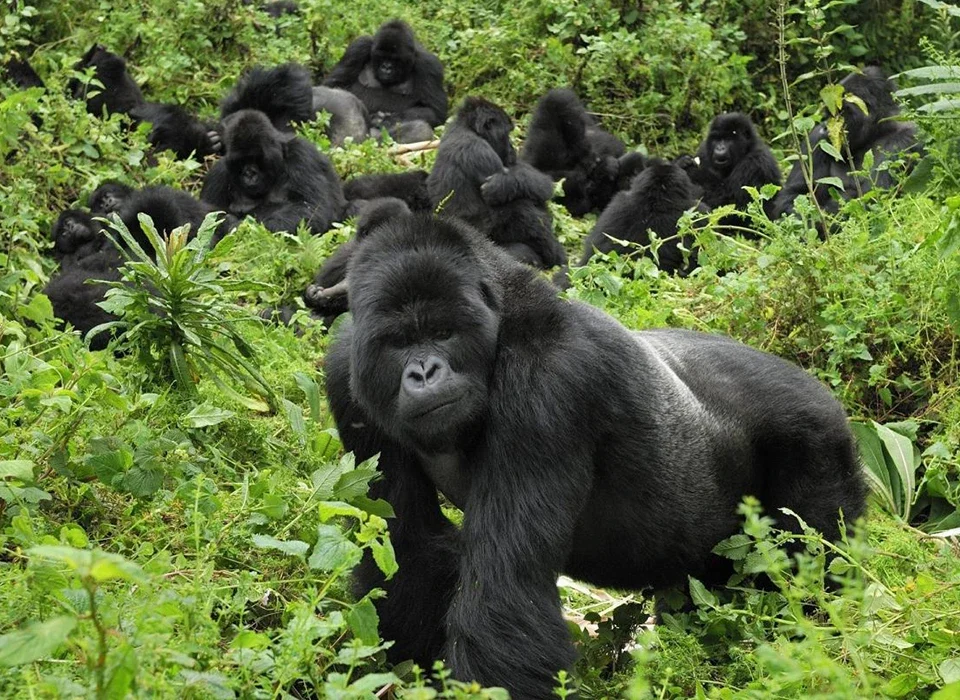
Few wildlife experiences on earth compare to the moment you lock eyes with a mountain gorilla. You stand in dense forest, breathing hard from the climb, and then suddenly, there they are. A silverback sits just metres away, calm and unbothered, studying you with eyes that feel strangely familiar. In that instant, everything shifts. You stop feeling like a visitor and start feeling connected to something rare and deeply real. That is the power of gorilla trekking, and it stays with you long after you leave the forest.
At first, the idea can feel overwhelming. You may wonder where to go, how difficult the trek might be, or how to secure a permit. However, once you break it down step by step, the experience becomes far more manageable. More importantly, the reward makes every effort worthwhile.
Why Gorilla Trekking Feels Different
Unlike most wildlife encounters, gorilla trekking brings you closer in a way that feels personal. Instead of watching from a vehicle, you walk through the forest alongside experienced rangers and trackers. You follow subtle signs broken branches, fresh tracks until you finally find the gorillas.
Then, everything slows down.
You sit quietly and observe their daily lives. A mother gently nurses her infant. Meanwhile, a young gorilla tests its confidence among older members of the group. Around you, the forest hums with life as the gorillas feed, rest, and interact. As a result, the experience feels intimate and unfiltered.
Because of this, many first-time trekkers describe it as life-changing. It is not only about seeing gorillas. Rather, it is about recognising something familiar in them a reflection of your own humanity.
Choosing the Right Destination
When planning your first trek, three destinations stand out. Each one offers a slightly different experience, so your choice depends on your travel style, budget, and expectations.
Volcanoes National Park, Rwanda
If convenience matters most, this is the easiest place to begin. The park lies just about two and a half hours from Kigali, which means you can arrive and start your trek the next morning without complicated travel plans. In addition, the landscape features bamboo forests and open clearings, often allowing better visibility once you locate the gorillas.
Rwanda also offers well-developed infrastructure, comfortable lodges, and smooth logistics. However, permits cost around $1,500 per person, making it the most expensive option. Still, many travellers find the ease and comfort worth the price.
Bwindi Impenetrable Forest, Uganda
For those seeking a deeper sense of adventure, Bwindi offers a more rugged and immersive experience. The forest is thick, steep, and wonderfully wild. Although the terrain can be challenging, certain sectors especially Buhoma provide gentler trails that suit first-time trekkers.
At roughly $800 per permit, Bwindi is also more budget-friendly. Furthermore, it is the only place where you can join a Gorilla Habituation Experience. This extended encounter allows up to four hours with a gorilla family still adjusting to human presence, making it more raw, immersive, and unforgettable.
Mgahinga Gorilla National Park, Uganda
If you prefer a quieter and less crowded experience, Mgahinga offers exactly that. Fewer visitors come here, which creates a more peaceful atmosphere on the trail. In many cases, the habituated gorilla group stays closer to the starting point, potentially leading to shorter and less demanding hikes.
As a result, this park is ideal if you feel uncertain about the physical demands but still want a rewarding trekking experience.
Practical Tips That Make a Real Difference
Preparation shapes your entire trekking experience. Therefore, a few simple choices can make a significant difference once you are on the trail.
First, consider hiring a porter. While it may seem optional, it quickly becomes essential during steep or muddy sections. A porter helps carry your bag, offers support on slippery paths, and makes the trek far more manageable. At the same time, this directly supports local communities, making your visit more meaningful.
Next, book your permit early. Since each gorilla family receives only a limited number of visitors per day, permits sell out quickly especially during the dry seasons from June to September and December to February. Planning ahead ensures you do not miss out.
Equally important, pack wisely. Bring gardening gloves to protect your hands from thorns and stinging plants. Wear gaiters or tuck your trousers into your socks to guard against mud and insects. These small details may seem minor at first, yet they greatly improve your comfort throughout the trek.
Finally, once you find the gorillas, give yourself time to simply be present. Instead of immediately reaching for your camera, pause and take in the moment. Watch how they move, interact, and exist within their world. After that, you can capture photos but the memory of that first quiet connection will stay with you the longest.
Where to Stay
Your choice of accommodation can shape the overall experience. Some lodges sit just minutes from the trekking starting points, allowing for an easy and relaxed morning. Others offer stunning views of volcanic landscapes or deep forest surroundings, adding a sense of place to your journey.
If you prefer something more budget-friendly, community-run camps provide warm hospitality while directly supporting local livelihoods. No matter where you stay, proximity to the trekking base and a comfortable place to rest after the hike are what matter most.
A Moment That Stays With You
Gorilla trekking does more than show you something beautiful. It draws you into a world that feels both ancient and familiar. As you sit quietly in the forest, watching a gorilla meet your gaze, you begin to understand why this experience leaves such a lasting impression.
In the end, it is not just about the trek. It is about connection, presence, and the quiet realisation that you are part of something much bigger than yourself.